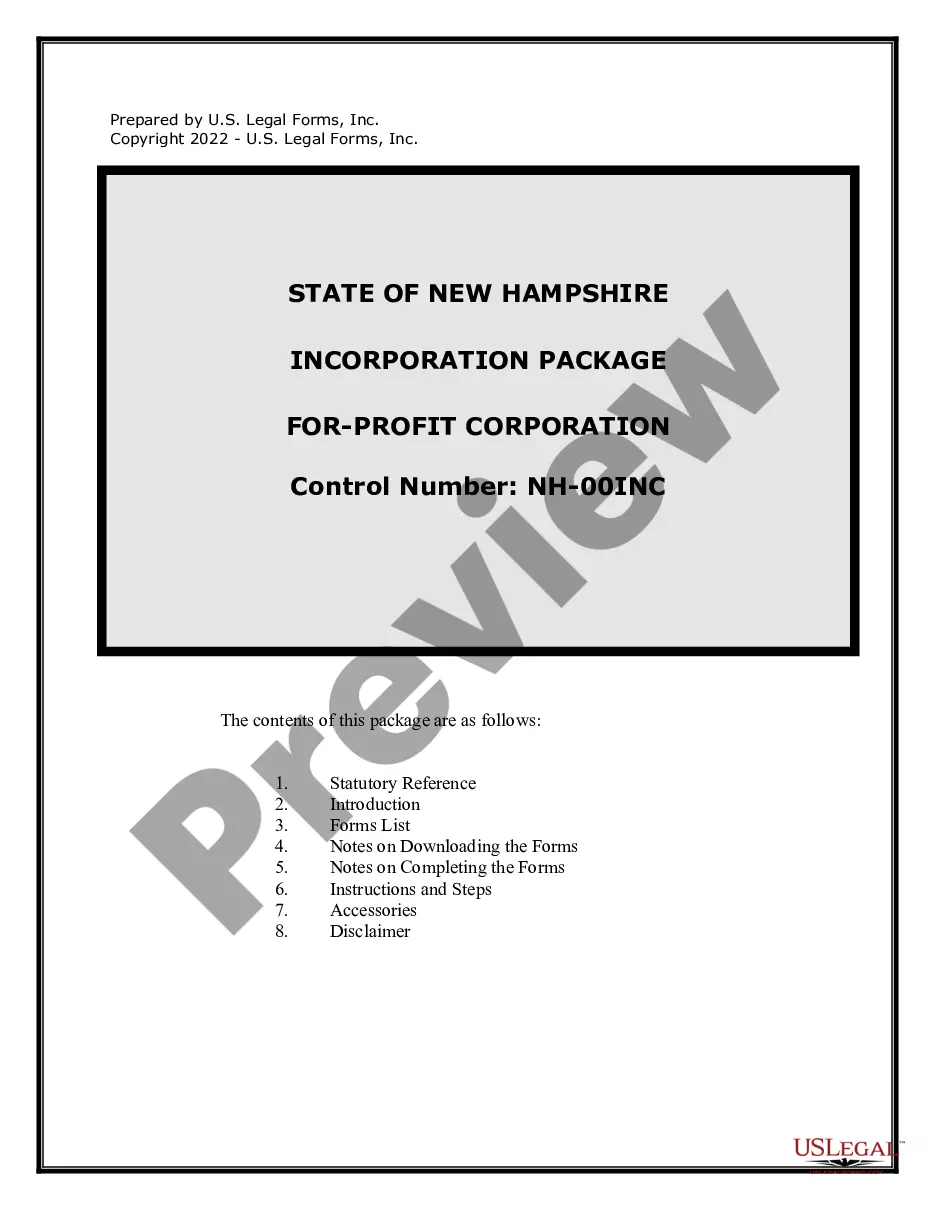
Notice Discovery Template For School In Orange
Description


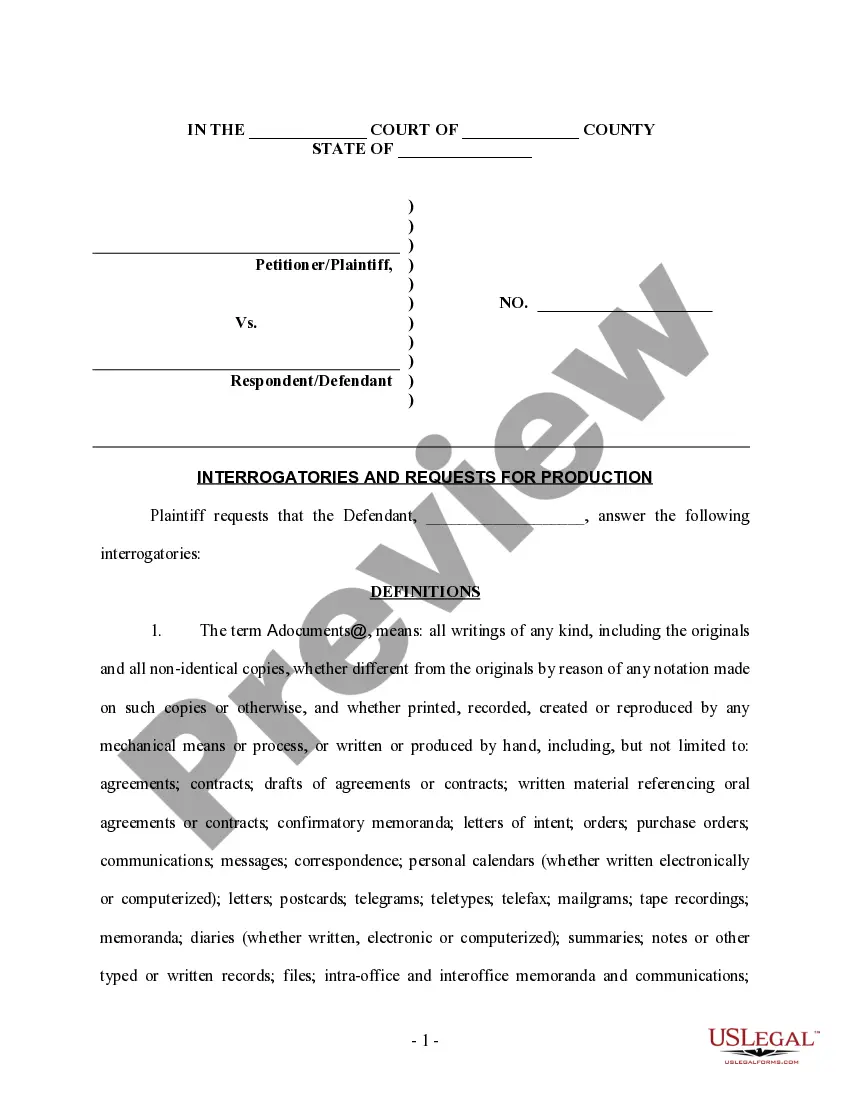
Get your form ready online
Our built-in tools help you complete, sign, share, and store your documents in one place.
Make edits, fill in missing information, and update formatting in US Legal Forms—just like you would in MS Word.
Download a copy, print it, send it by email, or mail it via USPS—whatever works best for your next step.
Sign and collect signatures with our SignNow integration. Send to multiple recipients, set reminders, and more. Go Premium to unlock E-Sign.
If this form requires notarization, complete it online through a secure video call—no need to meet a notary in person or wait for an appointment.
We protect your documents and personal data by following strict security and privacy standards.

Make edits, fill in missing information, and update formatting in US Legal Forms—just like you would in MS Word.

Download a copy, print it, send it by email, or mail it via USPS—whatever works best for your next step.

Sign and collect signatures with our SignNow integration. Send to multiple recipients, set reminders, and more. Go Premium to unlock E-Sign.

If this form requires notarization, complete it online through a secure video call—no need to meet a notary in person or wait for an appointment.

We protect your documents and personal data by following strict security and privacy standards.
Looking for another form?
Form popularity
FAQ
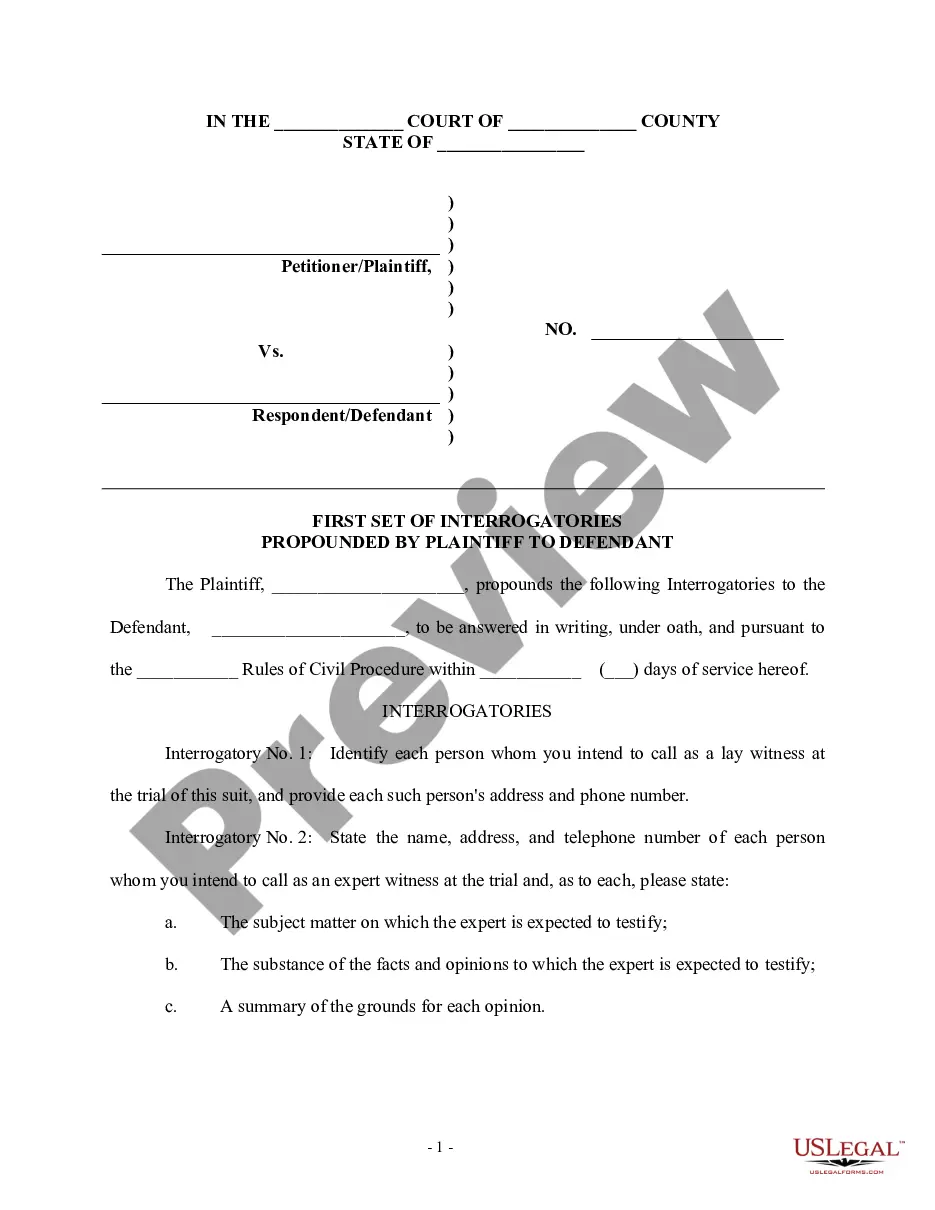
For example, a discovery demand might be for production of the names of witnesses, witness statements, information about evidence, a request for opportunity to inspect tangible evidence, and for any reports prepared by expert witnesses who will testify at trial.
You use discovery to get information or evidence from the other side in a lawsuit that will help you make your case. In order to get the information you need, you must make a request using a specific procedure and written format, within a specific timeframe.
There are four main types of discovery requests: (1) depositions; (2) interrogatories; (3) requests for admissions; and (4) requests for the production of documents. Depositions are formal witness interviews.
You use discovery to find out things like: What the other side plans to say about an issue in your case. What facts or witnesses support their side. What facts or witnesses support your side. What information or documents could be used as evidence.
You have 30 days to serve a written response to document requests, but you may ask the other party for more time. If the other party declines, you may write to the judge to ask for an extension of time.
An Order to Show Cause is way to present to a judge the reasons why the court should order relief to a party. For example, a party can seek an order granting discovery, or dismissing all or part of an action by bringing an Order to Show Cause.
An eligible consensual case that was commenced and continued in hard copy form may be converted to a NYSCEF case by filing a Stipulation and Consent to E–Filing (found on the website) with the court. Any such conversion should be done promptly after commencement.
The return date is the court date. The party making the motion chooses the court date and puts it in the Notice of Motion so everyone knows when to come to court.