Notice Discovery Template For Product In Suffolk
Description



Form popularity
FAQ
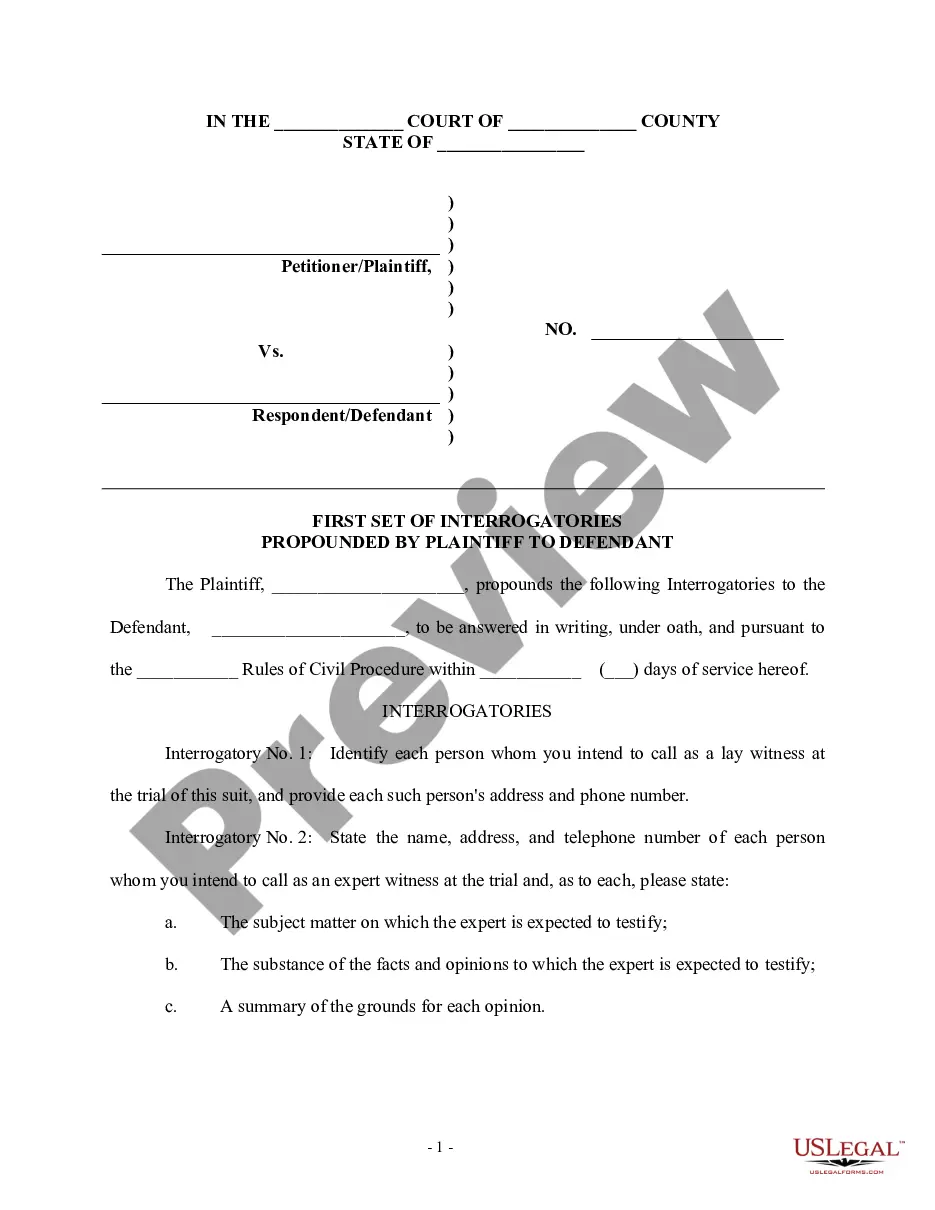
How Does Discovery Work? There are four main types of discovery requests: (1) depositions; (2) interrogatories; (3) requests for admissions; and (4) requests for the production of documents. Depositions are formal witness interviews.
The primary goal of discovery is to ensure a fair and just resolution of the dispute by preventing surprise evidence or arguments during trial.
Discovery Rule in Massachusetts The discovery rule allows the statute of limitations to start when the injury was discovered or reasonably should have been discovered rather than from the actual incident date.
It is important for the legal system to ensure transparency, and thus, the law considers discovery in a criminal case as a public record. Being classified as a public record means that these documents are accessible to anyone, including the defendant, their attorney, members of the media, or even protesters.
For example, a discovery demand might be for production of the names of witnesses, witness statements, information about evidence, a request for opportunity to inspect tangible evidence, and for any reports prepared by expert witnesses who will testify at trial.
Any document that comes into existence or that comes into your possession, custody or power, after you have initially provided discovery, and that falls within the terms of the original order, must also be discovered. You must prepare a supplementary List of documents verified by affidavit.
In some places, if both sides agree, every document produced in discovery and every deposition can be marked “confidential” and shielded from public view. The subject matter of the litigation is, in many instances, only tangentially related to the level of confidentiality sought by the litigants.
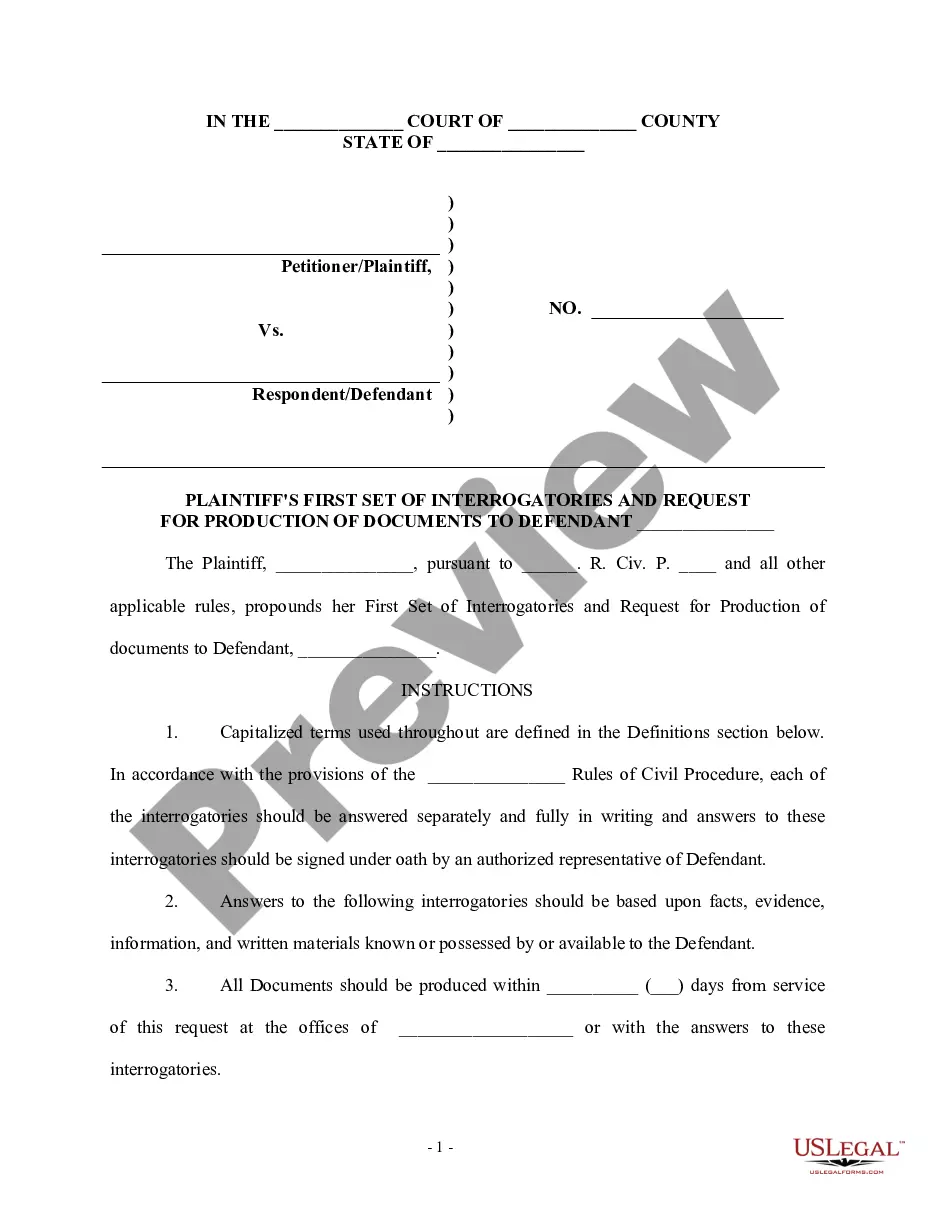
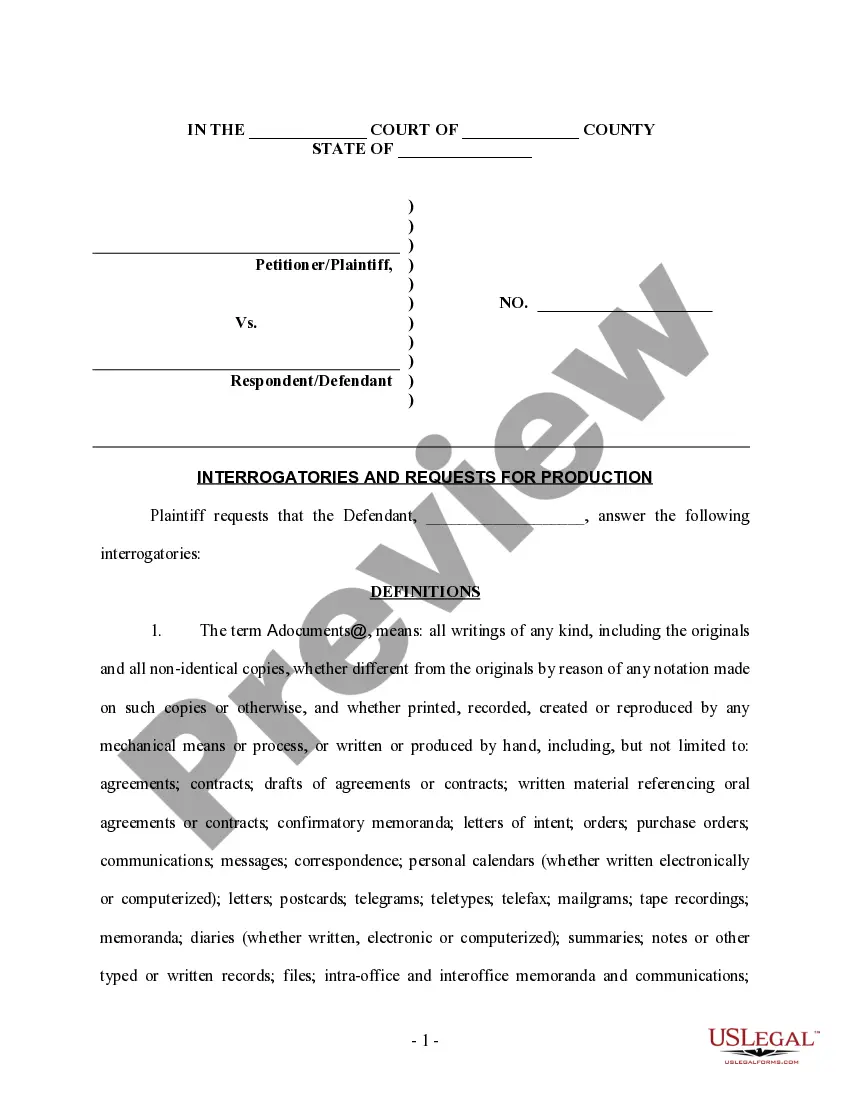
You use discovery to get information or evidence from the other side in a lawsuit that will help you make your case. In order to get the information you need, you must make a request using a specific procedure and written format, within a specific timeframe.
Specific Methods to Authenticate in Discovery But not all courts agree that the act of producing a document in response to a discovery request implies authenticity and may still require a showing of authenticity.