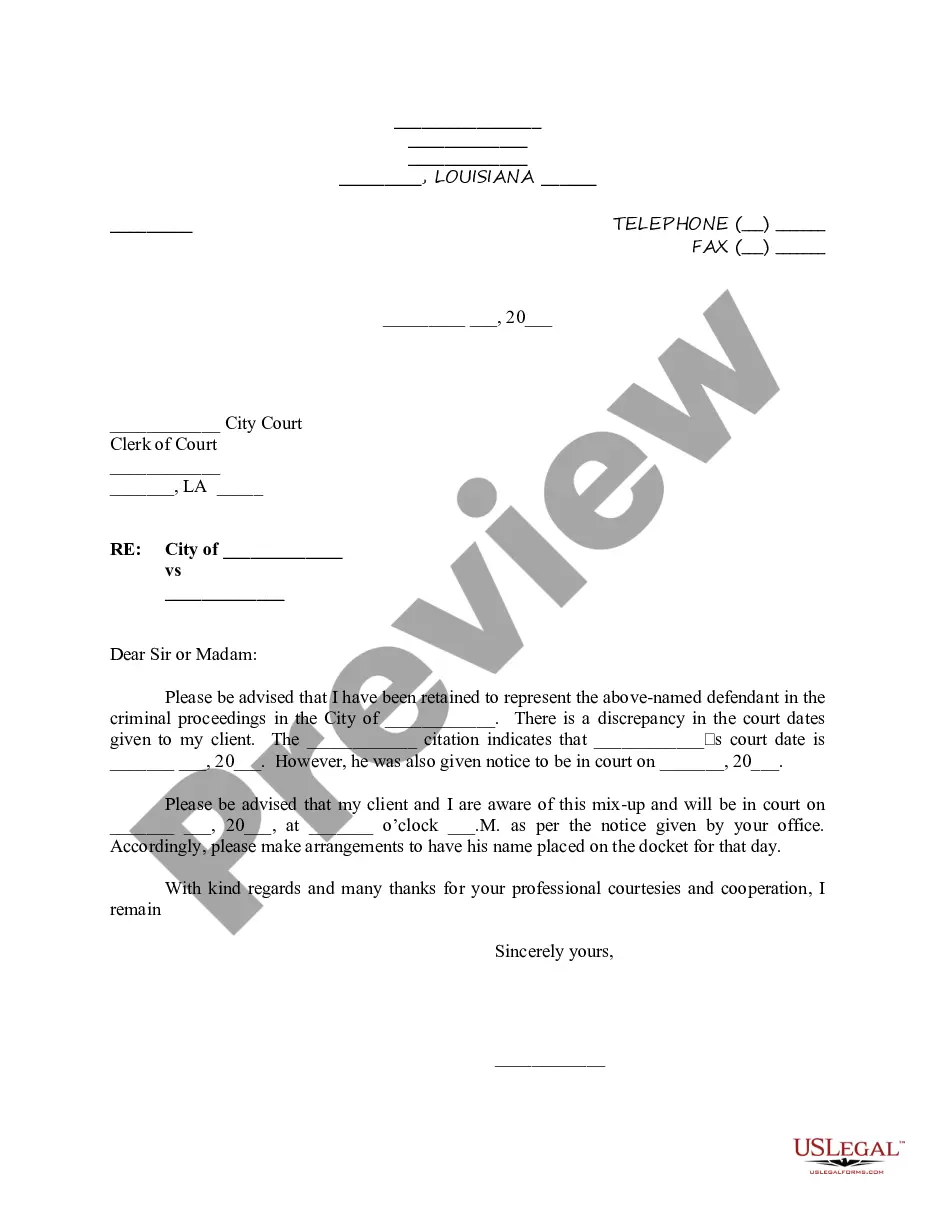
Notice For Discovery And Inspection In Utah
Description



Form popularity
FAQ
On timely motion of any party, a court may: transfer venue of any action, in whole or in part, to any other venue for any purpose, including for discovery, other pretrial matters, or a joint hearing or trial; stay any or all of the proceedings in the action; and make other such orders concerning proceedings therein to ...
These papers can be served by: Mailing them to the last known address provided. Handing them to the person. Emailing them to the most recent email address provided.
If the lawyer or LPP for the other party has withdrawn from the case, you must file and serve on that party a Notice to Appear Personally or to Appoint Counsel or Licensed Paralegal Practitioner. This notice tells the other party that there will be no action in the case for at least 21 days.
Rule 45 - Review of Judgments, Orders, and Decrees of Court of Appeals (a) Unless otherwise provided by law, the review of a judgment, an order, and a decree (herein referred to as "decisions") of the Court of Appeals shall be initiated by filing in the Utah Supreme Court a petition for a writ of certiorari to the Utah ...
Rule 45 - Review of Judgments, Orders, and Decrees of Court of Appeals (a) Unless otherwise provided by law, the review of a judgment, an order, and a decree (herein referred to as "decisions") of the Court of Appeals shall be initiated by filing in the Utah Supreme Court a petition for a writ of certiorari to the Utah ...
The Utah Rule Against Perpetuities In 1998, the Utah legislature adopted the Uniform Statutory Rule Against Perpetuities, setting the perpetuities period for 90 years. In 2003, the legislature amended the statute, changing the perpetuities period to 1,000 years.
(a) Use of depositions. (a)(1) Any deposition may be used by any party for the purpose of contradicting or impeaching the testimony of a deponent as a witness or for any other purpose permitted by the Utah Rules of Evidence.
On application of the party entitled to performance and upon order of the court, the clerk shall issue a writ of attachment or sequestration against the property of the disobedient party to compel obedience to the judgment. The court may also in proper cases adjudge the party in contempt.
After a nonjury trial, the court may, on motion for a new trial, open the judgment if one has been entered, take additional testimony, amend findings of fact and conclusions of law or make new ones, and direct entry of a new judgment.