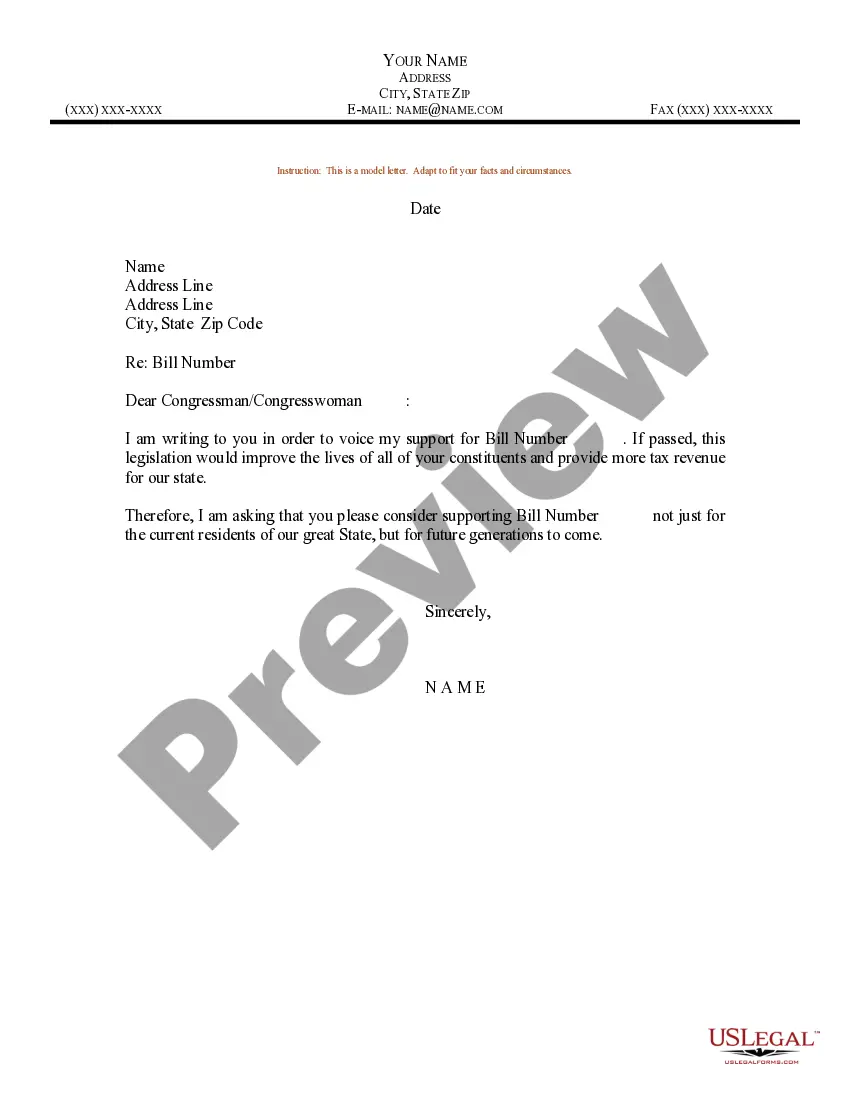
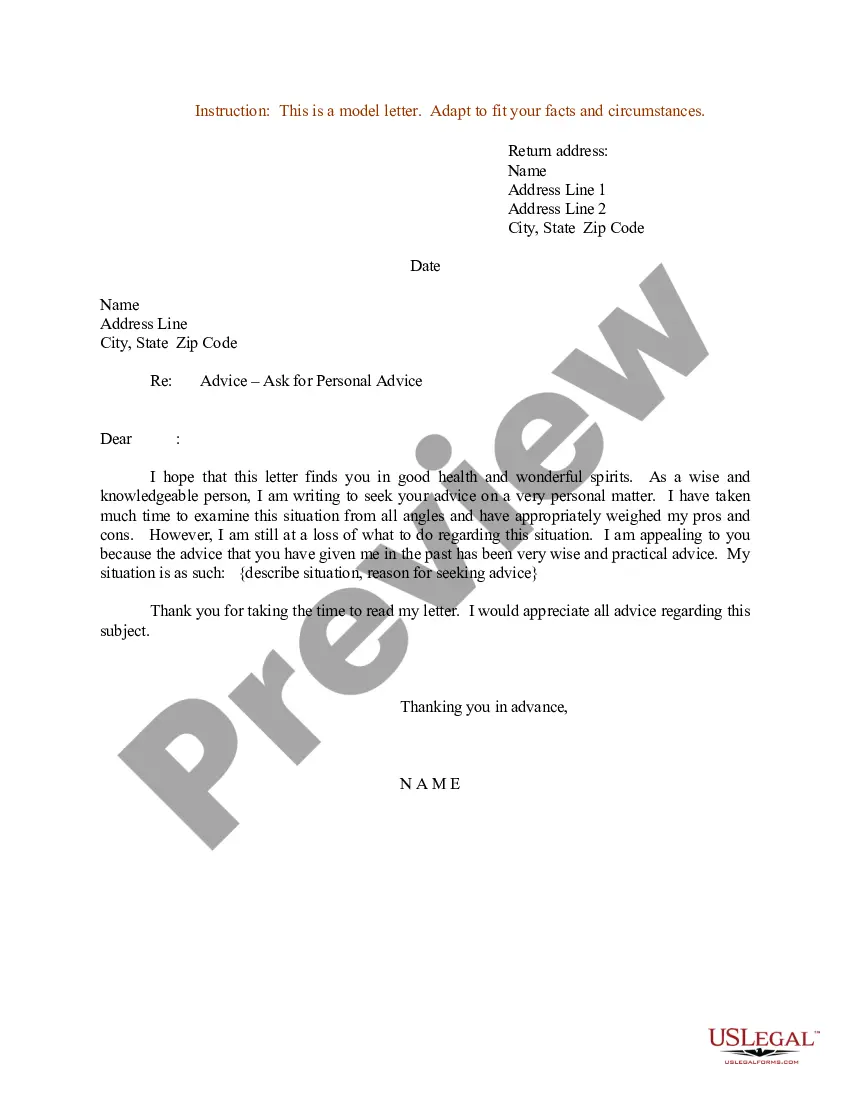
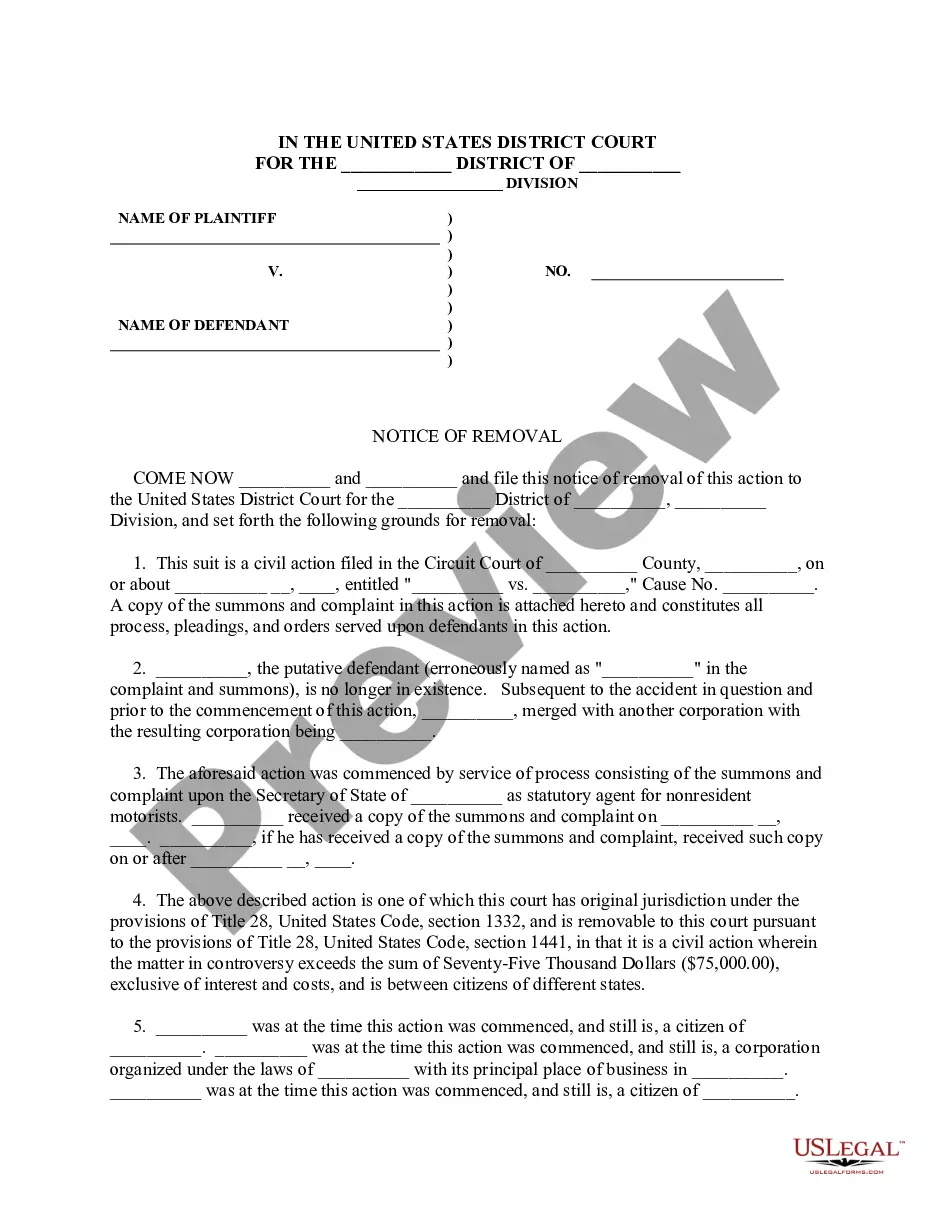
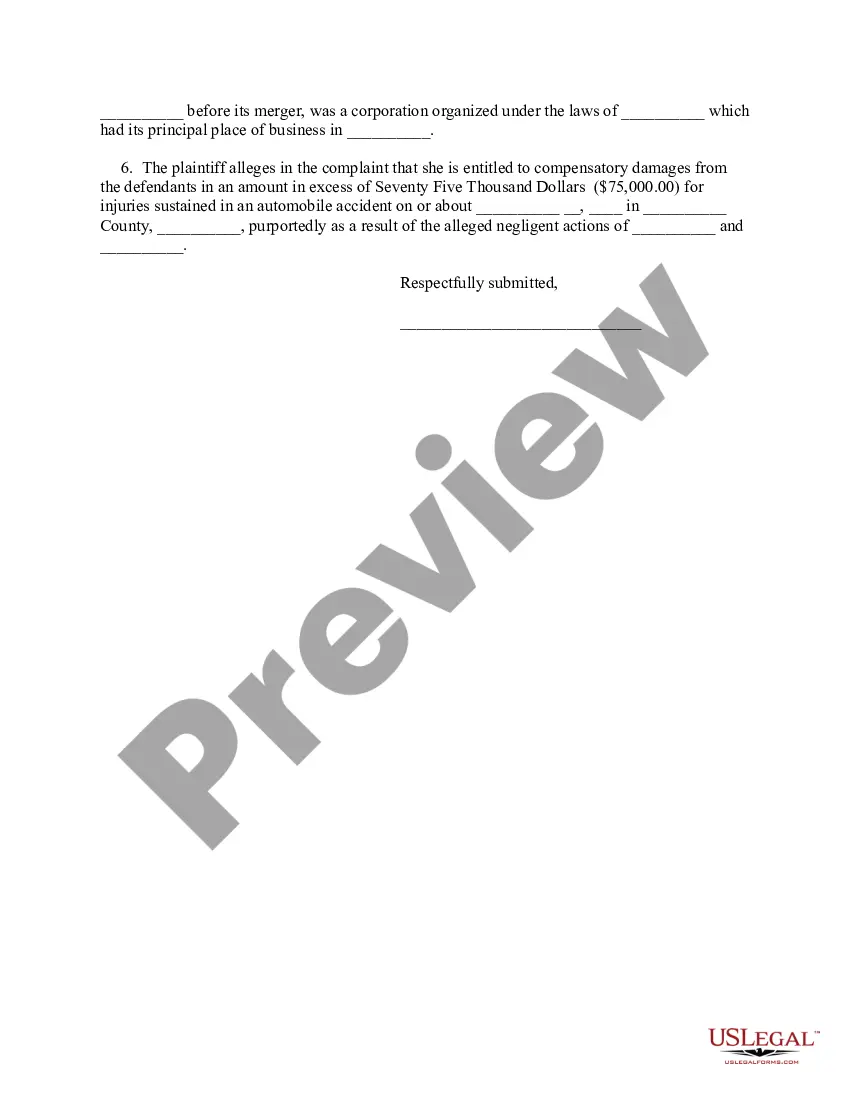
Notice Of Removal Template With Notice Period In Alameda
Description
Get your form ready online
Our built-in tools help you complete, sign, share, and store your documents in one place.
Make edits, fill in missing information, and update formatting in US Legal Forms—just like you would in MS Word.
Download a copy, print it, send it by email, or mail it via USPS—whatever works best for your next step.
Sign and collect signatures with our SignNow integration. Send to multiple recipients, set reminders, and more. Go Premium to unlock E-Sign.
If this form requires notarization, complete it online through a secure video call—no need to meet a notary in person or wait for an appointment.
We protect your documents and personal data by following strict security and privacy standards.
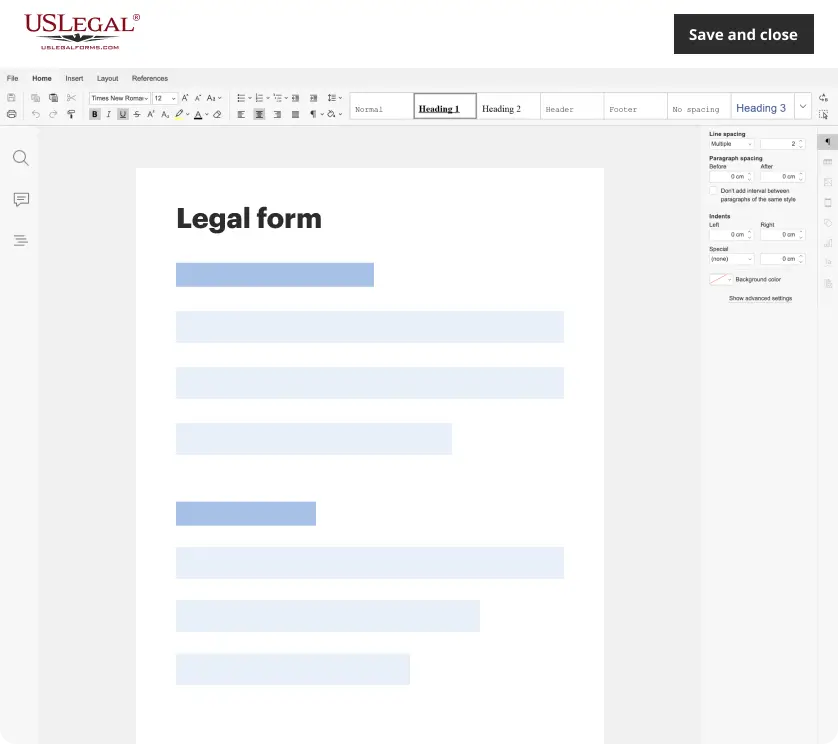
Make edits, fill in missing information, and update formatting in US Legal Forms—just like you would in MS Word.
Download a copy, print it, send it by email, or mail it via USPS—whatever works best for your next step.
Sign and collect signatures with our SignNow integration. Send to multiple recipients, set reminders, and more. Go Premium to unlock E-Sign.

If this form requires notarization, complete it online through a secure video call—no need to meet a notary in person or wait for an appointment.
We protect your documents and personal data by following strict security and privacy standards.
Looking for another form?
Form popularity
FAQ
No, landlords cannot force tenants to move out. Under California law, landlords must follow the legal eviction process, which includes providing a proper written notice and obtaining a court order.
A landlord uses a 30-day Notice to Quit (move out) to end a month-to-month tenancy if the tenant has been renting for less than 1 year. A landlord uses a 60-day Notice to Quit if their tenant has been renting for 1 year or more. In many cases, landlords can't cancel a month-to-month tenancy for just any reason.
Unless the rental agreement specifies otherwise, you can give notice on any day of the month—you don't have to wait until the beginning of a month.
The Notice must be in writing and include: The date the tenancy will end ("be terminated") Detailed reason(s) for the eviction. That if the tenant doesn't move out within 90 days the owner may start a court case to evict them and that they can give their side of the story then.
What Happens If You Don't Give 30-days' Notice To Vacate? If you do not provide your tenant with adequate notice, you will not have the legal grounds to end the tenancy. Likewise, if a tenant does not give you enough notice they could be subject to penalties (such as the landlord withholding their security deposit).
California law requires landlords provide tenants 60 days written notice prior to terminating a month-to-month rental agreement in most cases. Reasons may include the owner or family member moving in, removing the unit from rental market, or planning substantial renovations requiring vacancy.
If you have a month-to-month rental agreement, a 30-day notice should be provided to the landlord. If you have a lease, review it to determine if it has terms that discuss what happens at the end of your lease.
The notice should have your name, the unit you are occupying and the date in which you will be completely moved out. It should also include a forwarding address to where your security deposit can be mailed. If you have a month-to-month rental agreement, a 30-day notice should be provided to the landlord.
In every case, to present an ex parte application to the court, a party must: reserve a hearing date with the applicable department (for applications that require a hearing.) ... file the motion with the court, and. give notice of the hearing date as required by law.