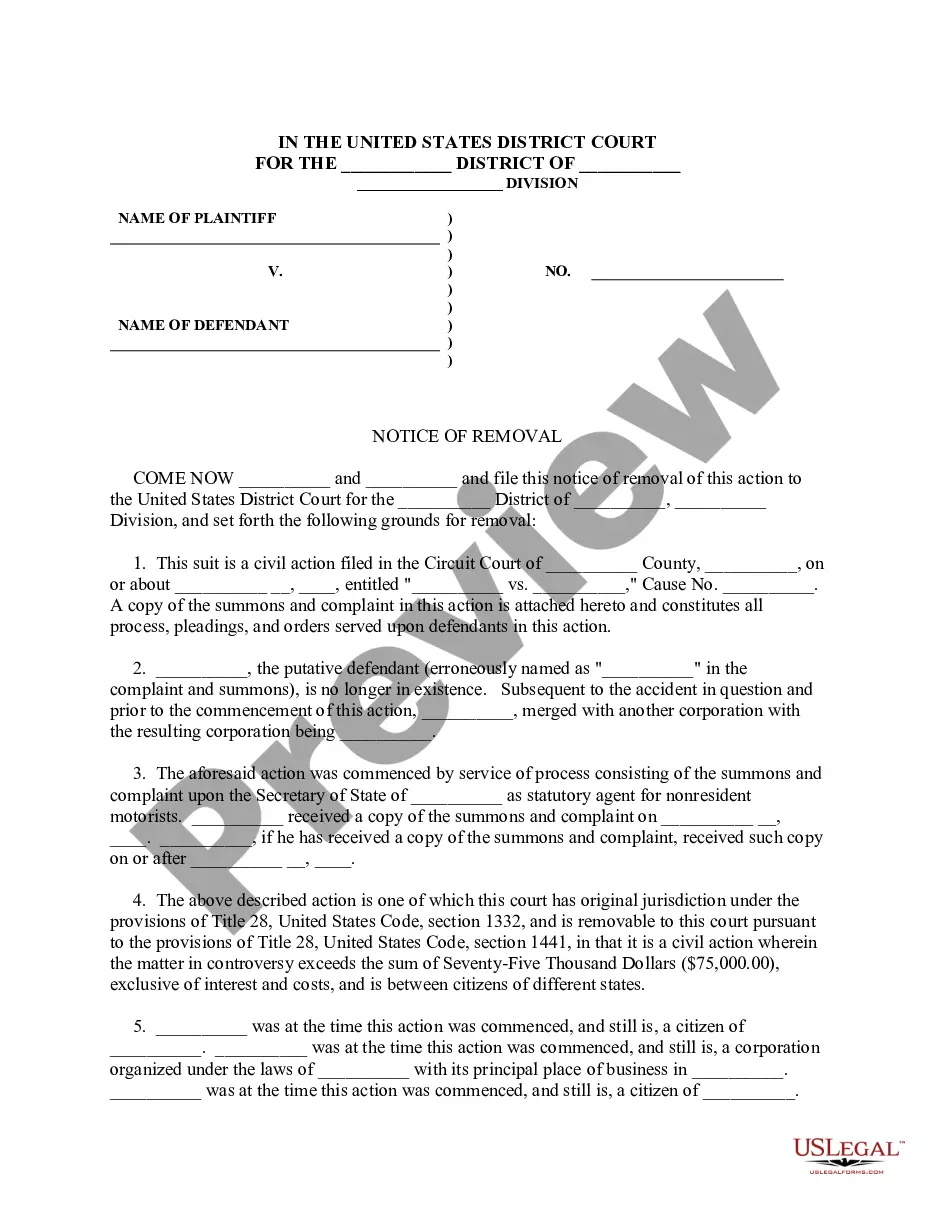
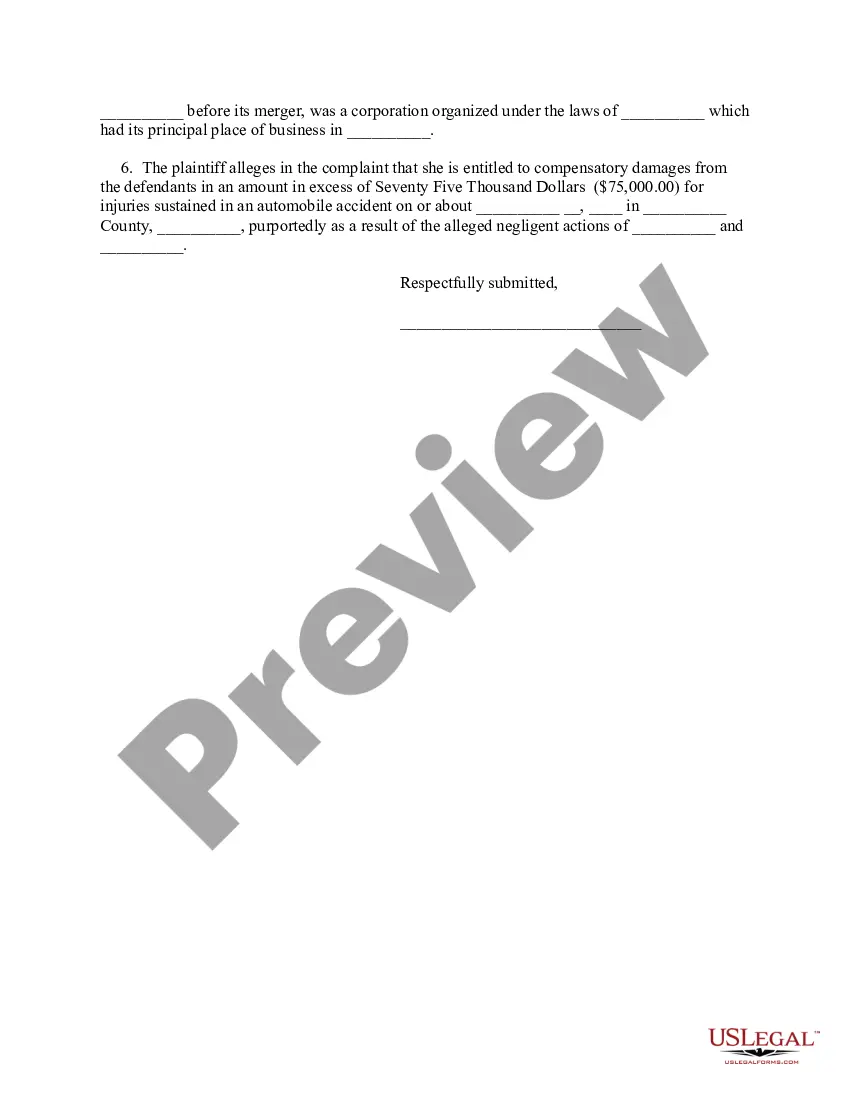
Notice Of Removal Template For Tenants In Harris
Description
Get your form ready online
Our built-in tools help you complete, sign, share, and store your documents in one place.
Make edits, fill in missing information, and update formatting in US Legal Forms—just like you would in MS Word.
Download a copy, print it, send it by email, or mail it via USPS—whatever works best for your next step.
Sign and collect signatures with our SignNow integration. Send to multiple recipients, set reminders, and more. Go Premium to unlock E-Sign.
If this form requires notarization, complete it online through a secure video call—no need to meet a notary in person or wait for an appointment.
We protect your documents and personal data by following strict security and privacy standards.
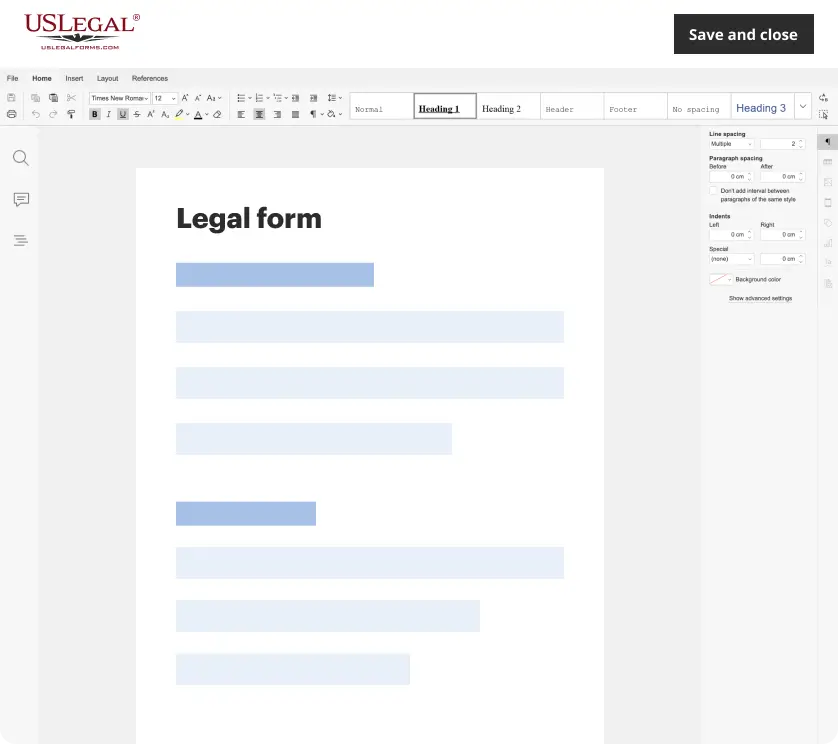
Make edits, fill in missing information, and update formatting in US Legal Forms—just like you would in MS Word.
Download a copy, print it, send it by email, or mail it via USPS—whatever works best for your next step.
Sign and collect signatures with our SignNow integration. Send to multiple recipients, set reminders, and more. Go Premium to unlock E-Sign.
If this form requires notarization, complete it online through a secure video call—no need to meet a notary in person or wait for an appointment.
We protect your documents and personal data by following strict security and privacy standards.
Looking for another form?
Form popularity
FAQ
Clearly define the expected level of cleanliness and specific actions required to rectify the situation. A timeframe for follow-up is useful for helping the resident to address the issues, such as a 7-day notice period to clean. This approach gives residents a clear understanding of what needs to be done and by when.
An effective notice to vacate letter should include the following: Detailed information about the landlord/property manager. The tenant's full name and address. The date of issuance. A straightforward declaration of purpose. The rationale for the request. A precise move-out date. A reminder of any contractual duties.
Eviction 101: Navigating Tenant Removal in Houston Understand Eviction Laws. It's one thing to know how to handle noise complaints from tenants. Determine the Reasons for Eviction. Give a Formal Notice of Eviction. File Eviction Suit. Prepare for and Attend the Court Hearing. Evict the Tenant.
Dear landlord or property manager's name, This letter shall serve as my written notice to vacate on DD/MM/YYYY. I request to vacate and terminate the lease which was signed and agreed upon on start of lease date. I will be moving out of the property at current full address, at the latest, by DD/MM/YYYY.
Dear Tenant's Name, This letter serves as formal notification that you are required to vacate the premises at Property Address by Vacate Date. This notice is given in ance with the terms of the lease agreement dated Lease Start Date, which specifies a number of days-day notice period for termination.
You should be aware that you cannot “evict” your co-tenant or change the locks, since eviction is a process reserved for landlords. Often, roommates can prevent serious conflicts from arising by addressing major aspects of the tenancy in advance and putting the resolution in an agreement.
In New York State, an eviction of a tenant is lawful only if an owner has brought a court proceeding and obtained a judgment of possession from the court. A sheriff, marshal or constable can carry out a court ordered eviction. An owner may not evict a tenant by use of force or unlawful means.
The notice can be given to the tenant in one of the following ways: In person to the tenant or someone in the household who is 16 years of age or older. In person by affixing the notice to the inside of the main entry door. By regular mail, certified mail, or registered mail, with return receipt.
If a tenant wants to remove someone from the lease, the first step is to review the lease agreement. There may be terms in the lease that outline the process for removing a signed tenant. The next step is to communicate with the landlord. Notify them that you want to remove someone from the lease.