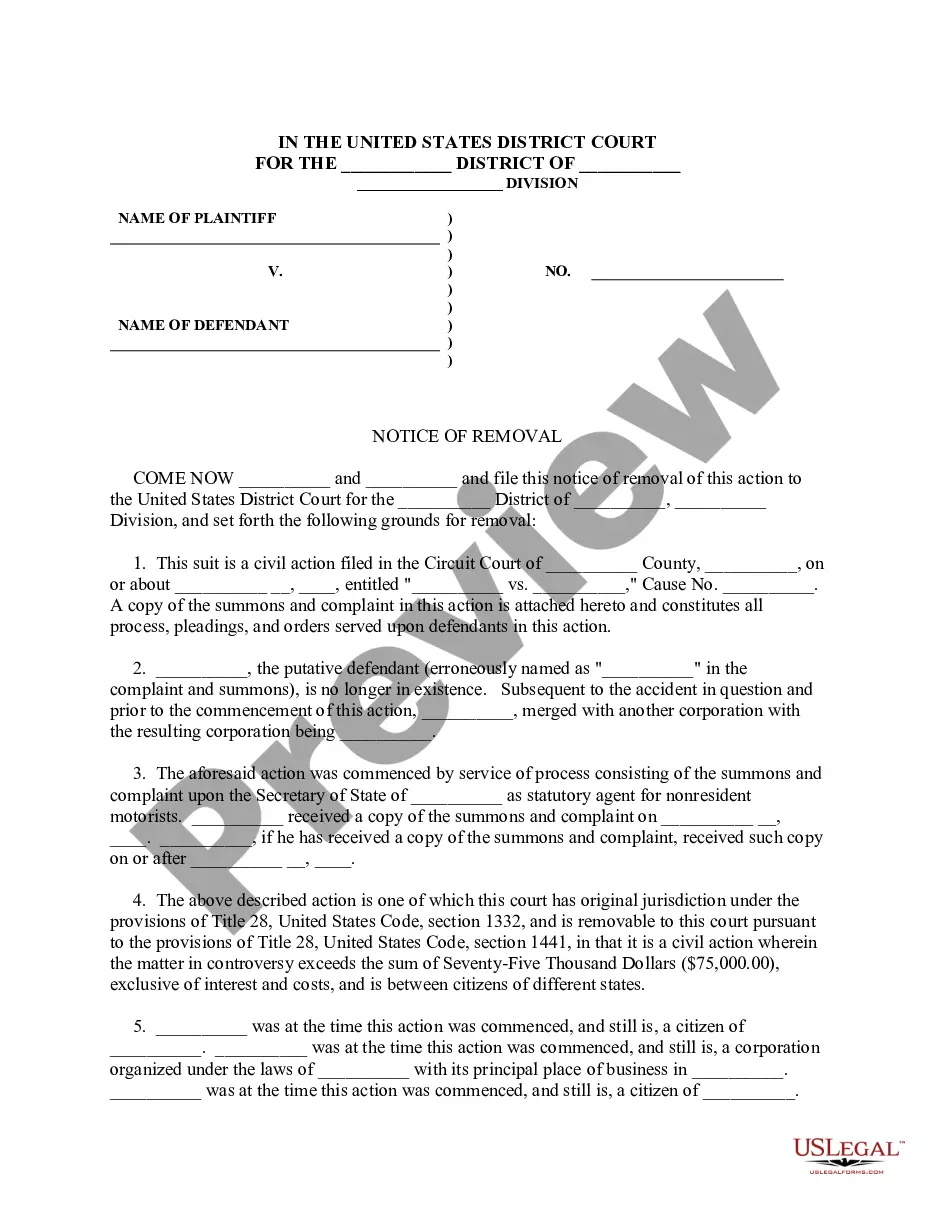
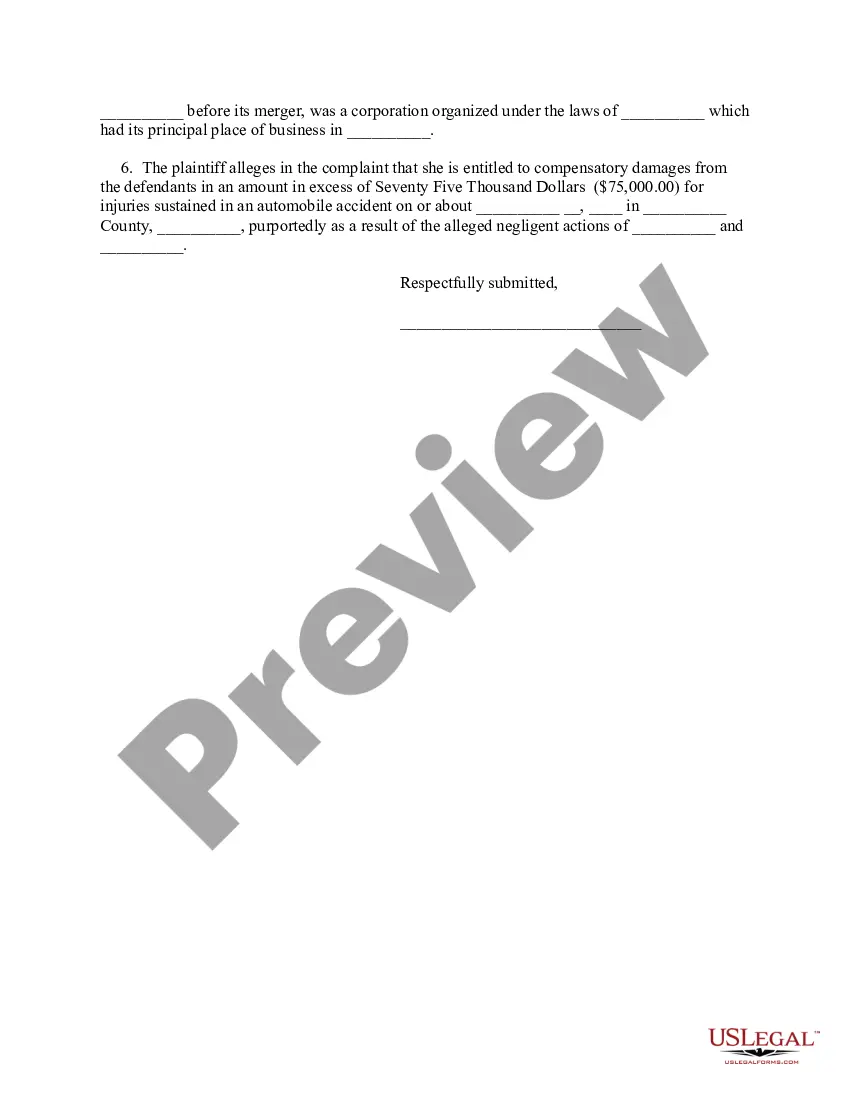
Notice Of Removal Template Foreclosure In Harris
Description
Get your form ready online
Our built-in tools help you complete, sign, share, and store your documents in one place.
Make edits, fill in missing information, and update formatting in US Legal Forms—just like you would in MS Word.
Download a copy, print it, send it by email, or mail it via USPS—whatever works best for your next step.
Sign and collect signatures with our SignNow integration. Send to multiple recipients, set reminders, and more. Go Premium to unlock E-Sign.
If this form requires notarization, complete it online through a secure video call—no need to meet a notary in person or wait for an appointment.
We protect your documents and personal data by following strict security and privacy standards.

Make edits, fill in missing information, and update formatting in US Legal Forms—just like you would in MS Word.

Download a copy, print it, send it by email, or mail it via USPS—whatever works best for your next step.

Sign and collect signatures with our SignNow integration. Send to multiple recipients, set reminders, and more. Go Premium to unlock E-Sign.

If this form requires notarization, complete it online through a secure video call—no need to meet a notary in person or wait for an appointment.

We protect your documents and personal data by following strict security and privacy standards.
Looking for another form?

Form popularity
FAQ
A Notice of Intention to Foreclose is your lender telling you that they are planning to foreclose on your property because you are behind on your mortgage payments.
The "right of redemption" refers to one's ability to reclaim the property even after the foreclosure sale takes place. In Texas, the "right of redemption" is only available for specific kinds of foreclosure actions such as foreclosures of certain tax liens and property owners association assessment liens.
A Notice of Intention to Foreclose is your lender telling you that they are planning to foreclose on your property because you are behind on your mortgage payments.
After the judge issues a ruling, the former homeowner has five days to vacate the property or appeal the ruling. If the former homeowner is still living on the premises after five days, the constable will post a notice on the front door giving the former homeowner 24 hours to move out.
How long does it take to evict someone in Texas? From start to finish approximately four weeks • 3 days from notice to vacate to filing of suit • 8-10 days to serve the citation -The court date is set between 10-21 days. 5 days to appeal the suit following the hearing required by law.
If the occupant is a tenant at will or by sufferance, the landlord must give the tenant at least three (3) days' written notice to vacate before the landlord files a forcible detainer suit unless the parties have contracted for a shorter or longer notice period in a written lease or agreement.
The single biggest factor in how long an eviction will take is how long you wait before filing suit to evict. The lawsuit cannot begin until it is filed with the court. Relatively speaking, the average eviction case moves through the Texas court system in about 4-6 weeks after a suit is filed.
A defendant or defendants desiring to remove any civil action from a State court shall file in the district court of the United States for the district and division within which such action is pending a notice of removal signed pursuant to Rule 11 of the Federal Rules of Civil Procedure and containing a short and plain ...