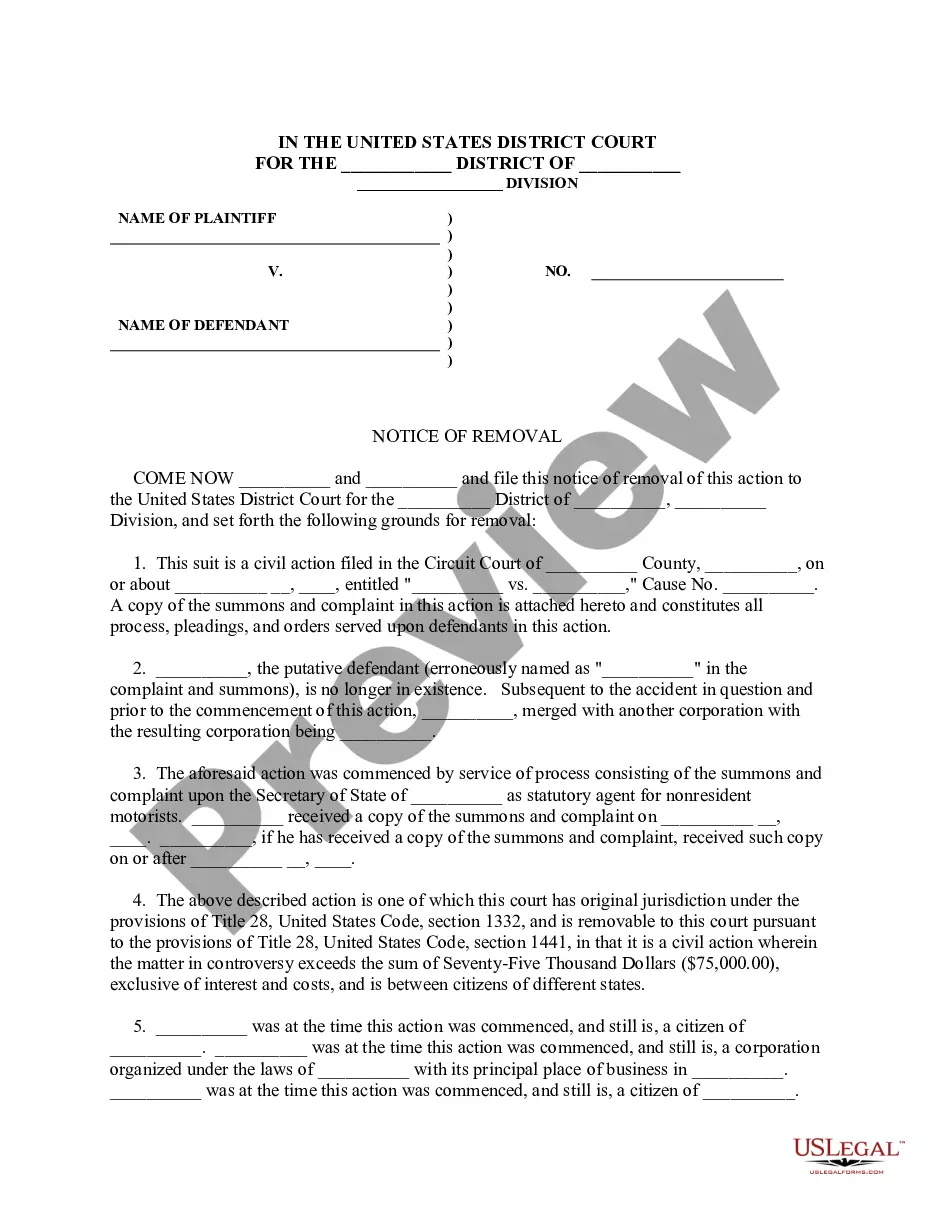
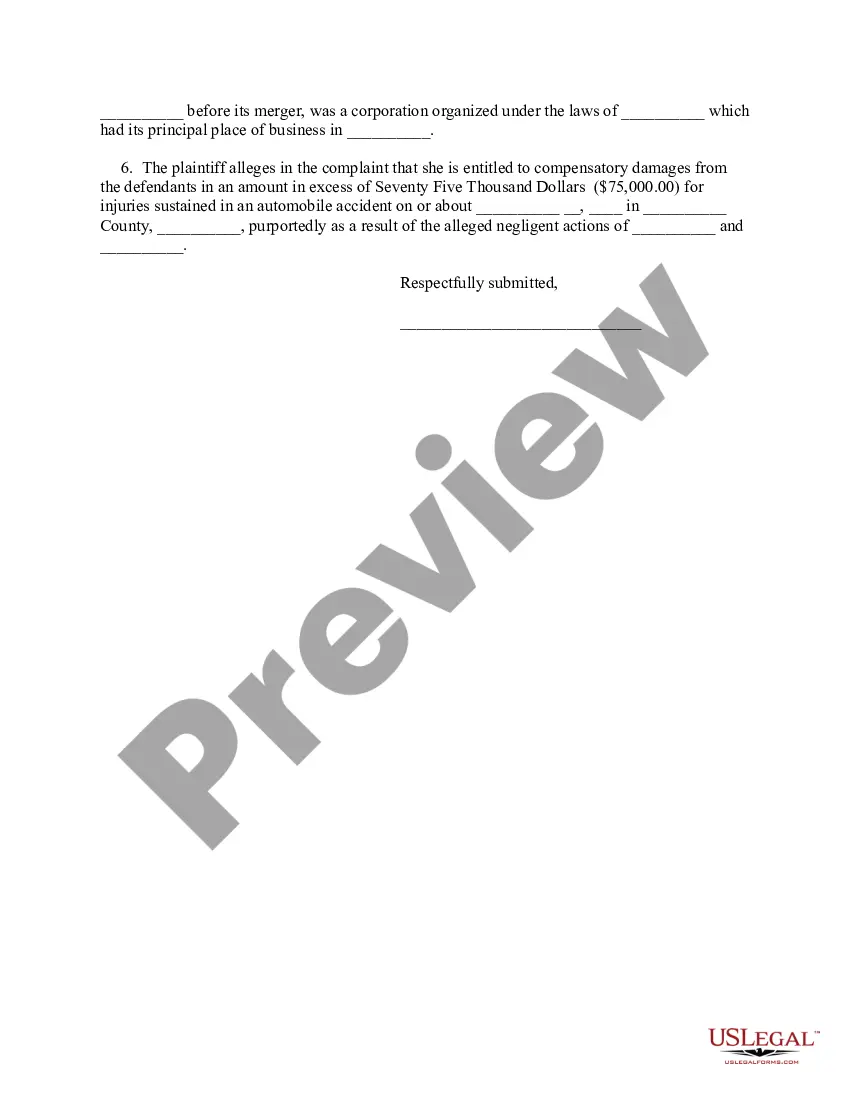
Notice Of Removal Template With Lines In Maryland
Description
Get your form ready online
Our built-in tools help you complete, sign, share, and store your documents in one place.
Make edits, fill in missing information, and update formatting in US Legal Forms—just like you would in MS Word.
Download a copy, print it, send it by email, or mail it via USPS—whatever works best for your next step.
Sign and collect signatures with our SignNow integration. Send to multiple recipients, set reminders, and more. Go Premium to unlock E-Sign.
If this form requires notarization, complete it online through a secure video call—no need to meet a notary in person or wait for an appointment.
We protect your documents and personal data by following strict security and privacy standards.

Make edits, fill in missing information, and update formatting in US Legal Forms—just like you would in MS Word.

Download a copy, print it, send it by email, or mail it via USPS—whatever works best for your next step.

Sign and collect signatures with our SignNow integration. Send to multiple recipients, set reminders, and more. Go Premium to unlock E-Sign.

If this form requires notarization, complete it online through a secure video call—no need to meet a notary in person or wait for an appointment.

We protect your documents and personal data by following strict security and privacy standards.
Looking for another form?
Form popularity
FAQ
A pleading shall contain only such statements of fact as may be necessary to show the pleader's entitlement to relief or ground of defense. It shall not include argument, unnecessary recitals of law, evidence, or documents, or any immaterial, impertinent, or scandalous matter.
A case will be automatically expunged in three (3) years if the case was closed with a final disposition of acquittal, not guilty, dismissal, or nolle prosequi.
BILL OF PARTICULARS IN THE CIRCUIT COURT. (a) Demand. Within 15 days after the earlier of the appearance of counsel or the first appearance of the defendant before the circuit court pursuant to Rule 4-213(c), the defendant may file a demand in circuit court for a bill of particulars.
Rule 19-304.2 - Communications with Persons Represented by an Attorney (4.2) (a) Except as provided in section (c) of this Rule, in representing a client, an attorney shall not communicate about the subject of the representation with a person who the attorney knows is represented in the matter by another attorney ...
Local Rule 104.7 is amended to require counsel to make a “reasonable effort” to resolve discovery disputes and explains that a “reasonable effort” means more than sending an email or letter to the opposing party.
Service is made on an officer or agency of the State of Maryland by serving (1) the resident agent designated by the officer or agency, or (2) the Attorney General or an individual designated by the Attorney General in a writing filed with the Clerk of the Supreme Court.
Rule 4-346 - Probation (a) Manner of Imposing. When placing a defendant on probation, the court shall advise the defendant of the conditions and duration of probation and the possible consequences of a violation of any of the conditions.
Rule 4-214 - Defense Counsel (a) Appearance. Counsel retained or appointed to represent a defendant shall enter an appearance within five days after accepting employment, after appointment, or after the filing of the charging document in court, whichever occurs later.
A response to a motion for summary judgment shall be in writing and shall (1) identify with particularity each material fact as to which it is contended that there is a genuine dispute and (2) as to each such fact, identify and attach the relevant portion of the specific document, discovery response, transcript of ...
File a Notice of Intention to Defend: You must file this within 15 days of receiving the summons. The Notice is on the bottom half of the summons. Once you have responded, the Court will send the plaintiff a copy of this notice. File a Counterclaim, Cross-claim, or a Third-Party Complaint.