Letter Instruction Sample With Thru In Orange
Description

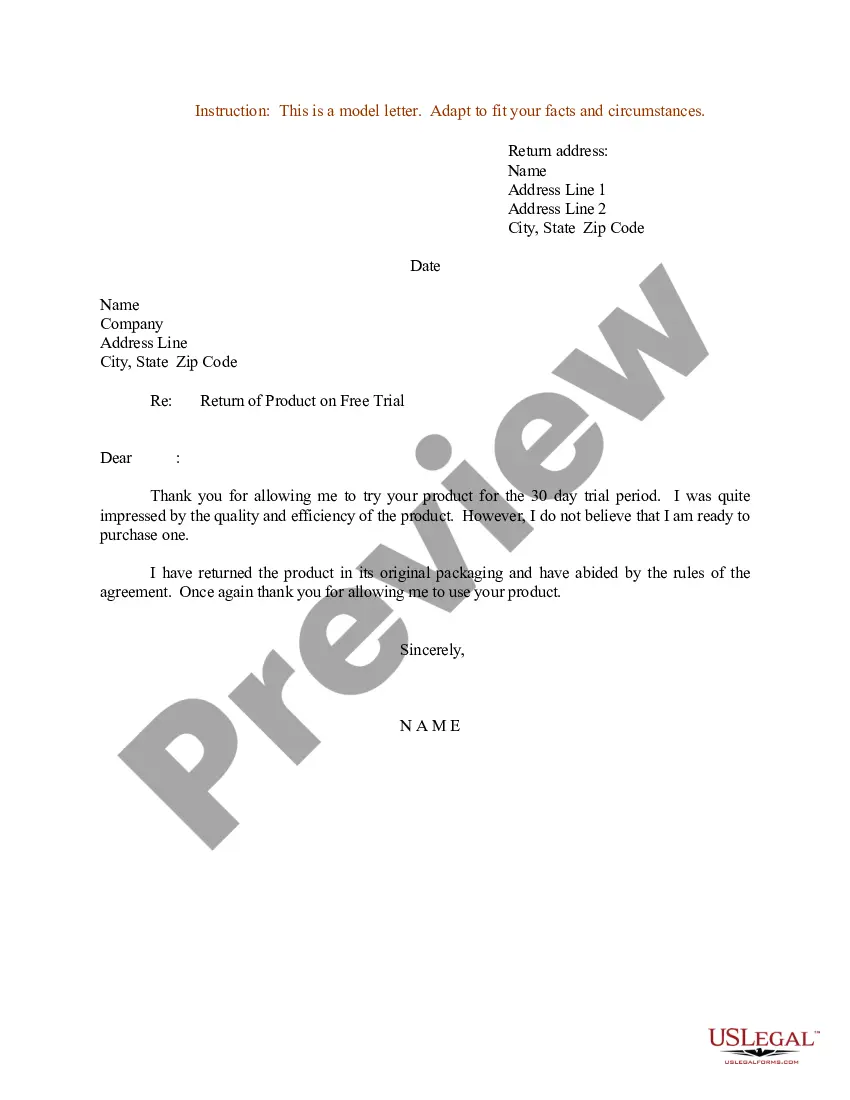
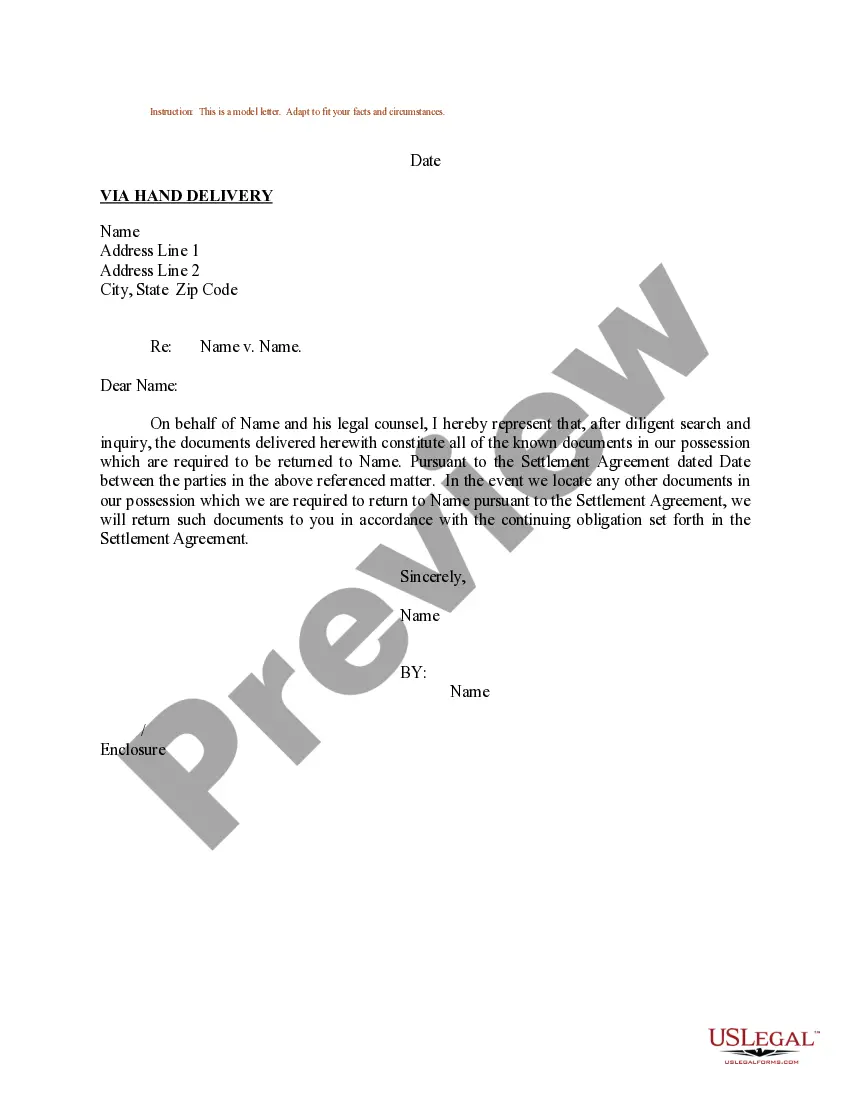
Get your form ready online
Our built-in tools help you complete, sign, share, and store your documents in one place.
Make edits, fill in missing information, and update formatting in US Legal Forms—just like you would in MS Word.
Download a copy, print it, send it by email, or mail it via USPS—whatever works best for your next step.
Sign and collect signatures with our SignNow integration. Send to multiple recipients, set reminders, and more. Go Premium to unlock E-Sign.
If this form requires notarization, complete it online through a secure video call—no need to meet a notary in person or wait for an appointment.
We protect your documents and personal data by following strict security and privacy standards.

Make edits, fill in missing information, and update formatting in US Legal Forms—just like you would in MS Word.

Download a copy, print it, send it by email, or mail it via USPS—whatever works best for your next step.

Sign and collect signatures with our SignNow integration. Send to multiple recipients, set reminders, and more. Go Premium to unlock E-Sign.

If this form requires notarization, complete it online through a secure video call—no need to meet a notary in person or wait for an appointment.

We protect your documents and personal data by following strict security and privacy standards.
Looking for another form?
Form popularity
FAQ
Through is the only acceptable way to spell the word in a formal situation. In informal situations, and especially when texting or instant messaging, the form thru is becoming increasingly popular: Did you come thru with the tickets? Come to my place, we'll go thru all the episodes of Firefly.
How to write a letter of instruction Create a header. Before you write the content of the letter, create a header at the top left-hand corner of the document. Address the reader. Explain the project or task. List each step. Conclude your letter. Revise the document.
Use a "THROUGH" line when the memorandum requires the attention or approval of another person or office.
Both words mean the same thing, but thru is a more modern spelling. Through should be used in formal writing, while thru is more appropriate in informal writing and when referring to “drive-thru” windows at restaurants or businesses.
Through is the only formally accepted spelling of the word. Thru is an alternate spelling that should be used only in informal writing or when referring to drive-throughs/drive-thrus.
THRU shall be used for a memorandum to be sent to officials and employees to let them be aware. ATTENTION shall be used to direct the letter to a particular person in an organization.
In a formal letter, you can use "through" to indicate the means by which the letter is delivered or the person through whom it is sent. For example: "Dear Recipient's Name, I am writing to you through the recommendation of Person's Name, who suggested that I reach out to discuss topic."
