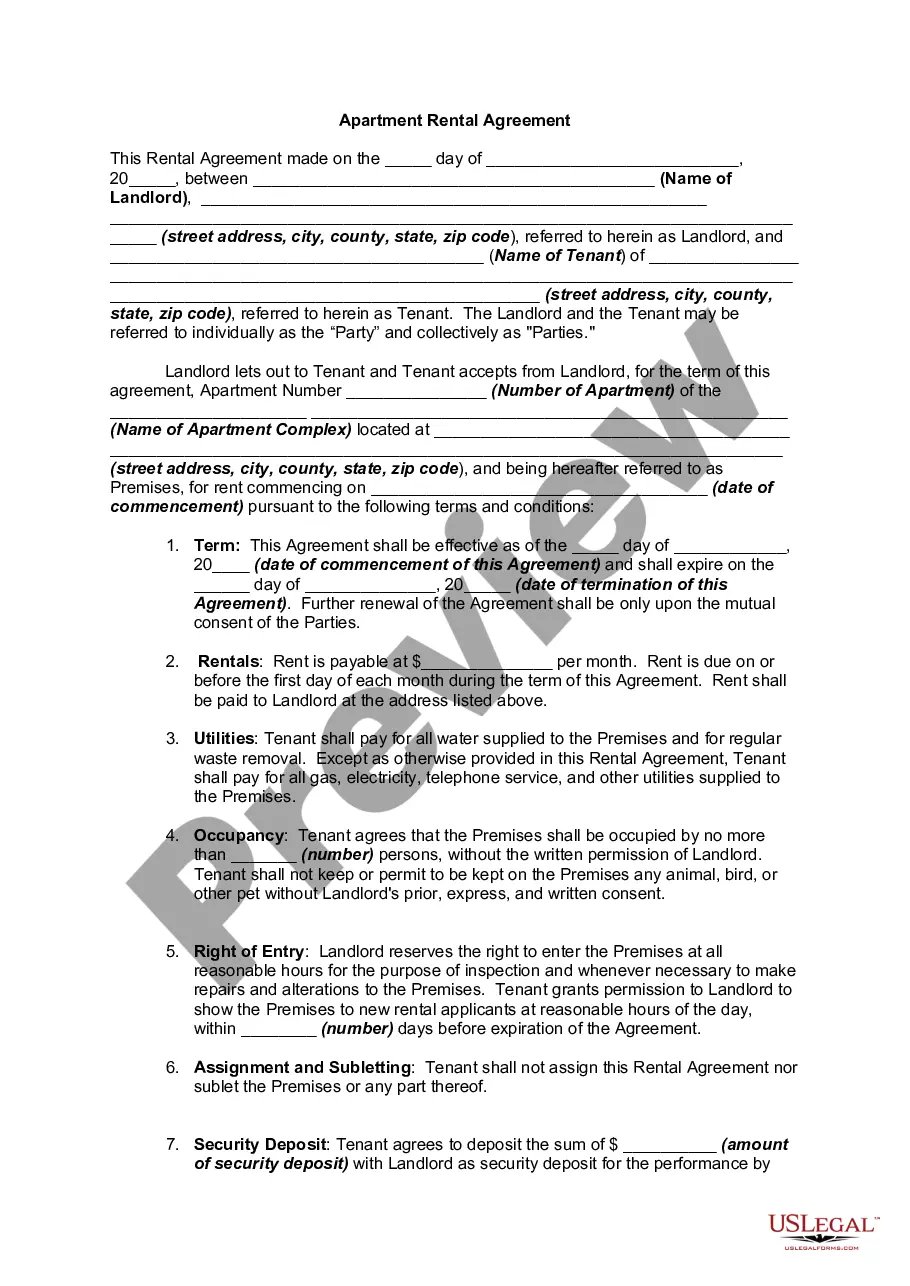
Filing For Homestead Exemption In Georgia In Suffolk
Description





Get your form ready online
Our built-in tools help you complete, sign, share, and store your documents in one place.
Make edits, fill in missing information, and update formatting in US Legal Forms—just like you would in MS Word.
Download a copy, print it, send it by email, or mail it via USPS—whatever works best for your next step.
Sign and collect signatures with our SignNow integration. Send to multiple recipients, set reminders, and more. Go Premium to unlock E-Sign.
If this form requires notarization, complete it online through a secure video call—no need to meet a notary in person or wait for an appointment.
We protect your documents and personal data by following strict security and privacy standards.

Make edits, fill in missing information, and update formatting in US Legal Forms—just like you would in MS Word.

Download a copy, print it, send it by email, or mail it via USPS—whatever works best for your next step.

Sign and collect signatures with our SignNow integration. Send to multiple recipients, set reminders, and more. Go Premium to unlock E-Sign.

If this form requires notarization, complete it online through a secure video call—no need to meet a notary in person or wait for an appointment.

We protect your documents and personal data by following strict security and privacy standards.
Looking for another form?


Form popularity
FAQ
You either: Own the home and plan to live there at least 6 months every year. - or - You own the home but live in a nursing home, hospital or extended care facility. You maintain your home, but you have not leased or rented it. -or- You own the home and are on active military duty.
A homestead property is a dwelling primarily used by an owner as his or her permanent home. The owner may be living temporarily at another location, but he or she must have the intention of returning to that home. No one can have more than one permanent home at any one time.
Basic Homestead Exemption: This is available to all homeowners who occupy their property as a primary residence. It offers a $2,000 reduction in the assessed value of your home. Senior Citizens Exemption: Homeowners aged 65 and older may qualify for additional reductions based on income.
Who Qualifies? You are considered a "natural person" (owner or claimant), and not a living trust, irrevocable trust, or other legal entity, such as a S corporation or LLC, etc. Your homestead is in Michigan (whether you rent or own). You were a Michigan Resident for at least 6 months of the year you are filing in.
No income limit. If you qualify for one of the other homestead exemptions listed and are age 65 or older as of January 1, you also qualify for an exemption from the State portion of ad valorem taxes in an amount equal to 100% of the value of your home and up to 10 acres of land.
Homestead Exemptions TypeQualificationAmount General Homestead-3 (GH-3) S.B. 342 Must reside at the property, be 62 or older, and have household Georgia taxable income under $60,000. This exemption took effect in 2017 and has expanded as of 2024. $25,00011 more rows
The Standard Homestead Exemption is available to all homeowners who otherwise qualify by ownership and residency requirements and it is an amount equal to $2,000 which is deducted from the 40% assessed value of the homestead property.
Homestead laws allow homeowners (and other property owners) to declare a portion of their real property as a "homestead" that cannot be taken by creditors. These laws are intended to prevent homelessness that may result from tough economic conditions, such as a foreclosure.
The Standard Homestead Exemption is available to all homeowners who otherwise qualify by ownership and residency requirements and it is an amount equal to $2,000 which is deducted from the 40% assessed value of the homestead property.
Homestead Exemption for 65+ Eligible taxpayers 65 years of age or over receive an exemption of $4,000 from all state and county property taxes. Through local option, counties may increase the amount of the exemption.