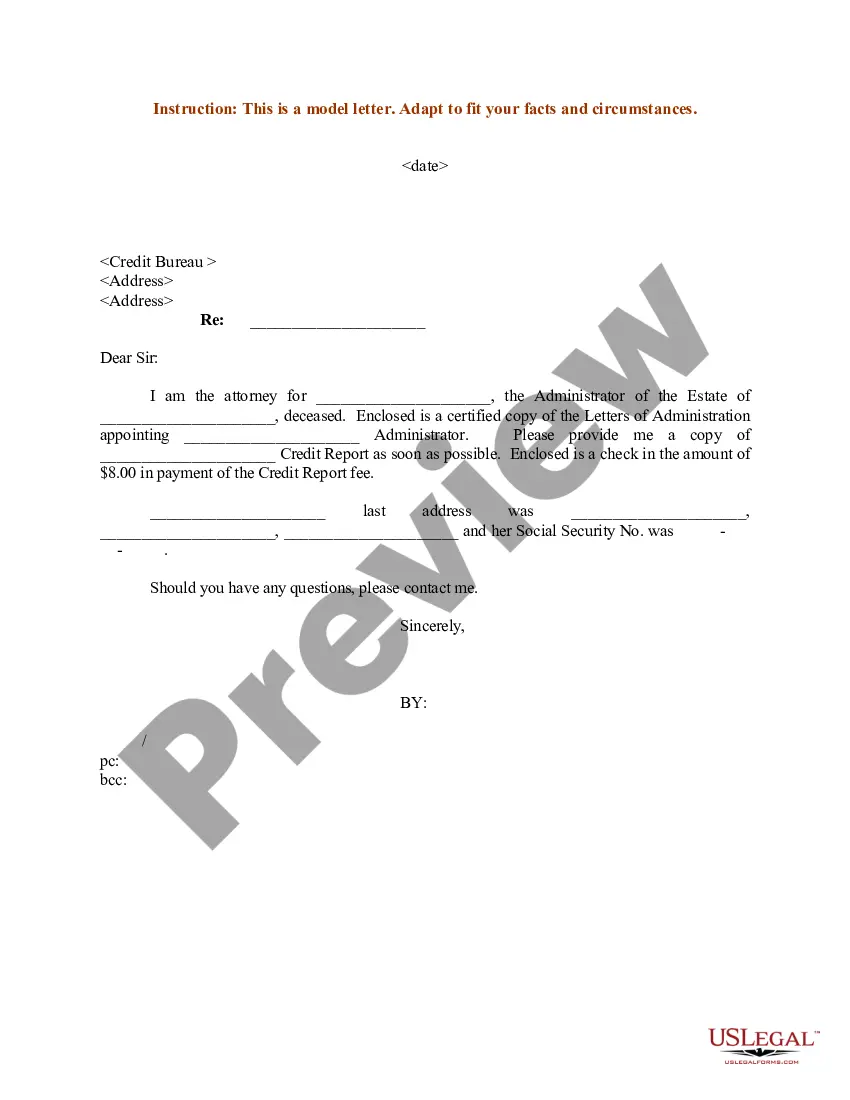
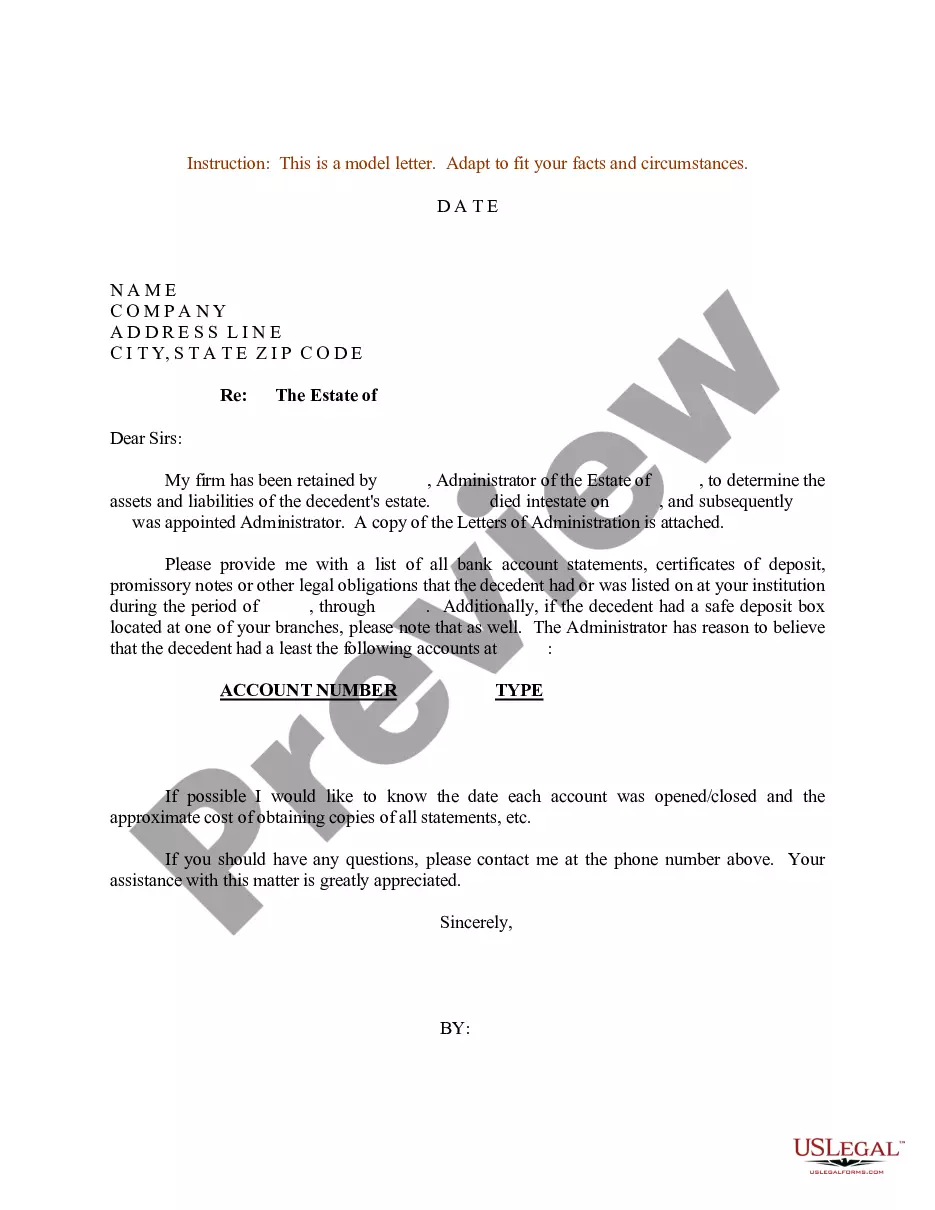
Date Of Death Balance Letter Format In Allegheny
Description



Get your form ready online
Our built-in tools help you complete, sign, share, and store your documents in one place.
Make edits, fill in missing information, and update formatting in US Legal Forms—just like you would in MS Word.
Download a copy, print it, send it by email, or mail it via USPS—whatever works best for your next step.
Sign and collect signatures with our SignNow integration. Send to multiple recipients, set reminders, and more. Go Premium to unlock E-Sign.
If this form requires notarization, complete it online through a secure video call—no need to meet a notary in person or wait for an appointment.
We protect your documents and personal data by following strict security and privacy standards.
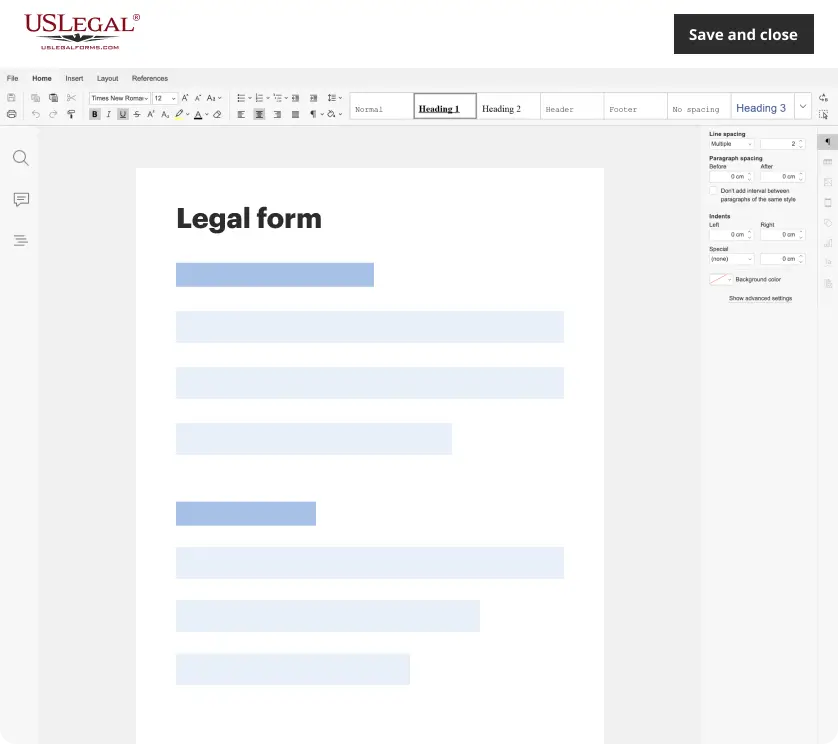
Make edits, fill in missing information, and update formatting in US Legal Forms—just like you would in MS Word.
Download a copy, print it, send it by email, or mail it via USPS—whatever works best for your next step.
Sign and collect signatures with our SignNow integration. Send to multiple recipients, set reminders, and more. Go Premium to unlock E-Sign.

If this form requires notarization, complete it online through a secure video call—no need to meet a notary in person or wait for an appointment.
We protect your documents and personal data by following strict security and privacy standards.
Looking for another form?
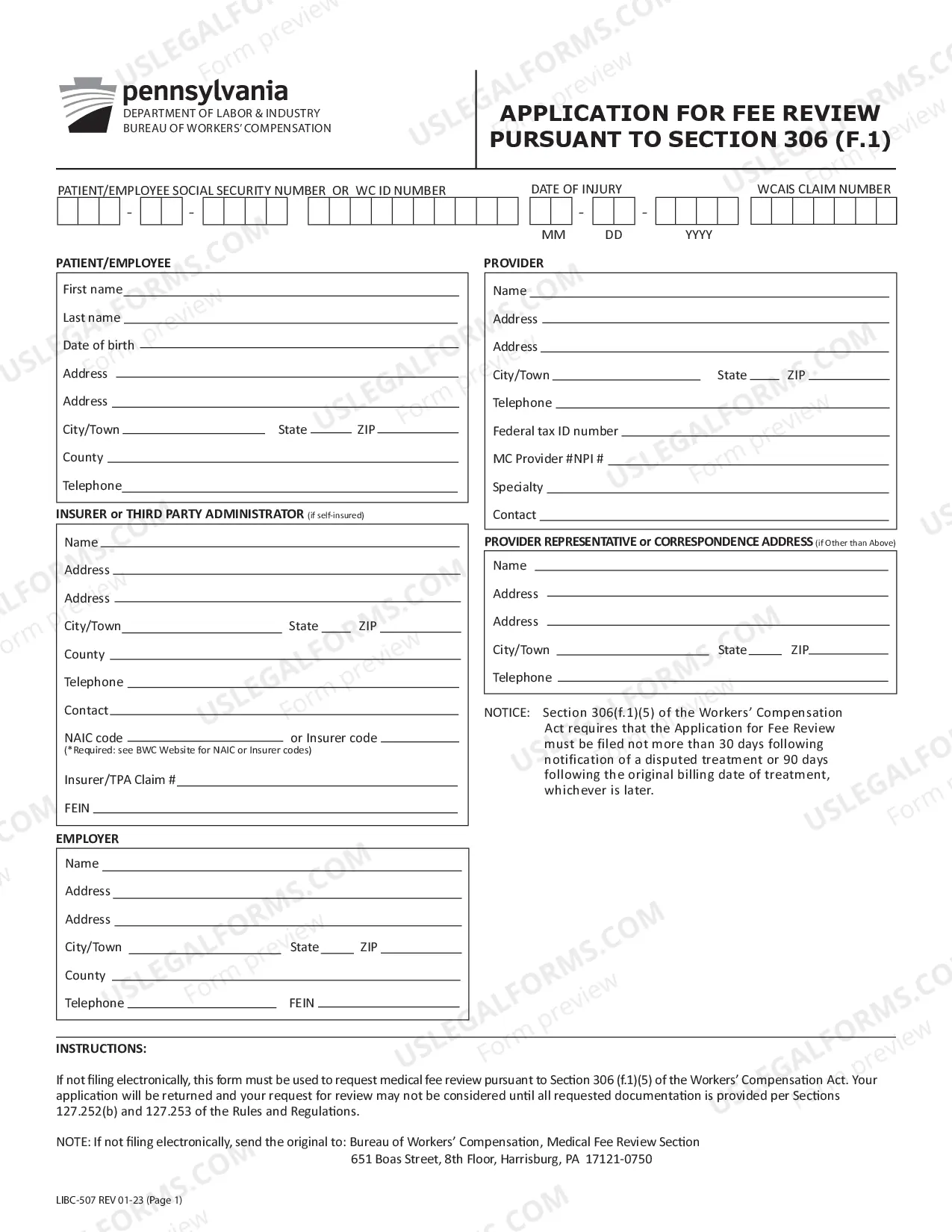
Form popularity
FAQ
A date of death valuation is a snapshot of how much a person's home or property was worth on the day they died. This value is important for legal procedures like settling the estate, figuring out taxes, and making sure everything is divided fairly among heirs and/or beneficiaries.
For publicly traded securities, the date-of-death value is typically the mean of the highest and lowest quoted selling prices on the date of death.
A date of death value letter provides account balance information on the date the account owner passed away. The date of death letter may only be requested by the decedent account's authorized representative: joint account owner, payable on death beneficiary, executor, estate administrator, or small estate beneficiary.
A transfer on death, or TOD, is a designation that allows assets to pass directly to a beneficiary after they die. The account owner specifies the percentage of assets each beneficiary receives, allowing their executor to distribute without first passing through probate.
A date of death value letter provides account balance information on the date the account owner passed away. The date of death letter may only be requested by the decedent account's authorized representative: joint account owner, payable on death beneficiary, executor, estate administrator, or small estate beneficiary.
Overview of Washington State Small Estate Affidavit The eligible heirs are the surviving spouse, registered domestic partner, and children of the deceased. Each heir must fill out a separate affidavit for his or her respective claims.
First, you must wait at least 40 days after your loved one has died before submitting the affidavit. Second, you are required to mail a copy of the affidavit, along with the decedent's social security number, to DSHS's Office of Financial Recovery, whose address is currently: P.O. Box 9501, Olympia, WA 98507-9501.
You will have to submit a petition for grant of letters, submit a copy of the Will if there is one, and swear an oath to administer the estate ing to law. A short certificate comes with a seal from the County, and it also acts as an order to all third parties to turn over assets.
To qualify for a small estate affidavit in New York, the total value of the deceased person's estate must be $50,000 or less, excluding real property like land or buildings. If the decedent owned real estate, the small estate procedure isn't an option. Instead, a formal probate process may be required.
Obtain a blank small estate affidavit form. In most cases, you can find it by visiting the probate court website. Note that this should be the court located in the county in which the decedent lived.
