Letter To Close Deceased Bank Account In Dallas

State:
Multi-State
County:
Dallas
Control #:
US-0034LTR
Format:
Word; 
Rich Text
Instant download

Description

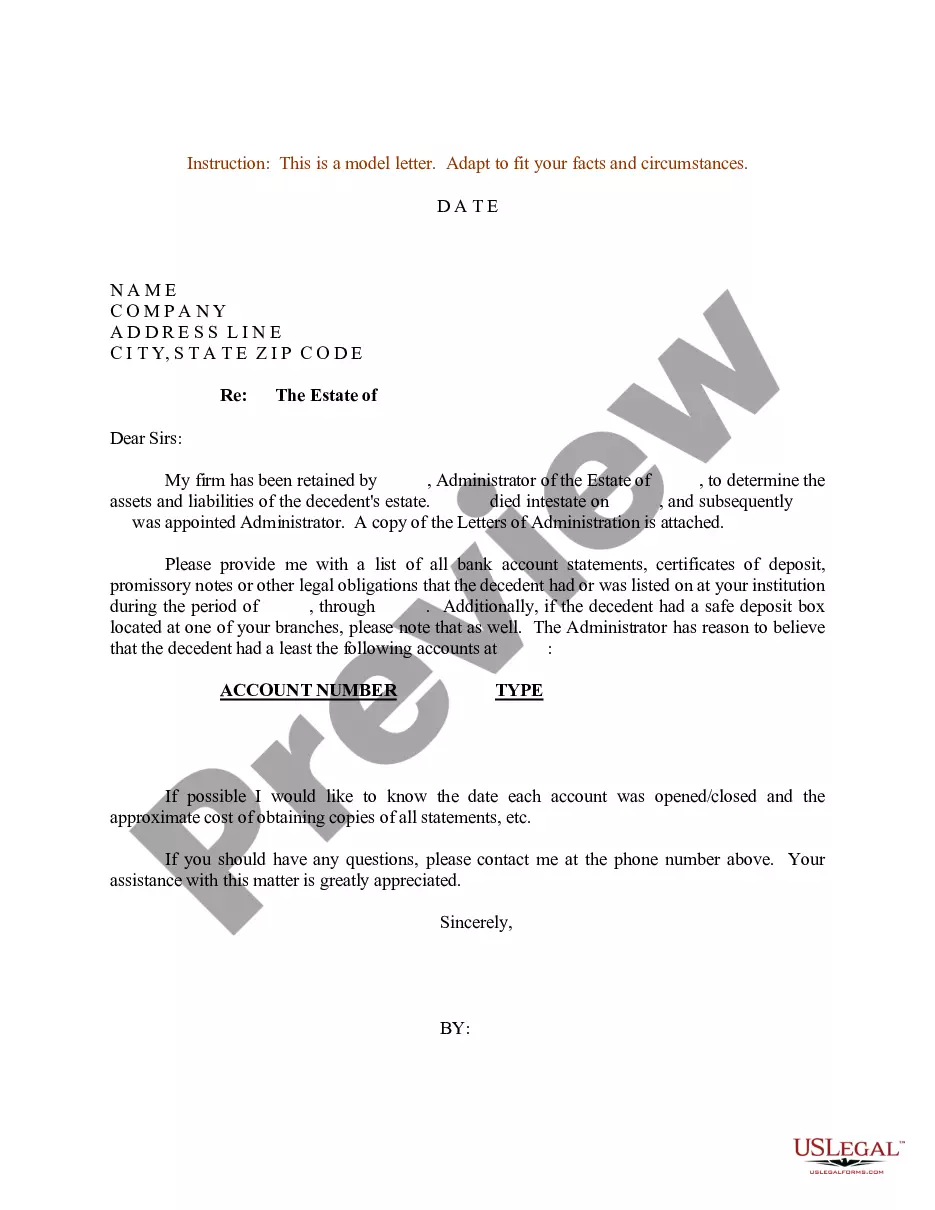
The Letter to close deceased bank account in Dallas is a formal document used to notify a bank of an individual's death and request the closure of their accounts. This letter is typically prepared by an attorney or a designated administrator of the deceased's estate to facilitate the administration process. Key features include the inclusion of the decedent's details, account information, and a request for a summary of the deceased's financial assets and liabilities held at the bank. The letter should be customized to reflect the specific circumstances of the deceased and the administrator involved. Users should ensure that the correct dates and account numbers are included when filling out the letter. Additionally, attaching proof of administration, such as the Letters of Administration, is essential for validation. This form is particularly useful for attorneys, paralegals, and legal assistants involved in estate management, as it streamlines communication with financial institutions and helps in the efficient settlement of the decedent's estate. Additionally, it provides clarity on the status of the deceased's bank accounts, which can be crucial for estate planning and distribution purposes.
Free preview
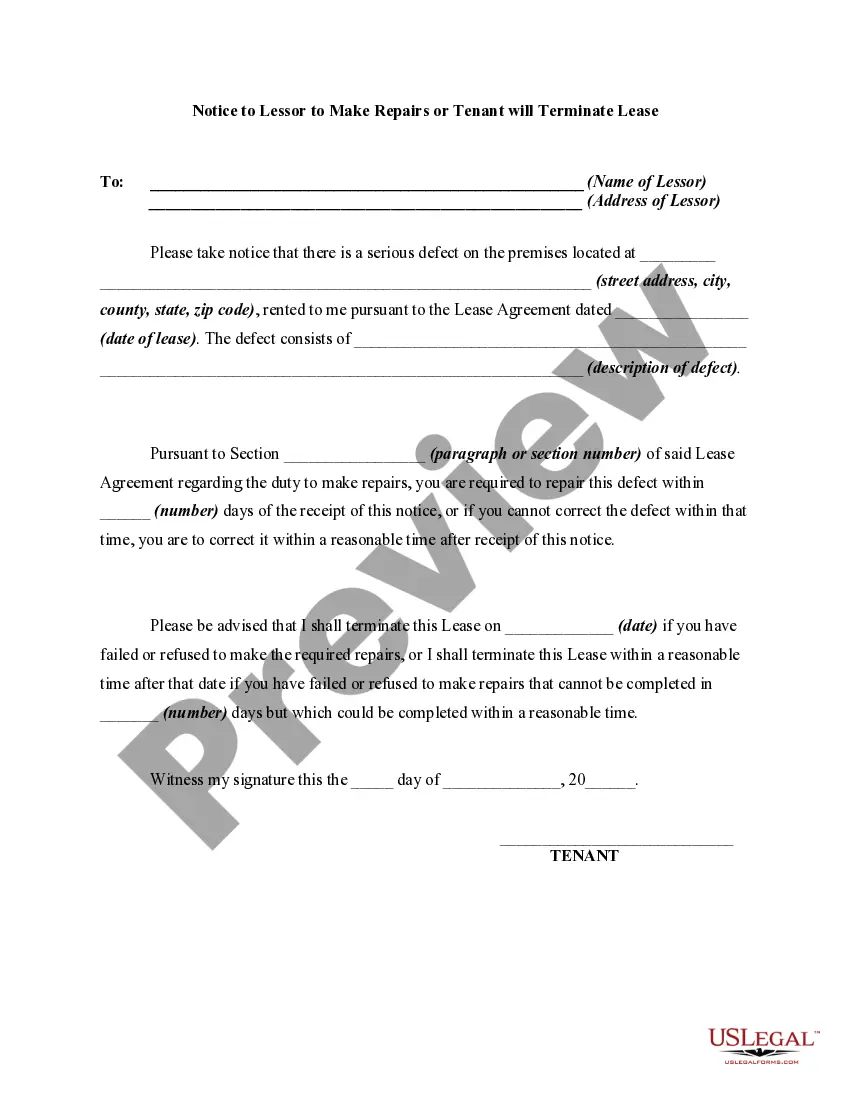
  • Preview Sample Letter to Bank concerning Accounts of Decedent
  • Preview Sample Letter to Bank concerning Accounts of Decedent

Form popularity

FAQ

Respected Sir/Madam, I am writing to you with a heavy heart to inform you of the demise of my husband, Mr. Rajeev Singh, who had a savings account in your esteemed bank. It is a difficult time for our family, and I need to settle his financial affairs.

Your valid ID, such as a state-issued driver's license or ID card, U.S. passport, or military ID. Proof of death, such as certified copies of the death certificate. Documentation about the account and its owner, including the deceased's full legal name, Social Security number, and the bank account number.

The beneficiary generally does not need to hire a lawyer or file anything in court to access the funds. They should be able to simply present the bank with proof of the death (e.g. a death certificate) as well as proof of their own identity, and the bank should release the funds directly to them.

If there's no will, the bank could ask for evidence of your relationship to the deceased. You'll also need the death certificate. When you've registered the death, you will be issued with a death certificate. This will act as formal notification for the bank to begin closing the account.

If there's no will, the bank could ask for evidence of your relationship to the deceased. You'll also need the death certificate. When you've registered the death, you will be issued with a death certificate. This will act as formal notification for the bank to begin closing the account.

Trusted and secure by over 3 million people of the world’s leading companies

Letter To Close Deceased Bank Account In Dallas