Credit Letter Example For Business In Nassau
Description

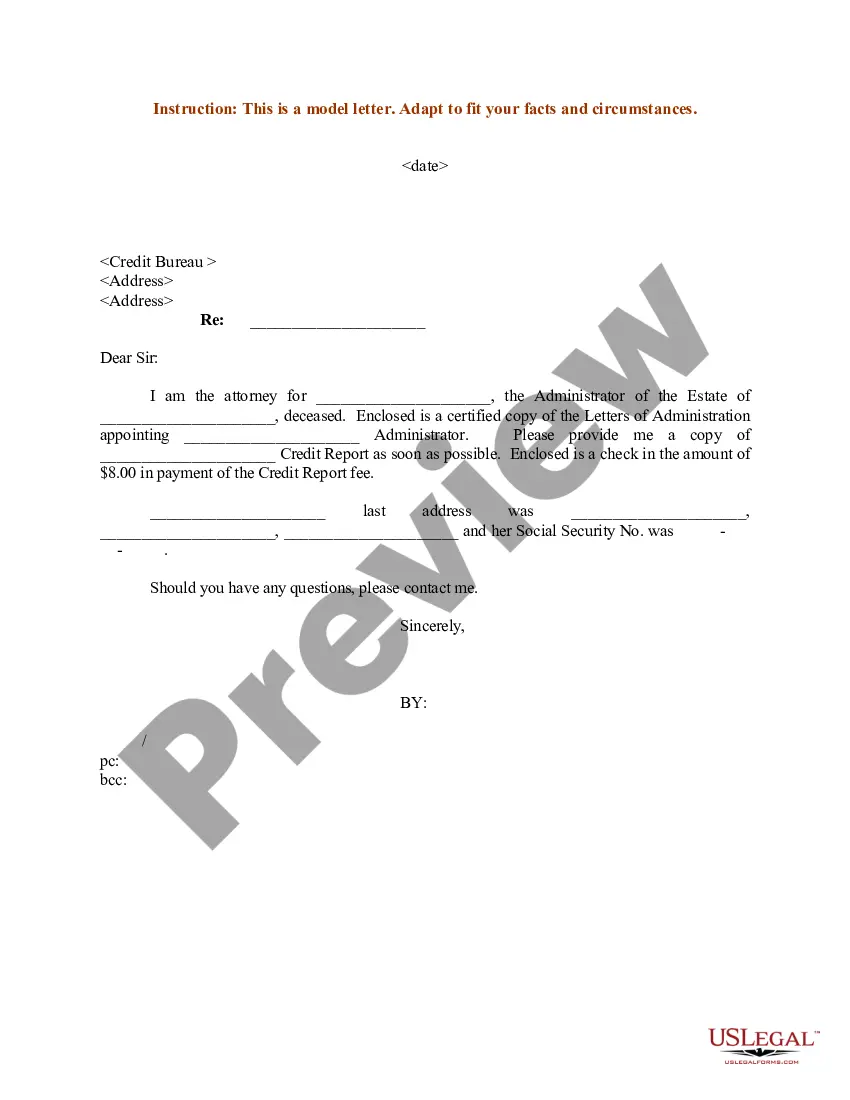
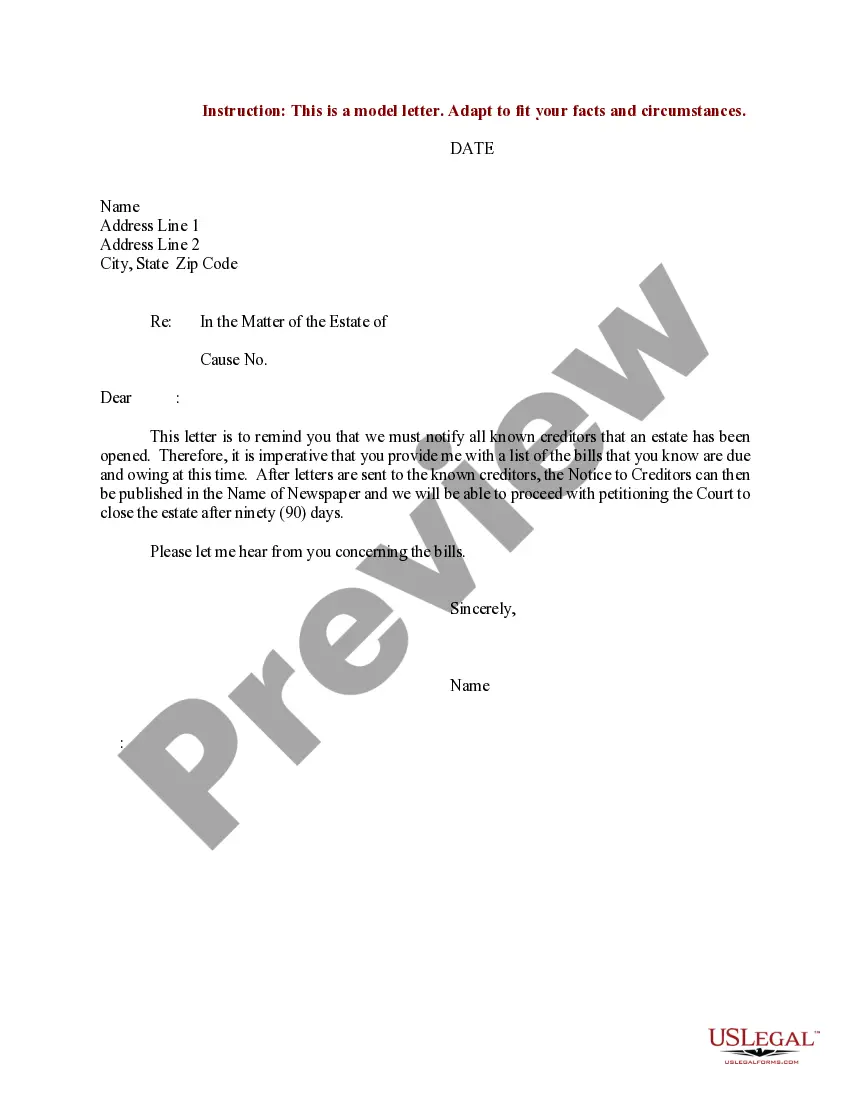
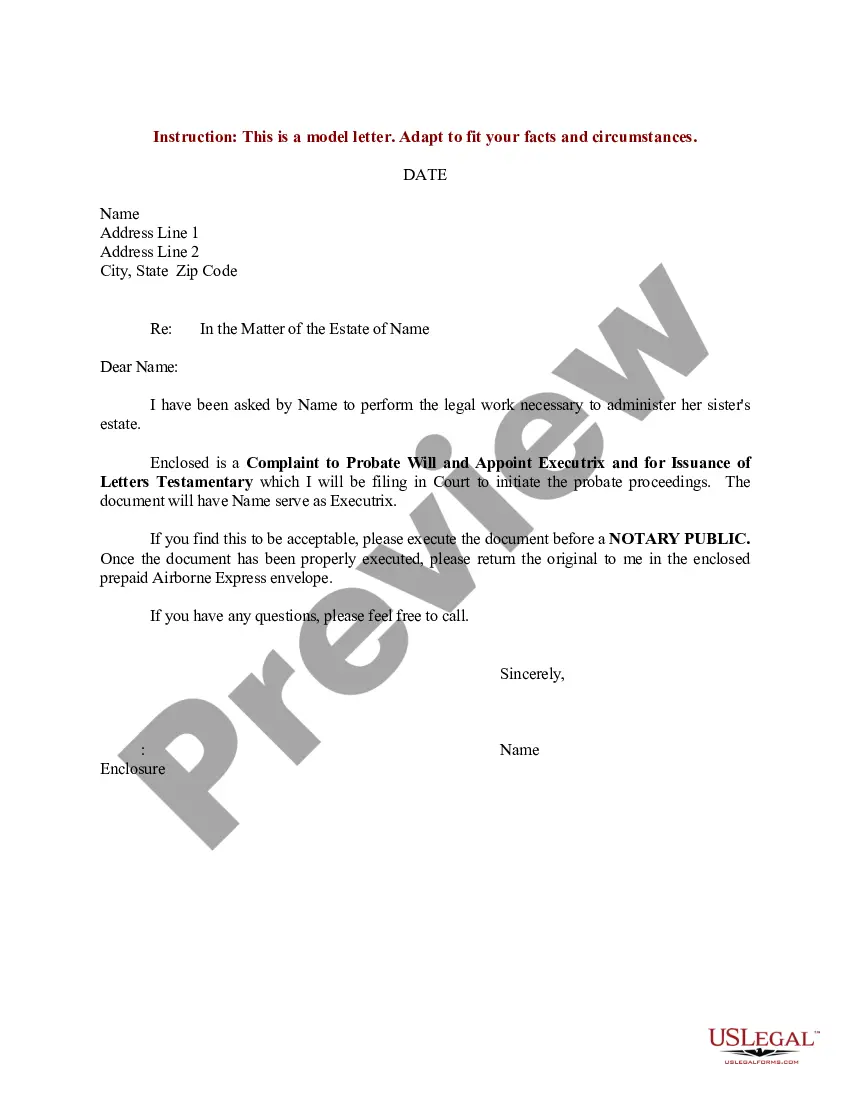
Get your form ready online
Our built-in tools help you complete, sign, share, and store your documents in one place.
Make edits, fill in missing information, and update formatting in US Legal Forms—just like you would in MS Word.
Download a copy, print it, send it by email, or mail it via USPS—whatever works best for your next step.
Sign and collect signatures with our SignNow integration. Send to multiple recipients, set reminders, and more. Go Premium to unlock E-Sign.
If this form requires notarization, complete it online through a secure video call—no need to meet a notary in person or wait for an appointment.
We protect your documents and personal data by following strict security and privacy standards.

Make edits, fill in missing information, and update formatting in US Legal Forms—just like you would in MS Word.

Download a copy, print it, send it by email, or mail it via USPS—whatever works best for your next step.

Sign and collect signatures with our SignNow integration. Send to multiple recipients, set reminders, and more. Go Premium to unlock E-Sign.

If this form requires notarization, complete it online through a secure video call—no need to meet a notary in person or wait for an appointment.

We protect your documents and personal data by following strict security and privacy standards.
Looking for another form?
Form popularity
FAQ
What is a Letter of Credit? A Letter of Credit (LC) is a financial instrument used in international trade to provide payment security. It guarantees that the seller will receive payment from the buyer, as long as the seller fulfils the agreed-upon terms and conditions.
Gather the Necessary Information Identify the issuing bank and the beneficiary. Ensure that the terms of the letter of credit are within the issuing bank's credit limits. Confirm the credit amount, currency, and expiration date. Identify the goods or services to be provided.
A letter of credit is a document sent from a bank or financial institution that guarantees that a seller will receive a buyer's payment on time and for the full amount. Letters of credit are often used within the international trade industry.
| 3 min read. A Letter of Credit (LC) is a document that guarantees the buyer's payment to the sellers. It is issued by a bank and ensures timely and full payment to the seller. If the buyer is unable to make such a payment, the bank covers the full or the remaining amount on behalf of the buyer.
Nature of guarantee: A bank guarantee provides a safety net for losses, whereas a letter of credit assures payment upon fulfilling specific conditions. Usage: Bank guarantees are often used in contracts as a performance safety, whereas letters of credit are primarily used in trade finance to ensure payment for goods.
Key Takeaways. A limited company (LC) is a general term for a type of business organization wherein owners' assets and income are separate and distinct from the company's assets and income; known as limited liability.
Issuing Bank Contact the issuing bank and obtain the letter of credit form. Fill out the form with the necessary information, such as the applicant and the beneficiary. Submit the form to the issuing bank, along with any other requested documents. Wait for the issuing bank to approve the letter of credit.
Example: An Indian exporter receives an export LC from his overseas client in the Netherlands. The Indian exporter approaches his banker with a request to issue an LC in favour of his local supplier of raw materials. The bank issues an LC backed by the export LC.
In summary, documentary credits (also known as letters of credit) are: Are arrangements by banks for settling international commercial transactions. Provide a form of security for the parties involved. Ensure payment provided that the terms and conditions of the credit have been fulfilled.
A Letter of Credit, commonly known as LC, is a formal document issued by a bank or financial institution. Its primary purpose is to ensure payment on behalf of the buyer to the seller in a business transaction.

