Patent Trademark Meaning In Wake
Description



Get your form ready online
Our built-in tools help you complete, sign, share, and store your documents in one place.
Make edits, fill in missing information, and update formatting in US Legal Forms—just like you would in MS Word.
Download a copy, print it, send it by email, or mail it via USPS—whatever works best for your next step.
Sign and collect signatures with our SignNow integration. Send to multiple recipients, set reminders, and more. Go Premium to unlock E-Sign.
If this form requires notarization, complete it online through a secure video call—no need to meet a notary in person or wait for an appointment.
We protect your documents and personal data by following strict security and privacy standards.

Make edits, fill in missing information, and update formatting in US Legal Forms—just like you would in MS Word.

Download a copy, print it, send it by email, or mail it via USPS—whatever works best for your next step.

Sign and collect signatures with our SignNow integration. Send to multiple recipients, set reminders, and more. Go Premium to unlock E-Sign.

If this form requires notarization, complete it online through a secure video call—no need to meet a notary in person or wait for an appointment.

We protect your documents and personal data by following strict security and privacy standards.
Looking for another form?

Form popularity
FAQ
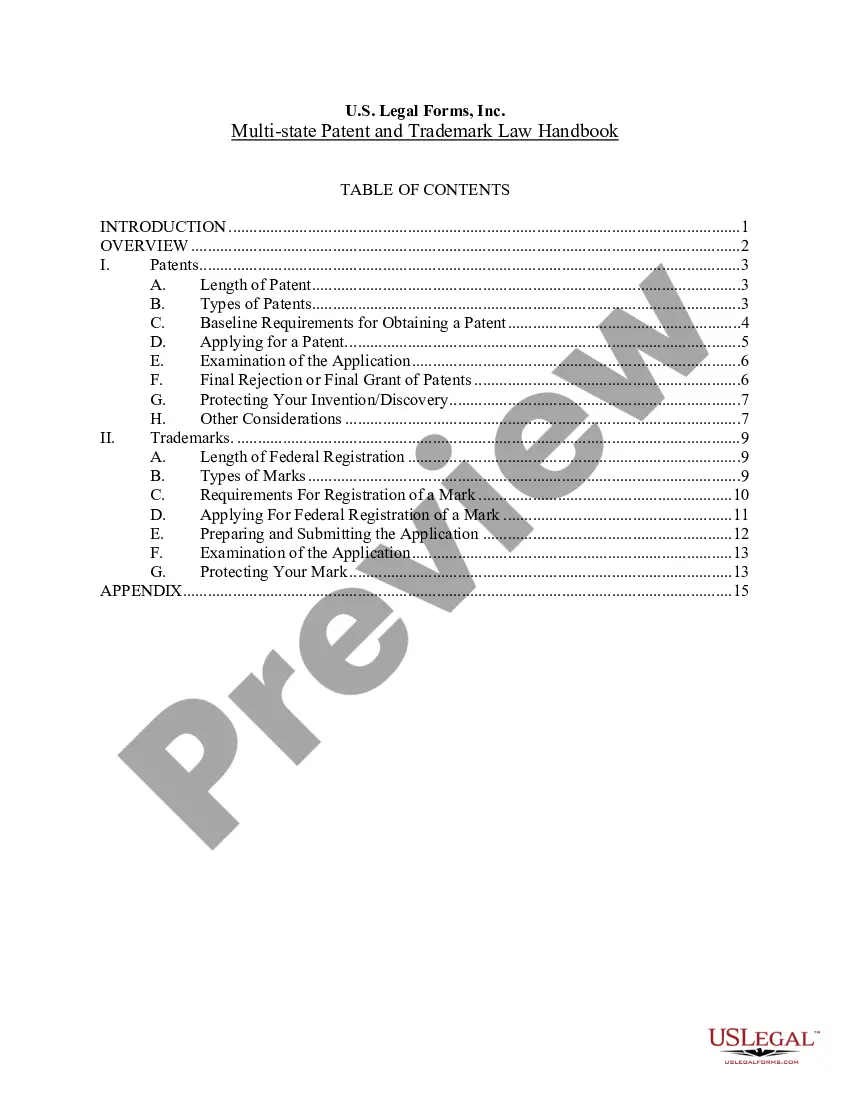
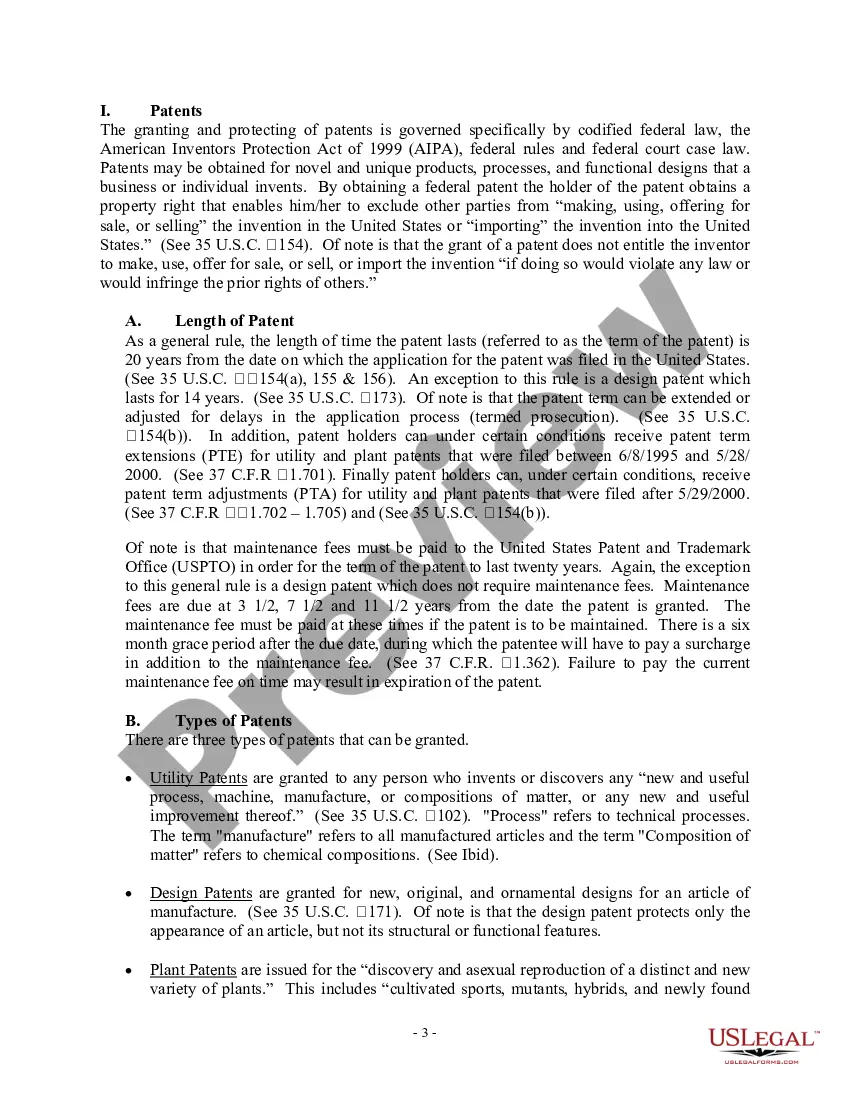
You cannot patent a phrase! Patents are used to protect inventions and novel and non-obvious processes, machines, or compositions of matter. Phrases, on the other hand, typically fall under trademark protection.
Trademark process Step 1: Is a trademark application right for you? ... Step 2: Get ready to apply. Step 3: Prepare and submit your application. Step 4: Work with the assigned USPTO examining attorney. Step 5: Receive approval/denial of your application. Step 6: Maintain your registration.
Length of Protection: Patents are granted for a limited time (typically 20 years), while trademarks can last indefinitely if used continuously and maintained properly. Who They Protect: Patents protect the rights of inventors, while trademarks protect the reputation and goodwill of a business.
The first step is to conduct a trademark phrase search to be sure that the phrase you intend to use is not already trademarked. This can be done online through the USPTO's Trademark Electronic Search System (TESS). The next step is to complete and file a trademark application.
Trademarks, patents, copyrights, domain names, and business name registrations all differ, so it is important to learn whether a trademark is appropriate for you. A trademark typically protects brand names and logos used on goods and services. A patent protects an invention.
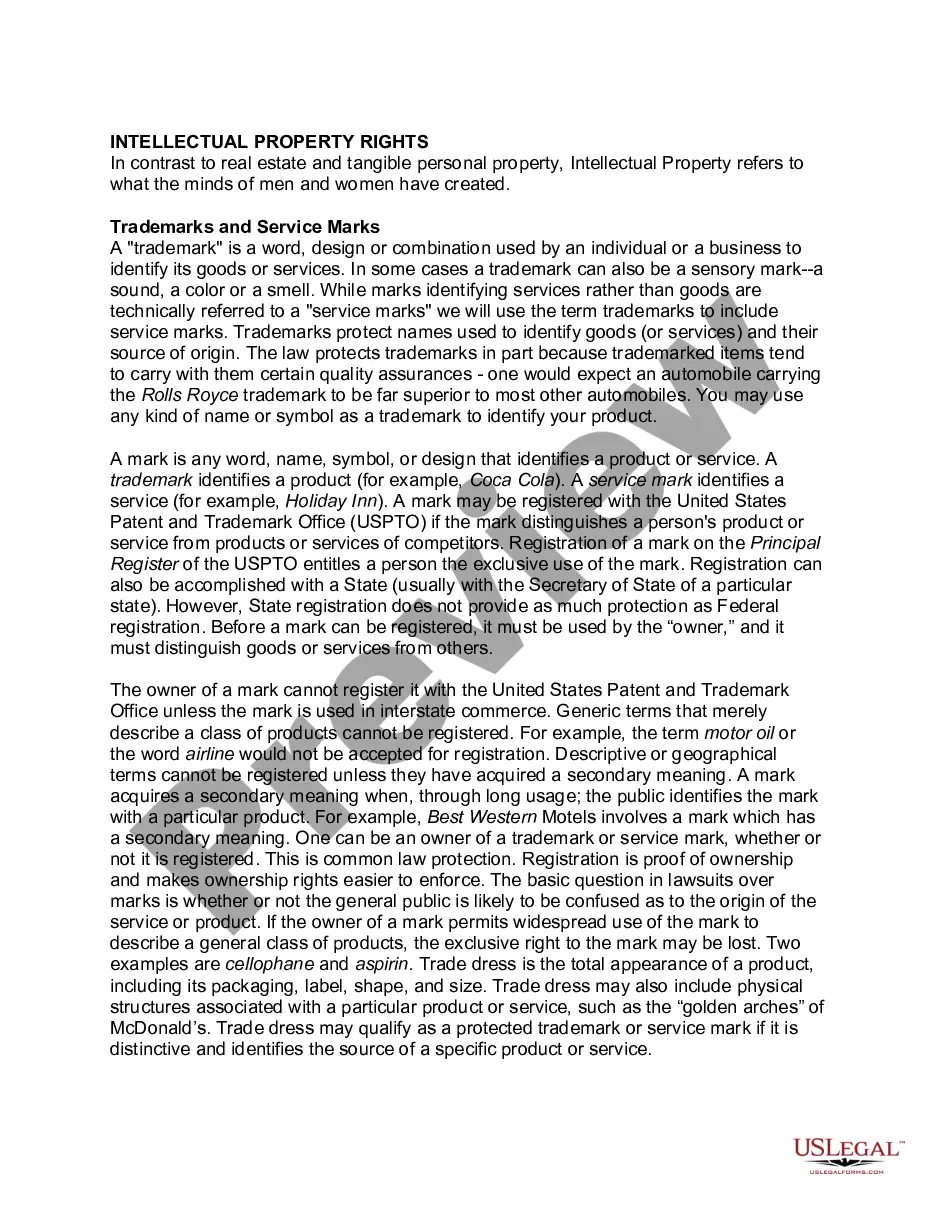
A trademark (or trade mark) is a way for a business to help people identify the products that the business makes from the products made by another business. A trademark can be a name, word, phrase, symbol, logo, design, or picture. It can only be used on things made by the business that owns the trademark.
Patents are intended to protect inventions of a functional or design nature. Trademarks provide protection for indicators of the source of products and services used in commercial trade, such as words or logos. Copyrights provide protection for literary and artistic expressions.
A patent protects new inventions, processes, or scientific creations, a trademark protects brands, logos, and slogans, and a copyright protects original works of authorship.
Trademark process Step 1: Is a trademark application right for you? ... Step 2: Get ready to apply. Step 3: Prepare and submit your application. Step 4: Work with the assigned USPTO examining attorney. Step 5: Receive approval/denial of your application. Step 6: Maintain your registration.
In addition, you acknowledge that the Site itself is protected by copyright law. You further acknowledge that Coca Cola owns the trademarks “Coca Cola”, “Coke” and all associated Coca Cola trade names, service marks and logos. All other trademarks used on the Site are the property of their respective owners.