Corporate Resolution With Raised Seal In Montgomery
Description



Get your form ready online
Our built-in tools help you complete, sign, share, and store your documents in one place.
Make edits, fill in missing information, and update formatting in US Legal Forms—just like you would in MS Word.
Download a copy, print it, send it by email, or mail it via USPS—whatever works best for your next step.
Sign and collect signatures with our SignNow integration. Send to multiple recipients, set reminders, and more. Go Premium to unlock E-Sign.
If this form requires notarization, complete it online through a secure video call—no need to meet a notary in person or wait for an appointment.
We protect your documents and personal data by following strict security and privacy standards.

Make edits, fill in missing information, and update formatting in US Legal Forms—just like you would in MS Word.

Download a copy, print it, send it by email, or mail it via USPS—whatever works best for your next step.

Sign and collect signatures with our SignNow integration. Send to multiple recipients, set reminders, and more. Go Premium to unlock E-Sign.

If this form requires notarization, complete it online through a secure video call—no need to meet a notary in person or wait for an appointment.

We protect your documents and personal data by following strict security and privacy standards.
Looking for another form?
Form popularity
FAQ
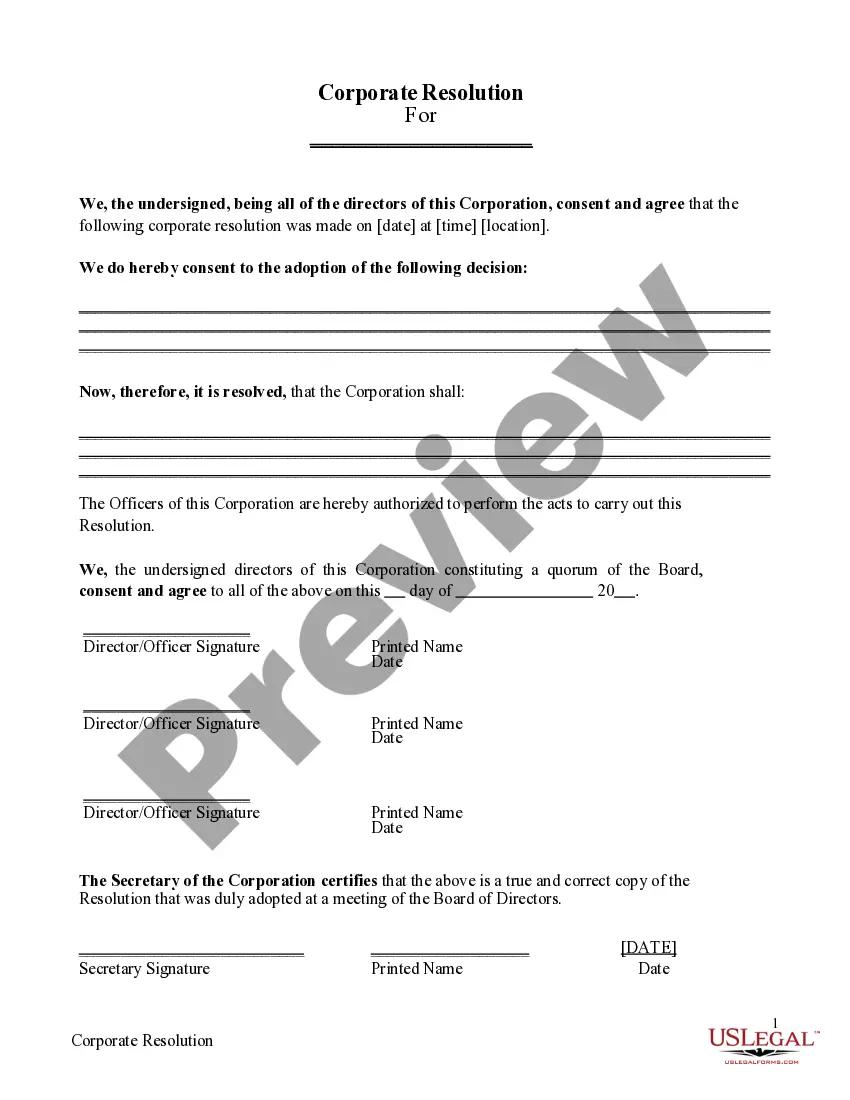
Guidelines for Valid Corporate Resolutions. The certification must bear an original signature by an officer of the corporation, (preferably the secretary), and this signature must be someone other than the person who signed the RFP, RFQ, RFI, etc.
There are alternatives to a corporate seal for official documentation. ing to state corporation laws, authorized signatures, digital signatures, or embossed stamps can be used as substitutes. These alternatives have legal validity and are recognized as acceptable alternatives to a traditional company seal.
Since the legal requirement for seals was abolished in 1989, we don't see them around much anymore. However, some businesses still like to use them, especially if they are conducting business abroad or if they wish to exude an air of old-world authority.
In California, the decision to use a corporate seal is entirely optional, as it is not a legal requirement for businesses. ing to California Corporations Code section 207(a), corporations have the flexibility to adopt, use, and even alter a corporate seal as they see fit.
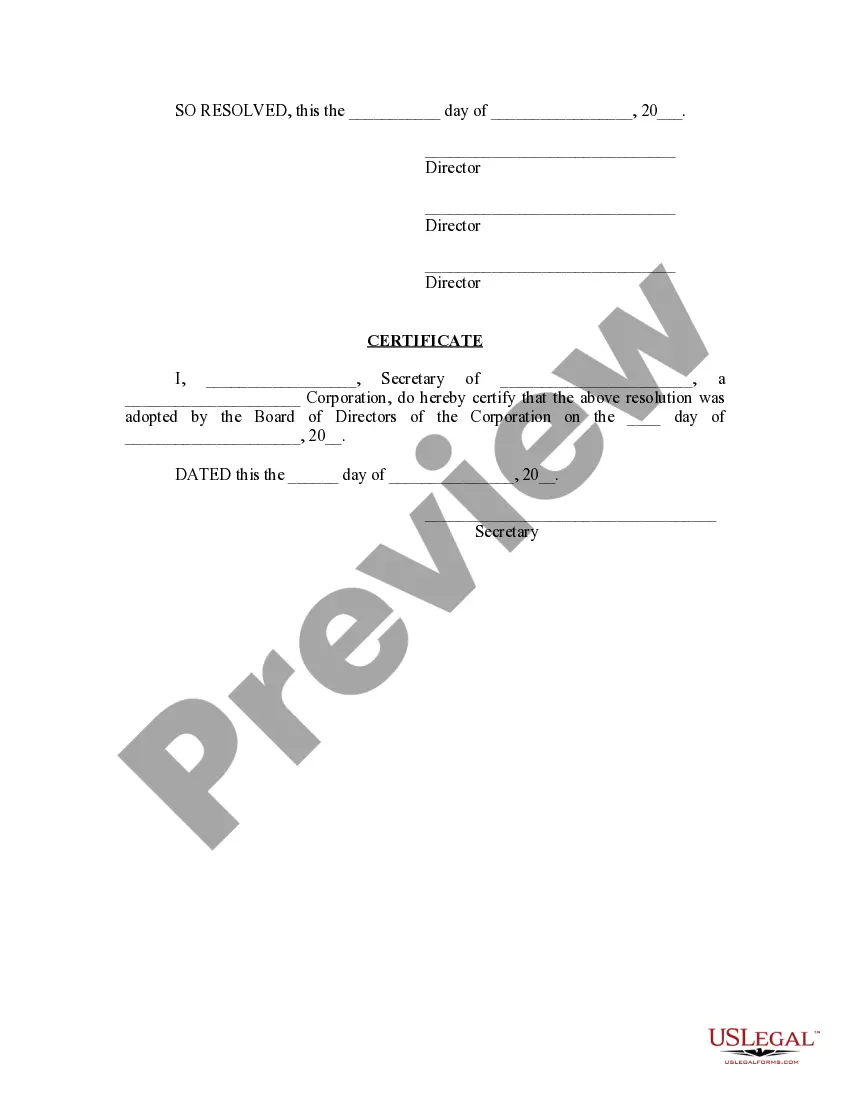
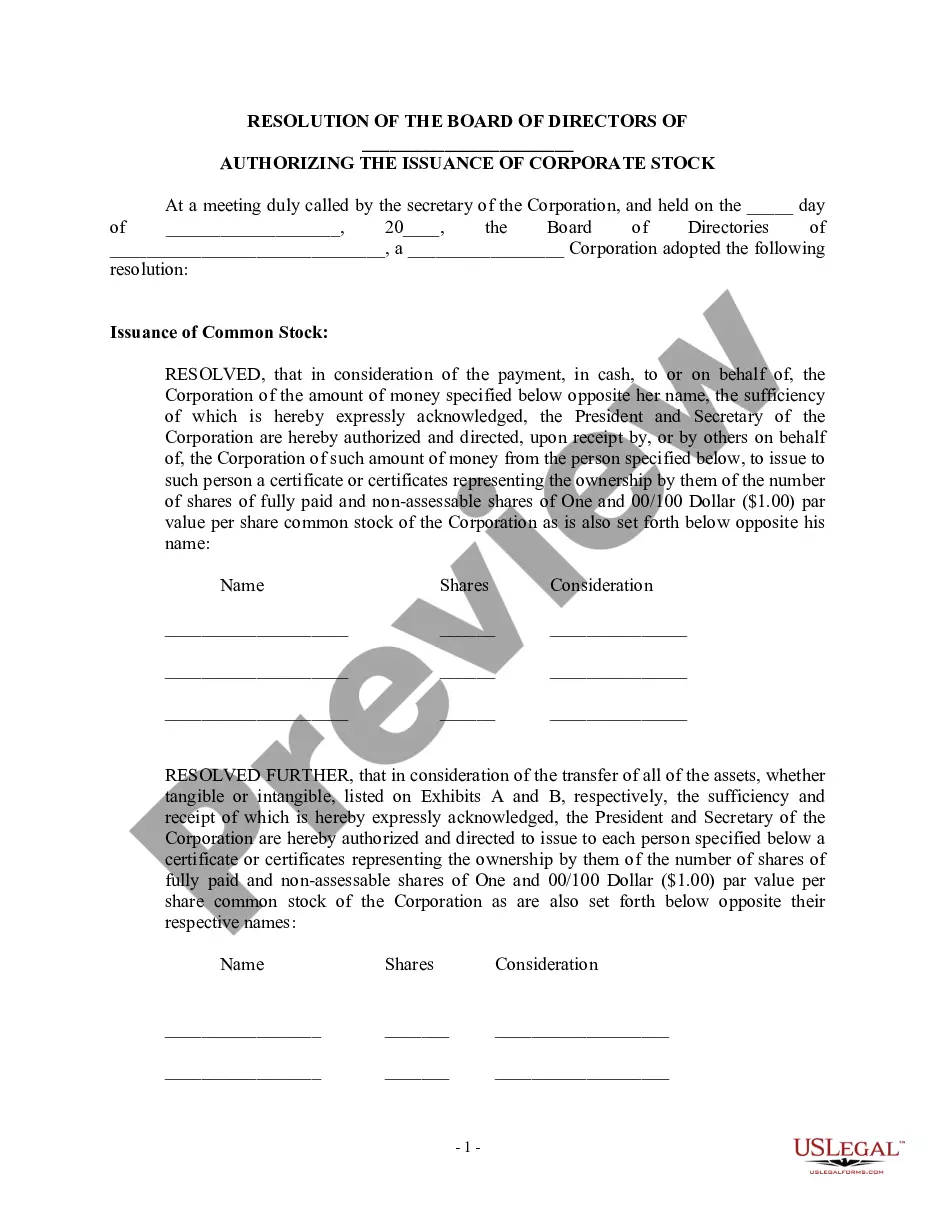
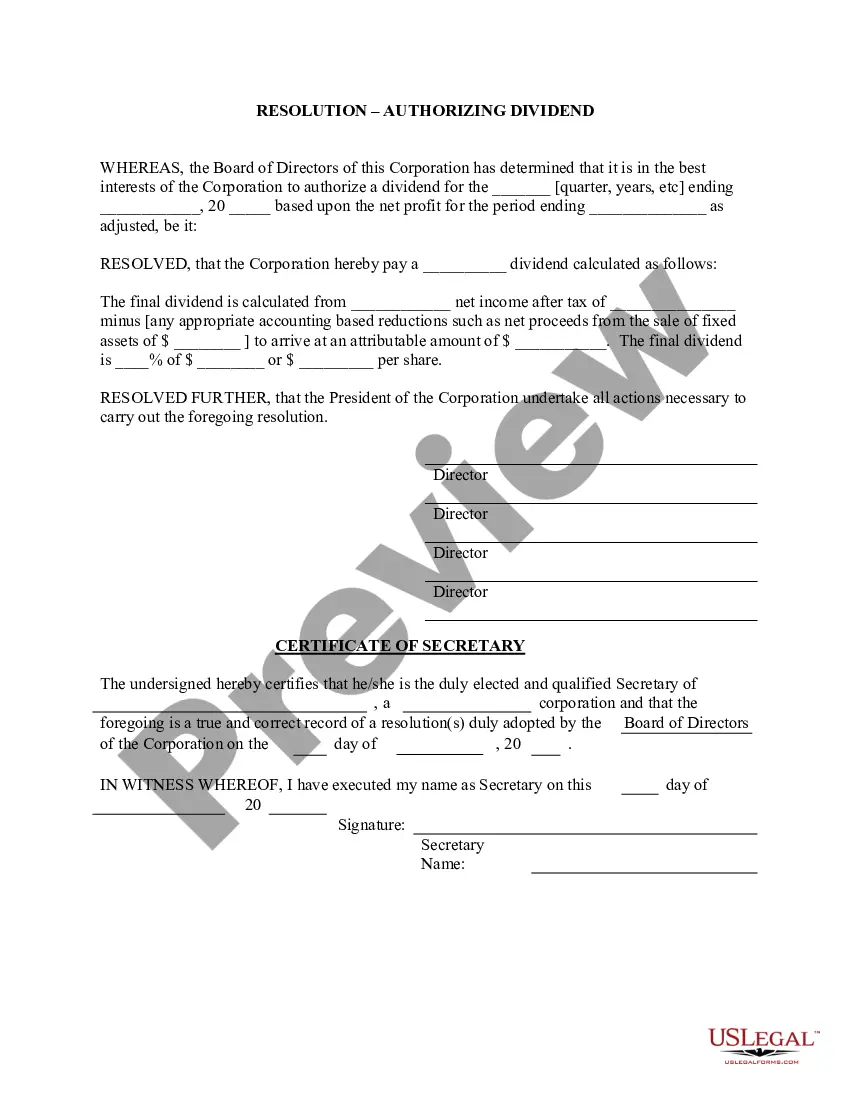
A corporate resolution is a legal business document created and written by a board of directors that describes and declares major corporate decisions. This document may explain who is legally allowed to sign contracts, prepare assignments, sell real estate or determine other decisions related to business transactions.
A corporate resolution document does not need to be notarized, although if it involves other transactions then those might have to be notarized. Once the document has been signed off and dated by the chairperson, vice-chairperson, corporate treasurer, and secretary, it becomes a binding document.
Corporate resolution (also known as a board resolution) is a written legal document, issued by the board of directors of a corporation, documenting a binding decision made on behalf of the corporation.
State corporation statutes continue to authorize corporations to adopt and use corporate seals. But do you really need one for your company? In California and New York, the answer is clearly “no.”
Authorizing Resolution means a resolution adopted by the Board of Directors or by an Officer or committee of Officers pursuant to Board delegation authorizing a Series of Securities. An Authorizing Resolution shall be so adopted by both the Company and the Guarantor.
It serves as a documented record of the board's actions and decisions, outlining their commitments, approvals, or directives. Corporate resolutions are pivotal in ensuring a company's decisions are both legally sound and well-documented, especially when articles of association are concerned.
