Accounts Receivable Contract With Aging Excel Template In San Diego
Description

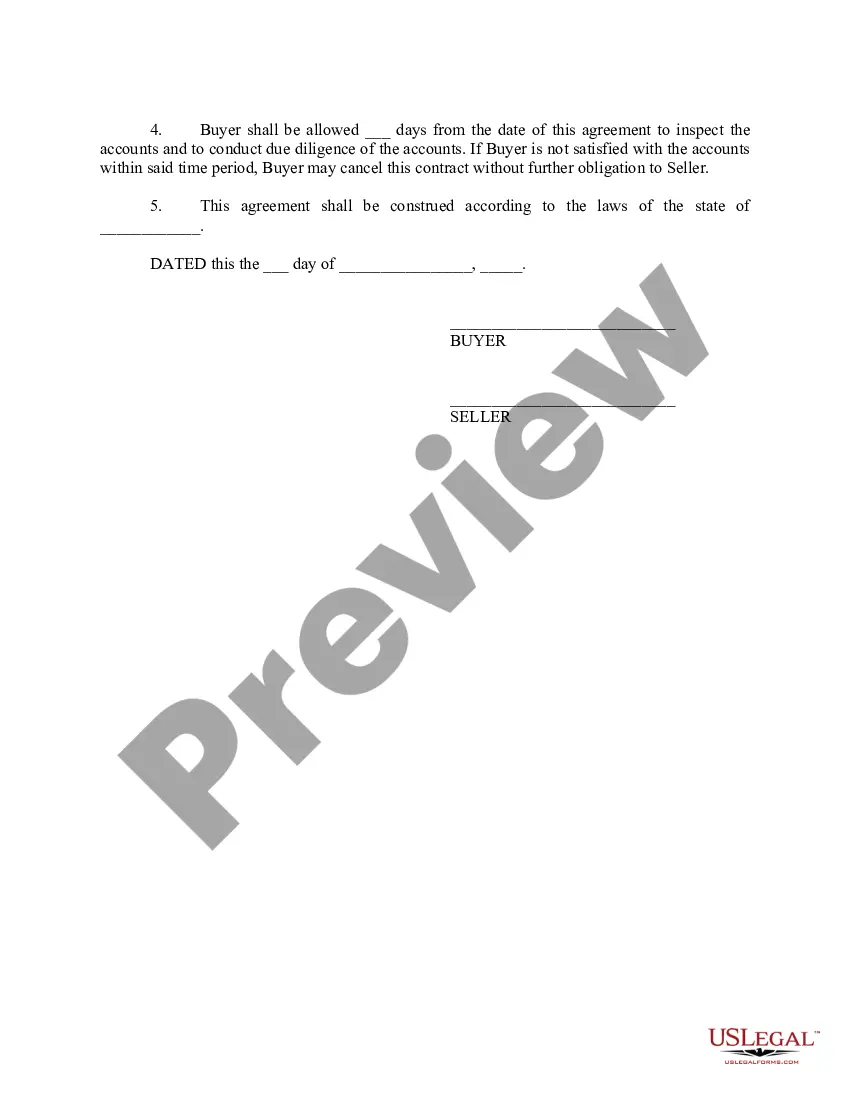

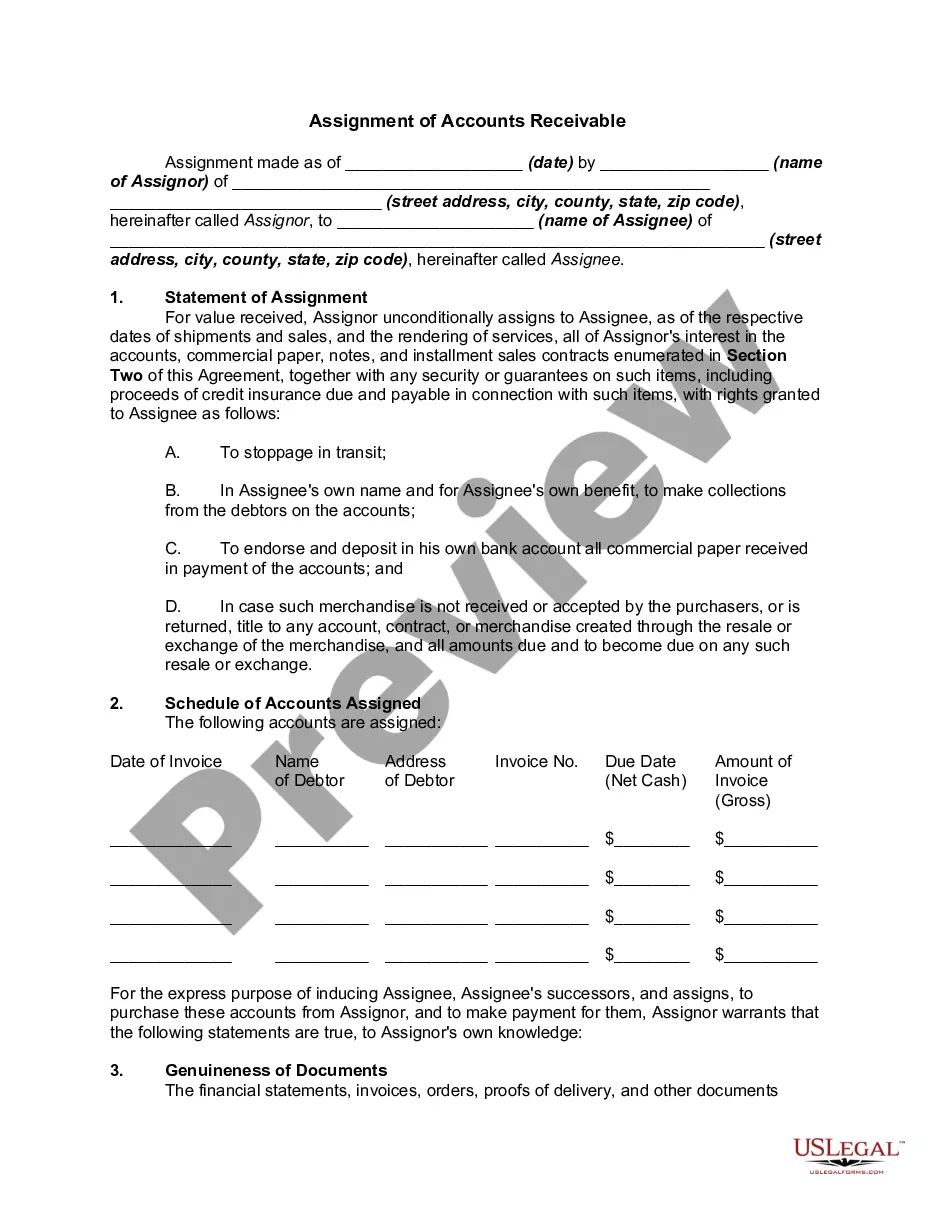
Get your form ready online
Our built-in tools help you complete, sign, share, and store your documents in one place.
Make edits, fill in missing information, and update formatting in US Legal Forms—just like you would in MS Word.
Download a copy, print it, send it by email, or mail it via USPS—whatever works best for your next step.
Sign and collect signatures with our SignNow integration. Send to multiple recipients, set reminders, and more. Go Premium to unlock E-Sign.
If this form requires notarization, complete it online through a secure video call—no need to meet a notary in person or wait for an appointment.
We protect your documents and personal data by following strict security and privacy standards.

Make edits, fill in missing information, and update formatting in US Legal Forms—just like you would in MS Word.

Download a copy, print it, send it by email, or mail it via USPS—whatever works best for your next step.

Sign and collect signatures with our SignNow integration. Send to multiple recipients, set reminders, and more. Go Premium to unlock E-Sign.

If this form requires notarization, complete it online through a secure video call—no need to meet a notary in person or wait for an appointment.

We protect your documents and personal data by following strict security and privacy standards.
Looking for another form?
Form popularity
FAQ
You might want to categorize the receivables into 30-day buckets. The formula in D4 will show 30 for any invoices that are between 30 and 59 days old. The formula is =INT(C6/30)30 .
YEARFRAC and INT functions You can also YEARFRAC with INT (an integer) to calculate age in Excel. The syntax to follow is '=INT (YEARFRAC (cell, TODAY ()))'. This function returns a difference based on years.
The simplest and most accurate formula to calculate age in Excel is =DATEDIF(birth_date,as_of_date,"y"). This returns the number of years rounded down.
It mainly checks the cell D5 is greater than D13. Or not then it returns this function value with aMoreIt mainly checks the cell D5 is greater than D13. Or not then it returns this function value with a string days overdue. If the logical operator is true otherwise. It shows no overdue.
Close. Minus then click on the invoice. Date press enter. Now it gives the Aging. Days here which isMoreClose. Minus then click on the invoice. Date press enter. Now it gives the Aging. Days here which is given in date format we need to change this to number format to display the dates.
How to Create an Accounts Receivable Aging Report? Step 1: Review all the outstanding invoices. Step 2: Segregate all the invoices using the aging schedule and the due amount. Step 3: After getting the list of customers with overdue bills, categorize them based on the total due amount and the number of days outstanding.
To calculate age in Excel, you can use functions like DATEDIF or YEARFRAC. These functions allow you to determine the difference between a person's birth date and the current date.
Aging Report Cheat Sheet Label the following cells: A1: Customer. B1: Order # C1: Date. D1: Amount Due. Enter in the corresponding information for your customers and their orders underneath the headlines. Add additional headers for each column as: E1: Days Outstanding. F1: Not Due. G1: 0-30 Days. H1: 31-60 days.
To calculate age in Excel, you can use functions like DATEDIF or YEARFRAC. These functions allow you to determine the difference between a person's birth date and the current date.
To calculate AR aging, look at how many days past due an outstanding invoice is. Then, place it in the appropriate category (e.g., 1-30 days past due, 31-60 days past due, etc.). Then, add up all amounts due in each category to calculate the overdue payments for each bucket.
