Affidavit Of Non Prosecution Form California In Georgia
Description
Get your form ready online
Our built-in tools help you complete, sign, share, and store your documents in one place.
Make edits, fill in missing information, and update formatting in US Legal Forms—just like you would in MS Word.
Download a copy, print it, send it by email, or mail it via USPS—whatever works best for your next step.
Sign and collect signatures with our SignNow integration. Send to multiple recipients, set reminders, and more. Go Premium to unlock E-Sign.
If this form requires notarization, complete it online through a secure video call—no need to meet a notary in person or wait for an appointment.
We protect your documents and personal data by following strict security and privacy standards.

Make edits, fill in missing information, and update formatting in US Legal Forms—just like you would in MS Word.

Download a copy, print it, send it by email, or mail it via USPS—whatever works best for your next step.

Sign and collect signatures with our SignNow integration. Send to multiple recipients, set reminders, and more. Go Premium to unlock E-Sign.

If this form requires notarization, complete it online through a secure video call—no need to meet a notary in person or wait for an appointment.

We protect your documents and personal data by following strict security and privacy standards.
Looking for another form?

Form popularity
FAQ
Impact on Criminal Cases Prosecutors assess the affidavit alongside case details, evaluating factors such as evidence strength, severity of charges, and public interest. For example, in cases with substantial evidence, prosecutors might still pursue charges despite the victim's withdrawal.
All affidavits, petitions, answers, defenses, or other proceedings required to be verified or sworn to under oath shall be held to be sufficient when the same are sworn to before any notary public, magistrate, judge of any court, or any other officer of the state or county where the oath is made who is authorized by ...
Statement of Intent: Write a clear statement indicating the desire not to pursue charges. This declaration should express the victim's decision unequivocally. Signature: The victim must sign the affidavit to validate the document. Include the date next to the signature.
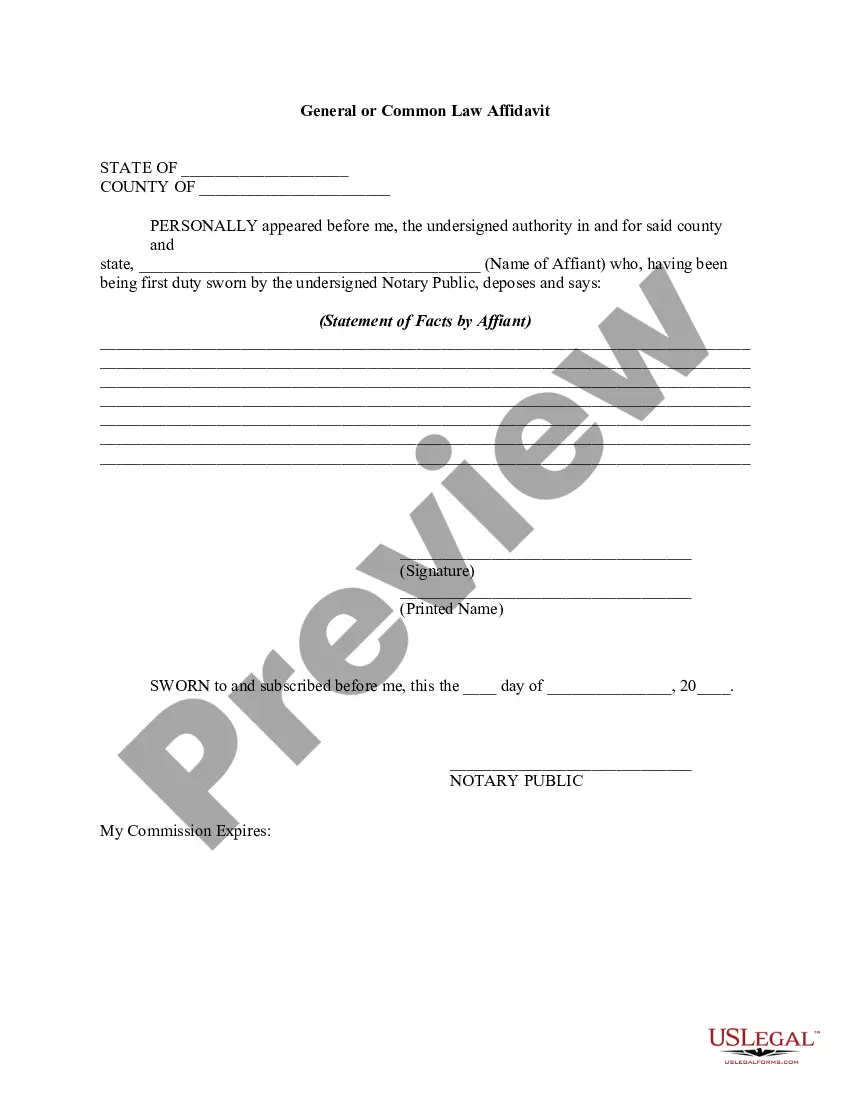
Describe the facts and information that you have firsthand knowledge of. Be as detailed and specific as possible, and make sure that your statements are truthful and accurate. Sign and date the affidavit, and have it notarized by a licensed notary public. The notary will verify your identity and witness your signature.
An affidavit of non-prosecution is a sworn document in which the plaintiff expresses their desire not to prosecute the case or participate in the prosecution. The statement is punishable under penalty of perjury if there are lies or falsehoods in the affidavit.
Non-prosecution affidavits are effective in several key circumstances: Victim Cooperation: When victims do not want to proceed with charges, a non-prosecution affidavit can reflect their wishes, influencing a prosecutor's decision.
A failure to prosecute.
We have a signed affidavit stating that the two men were seen entering the building. The claims in the affidavit have not been proven in court.
How to Write an Affidavit Step 1: Writing the Title of the Affidavit. Step 2: Providing Personal Background Information. Step 3: Opening Sentence in First Person Tense. Step 4: Stating the Facts of the Case. Step 5: Including One Fact Per Paragraph. Step 6: Including Exhibits. Step 7: Confirming the Truth.
An affidavit of non-prosecution is a sworn document in which the plaintiff expresses their desire not to prosecute the case or participate in the prosecution. The statement is punishable under penalty of perjury if there are lies or falsehoods in the affidavit.

