Affidavit Of Non Prosecution Form New Mexico In Illinois
Description
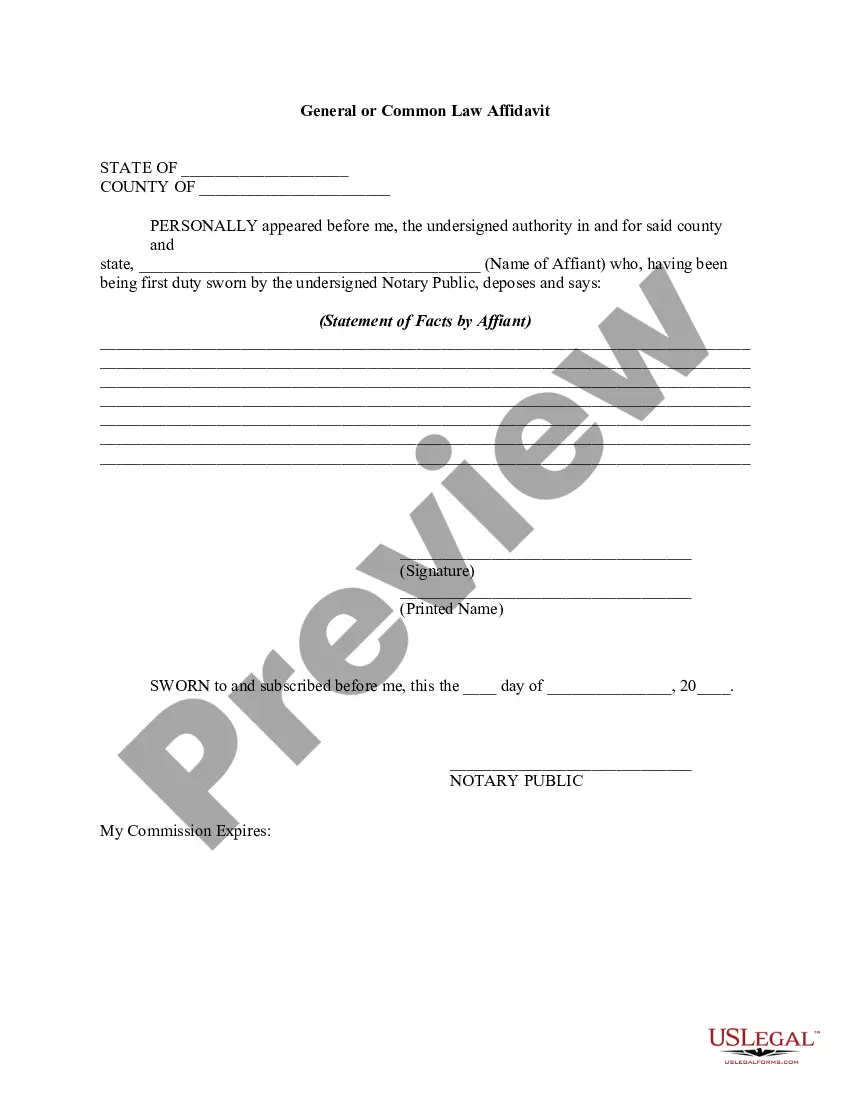
Get your form ready online
Our built-in tools help you complete, sign, share, and store your documents in one place.
Make edits, fill in missing information, and update formatting in US Legal Forms—just like you would in MS Word.
Download a copy, print it, send it by email, or mail it via USPS—whatever works best for your next step.
Sign and collect signatures with our SignNow integration. Send to multiple recipients, set reminders, and more. Go Premium to unlock E-Sign.
If this form requires notarization, complete it online through a secure video call—no need to meet a notary in person or wait for an appointment.
We protect your documents and personal data by following strict security and privacy standards.

Make edits, fill in missing information, and update formatting in US Legal Forms—just like you would in MS Word.

Download a copy, print it, send it by email, or mail it via USPS—whatever works best for your next step.

Sign and collect signatures with our SignNow integration. Send to multiple recipients, set reminders, and more. Go Premium to unlock E-Sign.

If this form requires notarization, complete it online through a secure video call—no need to meet a notary in person or wait for an appointment.

We protect your documents and personal data by following strict security and privacy standards.
Looking for another form?
Form popularity
FAQ
An affidavit of non-prosecution is a sworn, notarized statement from a victim requesting that charges against a defendant be dismissed. An affidavit of non-prosecution is a legal statement where the victim or witness of a crime formally declares they don't want to press charges against the accused.
O The Affidavit of Service of Summons and Complaint/Petition is the part of the form you will give to the court to prove that your Summons and Complaint/Petition were served on the Defendant/Respondent. o The sheriff will fill out the rest of the form.
Thus, unless otherwise provided for by a specific supreme court rule or statutory authorization, an affidavit must be notarized to be valid. See Roth, 202 Ill.
An affidavit is a sworn statement made under oath, often used in court proceedings, while a declaration is a more informal assertion that doesn't require an oath. These distinctions can have a significant impact on legal matters, affecting everything from court cases to personal transactions.
Describe the facts and information that you have firsthand knowledge of. Be as detailed and specific as possible, and make sure that your statements are truthful and accurate. Sign and date the affidavit, and have it notarized by a licensed notary public. The notary will verify your identity and witness your signature.

