Notarized Document Without Signature In Ohio
Description

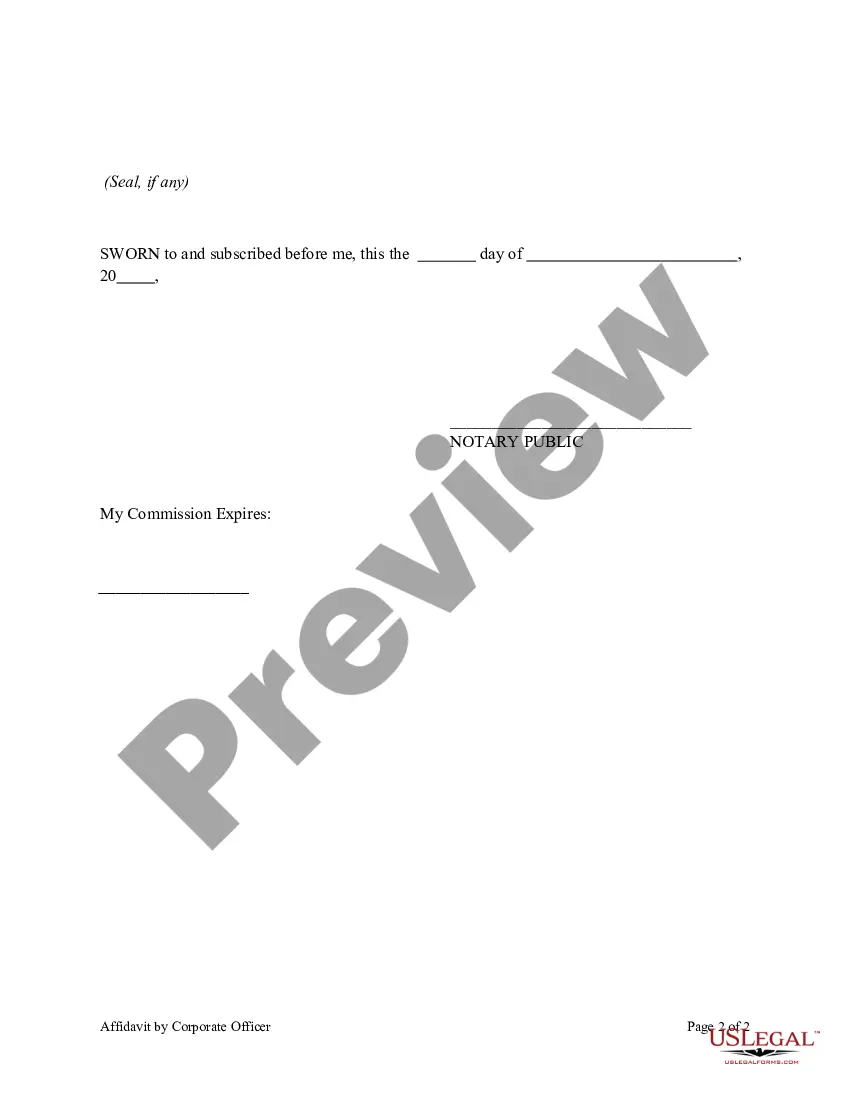
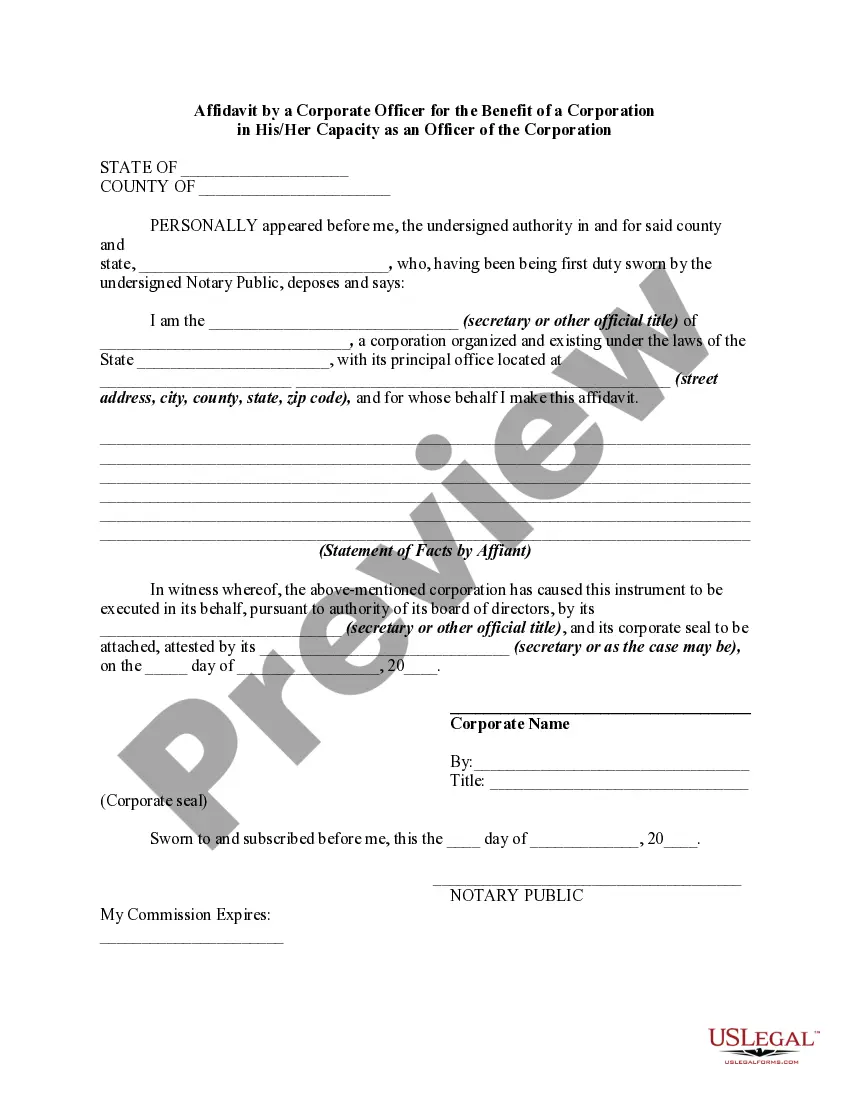
Get your form ready online
Our built-in tools help you complete, sign, share, and store your documents in one place.
Make edits, fill in missing information, and update formatting in US Legal Forms—just like you would in MS Word.
Download a copy, print it, send it by email, or mail it via USPS—whatever works best for your next step.
Sign and collect signatures with our SignNow integration. Send to multiple recipients, set reminders, and more. Go Premium to unlock E-Sign.
If this form requires notarization, complete it online through a secure video call—no need to meet a notary in person or wait for an appointment.
We protect your documents and personal data by following strict security and privacy standards.

Make edits, fill in missing information, and update formatting in US Legal Forms—just like you would in MS Word.

Download a copy, print it, send it by email, or mail it via USPS—whatever works best for your next step.

Sign and collect signatures with our SignNow integration. Send to multiple recipients, set reminders, and more. Go Premium to unlock E-Sign.

If this form requires notarization, complete it online through a secure video call—no need to meet a notary in person or wait for an appointment.

We protect your documents and personal data by following strict security and privacy standards.
Looking for another form?
Form popularity
FAQ
Electronic Notarizations and Online Notarizations The requirements include personal appearance, verifying the identity of the signer, completion of the notarial certificate by affixing the notary's electronic signature and electronic seal to the certificate.
One of the most common mistakes that notaries make is not printing or signing their name exactly as it appears on their notary commission.
The notarization of your document does not expire as long as the date on the notarization seal at the time of attestation is valid. In simpler terms, a notary has the authority to notarize a document as long as its commission is valid.
Driver's licenses issued by foreign governments, however, do not hold as appropriate identification. In the case of expired IDs, it's key to note that they're not deemed valid for notarization in Ohio. Only those identification pieces which are current and non-expired remain accepted.
Ohio notary seals and stamps are the tools of the trade for notaries public. They're used every time a document is notarized. A notary seal can be in one of two forms: a notary embossing seal or a notary stamp. In the state of Ohio, notary stamps and embossed seals are both acceptable formats for notarizing a document.
The person signs a statement to attest that the copy presented is a true copy of the original, then their signature can be notarized. In this manner, the signer is certifying the copy; the notary is only providing notarization of the signature. In Ohio, the notary cannot directly certify a copy themselves!
ORC 147.59 permits a designated alternative signer permitting someone to sign on the principal's behalf if the principal clearly communicates to the notary public the intent for the designated signer to sign the individuals name on the document.
The buyer does not need to be present for the Seller to complete the Assignment section; but the Seller MUST have the name and address of the buyer in order to complete the section, and have their signature notarized. No blank spaces!! All Sellers/signers must personally appear before the notary! NO exceptions!
One of the most common mistakes that notaries make is not printing or signing their name exactly as it appears on their notary commission.
