Partition And Exchange Agreement With Foreign Countries In Bexar
Description


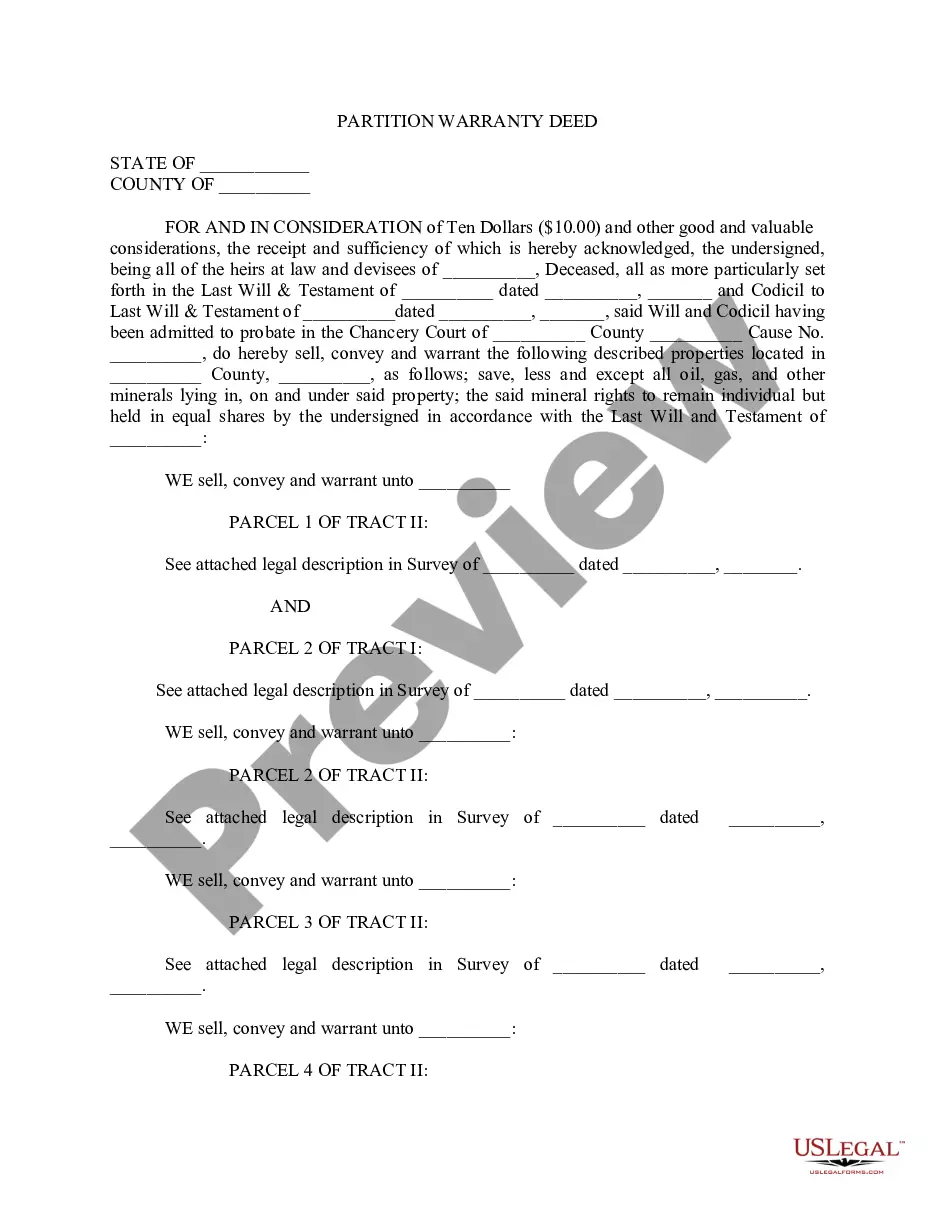
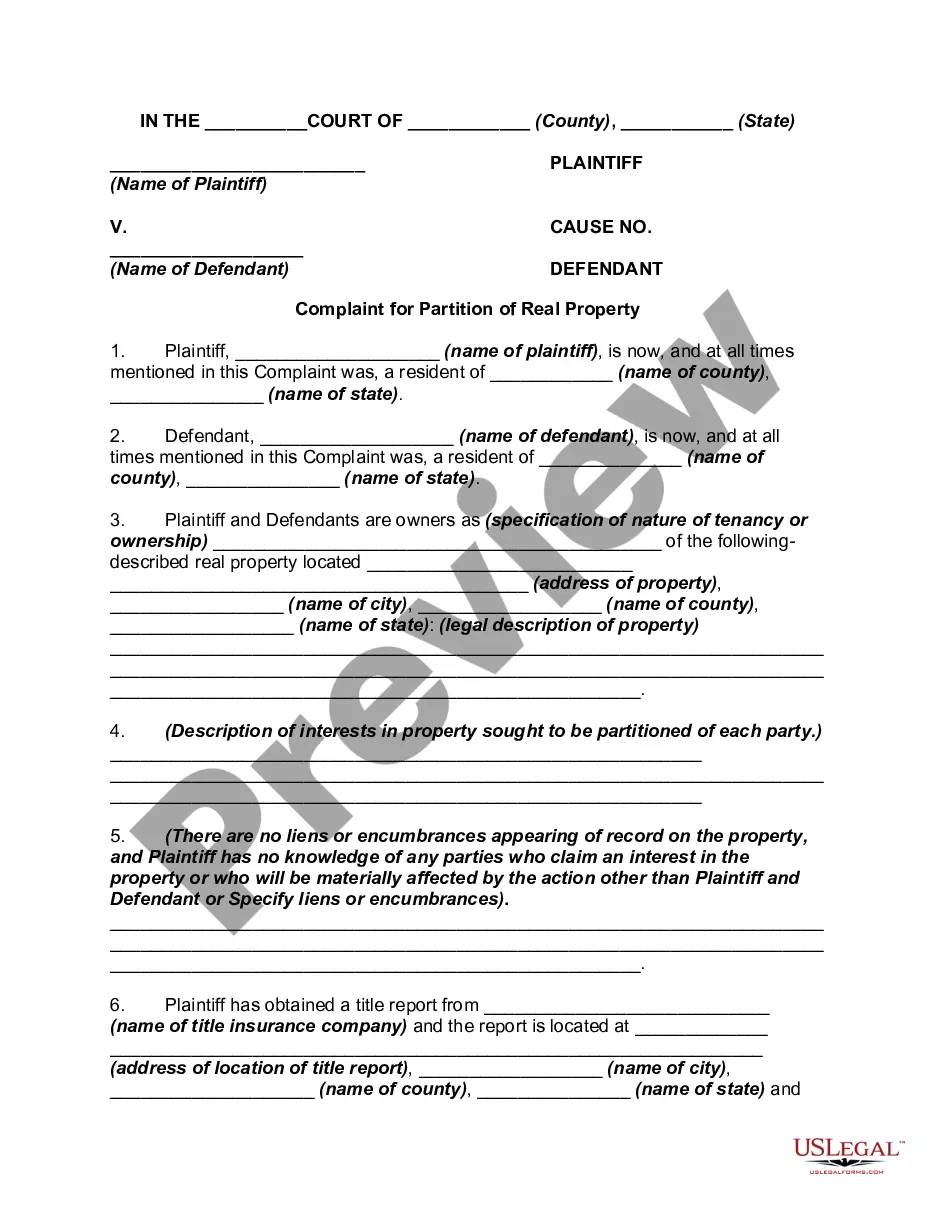
Get your form ready online
Our built-in tools help you complete, sign, share, and store your documents in one place.
Make edits, fill in missing information, and update formatting in US Legal Forms—just like you would in MS Word.
Download a copy, print it, send it by email, or mail it via USPS—whatever works best for your next step.
Sign and collect signatures with our SignNow integration. Send to multiple recipients, set reminders, and more. Go Premium to unlock E-Sign.
If this form requires notarization, complete it online through a secure video call—no need to meet a notary in person or wait for an appointment.
We protect your documents and personal data by following strict security and privacy standards.

Make edits, fill in missing information, and update formatting in US Legal Forms—just like you would in MS Word.

Download a copy, print it, send it by email, or mail it via USPS—whatever works best for your next step.

Sign and collect signatures with our SignNow integration. Send to multiple recipients, set reminders, and more. Go Premium to unlock E-Sign.

If this form requires notarization, complete it online through a secure video call—no need to meet a notary in person or wait for an appointment.

We protect your documents and personal data by following strict security and privacy standards.
Looking for another form?
Form popularity
FAQ
Under Texas law, spouses can enter into partition or exchange agreements in which one spouse transfers all or part of their present or soon-to-be-acquired community property to the other, thereby transmuting it into the separate property of the receiving spouse.
Yes, Texas generally recognizes foreign marriages as long as they are valid under the laws of the foreign country where the marriage took place. However, there may be specific legal requirements that need to be met for recognition.
However, a divorce decree issued in a foreign country generally is recognized in a state in the United States on the basis of comity (Hilton v. Guyot, 159 U.S. 113, 163-64 (1895), where both parties had notice of the divorce proceeding and an opportunity to be heard within these proceedings.
Spousal Maintenance and the 10 Year Marriage Alimony – or spousal maintenance in Texas Law – is rarely awarded in Texas divorces. However, the likelihood of court ordered spousal maintenance increases for couples married at least 10 years.
Take the Petition and the copies to the District Clerk's Civil Filing Department. The Civil Filing Department is in the Paul Elizondo Tower at 101 W Nueva, Suite 216. The phone number is 210-335-2621. Turn in your Petition and copies.
Yes, a foreign divorce can be recognized in Texas if it complies with the legal requirements of the foreign jurisdiction and does not contradict fundamental principles of Texas law.
If you were married in another state, you are still recognized as married while living in Texas. Those considering divorce tend to ask, “Do we need to return to the state we were married in to get a divorce?” The answer is no. You can get divorced in Texas even if you were married in another state or country.
