Partition Settlement Agreement With Consent Judgment In Clark
Description


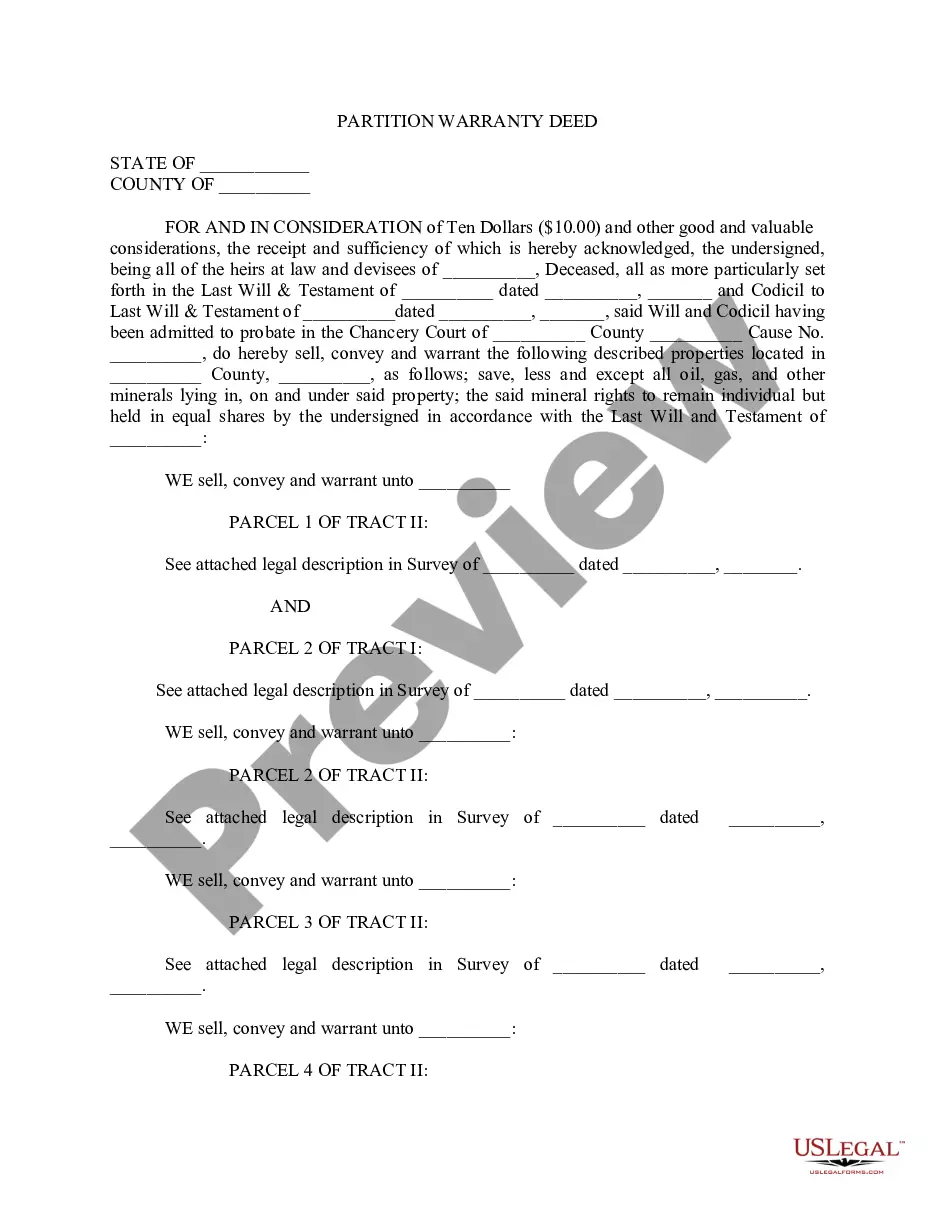
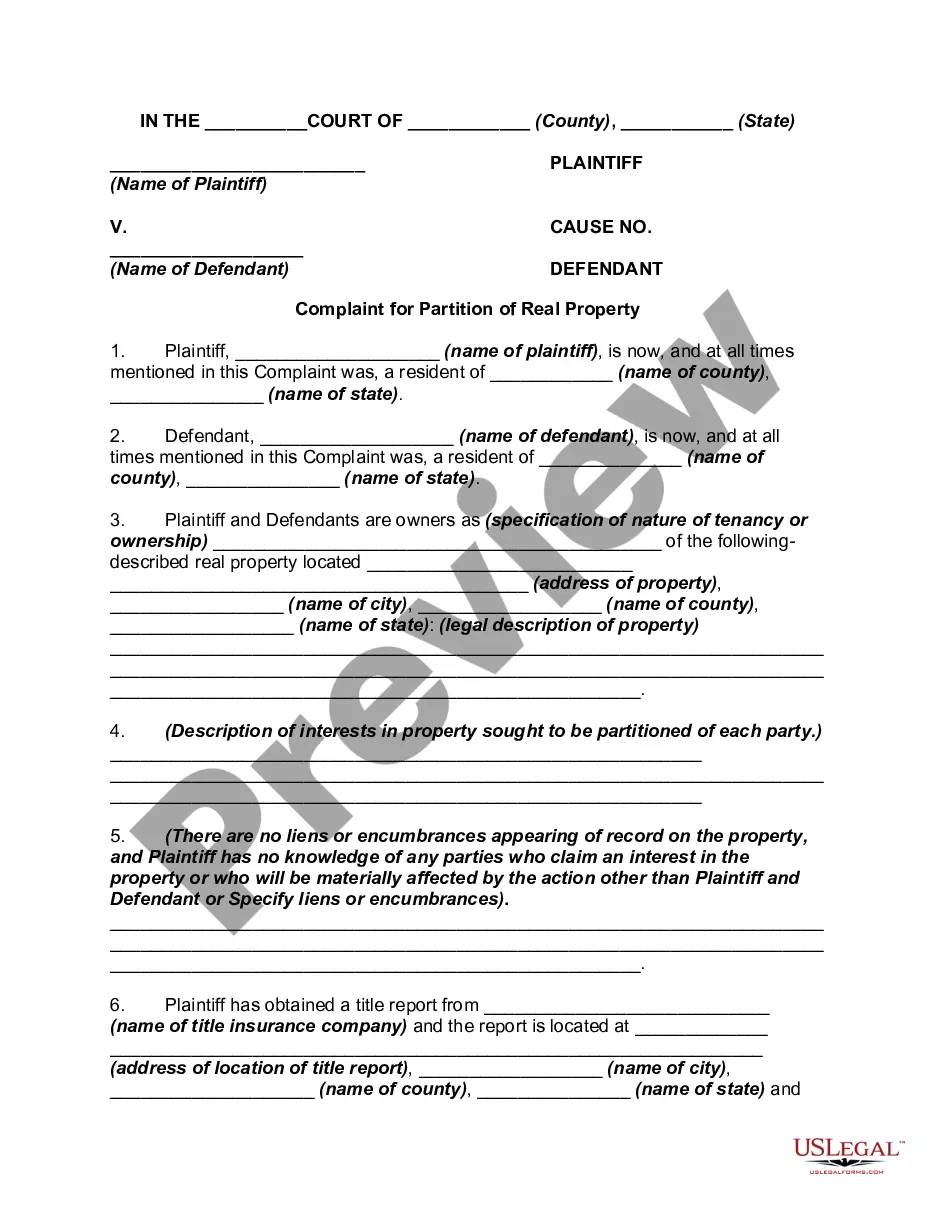
Get your form ready online
Our built-in tools help you complete, sign, share, and store your documents in one place.
Make edits, fill in missing information, and update formatting in US Legal Forms—just like you would in MS Word.
Download a copy, print it, send it by email, or mail it via USPS—whatever works best for your next step.
Sign and collect signatures with our SignNow integration. Send to multiple recipients, set reminders, and more. Go Premium to unlock E-Sign.
If this form requires notarization, complete it online through a secure video call—no need to meet a notary in person or wait for an appointment.
We protect your documents and personal data by following strict security and privacy standards.

Make edits, fill in missing information, and update formatting in US Legal Forms—just like you would in MS Word.

Download a copy, print it, send it by email, or mail it via USPS—whatever works best for your next step.

Sign and collect signatures with our SignNow integration. Send to multiple recipients, set reminders, and more. Go Premium to unlock E-Sign.

If this form requires notarization, complete it online through a secure video call—no need to meet a notary in person or wait for an appointment.

We protect your documents and personal data by following strict security and privacy standards.
Looking for another form?


Form popularity
FAQ
For a consent judgment, there is nothing to be appealed against as it is not something that had been decided by the court. It is essentially a contract with the command of court. The basis of a consent judgment is the existence of an agreement. Without an agreement, there will be no consent judgment.
“A federal consent decree must spring from, and serve to resolve, a dispute within the court's subject-matter jurisdiction; must come within the general scope of the case made by the pleadings; and must further the objectives of the law upon which the complaint was based.” Id.
“A federal consent decree must spring from, and serve to resolve, a dispute within the court's subject-matter jurisdiction; must come within the general scope of the case made by the pleadings; and must further the objectives of the law upon which the complaint was based.” Id.
A settlement is an agreement between both parties to the lawsuit that resolves their dispute prior to trial. A judgment is an official designation entered on a court's docket that signifies that a plaintiff has prevailed in a court case against the named defendant.
Key components of a settlement agreement Parties involved: Clearly outline who's part of the agreement. Background information: Give context about the dispute, including past interactions or agreements. Settlement amount: Specify any monetary payment involved. Payment terms: Detail how and when the payment will be made.
'Terms of settlement' is a document that sets out the agreement between the parties to settle the dispute. There is no set form for terms of settlement.
A consent judgment is a settlement between two parties meant to end a dispute. In the insurance industry, consent judgments include an admission of the insured's liability, along with a covenant for the claimant: they agree not to execute or collect against the insured defendant.
Unlike some states, Florida does not allow for a consent judgment, which is a judgment by agreement without any court involvement. However, in Florida, a settlement agreement in a lawsuit can provide as a default that a judgment will be entered with little formal proceedings if one party fails to perform.
It is basically an order or judgment based on a settlement or agreement of parties. In practice, normally, a consent judgment is entered after a successful mediation.
Post-judgment discovery is appropriate as long as the judgment is enforceable.” The Court found that Florida judgments have a twenty year life during which those judgments are enforceable.
