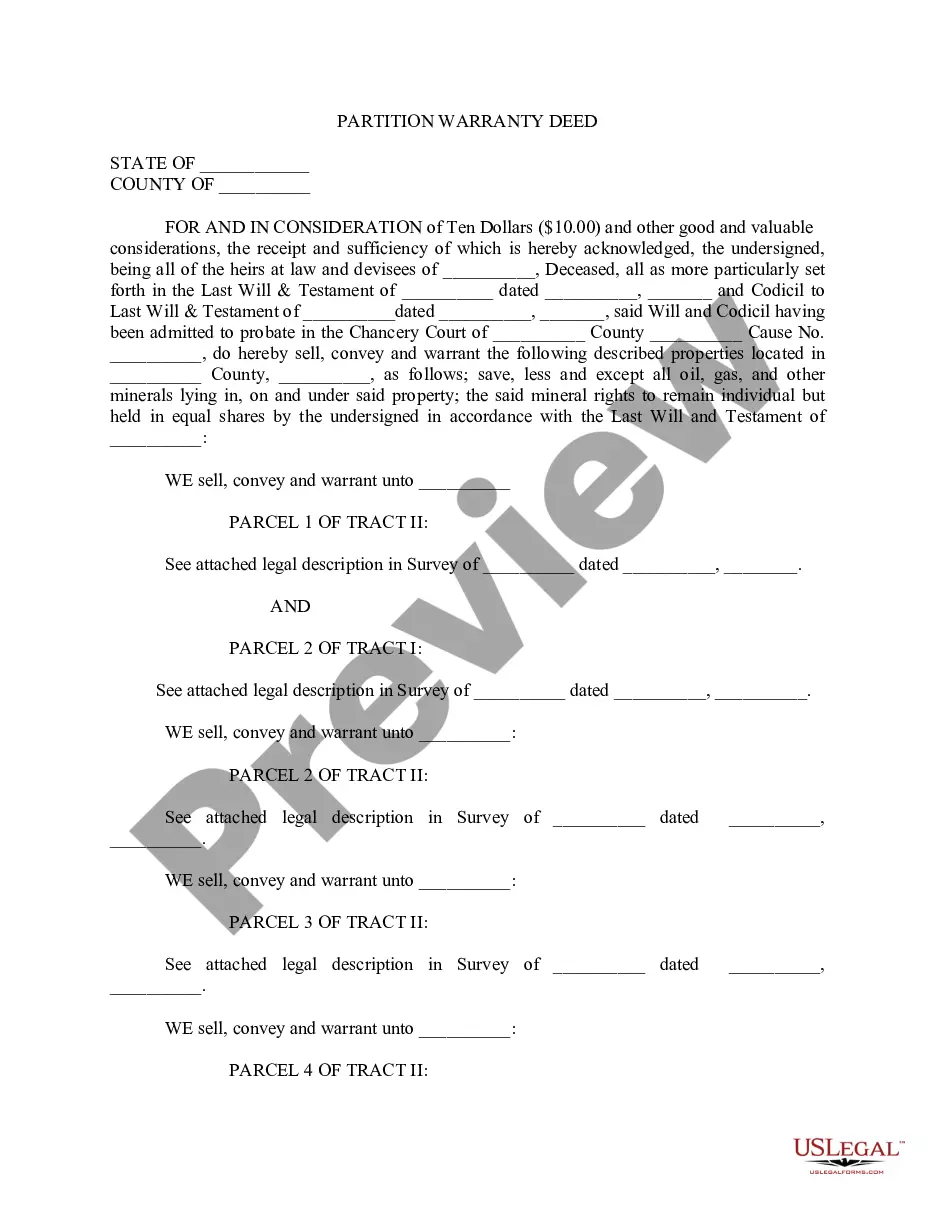
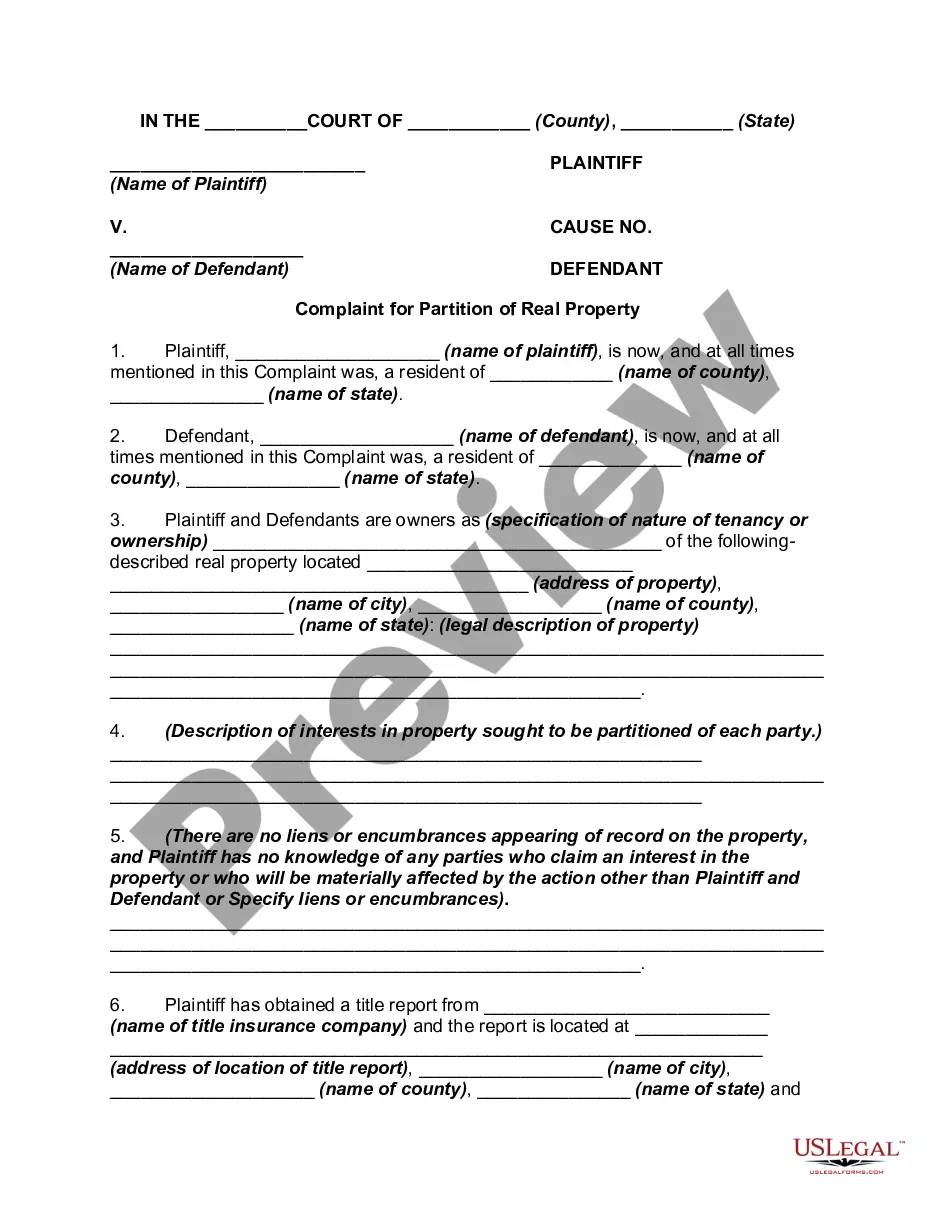
Texas Partition Agreement With Spouse In Montgomery
Description


Get your form ready online
Our built-in tools help you complete, sign, share, and store your documents in one place.
Make edits, fill in missing information, and update formatting in US Legal Forms—just like you would in MS Word.
Download a copy, print it, send it by email, or mail it via USPS—whatever works best for your next step.
Sign and collect signatures with our SignNow integration. Send to multiple recipients, set reminders, and more. Go Premium to unlock E-Sign.
If this form requires notarization, complete it online through a secure video call—no need to meet a notary in person or wait for an appointment.
We protect your documents and personal data by following strict security and privacy standards.
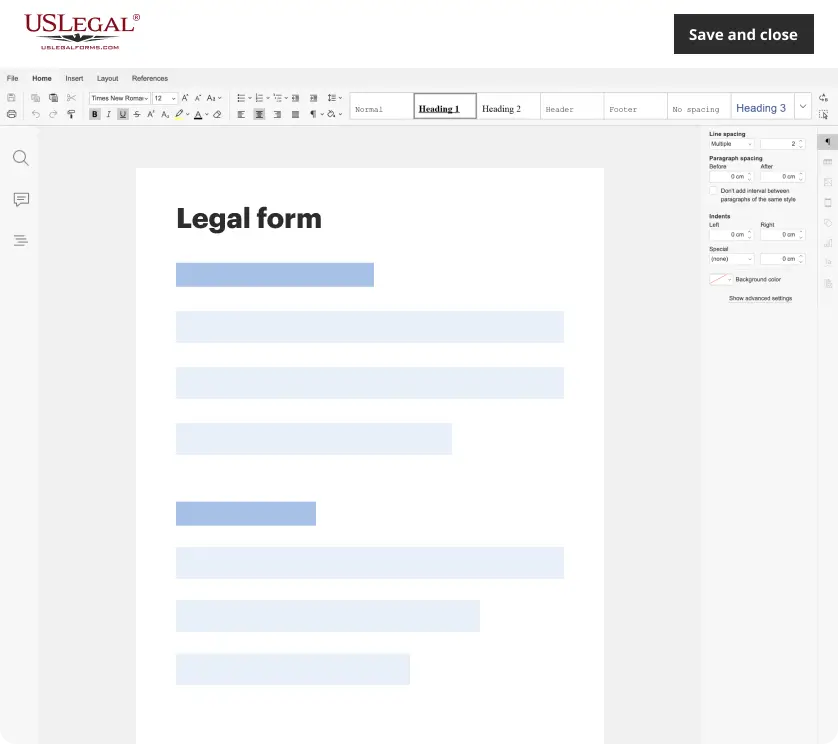
Make edits, fill in missing information, and update formatting in US Legal Forms—just like you would in MS Word.
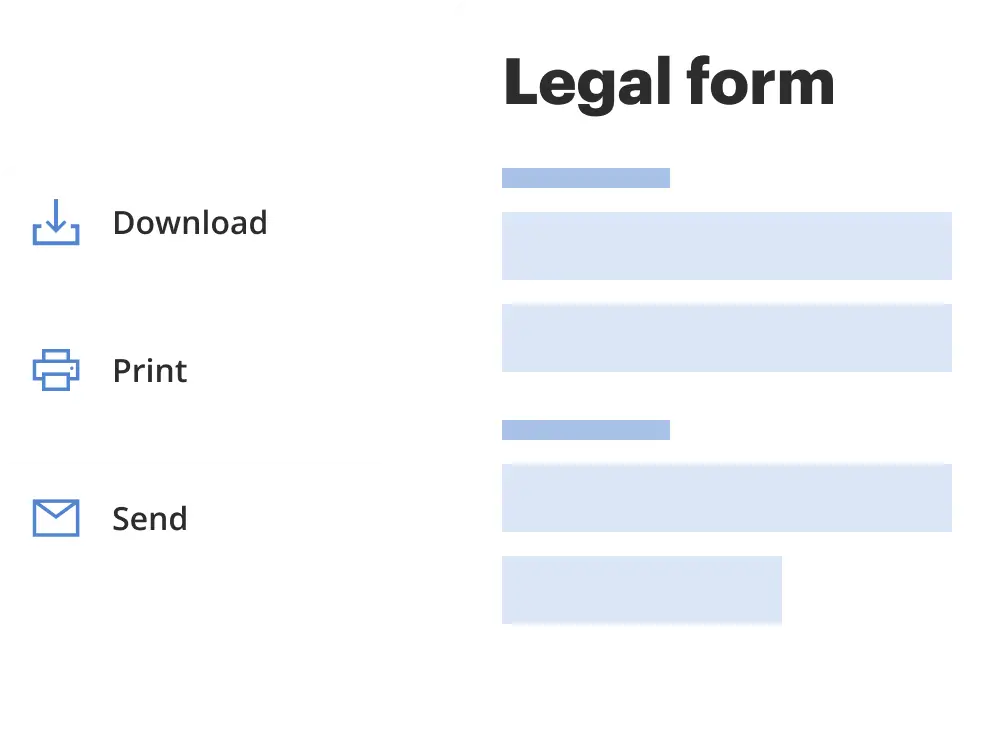
Download a copy, print it, send it by email, or mail it via USPS—whatever works best for your next step.
Sign and collect signatures with our SignNow integration. Send to multiple recipients, set reminders, and more. Go Premium to unlock E-Sign.

If this form requires notarization, complete it online through a secure video call—no need to meet a notary in person or wait for an appointment.
We protect your documents and personal data by following strict security and privacy standards.
Looking for another form?
Form popularity
FAQ
Texas is a community property state, which presumes the spouses start with an equal division of assets. However, it is not always the case that a spouse will receive half.
Retaining an experienced family attorney is highly advisable when entering a Texas postnuptial agreement contract with your spouse. In fact, both parties should be represented by attorneys.
For a postnuptial agreement to be valid in Texas, it must meet the following requirements: It must be formalized in writing. It must be voluntarily signed by both parties. It must provide full and accurate disclosure of all assets, income, and liabilities owned by each spouse, ensuring fairness and enforceability.
This means that in the event of a divorce , the court will generally divide the couple's assets and debts equally between them, unless there is a valid prenuptial or postnuptial agreement that provides otherwise.
In Texas, the law considers retirement accounts acquired during the marriage as community property. This means they are subject to division upon divorce. The division is not necessarily equal but must be just and right, considering the rights of each party and any children of the marriage.
In Texas, there is no presumption that each party owns separate property. However, spouses do have equal ownership rights to their respective properties.
Aside from child custody agreements, there is a freedom to contract in almost any way a couple sees fit. As a result, most content in a postnup in Texas will be legally enforced unless it breaks the law in some way. Similarly, a postnup will not be enforced if there is proof of fraud or duress in its creation.
