Lease Of Goods In Massachusetts
Description



Form popularity
FAQ
It is a legally binding contract detailing the responsibilities both the landlord and the tenant promise to uphold. In addition to specifics like amenities, renovations and other apartment features, the lease includes legal details like: Grounds for lease termination and eviction.
Unfortunately, the landlord can refuse to renew, but you can ask for a month to month rental so you can get more time to find a new place. If you have been there 10 years, the landlord should be understanding I would hope, especially if you are not a trouble tenant or short time one.
If neither you nor your landlord gives the other notice, your lease continues or "extends" automatically for another year. If the original lease was not 1 year, it extends for the same amount of time as the original lease. If you have a self-extending lease, the terms of your original lease stay the same.
Every rental agreement must have certain terms, and is prohibited from containing certain other terms. The lease must include the name, address, and phone number of the owner, the person responsible for maintenance, and the person to whom the tenant can give copies of formal notices, complaints, or court papers.
Until individual cities or the state changes the law, no fault evictions, where a landlord is evicting a tenant who has done nothing wrong, are lawful in Massachusetts. A landlord may also evict tenants without leases for non-payment of rent and for using the apartment for illegal purposes.
Massachusetts laws Includes clauses for real estate tax exemptions for blind persons, qualifying senior citizens, qualifying surviving spouses, minor children and elderly persons, qualifying veterans, and religious and charitable organizations.
Any person, group or organization purchasing on behalf of exempt govern- ment organizations must certify that they are doing so by presenting to the vendor a properly executed Form ST-5 when making such purchases. Part 1 of Form ST-5 should be filled out by the exempt government organiza- tion.
Mailing Addresses ReturnsExtension PaymentPayment Voucher Form 2: Mass. DOR, PO Box 7018, Boston, MA 02204 Form 2G: Mass. DOR, PO Box 7017, Boston, MA 02204 Form M-8736: Mass. DOR, PO Box 419544, Boston, MA 02241-9544 Form 2-PV: Mass. DOR, PO Box 419544, Boston, MA 02241-9544
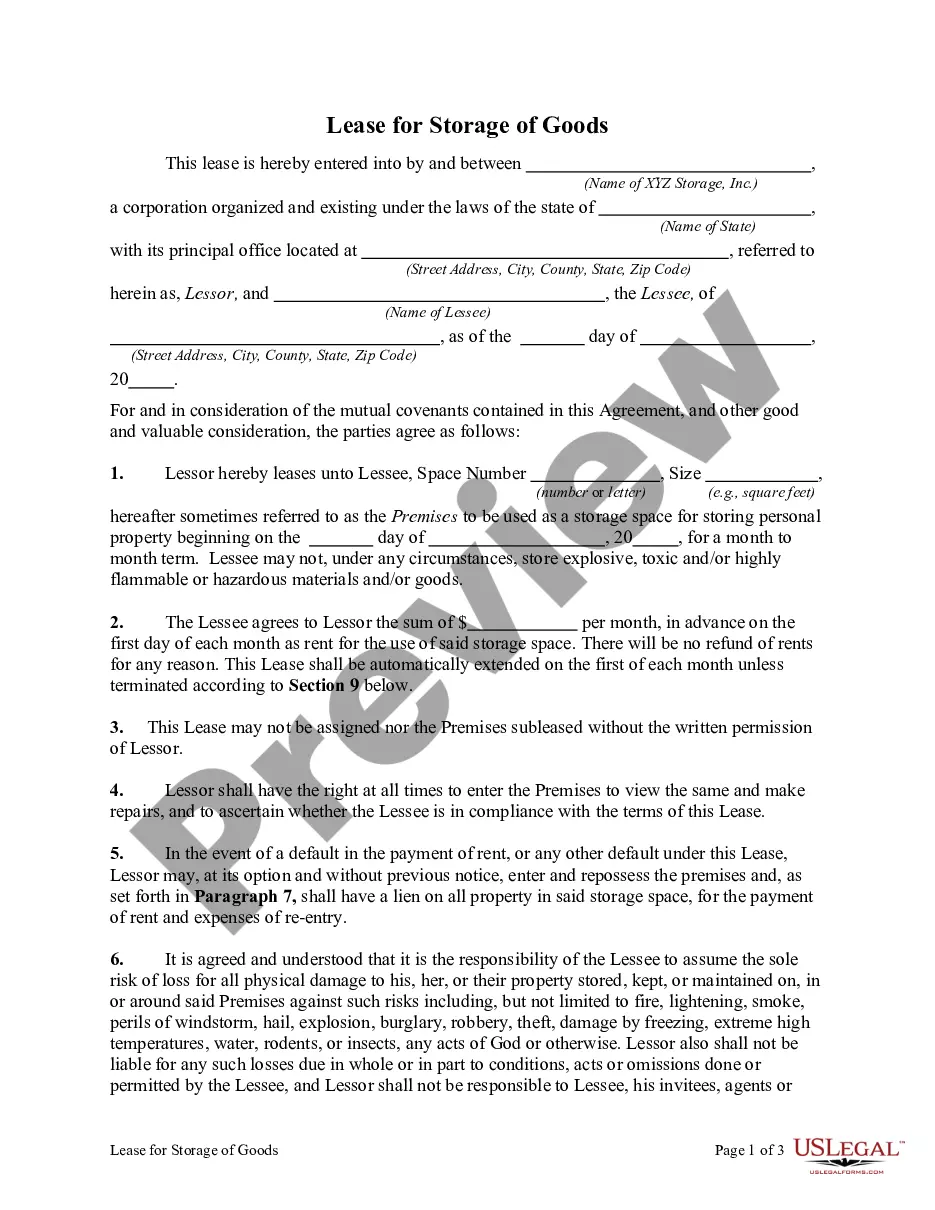
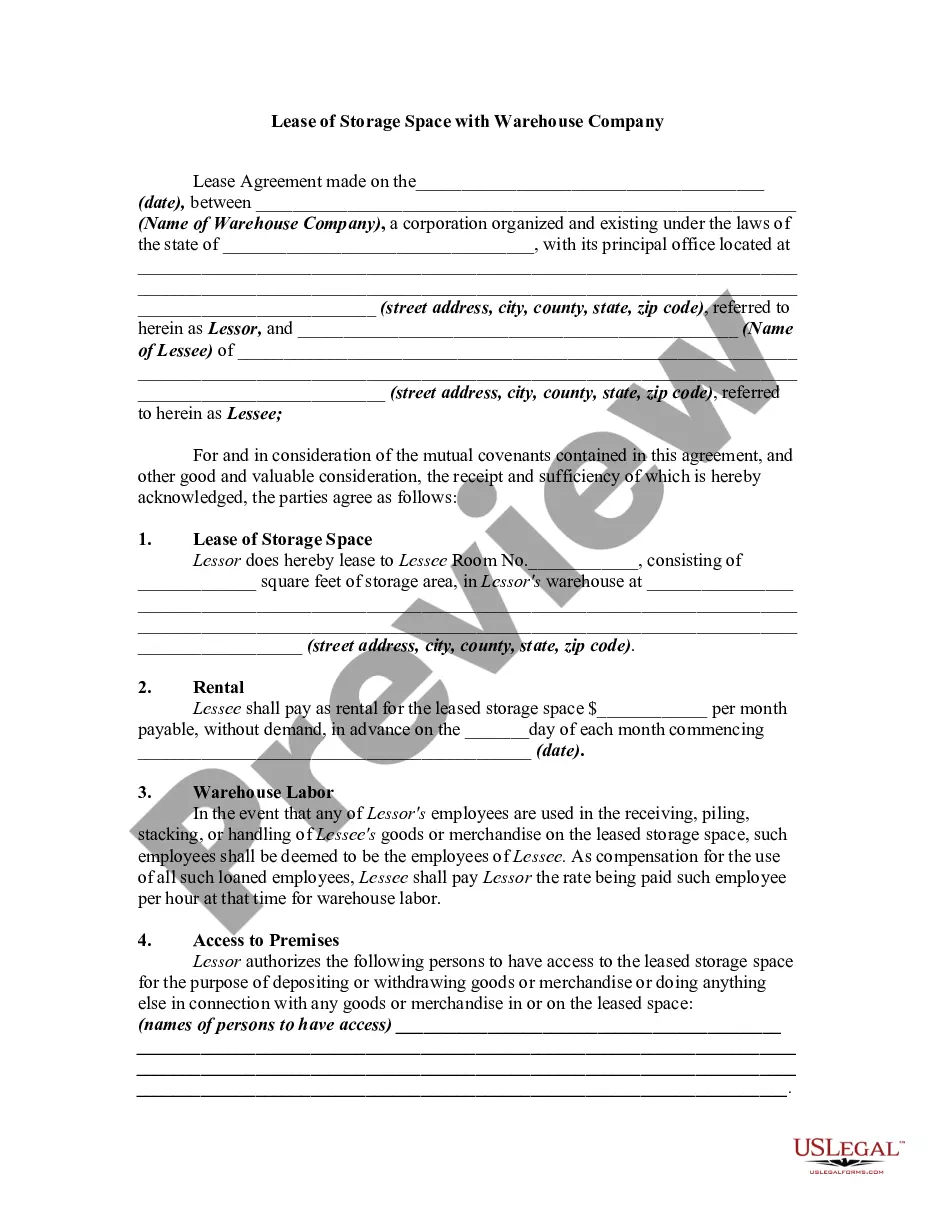
The most commonly used Massachusetts lease agreement is the Standard Form of Lease. This document covers essential details such as rent amount, lease duration, security deposit, maintenance responsibilities, property managers, and other crucial provisions.
The following categories of sales or types of transactions are generally exempted from the sales/use tax: Food & clothing. Periodicals. Admission tickets. Utilities and heating fuel. Telephone services to residential users. Shipping and Transportation services. Personal or professional services. Casual and isolated sales.
