Joint Tenancy Definition In Law In California
Description

Form popularity
FAQ
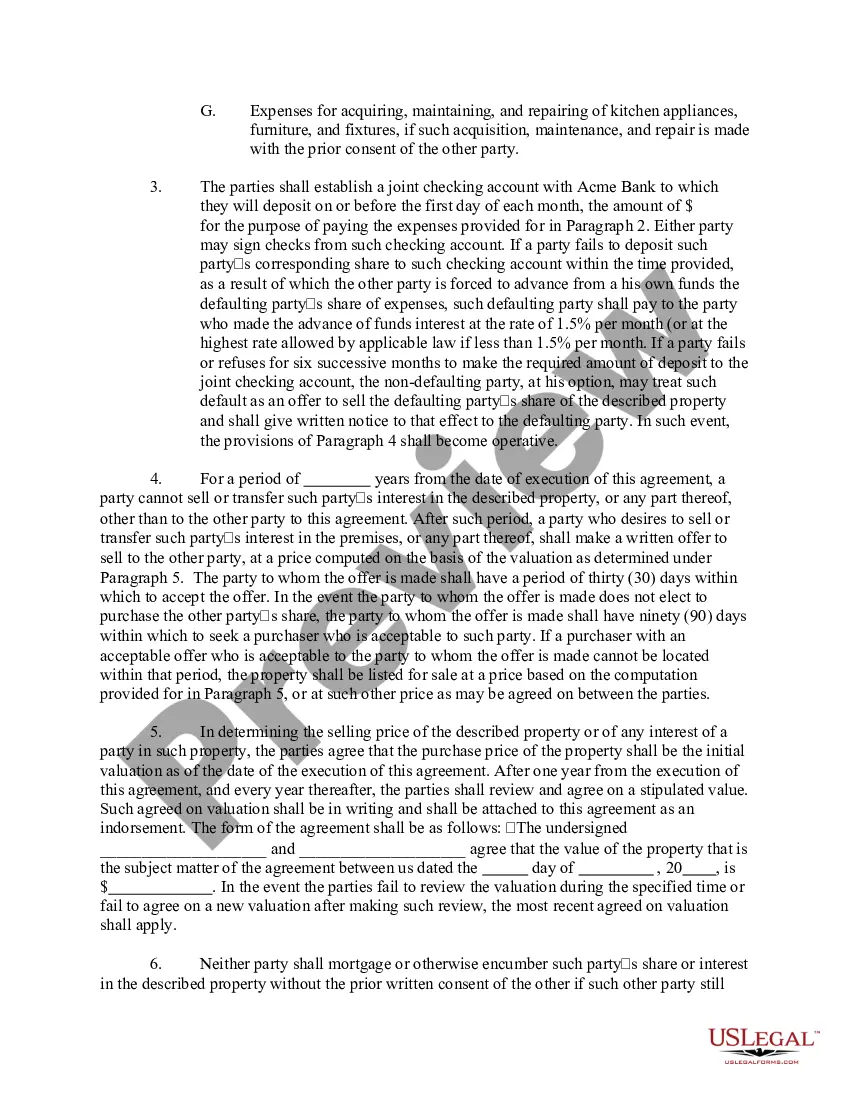
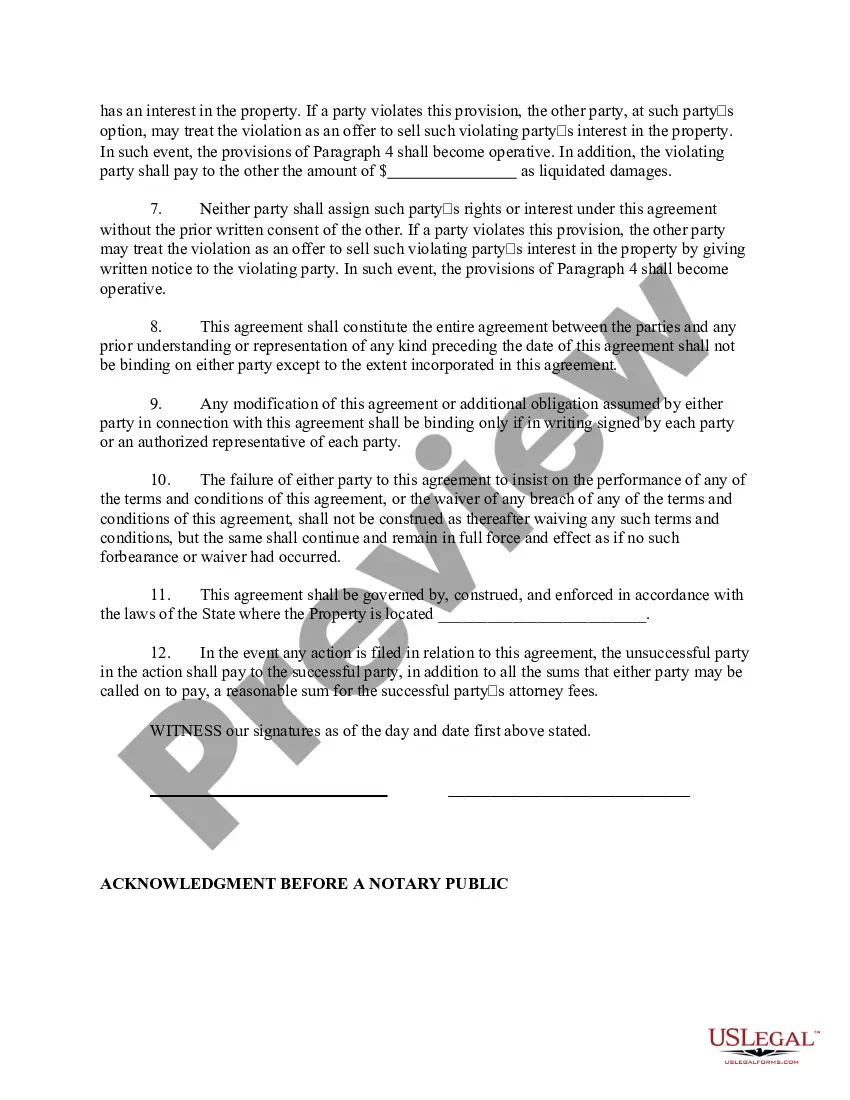
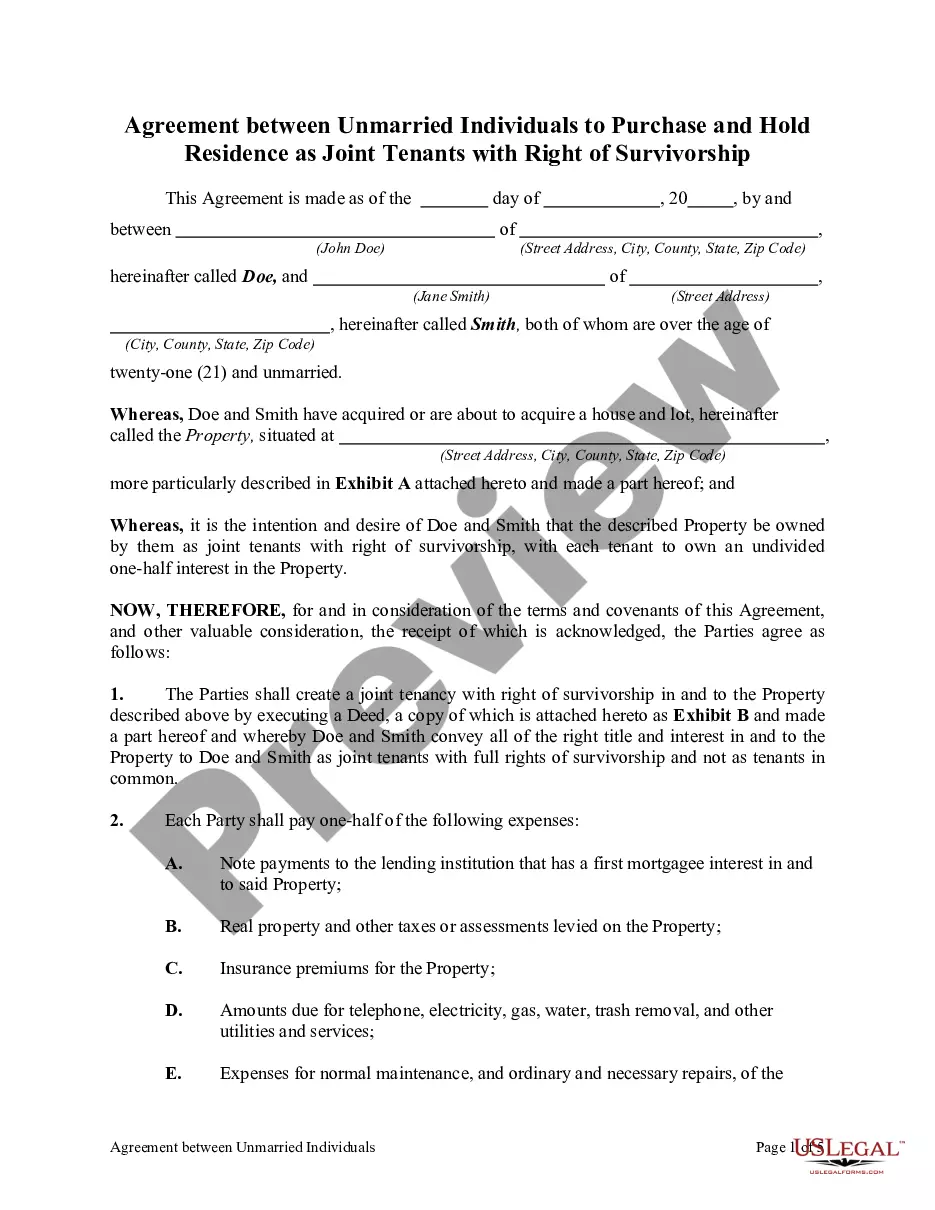
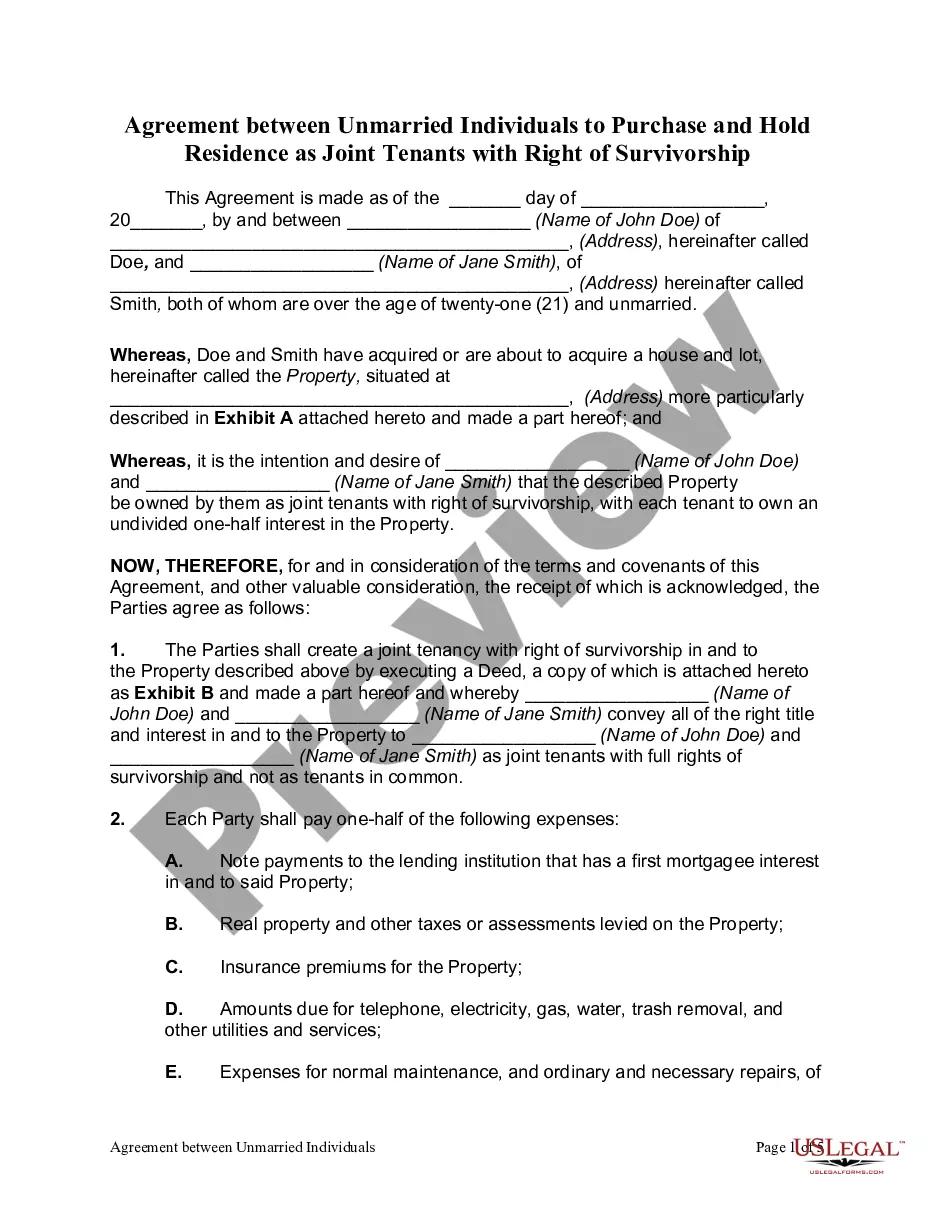
Joint Tenancies are co-ownership interest in real property. A Joint Tenancy must include these four unities: Unity of interest: The interest of each owner is equal. Unity of time: The interest of the owners is acquired at the same time. Unity of possession: The owners have the right of survivorship.
If any one joint tenant conveys away his entire interest to a third party the joint tenancy is sev- ered as between the conveying party and his joint tenants, and the conveyee becomes a tenant in common with the remaining tenant." Also if a joint tenant conveys his entire interest to one of his co-tenants, there is a ...
In California, Joint Tenancy with Right of Survivorship is a common form of property ownership, especially among married couples and close family members. California law recognizes JTWROS as a way to ensure that property passes seamlessly to surviving joint tenants without the need for probate.
The right of survivorship does override any wills that are in place. That's because this kind of arrangement avoids probate. 5 But if the last surviving party in a JTWROS dies, the agreement no longer applies, which means the asset or property is included in their will and goes to their heirs.
A key characteristic of joint tenancy is the Right of Survivorship. When one joint tenant dies, their interest in the property automatically passes to the surviving joint tenant(s). This means that ownership is not part of the deceased owner's estate and does not require probate to transfer.
Tenancy in common is a form of property co-ownership in which a property is not shared equally and is most commonly seen when co-owners are unrelated. By contrast, a joint tenancy agreement gives equal shares to two parties and is most commonly seen as community property among married couples and domestic partners.
Unlike joint tenancy, there is no right of survivorship when title is held as community property. Each spouse may pass their one-half share to their heirs as they please. If the decedent's community property interest is transferred pursuant to a last will and testament, it will be subject to probate.
Joint tenancy is most common among married couples because it helps property owners avoid probate. Without joint tenancy, a spouse would have to wait for their partner's Last Will to go through a legal review process—which can take months or even years.
Joint tenancy is a way for two or more people to own property in equal shares so that when one of the joint tenants dies, the property can pass to the surviving joint tenant(s) without having to go through probate court.
