Arbitration Without A Lawyer In Virginia
Description

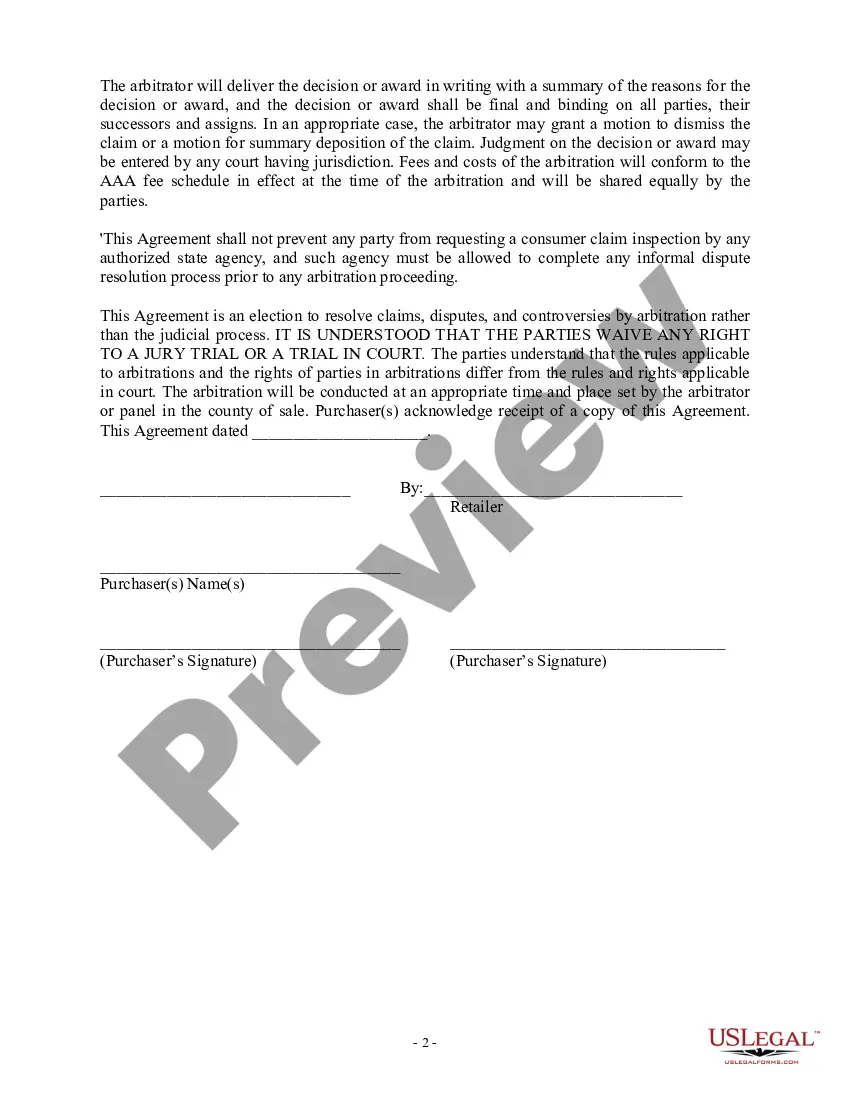
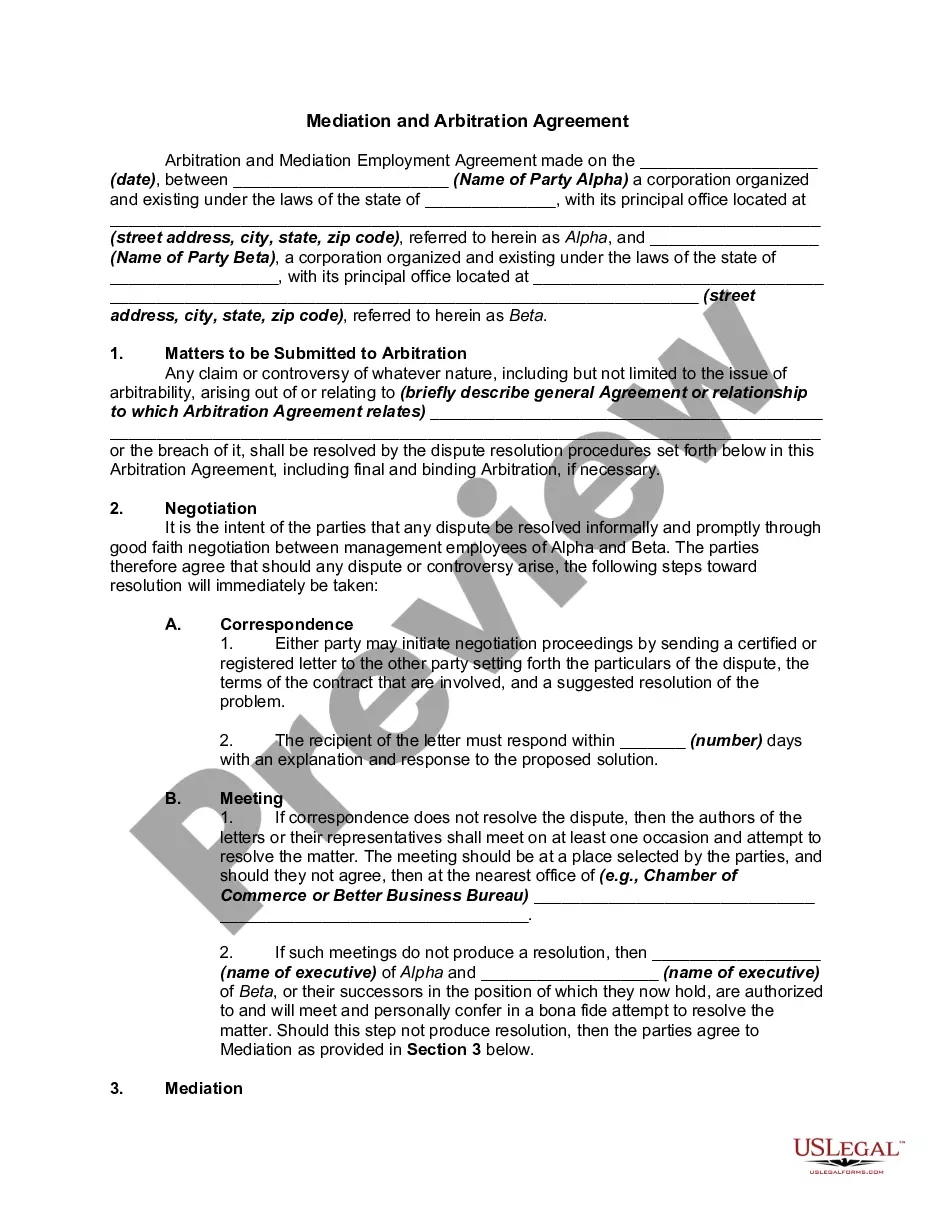

Get your form ready online
Our built-in tools help you complete, sign, share, and store your documents in one place.
Make edits, fill in missing information, and update formatting in US Legal Forms—just like you would in MS Word.
Download a copy, print it, send it by email, or mail it via USPS—whatever works best for your next step.
Sign and collect signatures with our SignNow integration. Send to multiple recipients, set reminders, and more. Go Premium to unlock E-Sign.
If this form requires notarization, complete it online through a secure video call—no need to meet a notary in person or wait for an appointment.
We protect your documents and personal data by following strict security and privacy standards.

Make edits, fill in missing information, and update formatting in US Legal Forms—just like you would in MS Word.

Download a copy, print it, send it by email, or mail it via USPS—whatever works best for your next step.

Sign and collect signatures with our SignNow integration. Send to multiple recipients, set reminders, and more. Go Premium to unlock E-Sign.

If this form requires notarization, complete it online through a secure video call—no need to meet a notary in person or wait for an appointment.

We protect your documents and personal data by following strict security and privacy standards.
Looking for another form?

Form popularity
FAQ
A claimant will typically start arbitration by sending a document known as a “request for arbitration” or a “notice to arbitrate” to its opponent.
Consumers are more likely to win in arbitration than in court. This research from ndp | analytics demonstrates that in disputes initiated by a consumer, consumers fare much better in arbitration than they do in litigation.
Parties agree to utilize arbitration—and decide on the terms of the arbitration—in advance of any dispute. Arbitration may be voluntary (meaning that, if a dispute arises, the parties still have to agree to submit that dispute to arbitration) or mandatory (meaning the parties must submit their dispute to arbitration).
Consumers are more likely to win in arbitration than in court. This research from ndp | analytics demonstrates that in disputes initiated by a consumer, consumers fare much better in arbitration than they do in litigation.
A written agreement to submit any existing controversy to arbitration or a provision in a written contract to submit to arbitration any controversy thereafter arising between the parties is valid, enforceable and irrevocable, except upon such grounds as exist at law or in equity for the revocation of any contract.
Parties agree to utilize arbitration—and decide on the terms of the arbitration—in advance of any dispute. Arbitration may be voluntary (meaning that, if a dispute arises, the parties still have to agree to submit that dispute to arbitration) or mandatory (meaning the parties must submit their dispute to arbitration).
Virginia law provides that parties to a controversy may agree to submit their differences to arbitration, with the stipulation that the award may be returned to and entered as a judgment of a court of the Commonwealth having jurisdiction over the subject matter of the controversy.
A party is deceived, intimidated, or coerced during the execution of the arbitration agreement and requests a declaration that such arbitration agreement is invalid; and. The arbitration agreement violates prohibitions specified by the law.
Arbitration is the most traditional form of private dispute resolution. Arbitration is a binding procedure. It is often "administered" by a private organization that maintains lists of available arbitrators and provide rules under which the arbitration will be conducted.