Asset Purchase Agreement Irs Form In Georgia
Description

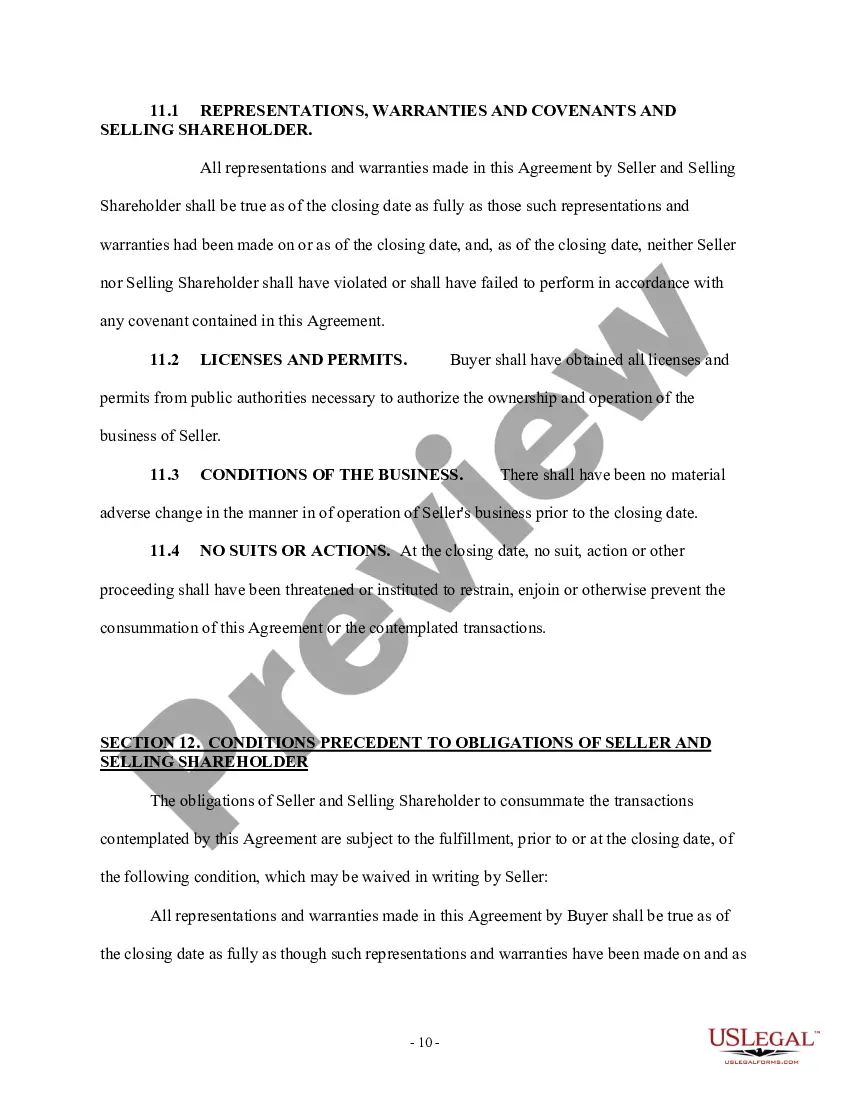


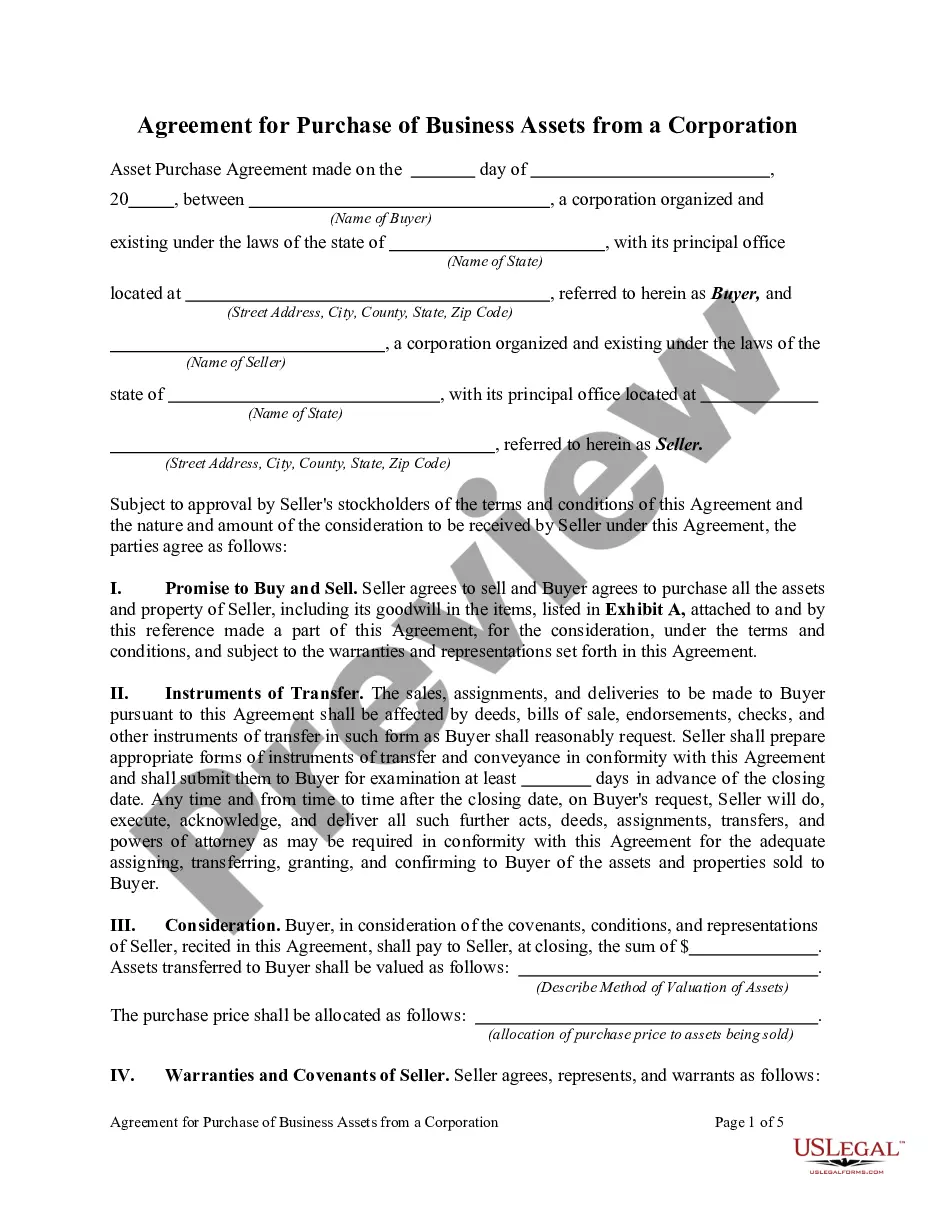
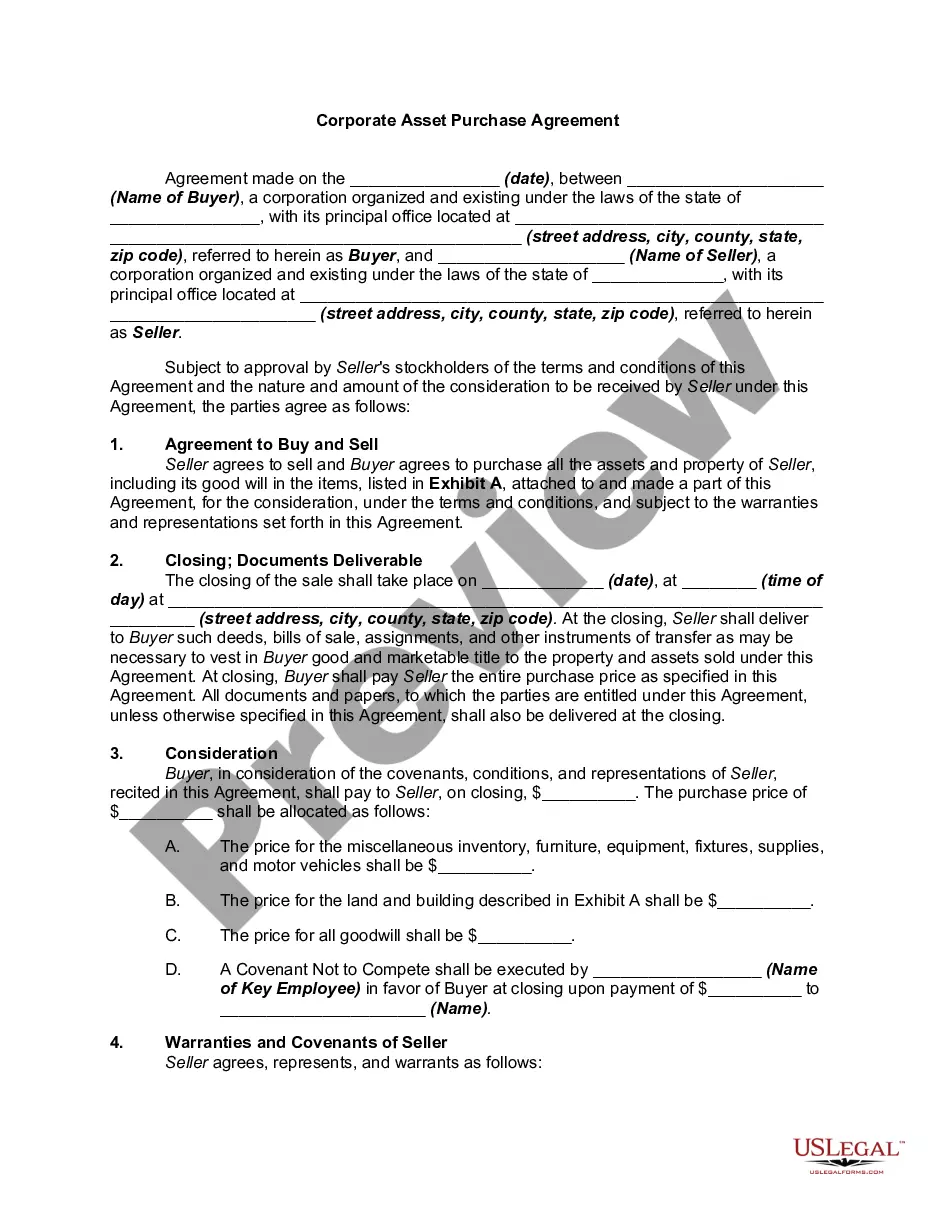
Get your form ready online
Our built-in tools help you complete, sign, share, and store your documents in one place.
Make edits, fill in missing information, and update formatting in US Legal Forms—just like you would in MS Word.
Download a copy, print it, send it by email, or mail it via USPS—whatever works best for your next step.
Sign and collect signatures with our SignNow integration. Send to multiple recipients, set reminders, and more. Go Premium to unlock E-Sign.
If this form requires notarization, complete it online through a secure video call—no need to meet a notary in person or wait for an appointment.
We protect your documents and personal data by following strict security and privacy standards.

Make edits, fill in missing information, and update formatting in US Legal Forms—just like you would in MS Word.

Download a copy, print it, send it by email, or mail it via USPS—whatever works best for your next step.

Sign and collect signatures with our SignNow integration. Send to multiple recipients, set reminders, and more. Go Premium to unlock E-Sign.

If this form requires notarization, complete it online through a secure video call—no need to meet a notary in person or wait for an appointment.

We protect your documents and personal data by following strict security and privacy standards.
Looking for another form?




Form popularity
FAQ
This is Georgia individual income tax short return form that is intended for state residents for filing their income tax. Form 500 EZ is for Georgia residents who have made less than $100,000 in a year and are not over the age of 65.
The biggest difference is that an SPA is the sale of all shares, and an APA is the sale of selected assets. Therefore, they are both different transactions and have different procedures.
Tax Forms and Publications Federal forms, instruction booklets, and publications are available to order online or by phone at 1-800-829-3676. Georgia State Tax forms are ONLY available online.
A penalty may be imposed for failure to file Form 8804 when due (including extensions). The penalty for not filing Form 8804 when due is usually 5% of the unpaid tax for each month or part of a month the return is late, but not more than 25% of the unpaid tax.
