Asset Business Sale Form For Small In Hennepin
Description



Get your form ready online
Our built-in tools help you complete, sign, share, and store your documents in one place.
Make edits, fill in missing information, and update formatting in US Legal Forms—just like you would in MS Word.
Download a copy, print it, send it by email, or mail it via USPS—whatever works best for your next step.
Sign and collect signatures with our SignNow integration. Send to multiple recipients, set reminders, and more. Go Premium to unlock E-Sign.
If this form requires notarization, complete it online through a secure video call—no need to meet a notary in person or wait for an appointment.
We protect your documents and personal data by following strict security and privacy standards.
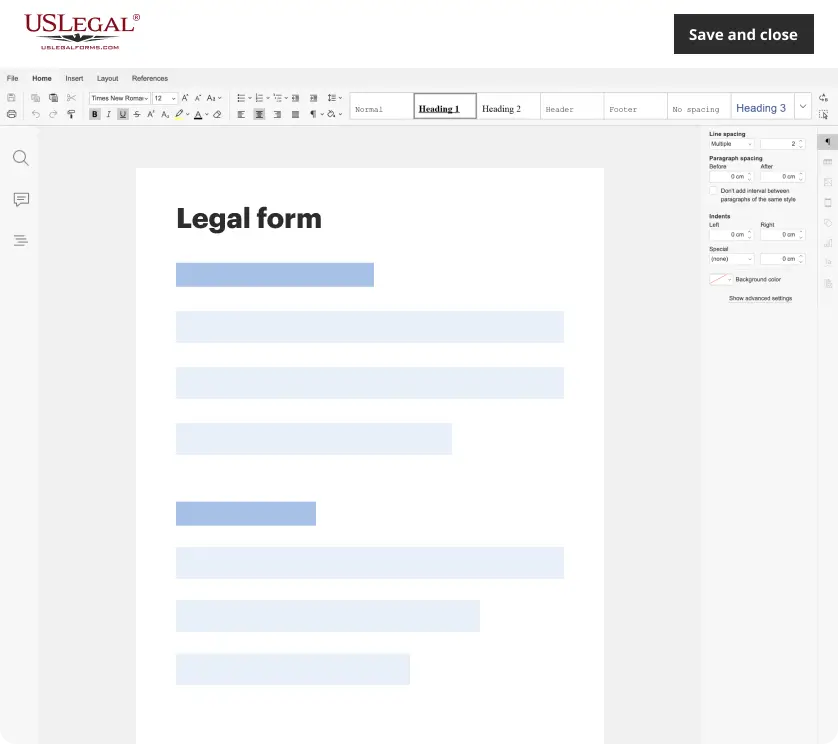
Make edits, fill in missing information, and update formatting in US Legal Forms—just like you would in MS Word.
Download a copy, print it, send it by email, or mail it via USPS—whatever works best for your next step.
Sign and collect signatures with our SignNow integration. Send to multiple recipients, set reminders, and more. Go Premium to unlock E-Sign.

If this form requires notarization, complete it online through a secure video call—no need to meet a notary in person or wait for an appointment.
We protect your documents and personal data by following strict security and privacy standards.
Looking for another form?
Form popularity
FAQ
Minnesota has a 9.8 percent corporate income tax rate. Minnesota also has a 6.875 percent state sales tax rate and an average combined state and local sales tax rate of 8.04 percent.
There are 526,350 small businesses in Minnesota that account for 99.5% of all businesses in the state.
Through the state's Small Business Procurement Program, OEP works to assist small businesses with the process of becoming certified, promotes opportunities to do business with the state, and provides assistance to small businesses owned by women, minorities, people with substantial physical disabilities, veterans, and ...
The Small Business Profiles are produced by the US Small Business Administration's Office of Advocacy ( ). These profiles define small businesses as firms with fewer than 500 employees.
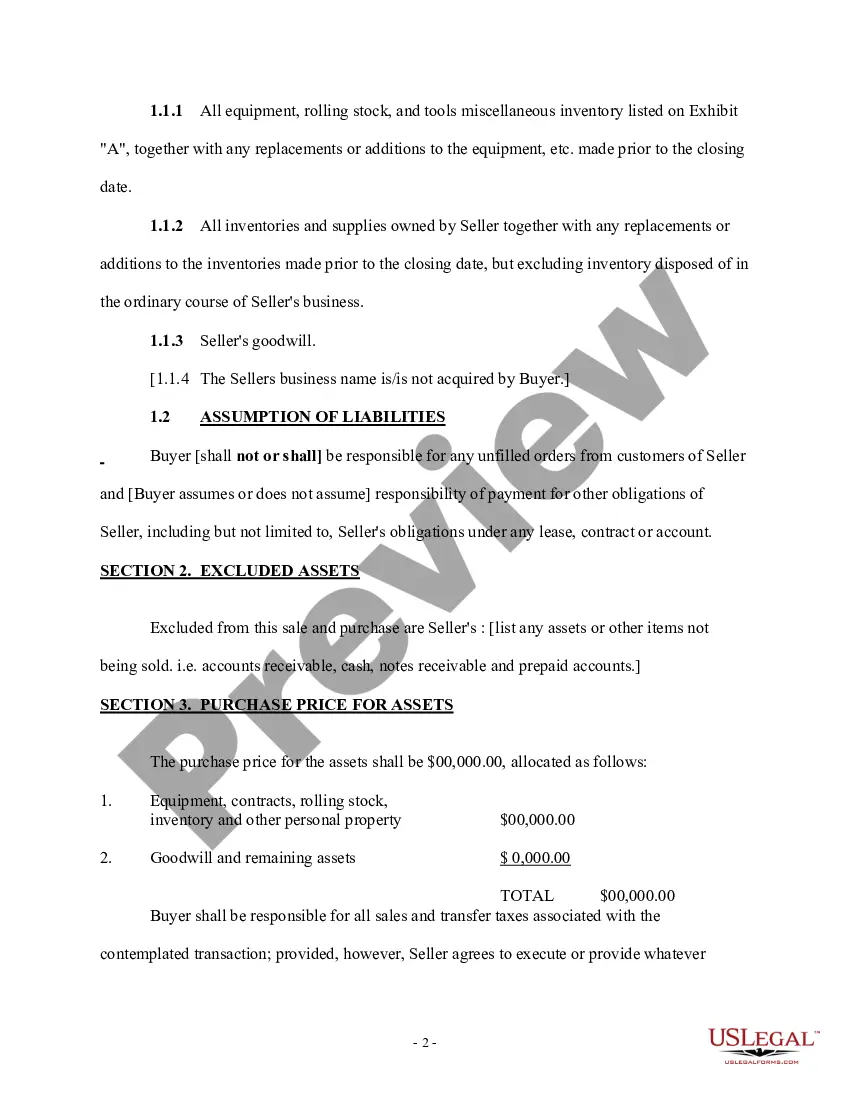
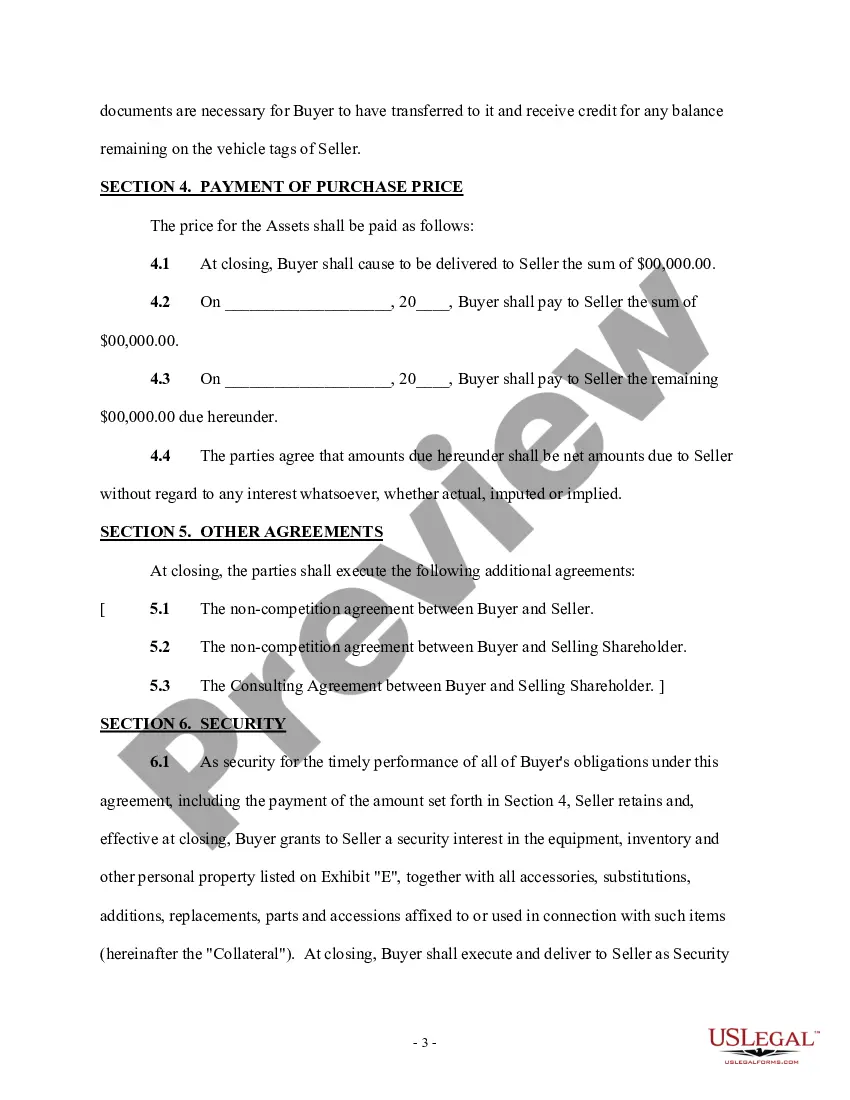
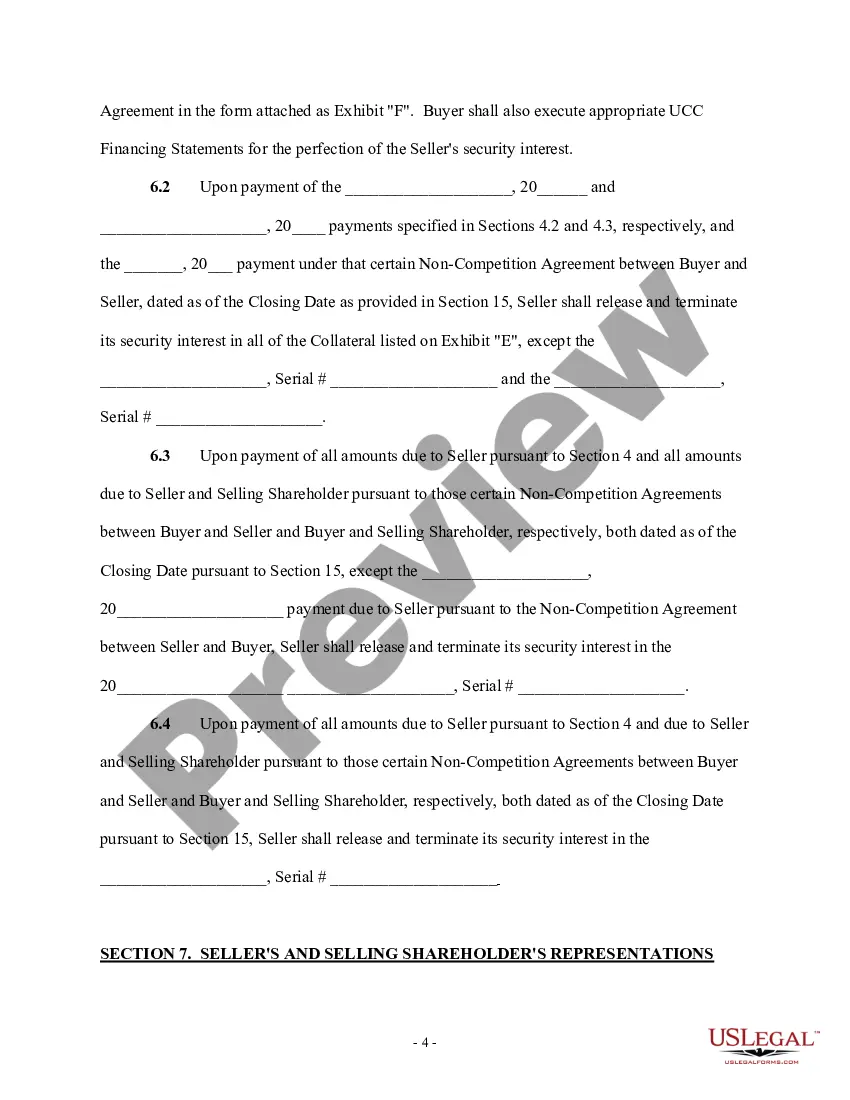
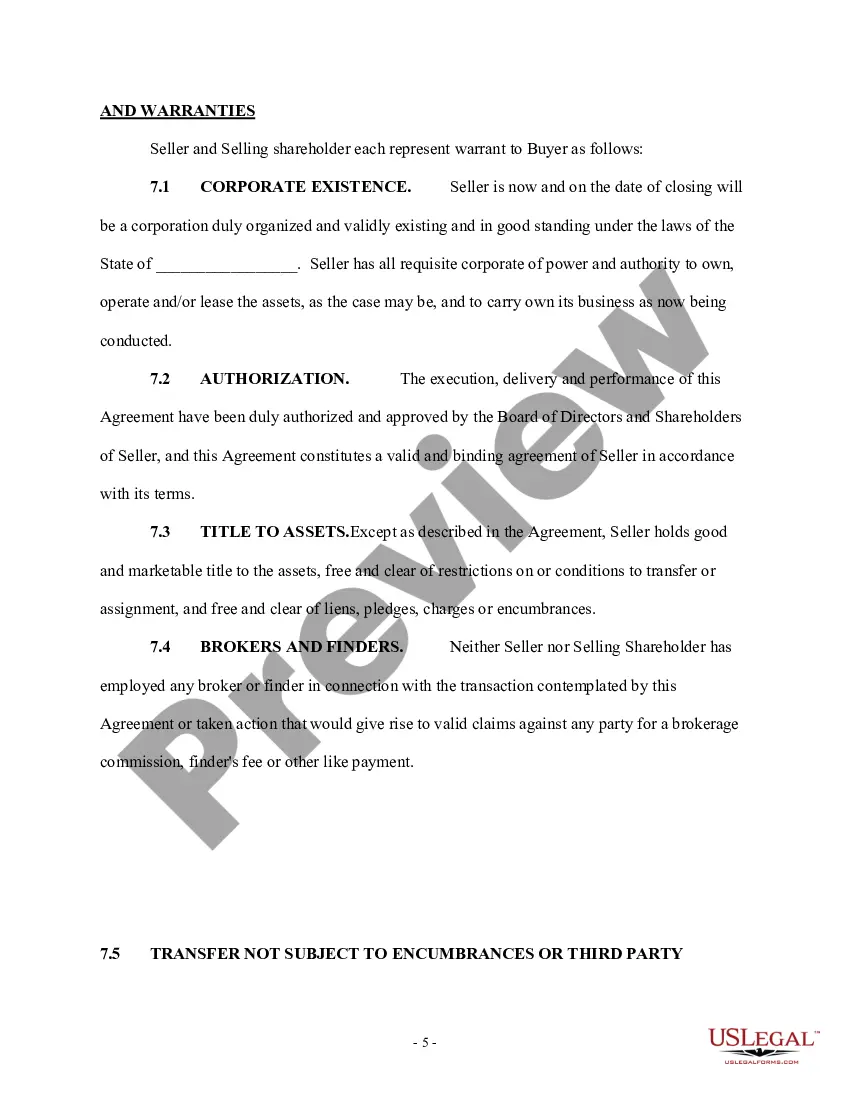
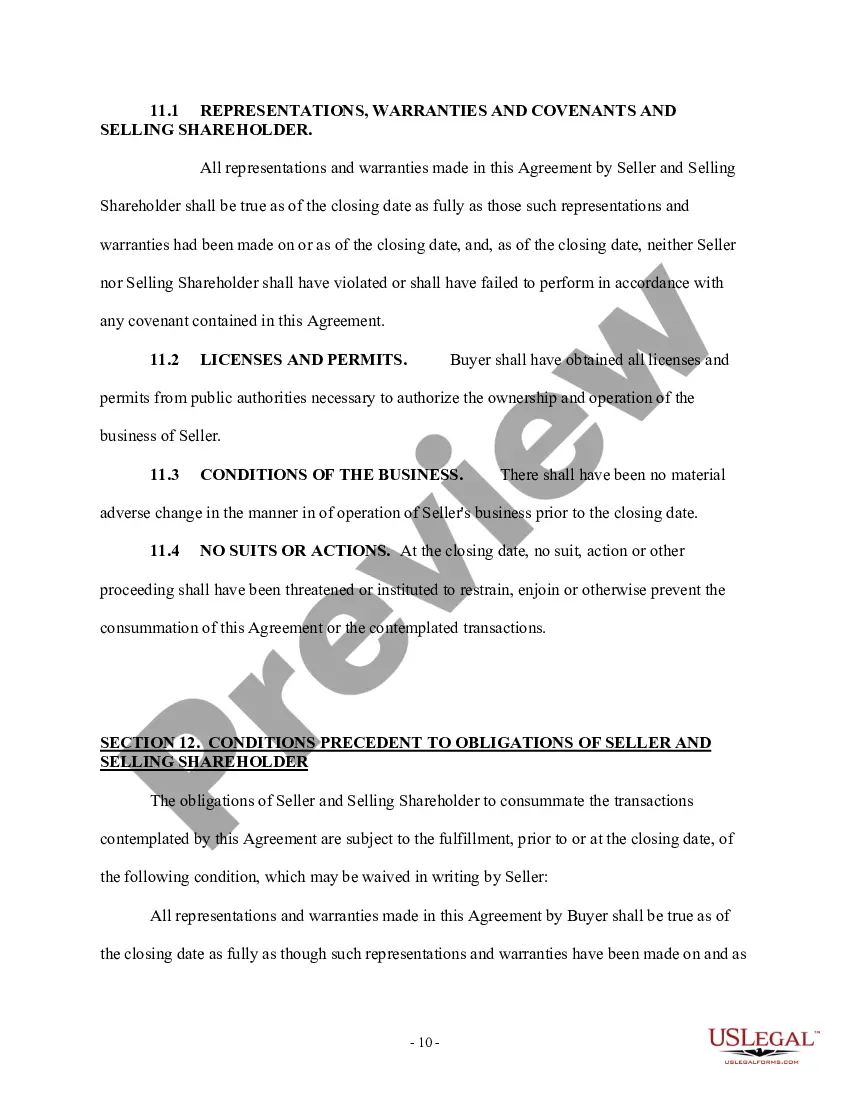
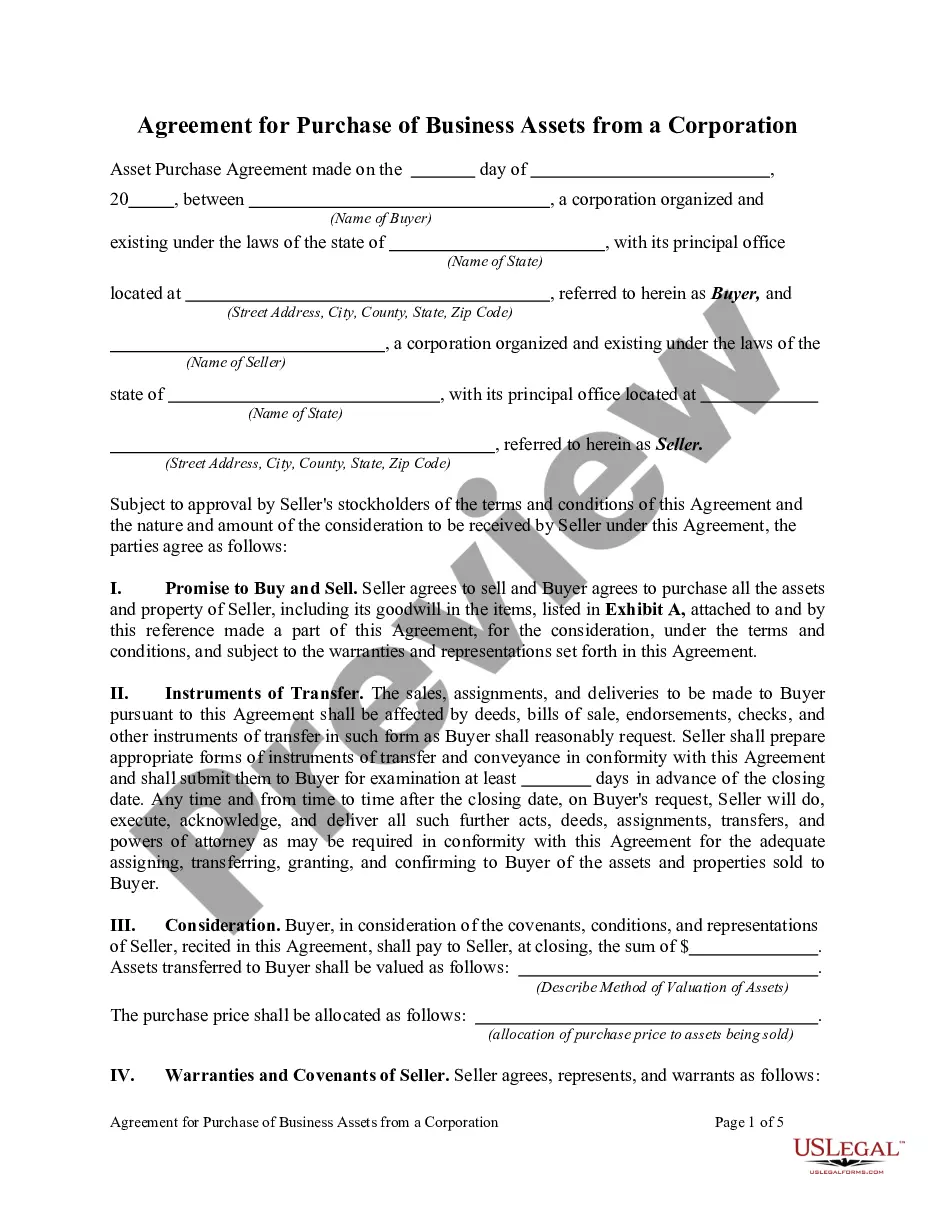
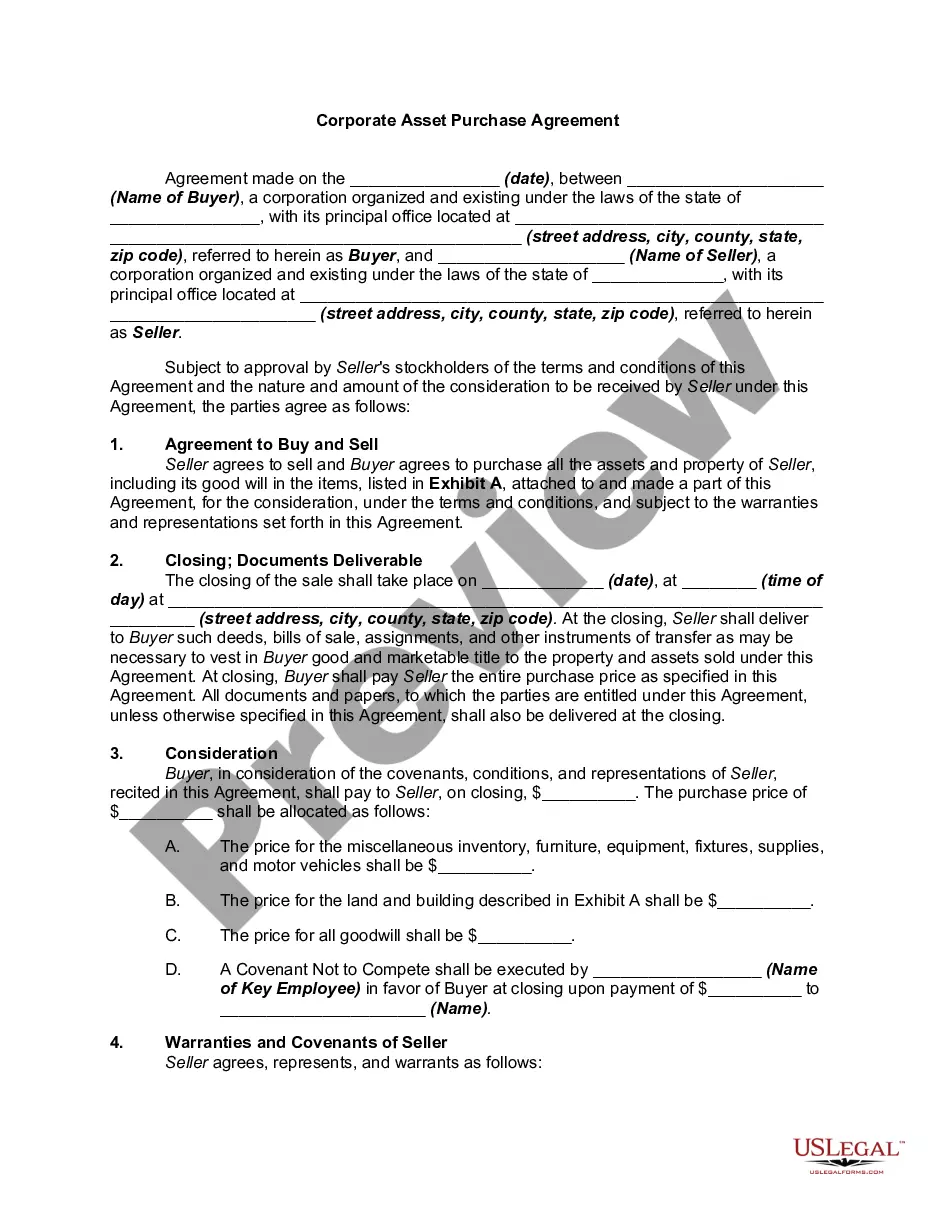
In an asset sale, the ownership of these acquired assets would change hands, with the buyer negotiating separately for each asset. In a stock sale, ownership of such assets does not change hands in the same way. The target still retains its ownership typically, even if the target has a new owner.
Overview of Small Estate Affidavit in MN Decedent's Information: Full name, date of death, and address at the time of death. Affiant's Information: Name and relationship to the decedent, along with their contact details. Asset Description: Detailed listing of the estate's assets, including their estimated values.
An asset sale occurs when a business sells all or a portion of its assets. The seller, or target company, in this type of deal, is still legally the owner of the company, but no longer owns the assets sold. In a stock sale, the buyer acquires equity from the target company's shareholders.
How to search business filings Go to the Business Filings Online page to get started. Search by Business Name: type the Business Name in the search box, click “Search” Search by File Number: click “File Number” (above the search box), enter the file number, and click “Search”
In an asset sale, the seller faces double taxation: the company pays taxes on the sale of assets, and shareholders are taxed on the distribution of proceeds. Buyers may benefit from tax deductions on depreciated assets. In a share sale, the seller typically incurs capital gains tax on the sale of shares.