Selling My Property With A Tenant In Miami-Dade
Description

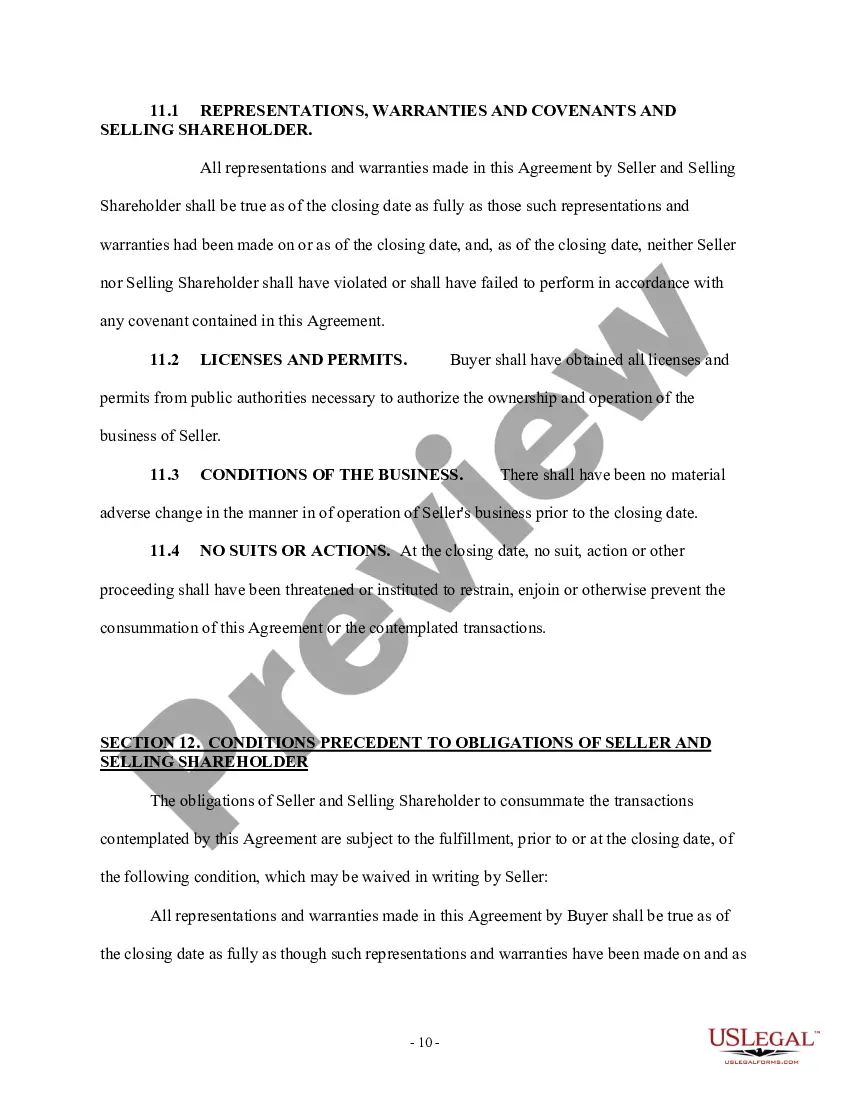


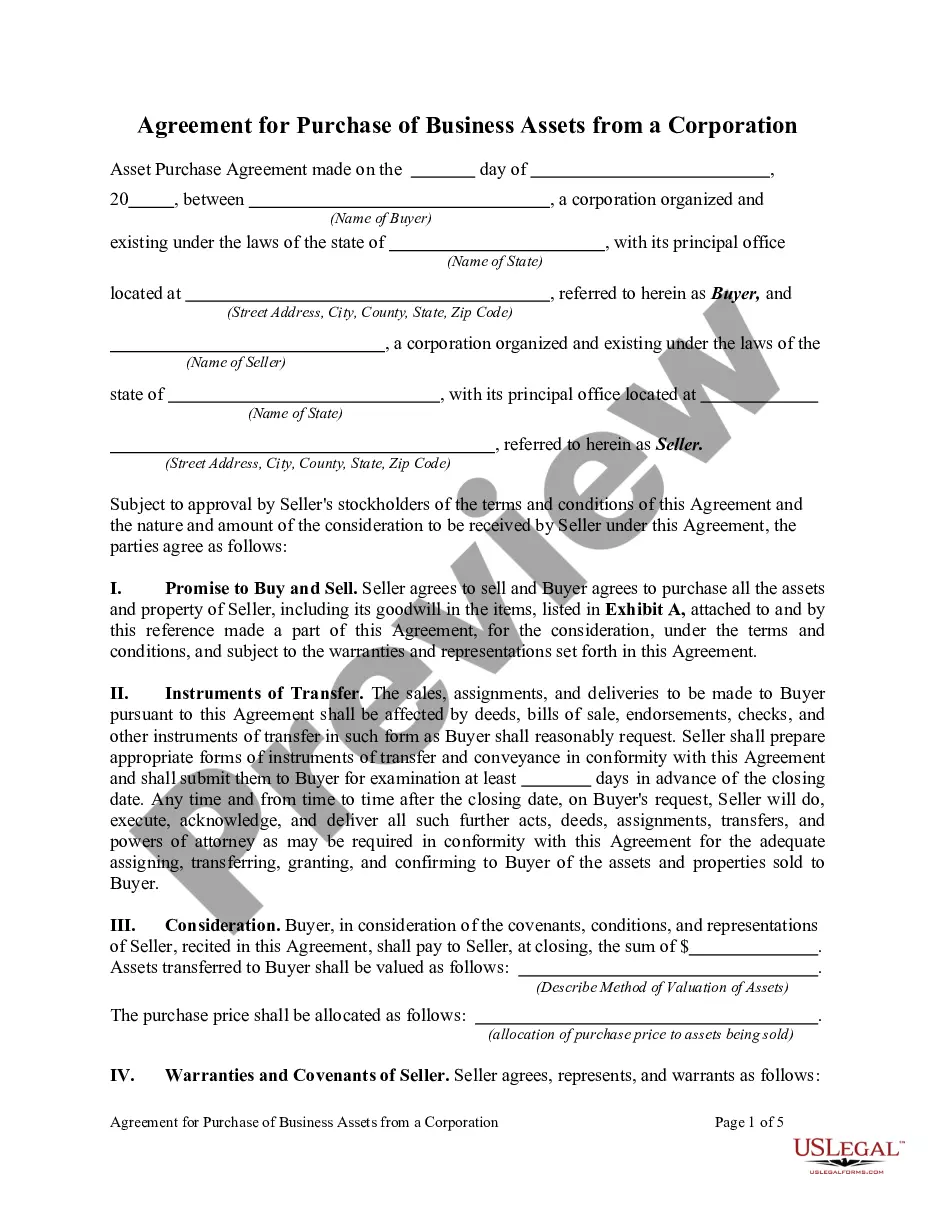
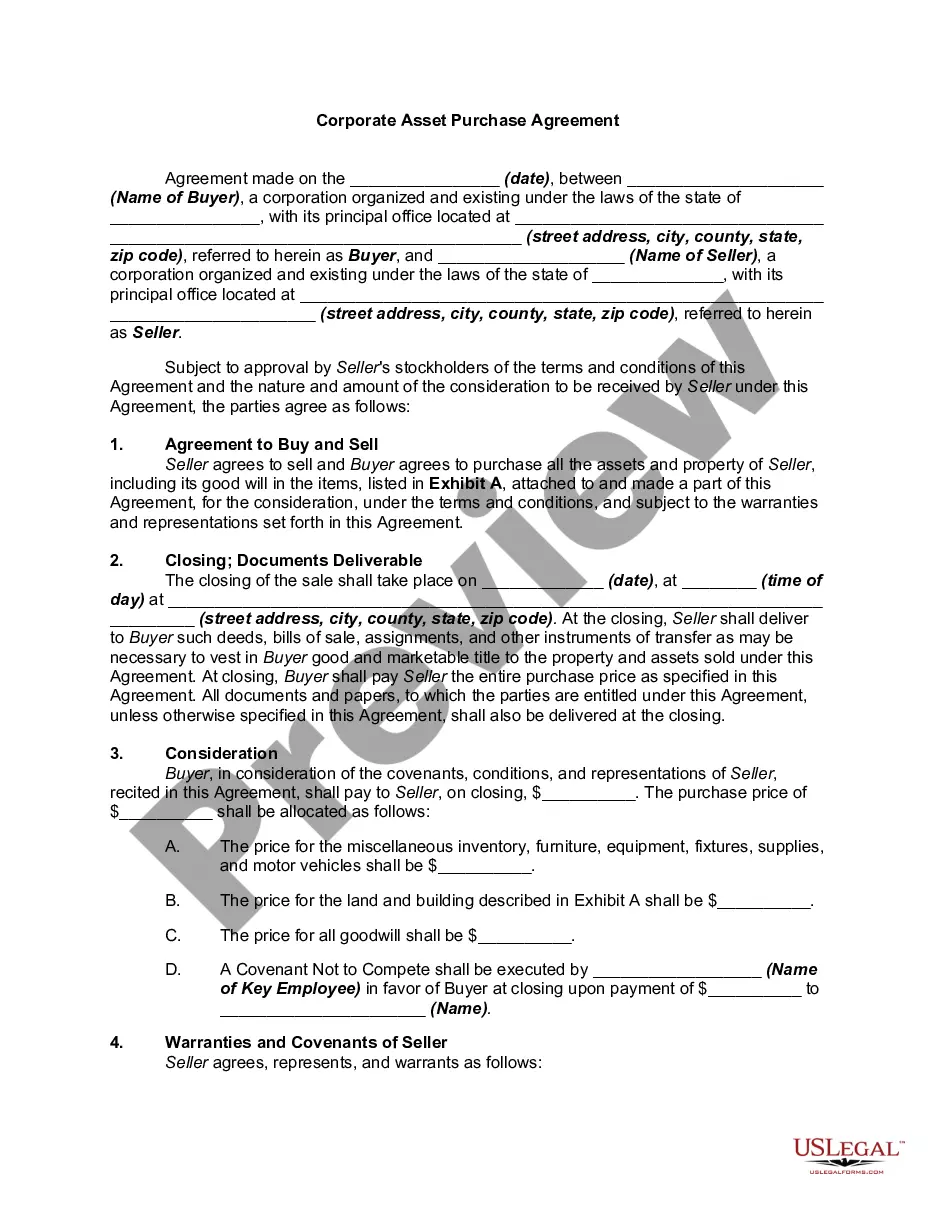
Get your form ready online
Our built-in tools help you complete, sign, share, and store your documents in one place.
Make edits, fill in missing information, and update formatting in US Legal Forms—just like you would in MS Word.
Download a copy, print it, send it by email, or mail it via USPS—whatever works best for your next step.
Sign and collect signatures with our SignNow integration. Send to multiple recipients, set reminders, and more. Go Premium to unlock E-Sign.
If this form requires notarization, complete it online through a secure video call—no need to meet a notary in person or wait for an appointment.
We protect your documents and personal data by following strict security and privacy standards.

Make edits, fill in missing information, and update formatting in US Legal Forms—just like you would in MS Word.

Download a copy, print it, send it by email, or mail it via USPS—whatever works best for your next step.

Sign and collect signatures with our SignNow integration. Send to multiple recipients, set reminders, and more. Go Premium to unlock E-Sign.

If this form requires notarization, complete it online through a secure video call—no need to meet a notary in person or wait for an appointment.

We protect your documents and personal data by following strict security and privacy standards.
Looking for another form?
Form popularity
FAQ
Yes, the landlord can sell the property. If you have a lease, it must be honored by the new owner. If you have no lease, and are a month to month tenant, the new owner can ask you to leave, subject to whatever notification is required in your state.
In Florida, if you have a month-to-month lease and your landlord wants to sell, they are legally required to give you a written notice of at least 15 days before the end of your rental period. This means they can't just spring a move-out date on you. Let's say your rent is due on the first of every month.
The personal representative of a Florida estate can sell real property during probate administration.
On August 17, 2024, Realtors that represent Sellers are no longer required to offer commission to the Buyer's Agents. As a result, Buyers will have to sign a separate agreement with a Realtor.
Unlicensed Practice of Real Estate is a Third Degree Felony in Florida. Under Florida Statute 475.42(1)(a), the crime of Unlicensed Practice of Real Estate is committed when a person engages in real estate activities listed under Florida Statute 475.01(1)(a) without a real estate license for compensation.
No, your lease does not automatically terminate. In Florida, leases are typically “binding” on the new owner, meaning your current lease terms remain effective until the lease expires. However, the new owner can terminate your lease upon a 30-day notice, but they must provide cause for termination.
They can sell the house, and they can delegate someone else to be the 'owner' of the lease, but they can't terminate the lease. The lease stays with the property. The new landlords don't have to renew the lease when it's up, but they have to honor this original lease.
The landlord cannot make the late penalty too high, he cannot include provisions that make you forfeit your personal property without going to court, nor can he throw you out without going to court for nonpayment of rent. These are illegal provisions and will not be recognized by the courts.
The new buyer must honor the lease terms, including the rental amount, lease duration, and deposit terms. For month-to-month renters, the new landlord must still provide written notice (usually 15 days for month-to-month agreements under Florida law) if they want to terminate the agreement after the sale.