Affidavit Of Forgery Form With Decimals In Orange
Description

Get your form ready online
Our built-in tools help you complete, sign, share, and store your documents in one place.
Make edits, fill in missing information, and update formatting in US Legal Forms—just like you would in MS Word.
Download a copy, print it, send it by email, or mail it via USPS—whatever works best for your next step.
Sign and collect signatures with our SignNow integration. Send to multiple recipients, set reminders, and more. Go Premium to unlock E-Sign.
If this form requires notarization, complete it online through a secure video call—no need to meet a notary in person or wait for an appointment.
We protect your documents and personal data by following strict security and privacy standards.
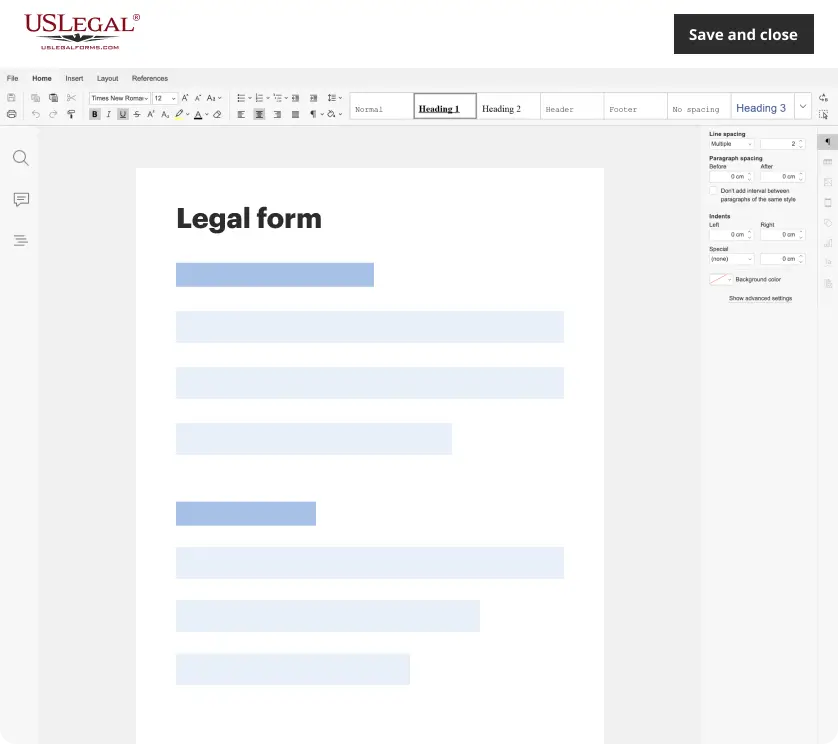
Make edits, fill in missing information, and update formatting in US Legal Forms—just like you would in MS Word.
Download a copy, print it, send it by email, or mail it via USPS—whatever works best for your next step.
Sign and collect signatures with our SignNow integration. Send to multiple recipients, set reminders, and more. Go Premium to unlock E-Sign.

If this form requires notarization, complete it online through a secure video call—no need to meet a notary in person or wait for an appointment.
We protect your documents and personal data by following strict security and privacy standards.
Looking for another form?
Form popularity
FAQ
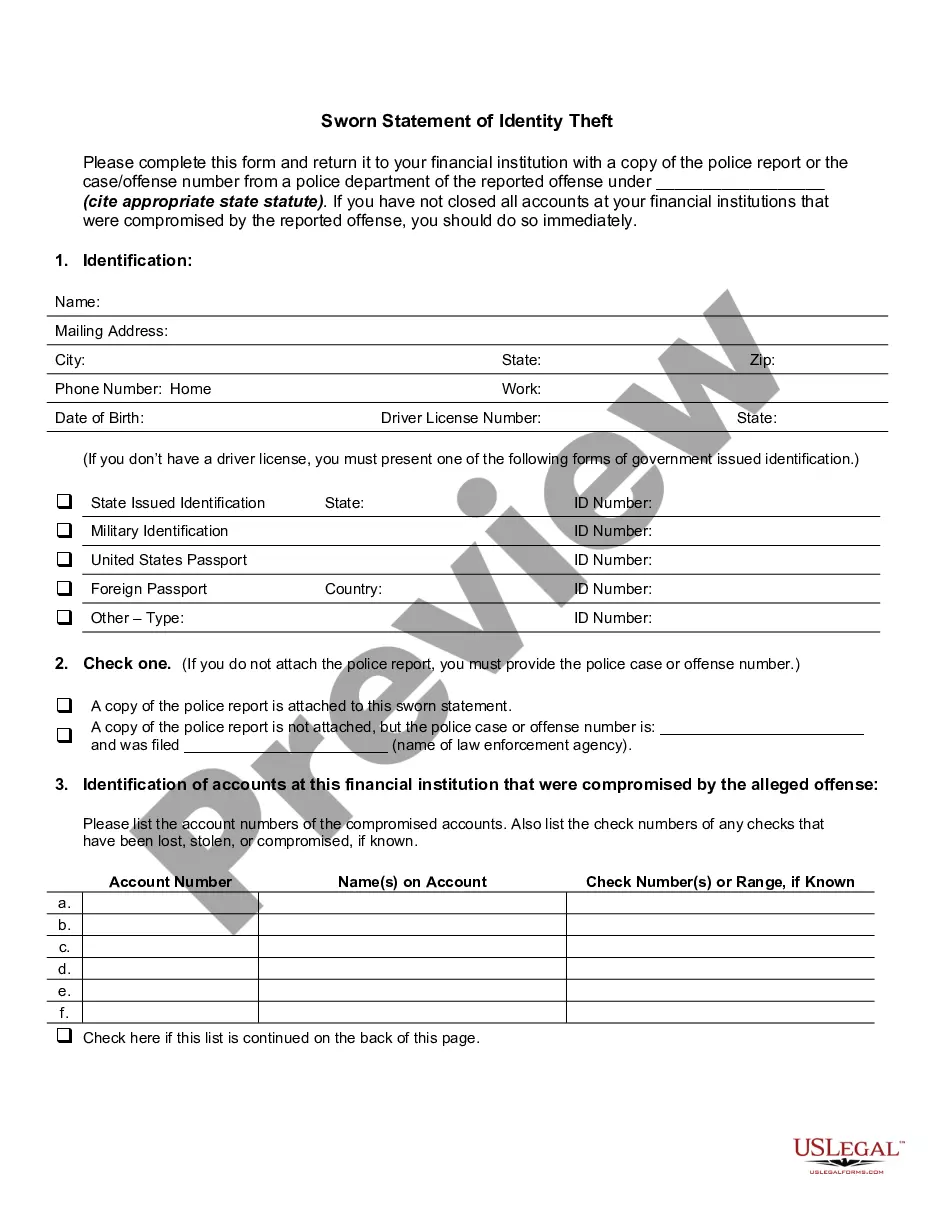
Examples of Forgery Creating a counterfeit seal of another individual or entity. Falsifying, altering, counterfeiting or duplicating a driver's license or government-issued ID card. Falsifying, altering or forging an entry in a book of records. Modifying a medical record with fraudulent intent.
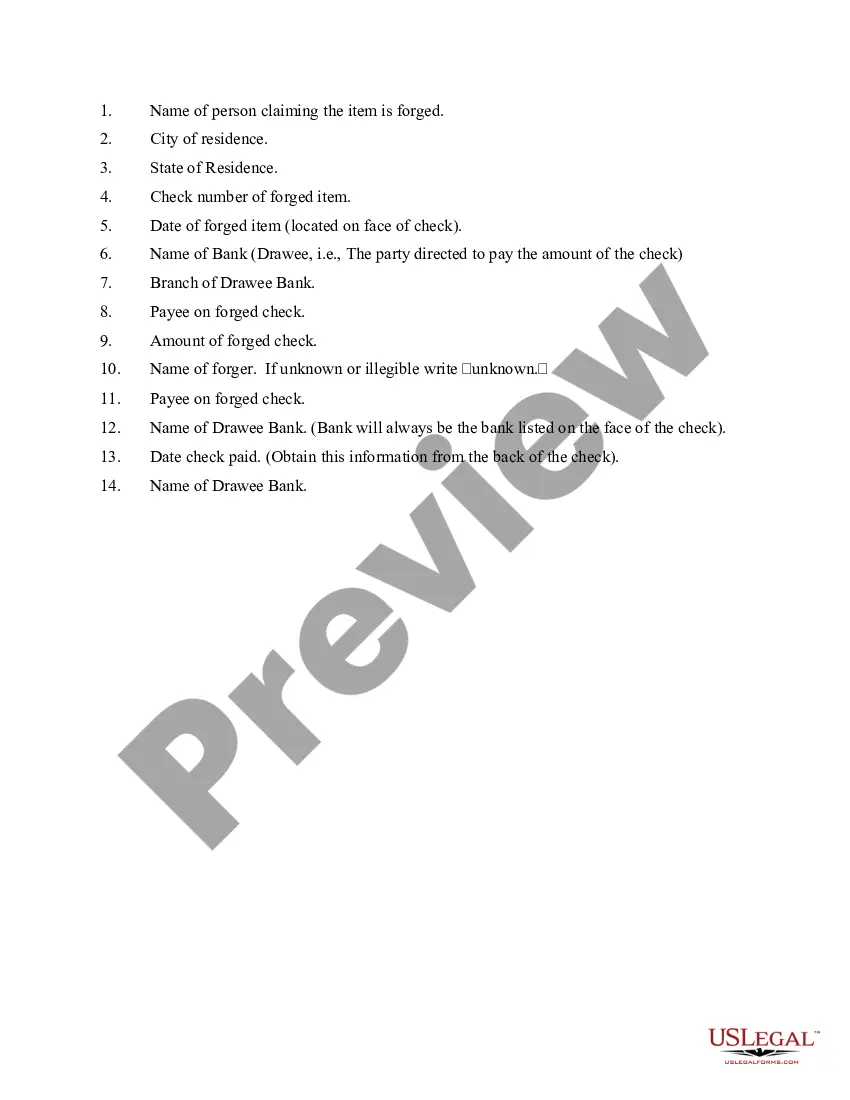
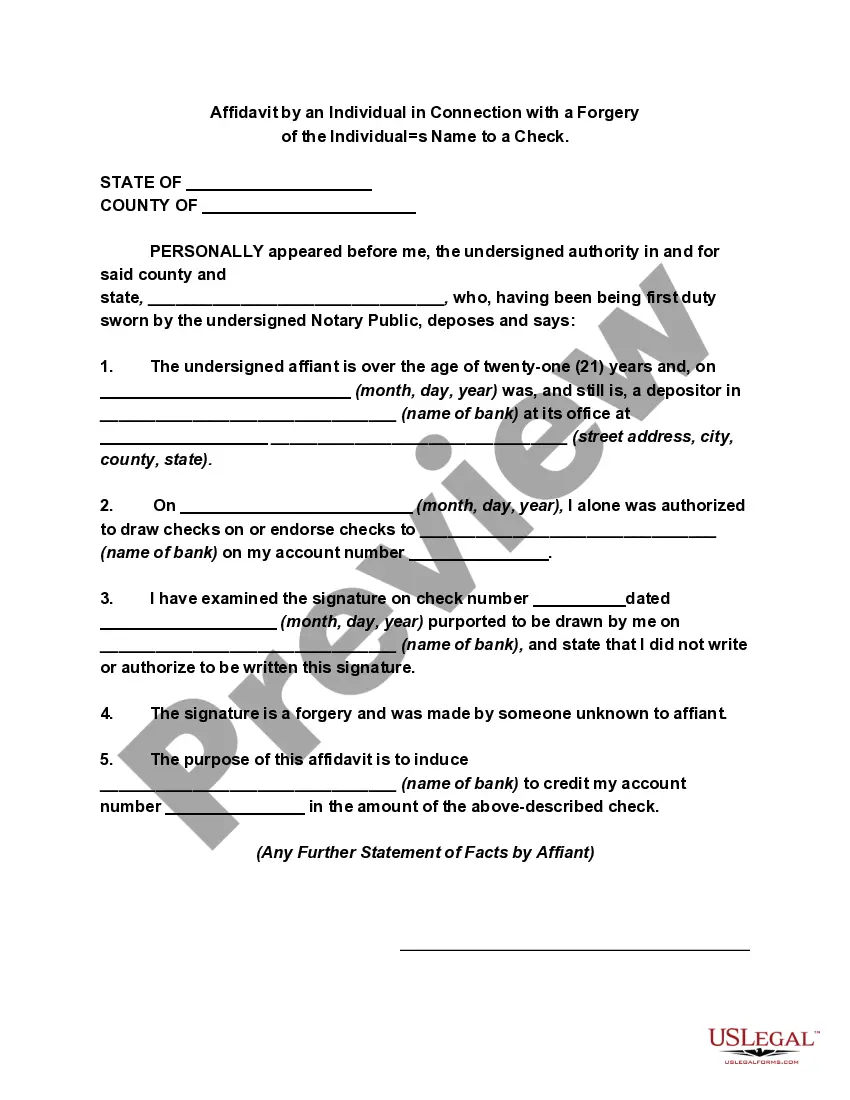
An “Affidavit of Forgery" is a notarized, sworn statement, attesting that the signature appearing on it is indeed a forgery. The account holder MUST provide an Affidavit of Forgery before any criminal charges can be filed! An affidavit must accompany each forged or counterfeited item.
An “Affidavit of Forgery" is a notarized, sworn statement, attesting that the signature appearing on it is indeed a forgery. The account holder MUST provide an Affidavit of Forgery before any criminal charges can be filed! An affidavit must accompany each forged or counterfeited item.
Affidavits can occur any time a formal promise is made, and they are often used as a form of documentation tied to a specific person in the proceedings. They are often used in court to serve as evidence toward a singular side in a dispute, or to affirm a claim that someone is making.
Proving forgery in court can be challenging since it often requires the testimony of an expert who has conducted a detailed examination of various elements of a document, such as the paper, they typed fonts, the date, handwriting and time sequences all in the context of the content of the document.
A forged endorsement on a check is different from a forged signature on a check. A forged endorsement involves forging the payee's signature for negotiation. Frequently, a forged endorsed check contains the true signature of the account holder.
In a forged maker scheme, an employee misappropriates a check and fraudulently applies the signature of an authorized maker (person who signs the check). In order to forge a check, an employee must have access to a blank check and be able to produce a convincing forgery of an authorized signature.
Examples. A bill is endorsed, “payable to X or order”. X endorses it in blank and it comes into the hands of Y, who simply delivers it to A. A would then forge Y's endorsement and transfers it to B.
A forged endorsement can only happen if someone forges the payee's name. If an account holder signs a blank check and someone makes it out to themselves, that is not the same as a forged endorsement. In this case, the customer is almost always liable.
An “Affidavit of Forgery" is a notarized, sworn statement, attesting that the signature appearing on it is indeed a forgery. The account holder MUST provide an Affidavit of Forgery before any criminal charges can be filed! An affidavit must accompany each forged or counterfeited item.
