Sample Demand Letter For Defamation In Minnesota
Description





Form popularity
FAQ
To establish a defamation claim in Minnesota, a plaintiff must establish the following three elements: (1) the defamatory statement is “communicated to someone other than the plaintiff,” (2) the statement is false, and (3) the statement “tends to harm the plaintiff's reputation and to lower the plaintiff in the ...
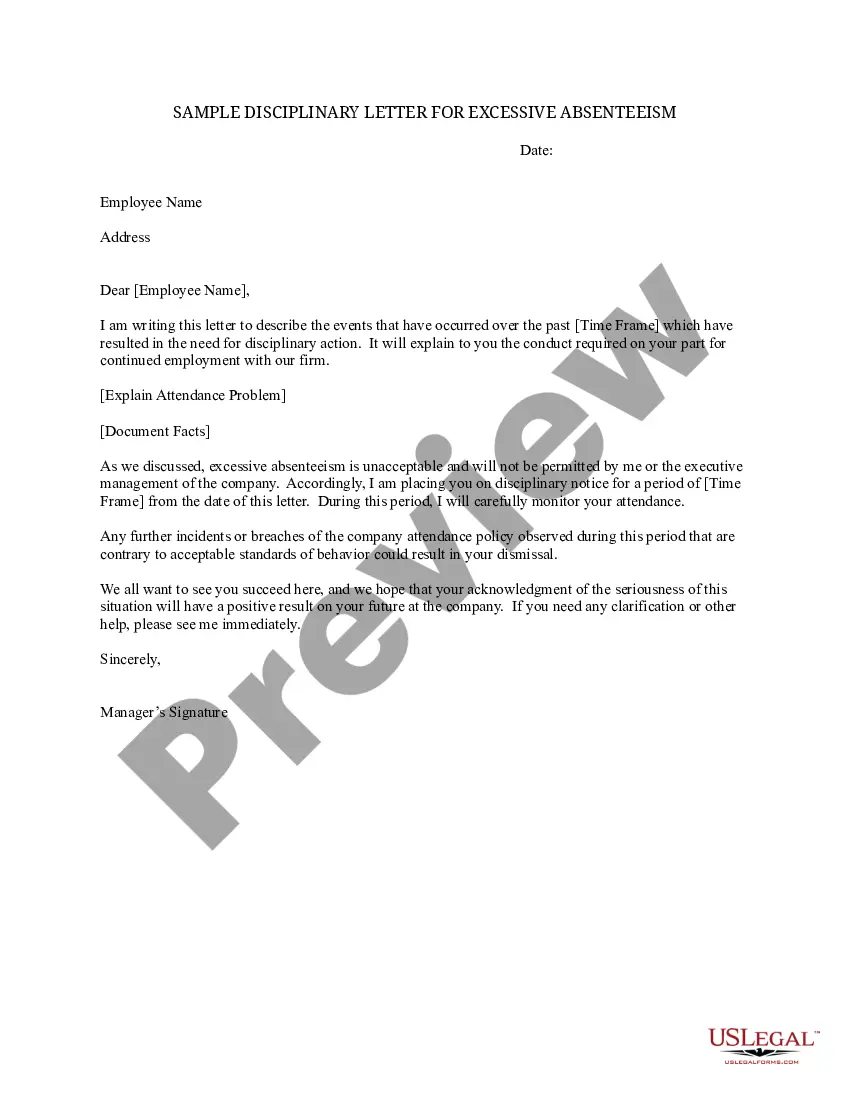
If you decide to do it alone, your letter should state the specific defamatory statements made, confirm that they are defamatory, indicate the reputational harm caused, demand an apology and retraction of those statements, and demand that they cease making further statements failing which you will sue them.
Elements of a Defamation Claim in Minnesota To successfully sue for defamation in Minnesota, you generally need to prove the following elements: A false statement was made about you: The statement must be objectively false. This means it can be proven true or untrue.
Libel is an untrue defamatory statement that is made in writing. Slander is an untrue defamatory statement that is spoken orally. The difference between defamation and slander is that a defamatory statement can be made in any medium. It could be in a blog comment or spoken in a speech or said on television.
An effective defamation cease and desist letter will usually begin with a clear and factual introduction of the involved parties. Following this, the letter should present the facts in a chronological order, beginning with the earliest incident and progressing through subsequent events.
595.025 DEFAMATION. The prohibition of disclosure provided in section 595.023 shall not apply in any defamation action where the person seeking disclosure can demonstrate that the identity of the source will lead to relevant evidence on the issue of actual malice.
If you decide to do it alone, your letter should state the specific defamatory statements made, confirm that they are defamatory, indicate the reputational harm caused, demand an apology and retraction of those statements, and demand that they cease making further statements failing which you will sue them.
I am writing because you recently made defamatory statements about me my company my company and me. I ask that you immediately retract these statements. On date, you summarize what recipient did that is defamatory.
To establish a defamation claim in Minnesota, a plaintiff must establish the following three elements: (1) the defamatory statement is “communicated to someone other than the plaintiff,” (2) the statement is false, and (3) the statement “tends to harm the plaintiff's reputation and to lower the plaintiff in the ...

