Hoa By Bylaws In Santa Clara
Description


Form popularity
FAQ
The best way to strategize on short-term rental restrictions is to speak to a board member. At the same time, you can consult the CC&Rs' (Covenants, conditions, and restrictions) advice. Knowing the potential risks of getting around HOA's restrictions is important. And we highly recommend doing it the legal way.
Be concise and make your purpose/request clear. You can add a friendly greeting at the beginning, but there is no need to provide paragraphs of background information or personal opinions. Offer a solution, if possible. Complete the letter or email with a suggestion on how the board can take action.
No, there is not a way to ``leave the HOA'' without moving. The HOA covenants are tied to the property permanently.
Once you buy a home that's part of an HOA, you automatically become a member of the HOA. HOA rules are legally binding, and you must adhere to all rules and regulations in the governing document. Yes, there are bylaws that you may not like, but there are no HOA loopholes.
The local law supersedes the rules and regulations of the HOA, meaning that HOAs must ensure they are operating under the law.
What are unenforceable HOA rules? Keep you out of court. Hush up litigation. Discriminate indiscriminately. Enter your home without cause or notice. String you out on the (clothes)line. Fine you for fun. Change rules on the fly. Demand you take down your dish.
Homeowners often ask whether local laws supersede the rules and regulations set forth by their homeowner association (HOA). The short answer is yes, local laws do supersede HOA rules.
The only way to force an HOA to enforce the rules is file for arbitration against the HOA or gain support from neighbors and recall the board. There is no FL government sector that watches over HOAs.
Disclosure Requirements Disclosure is mandated by law, often through public records and real property records. Before purchasing a home, buyers must receive a set of documents detailing the HOA's health, such as its covenants, conditions, restrictions, bylaws, rules, and financial statements.
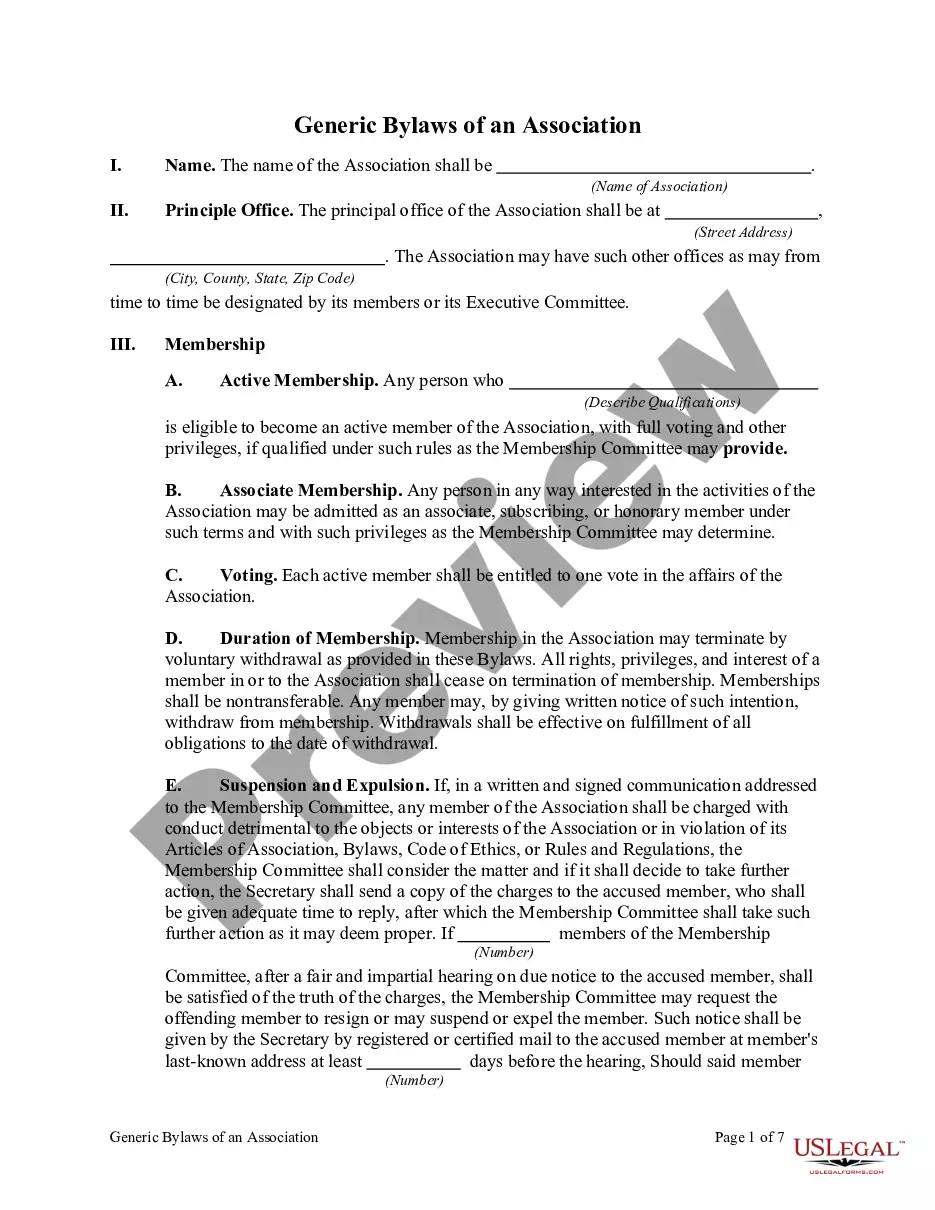
In some states, such as California, HOA bylaws are considered public record and must be made available upon request.
