Bodily Injury Release Form Florida In Philadelphia
Description


Form popularity
FAQ
Florida Uses Comparative Negligence Rules For example, some states allow a party who is “less” at fault to receive compensation, while others do not. Florida uses the pure comparative negligence rule, where the amount of compensation can be reduced based on the degree of fault you had in the accident.
A bodily injury is a physical injury to a person. broken bones, nerve damage, pain, brain damage, and.
Examples of Intentional Bodily Harm Intentional bodily harm can manifest in various forms, including: Using a weapon: Assaulting someone with a knife, gun, or any other deadly weapon. Causing serious injury: Inflicting injuries that result in permanent disability or disfigurement.
In March 2023, Florida passed H.B. 837. Governor Ron DeSantis signed the bill into law. This new law reduced the statute of limitations from four years to two years for cases based on negligence. The law affects the filing deadline for accidents that occurred after the effective date of March 24, 2023.
Bodily injury liability insurance provides coverage if you're responsible for injuring others in an accident, covering their medical expenses and other damages. Personal Injury Protection (PIP), required in Florida, covers a portion of your medical expenses regardless of fault.
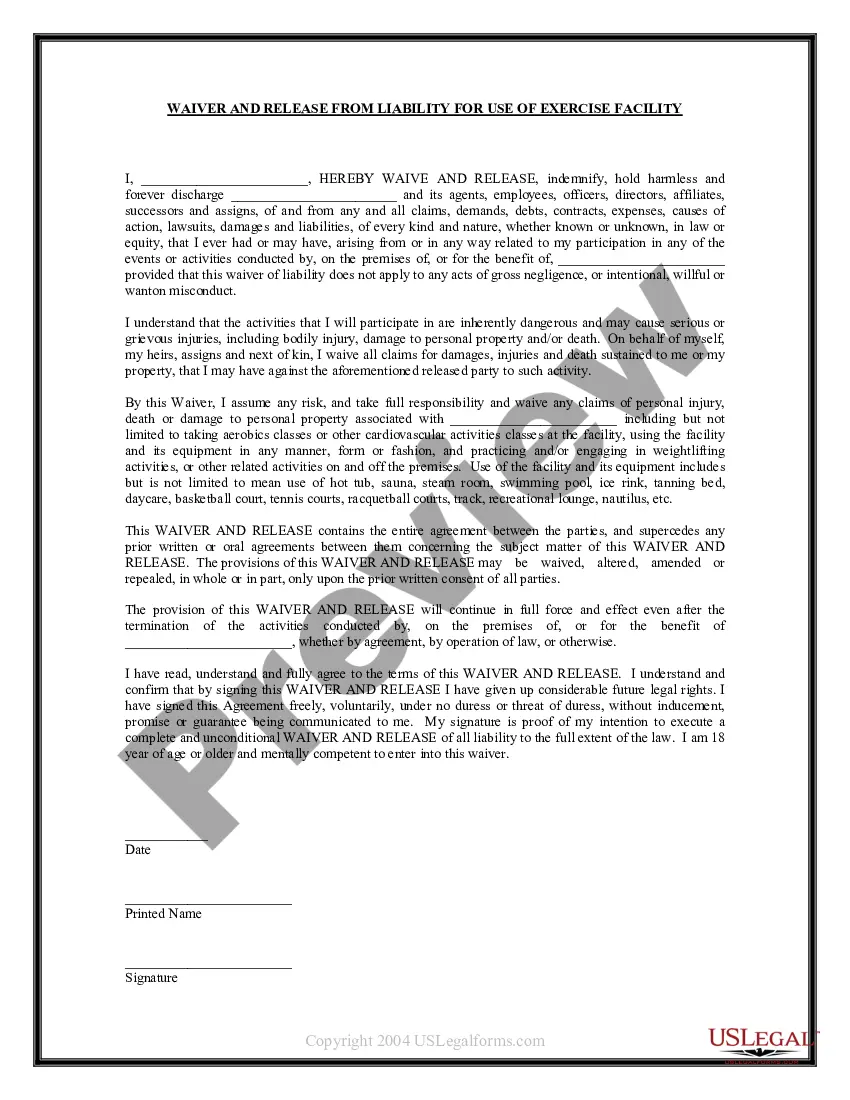
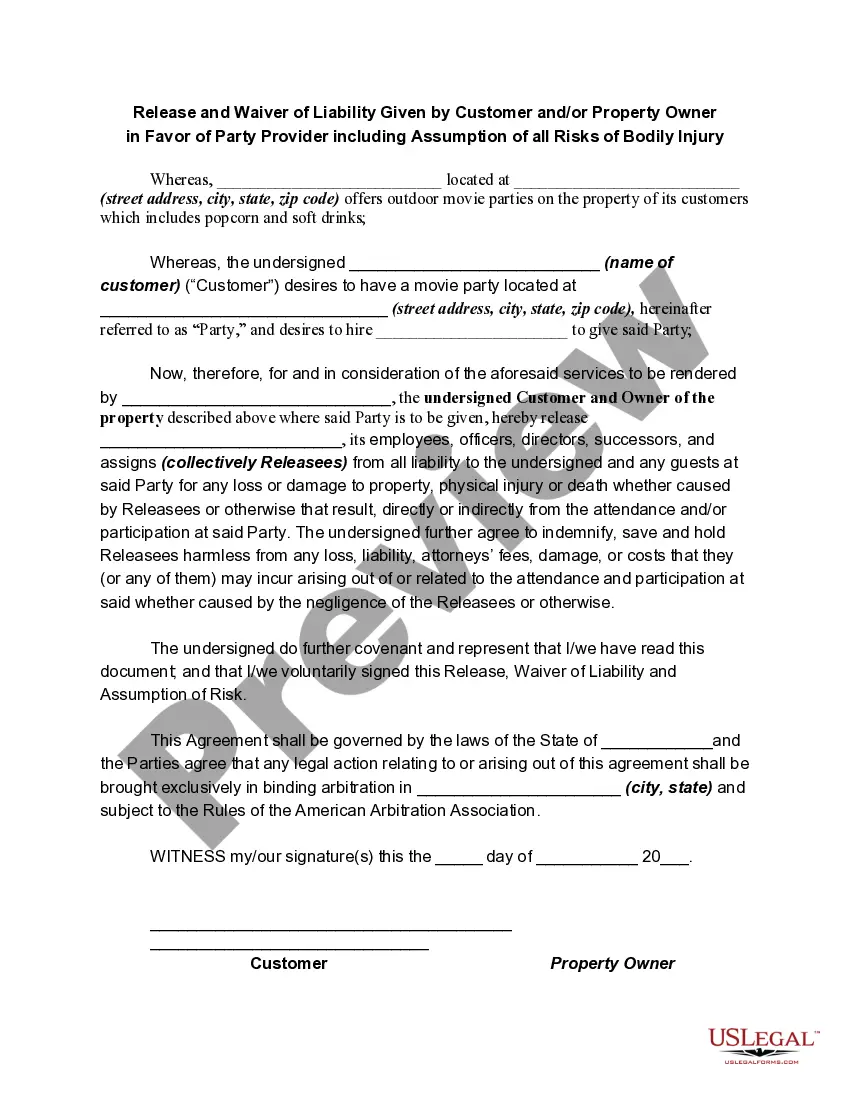
Also known as a liability waiver form, the release of all claims form is signed when the defendant and plaintiff reach a settlement in a lawsuit. It does three things, including: Resolving the issue between the two parties. Dismissing the plaintiff's claims. Releasing the defendant from liability.
A written contract (or provision in a contract) in which one or more parties agree to give up legal causes of action against the other party in exchange for adequate consideration (that is, something of value to which the party releasing the legal claims is not already entitled).
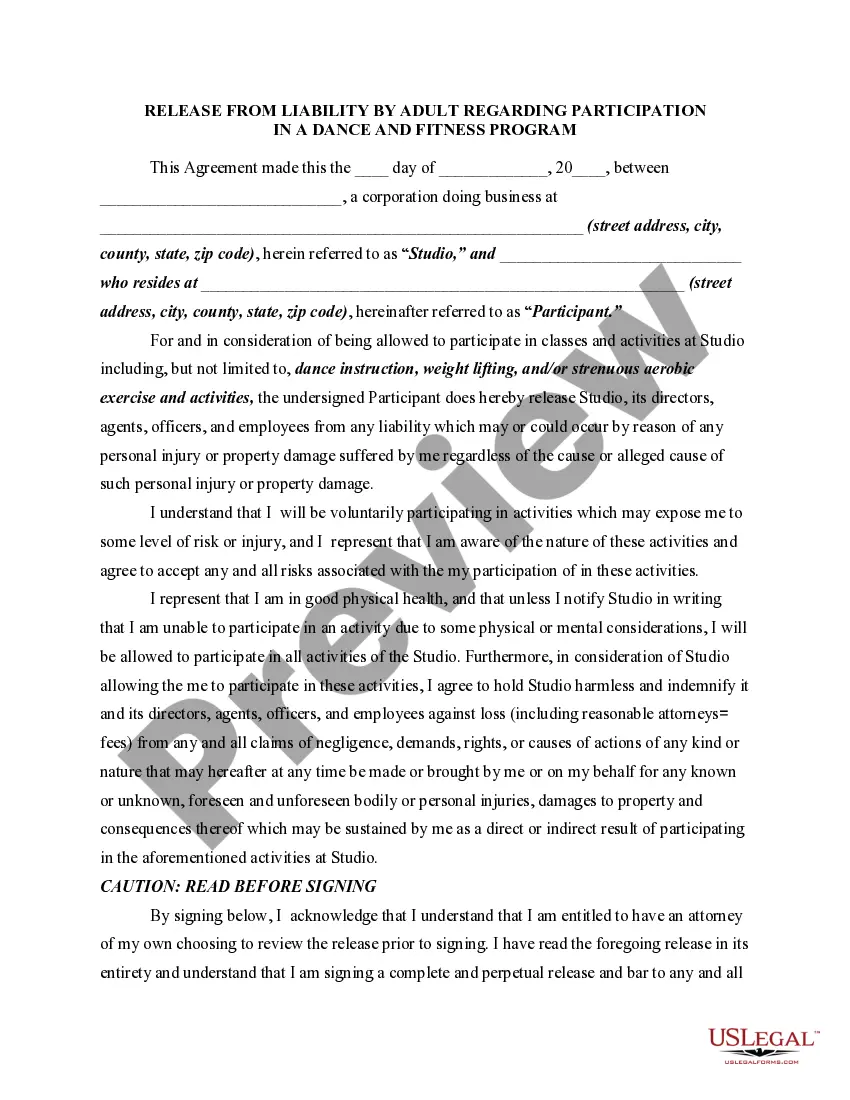
A release of liability (commonly referred to as a liability waiver or an exculpatory agreement) governed by Florida law given or signed by a prospective participant in a potentially dangerous activity in favor of the company providing access to the activity.
What is the release of all claims in Florida? In Florida, a release of all claims is a legally binding agreement that an individual signs to waive their right to pursue any future claims against another party regarding a specific incident or set of circumstances.
As mentioned earlier, bodily injury claims in Florida are based on the state's “no-fault” insurance system. This means that, regardless of who is at fault for an accident, each driver's own insurance company pays for their personal injury expenses up to a certain limit.
