Difference Between A Commercial And Retail Lease In Cuyahoga
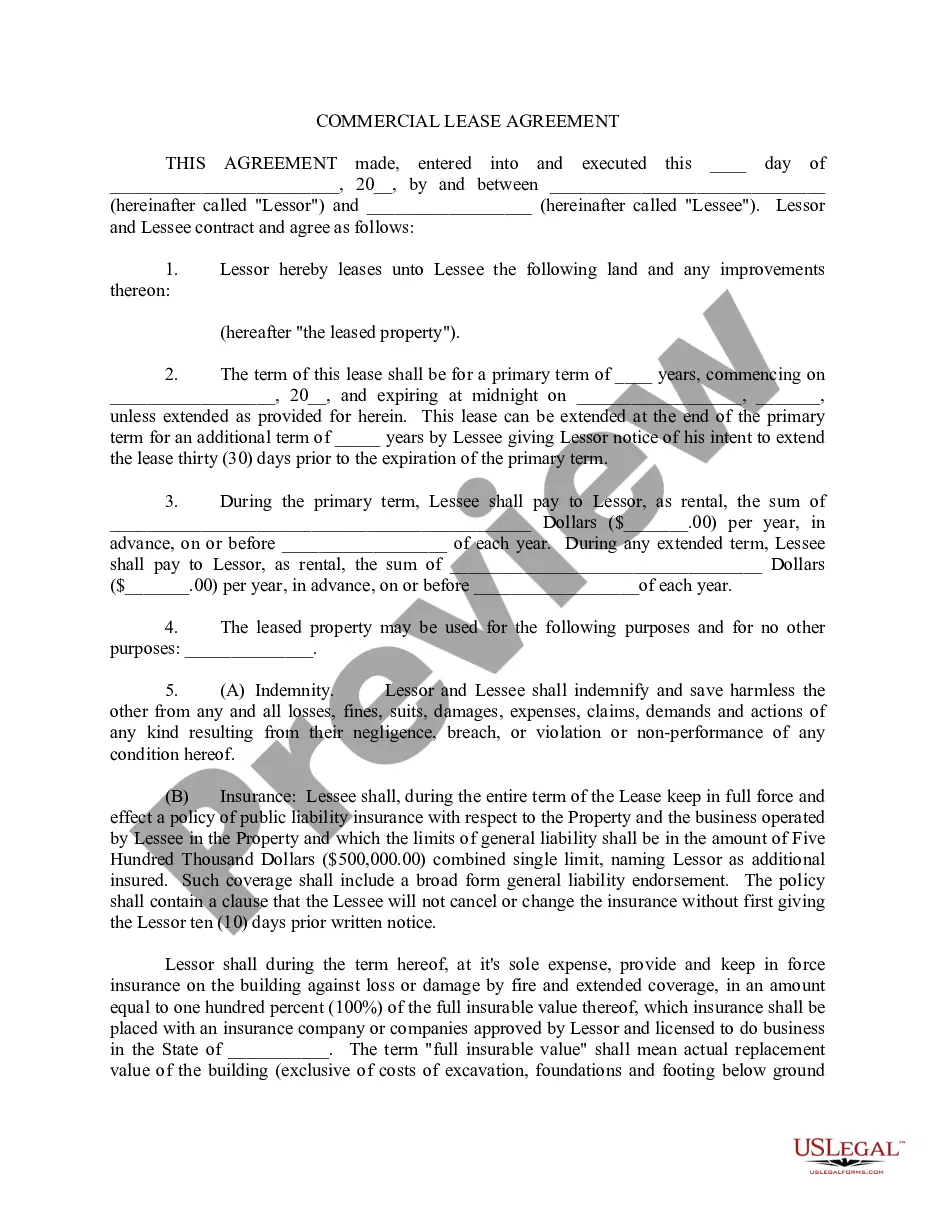
Description


Form popularity
FAQ
If you decide to pursue the early termination of your lease, you must notify your landlord via an early termination letter ing to the terms of the Termination Option in your lease agreement. A commercial lease termination letter typically includes the following information: Date of planned property vacancy.
Gross Lease Gross leases are most common for commercial properties such as offices and retail space. The tenant pays a single, flat amount that includes rent, taxes, utilities, and insurance. The landlord is responsible for paying taxes, utilities, and insurance from the rent fees.
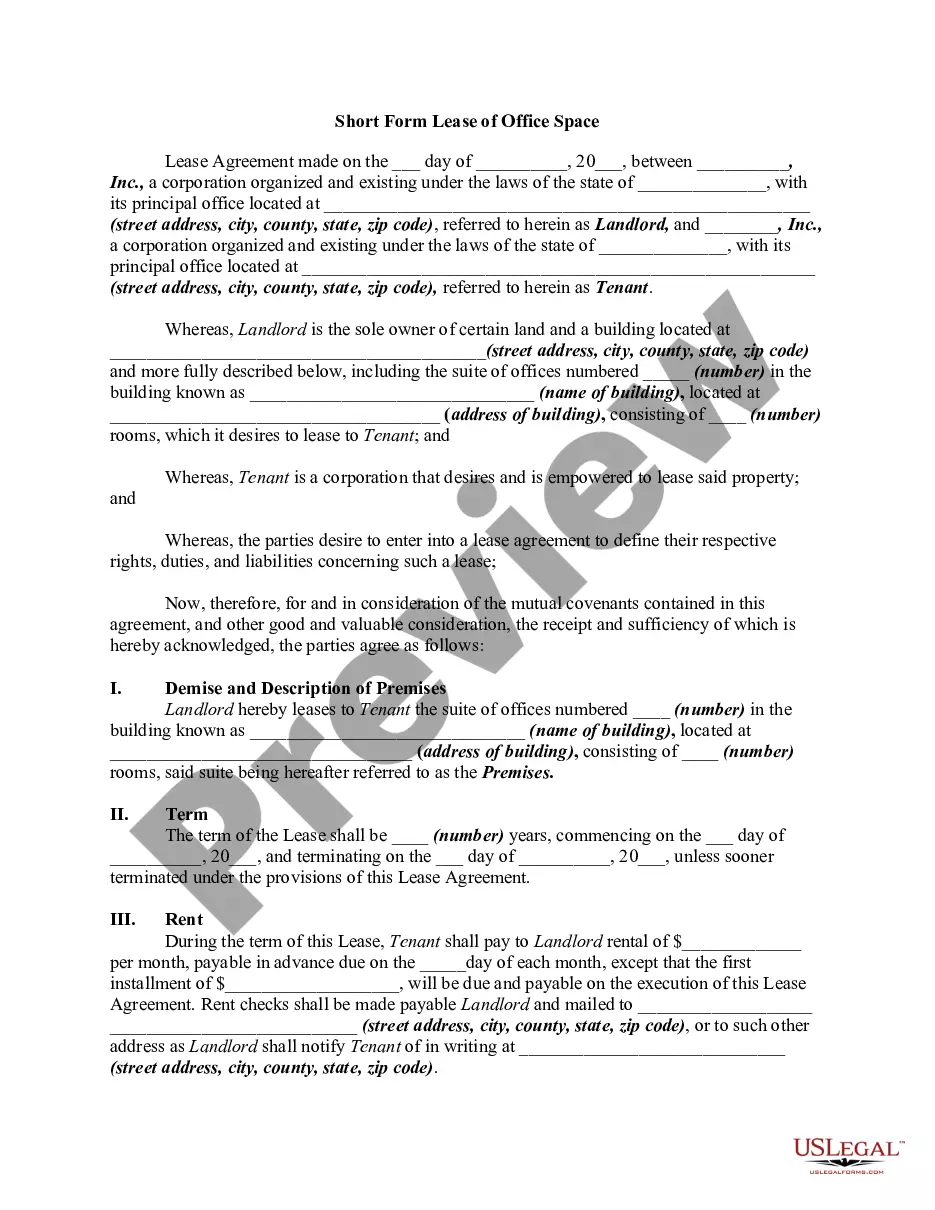
Commercial leases are typically fixed-term agreements, often lasting 12 months or more. A commercial rent agreement is usually a short-term arrangement, often renewing every 30 days, offering more flexibility but less long-term security.
Percentage leases are most commonly used in retail spaces, particularly in areas like shopping malls and retail centers. In a percentage lease agreement, the tenant pays a base rent plus a percentage of their gross sales.
By far, the most common lease for retail tenants is the percentage lease. In a percentage lease, the retail building owner takes a percentage of their tenants' sales. Anchor tenants have some negotiating power with these kinds of leases.
“Commercial space” generally refers to office space. With commercial space, there may not be as many people wandering in and out, whereas “retail space” depends largely on foot traffic. Commercial space is typically used for businesses that don't have a lot of foot traffic.
As the name suggests, a retail lease applies to those spaces or premises intended exclusively for retail, i.e. selling goods or services. For example, the premises used for a clothing store is leased out on a retail lease.
A retail lease is used where there is a sale of goods or services, often in a shopping centre (cluster of 5 or more stores). A commercial lease is used for warehouse, industrial or office space premises.
