Speaker Engagement Speaking For Others In Cook
Description
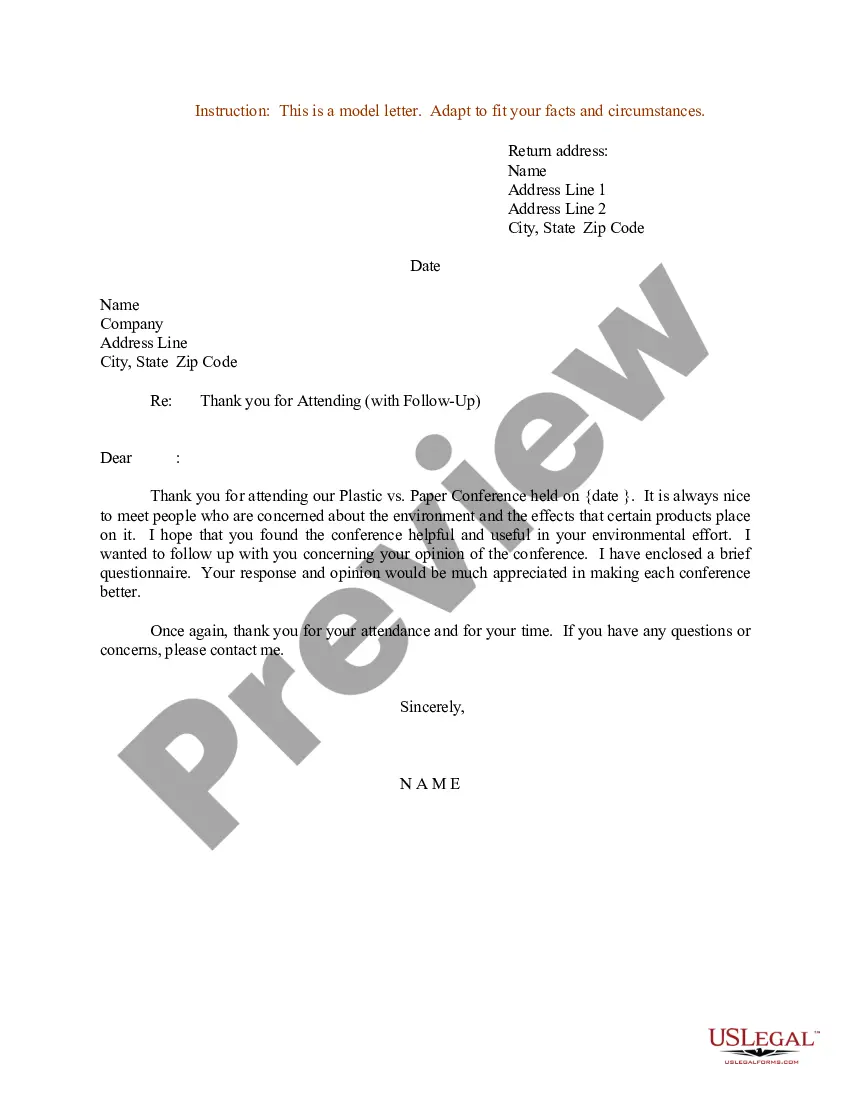
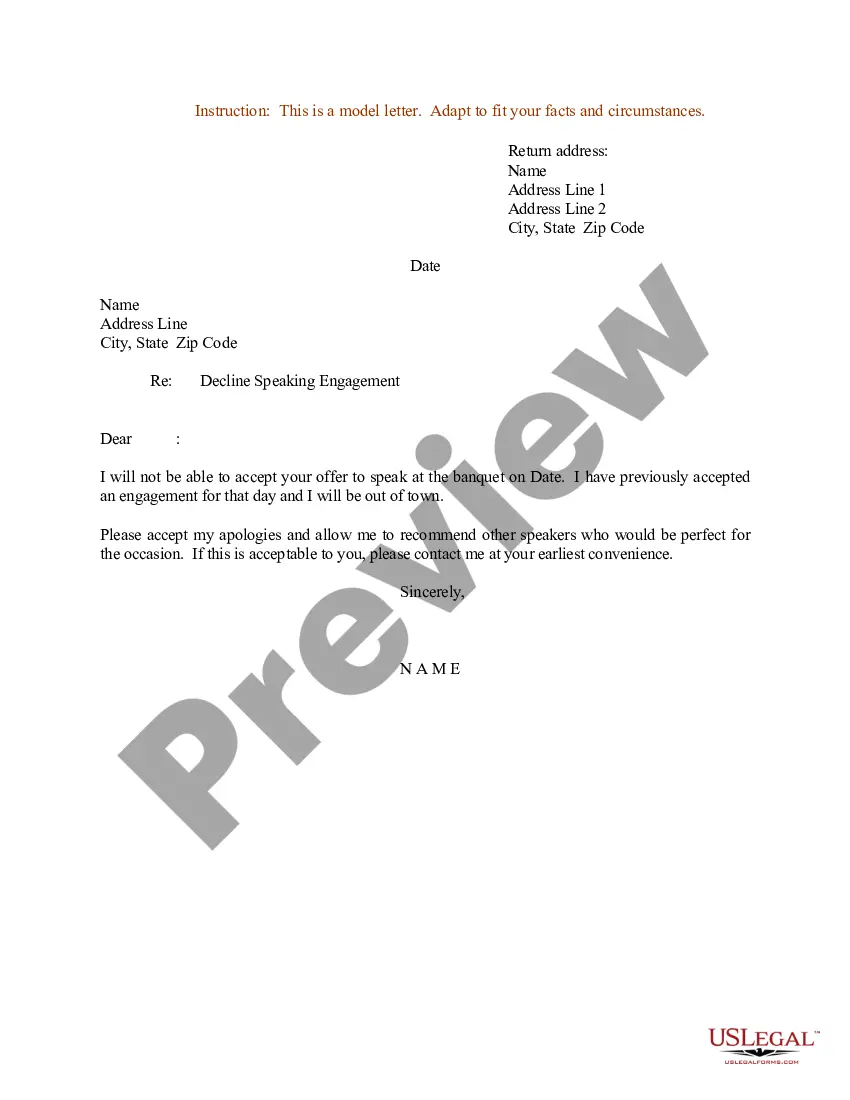
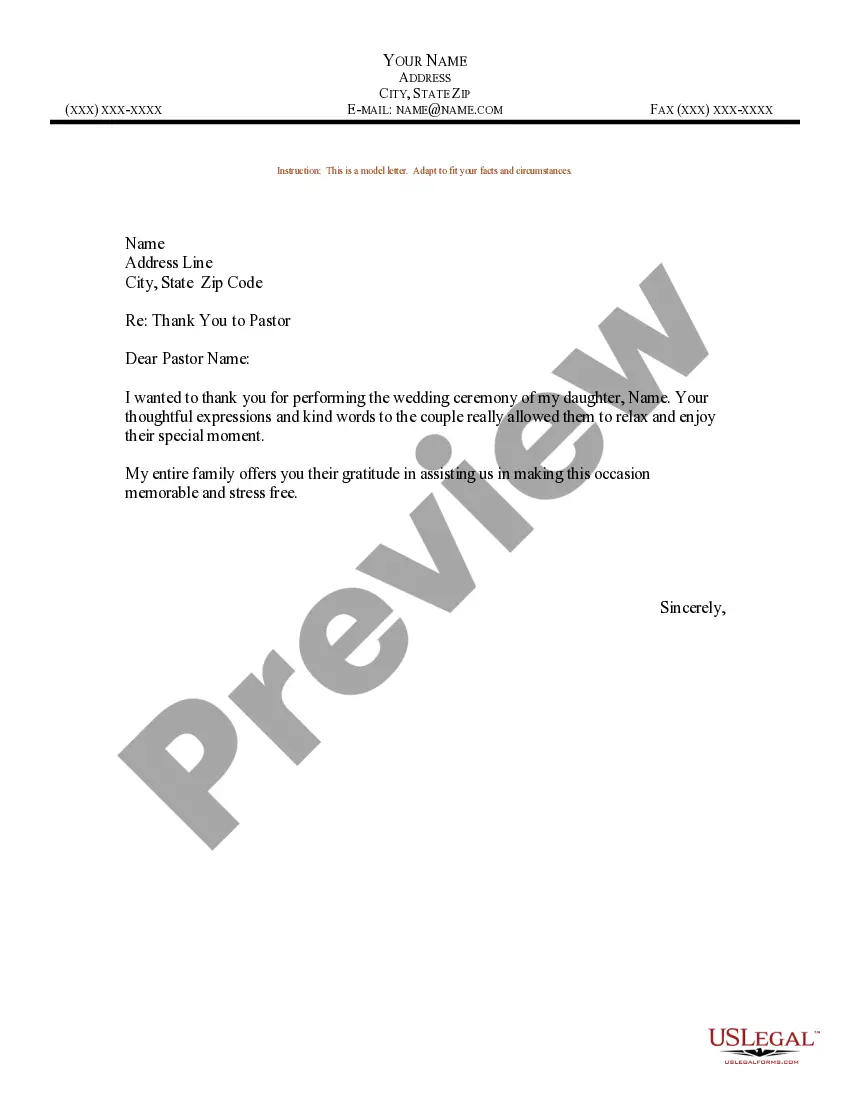
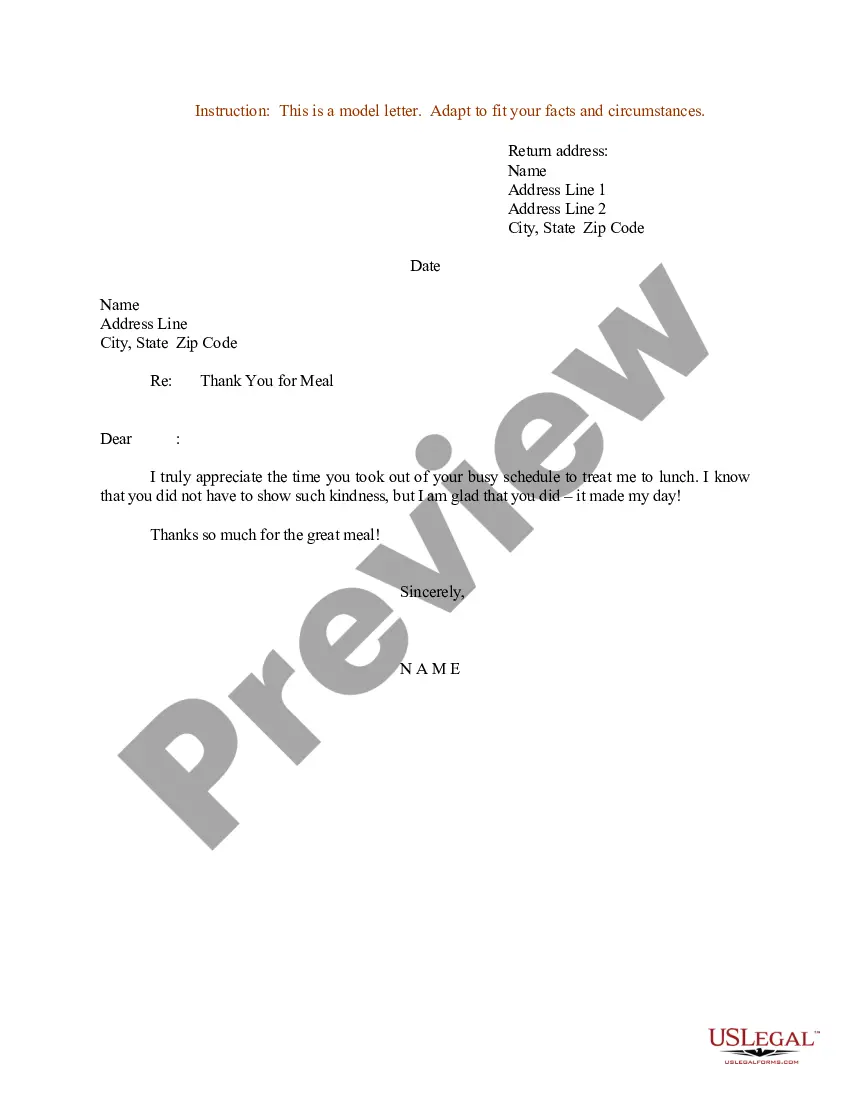
Form popularity
FAQ
How to get speaking engagements Get clear on why you want to speak. Listen to a lot of talks from speakers that you admire. Come up with 3-5 talk ideas. Prepare an outline for each talk idea. Build your event list. Slide into event organizers' DMs. Email your pitch. Turn your outline into a speaker proposal.
15 Tricks Of The Trade For Booking Speaking Gigs Search On LinkedIn. Describe How You Fit The Conference. Create A Portfolio. Look Outside Your Industry. Connect Before You Convert. Practice Online And Offline. Deliver Engaging Experiences. Start Small And Keep Going.
Reach Out to Contacts: Inform colleagues, friends, and professional contacts that you are available for speaking engagements. Ask for Referrals: Encourage your network to recommend you to event organizers. Create a Compelling Pitch: Outline your speaking topics, what attendees will learn, and your unique perspective.
Speaking fees vary widely based on industry, event format, and more, but here is a basic breakdown of industry average ranges based on our experience: $2,500–$5,000 — Brand new speakers with no or very little speaking experience. $5,000–$10,000 — Newer speakers and speakers in the education industry.
Craft your narrative to resonate with the event's theme and audience. Speak their language, address their concerns, and watch the invitation roll in. 3. Leverage Your Network: Networking isn't just a buzzword; it's your backstage pass.
By involving your audience in your presentation, you're making them feel like they're a part of the experience, which can increase their interest and attention.
In today's fast-paced professional world, speaking engagements are a powerful tool for advancing your career. Whether you're an executive, manager, or aspiring leader, leveraging public speaking can significantly boost your visibility, establish your authority, and create business opportunities.
A clear voice can help the audience listen well, while a clear and accurate pronunciation can avoid confusion over the meaning of words and sentences presented. Clear voice and pronunciation are needed in public speaking to capture the interest and attention of the audience.
Speaking skills are crucial for students because they enhance their confidence, improve academic performance, and prepare them for future career opportunities. Effective communication allows students to express their ideas clearly, participate in discussions, and build better relationships with peers and teachers.
How to get speaking engagements Get clear on why you want to speak. Listen to a lot of talks from speakers that you admire. Come up with 3-5 talk ideas. Prepare an outline for each talk idea. Build your event list. Slide into event organizers' DMs. Email your pitch. Turn your outline into a speaker proposal.

