Girlfriend Contract With My In Florida
Description

Form popularity
FAQ
The length of time you're married to your spouse can impact your divorce in Florida, but it won't guarantee that you get half of everything. While a judge will consider the length of marriage when determining how to divide your assets and if you or your spouse should receive alimony, every case is different.
As stated above, in Florida it is generally illegal to have sexual relations with anyone who is under 18 years of age. However, it gets complicated because sexual intercourse is not the only prohibited act. It is illegal to engage in other types of sexual conduct upon or in the presence of anyone under 16.
The Legal Status of Cohabitating Partners Cohabitating partners do not have the same legal status as married couples. Without a marriage certificate, cohabitating partners are not legally recognized as spouses. This means they do not have automatic rights to each other's property or assets in the event of a separation.
Florida law distinguishes separate property from marital property in a divorce, though there can only be rights to marital property if you are married. Unmarried couples are not considered to have shared property unless both partners are listed as owners.
In Florida, property is divided 50-50 if it is considered “marital property” – or property that was acquired by either spouse during the marriage.
The Need to Establish Cohabitation Examples could include acting in a manner expected of a permanent supportive relationship, comingling finances, jointly purchasing property, supporting each other's children and the amount of time they have resided together.
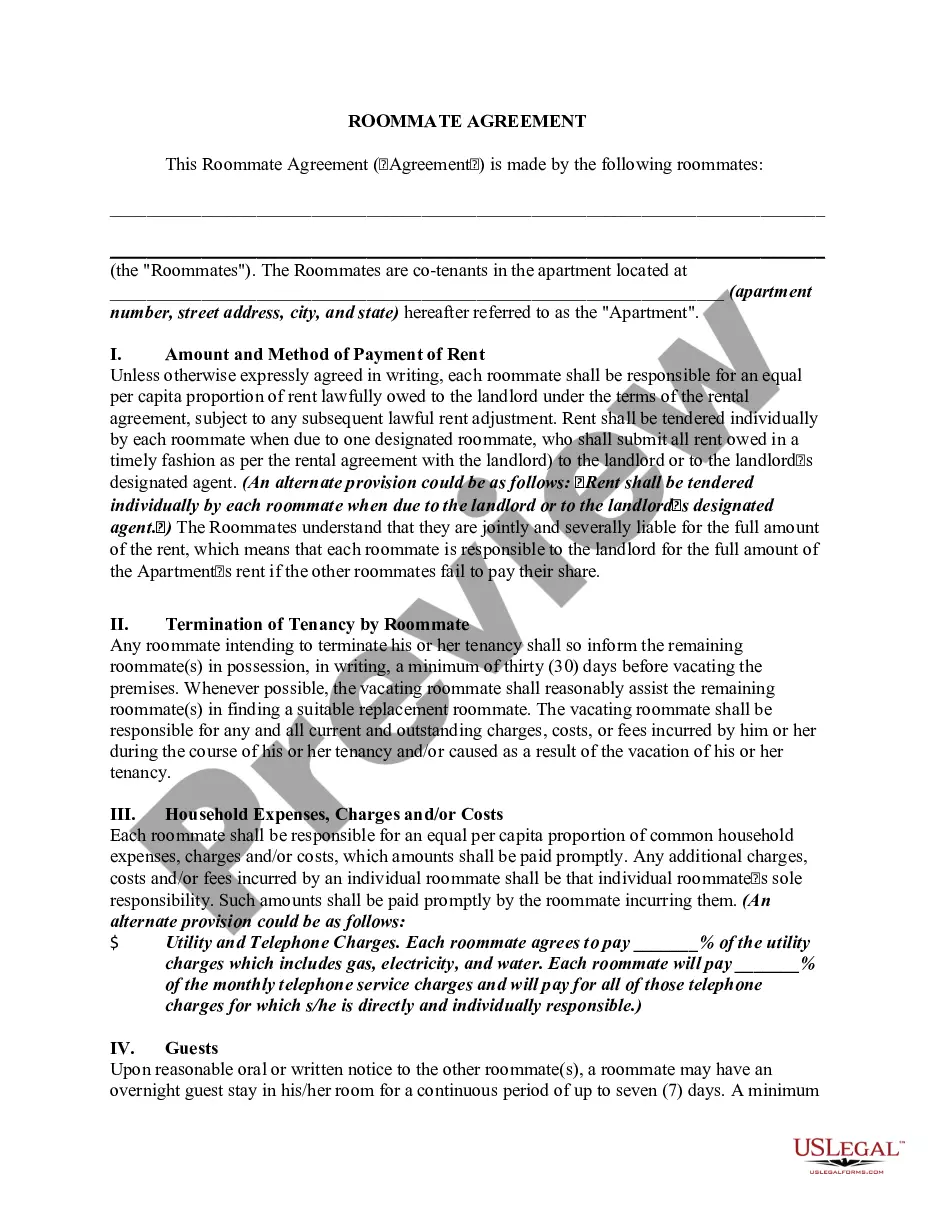
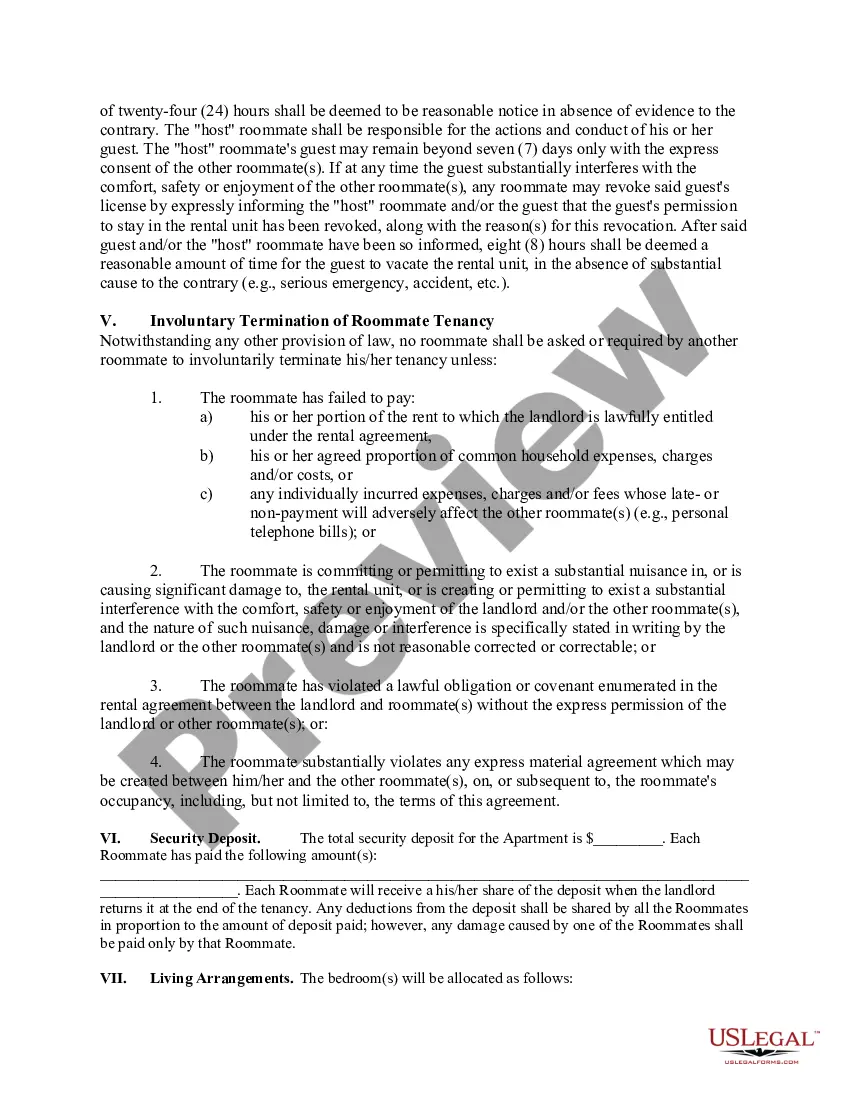
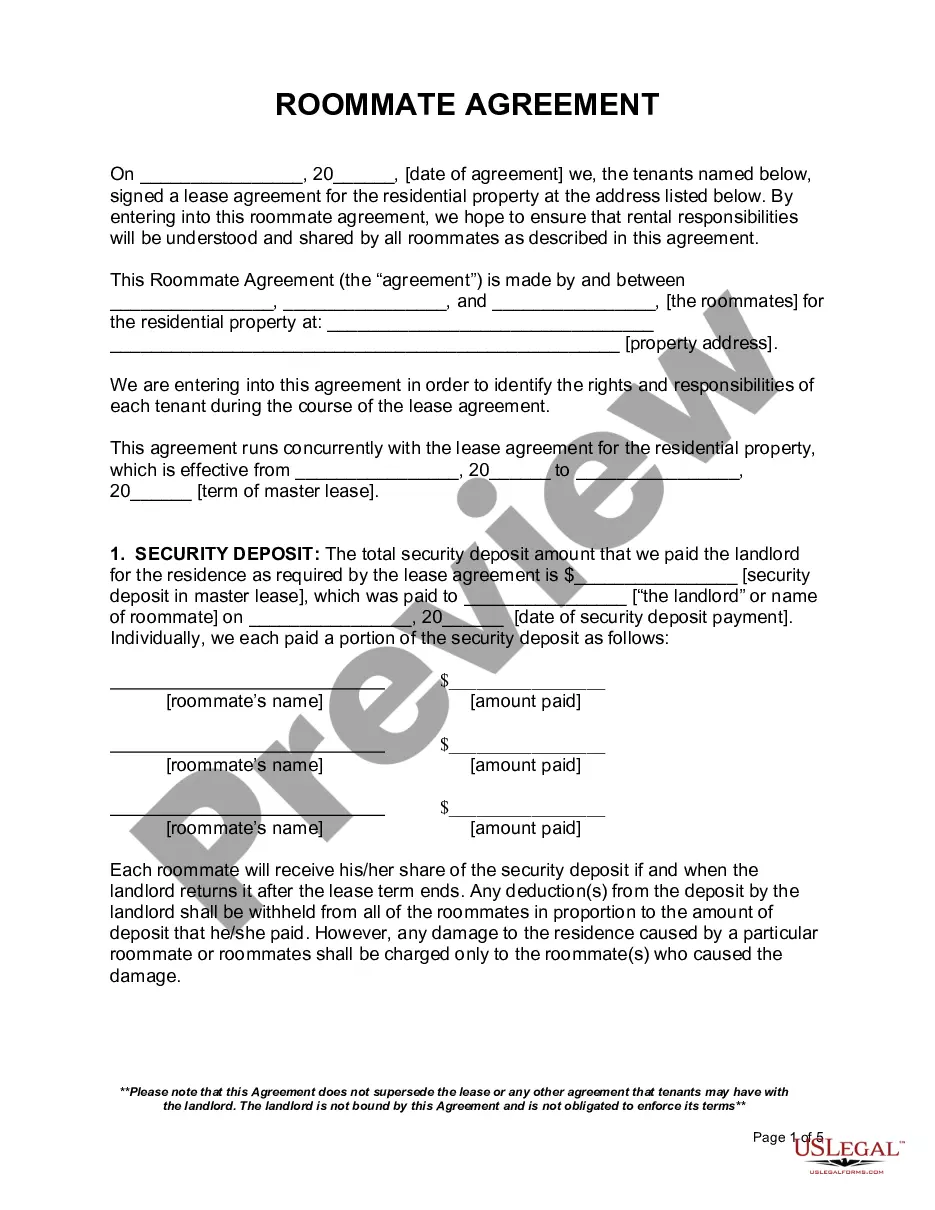
Florida law acknowledges cohabitation agreements as legally binding contracts, provided they meet certain requirements: The agreement must be in writing and signed by both parties. Both parties must enter into the agreement voluntarily and without any coercion or duress.
Couples living together who don't wish to get married can enter a cohabitation agreement, which gives them the same opportunities as married couples in this regard. A cohabitation agreement is designed to protect both parties if they split up down the line. Cohabitation agreements offer more than asset protection.
As long as you and your ex can agree on how to divide up your assets, there is no need to involve lawyers or the court system. Even if children are involved, in most states you have the opportunity to separate in private, ing to whatever arrangements the two of you agree on.
