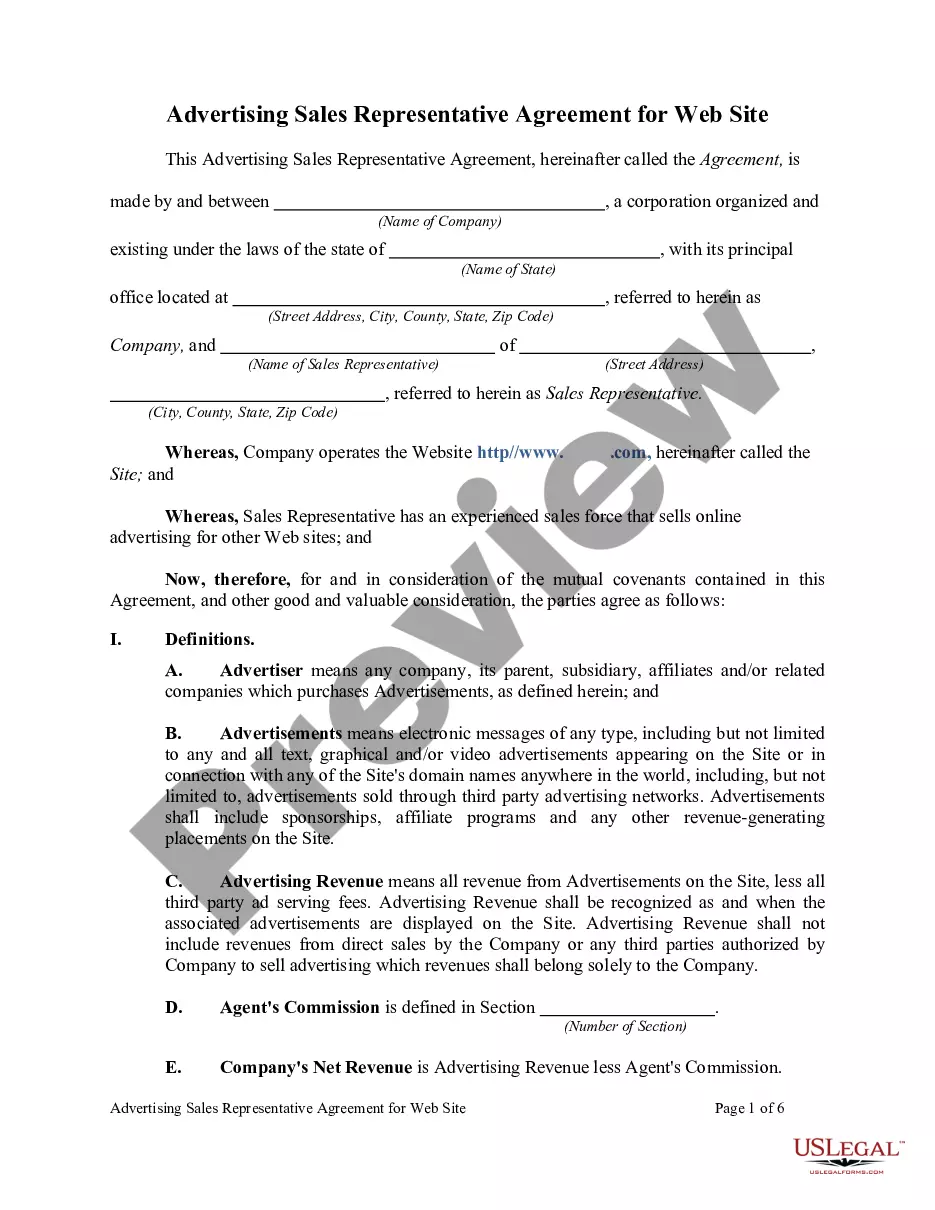
Roommate Agreement Form With Landlord In Utah
Description



Form popularity
FAQ
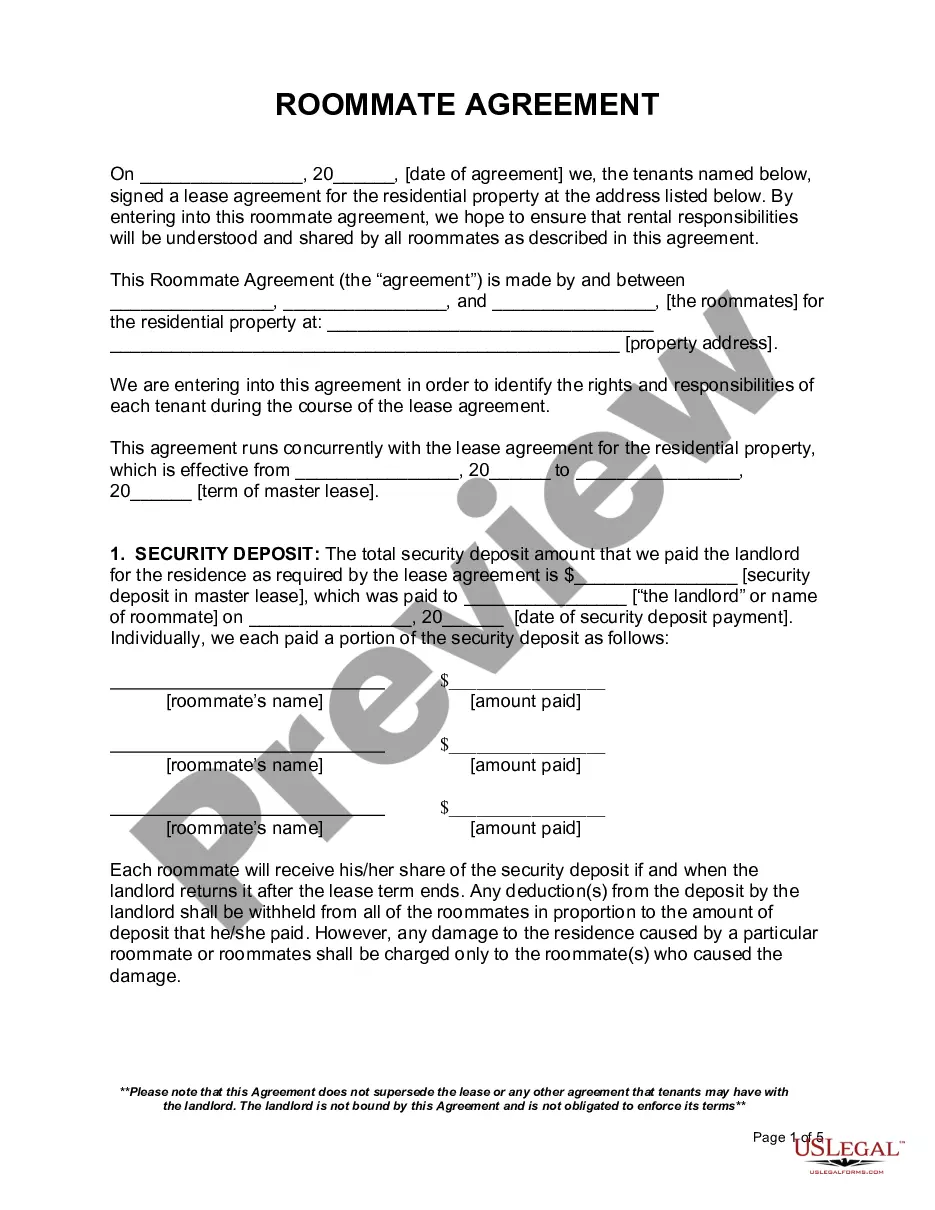
If your roommate isn't someone you're in a romantic relationship with, you'll need a roommate agreement rather than a cohabitation agreement. A roommate agreement explains what happens if one of you breaks the lease, so it should state what happens to the security deposit and who pays the remaining rent and utilities.
Enforcing The Agreement Fair and reasonable terms: Verify that the conditions of the agreement are reasonable and advantageous to both parties. Compliance follows from this more likely. Signed agreement: All housemates' signatures on the agreement demonstrate their commitment to upholding its provisions.
To write a solid roommate agreement, start by gathering all roommates' contact information and listing the rental property details. Outline how rent, utilities, and other expenses will be divided. Clearly define rules around guests, quiet hours, cleaning schedules, shared items, and pets.
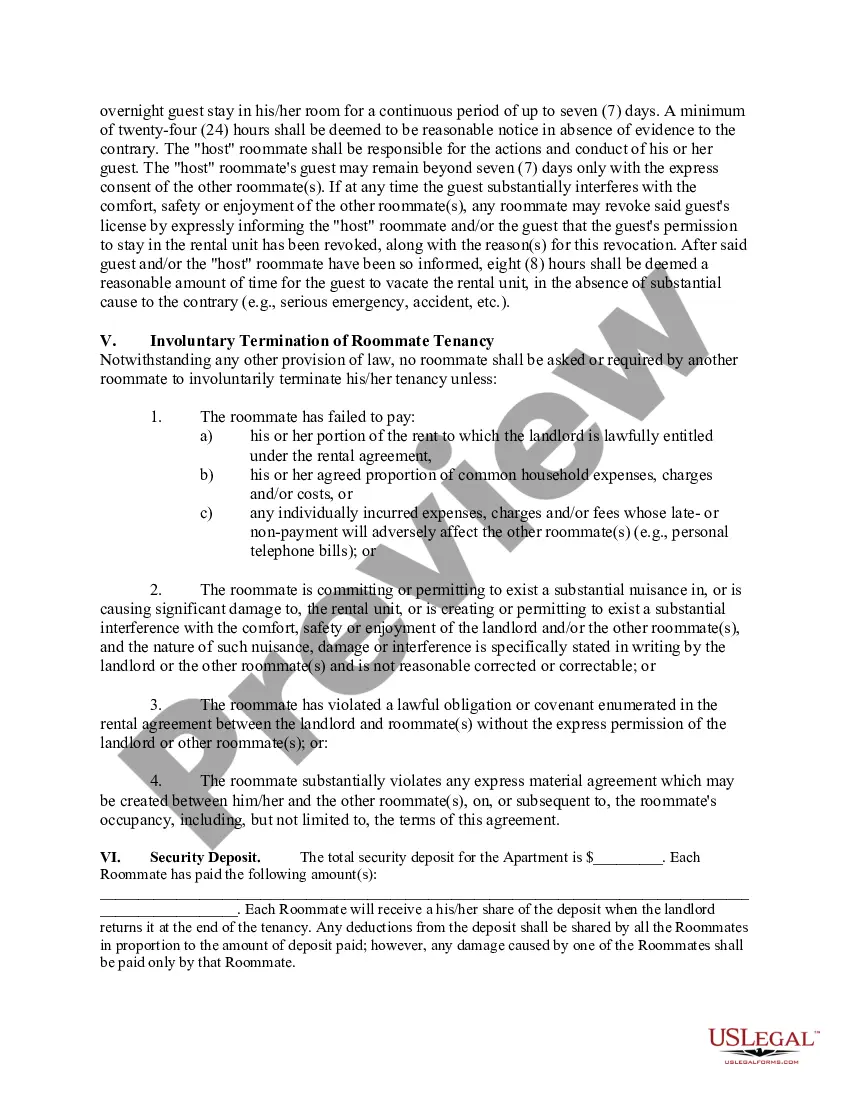
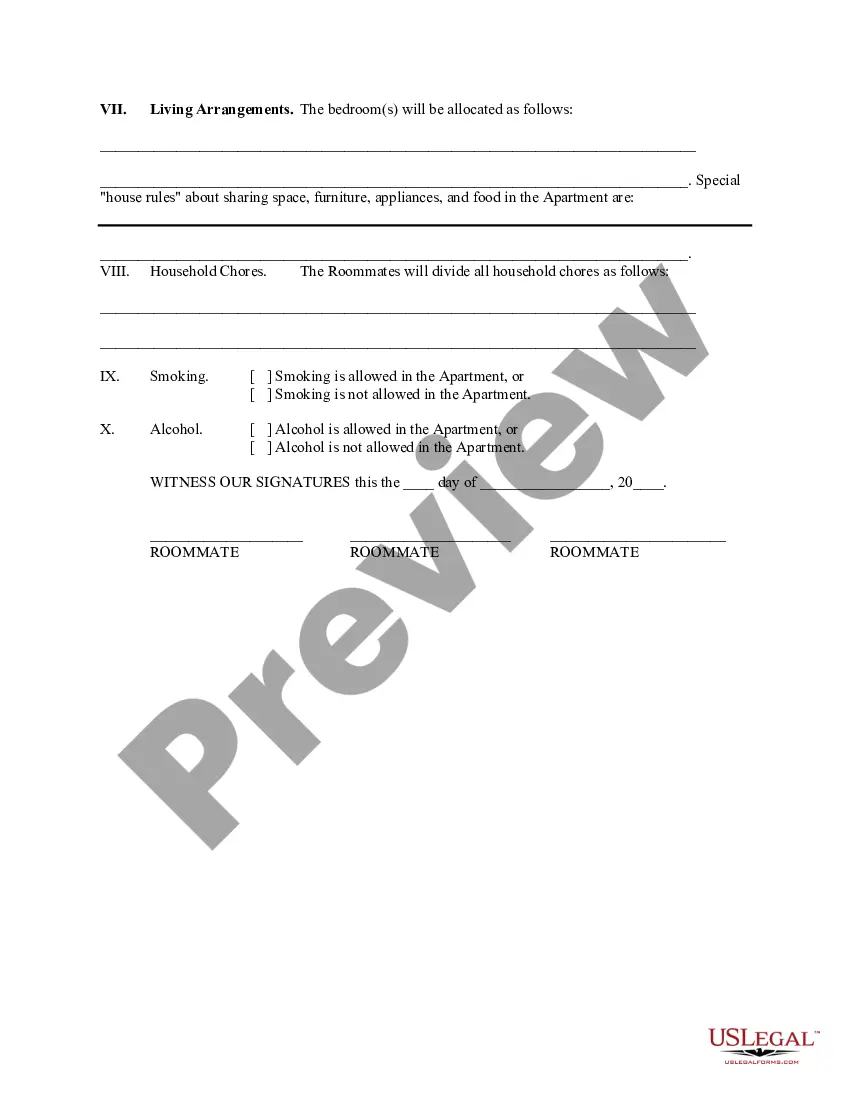
What do I include in a Roommate Agreement? Information about the property, roommates, and original lease. Term or length of the agreement. Rent responsibilities. Security deposit details. Responsibilities for utilities and household costs. House rules, roommate duties, and restrictions. Rules for termination of tenancy.
You probably don't expect to sue your roommate someday. Yet, it does happen. An agreement creates expectations to keep the living arrangement fair. They also provide protection and peace of mind because they are legally binding.
It is possible to draft your own lease agreement, but you are leaving yourself open to issues.
How to create a lease agreement Collect each party's information. Include specifics about your property. Consider all of the property's utilities and services. Know the terms of your lease. Set the monthly rent amount and due date. Calculate any additional fees. Determine a payment method. Consider your rights and obligations.