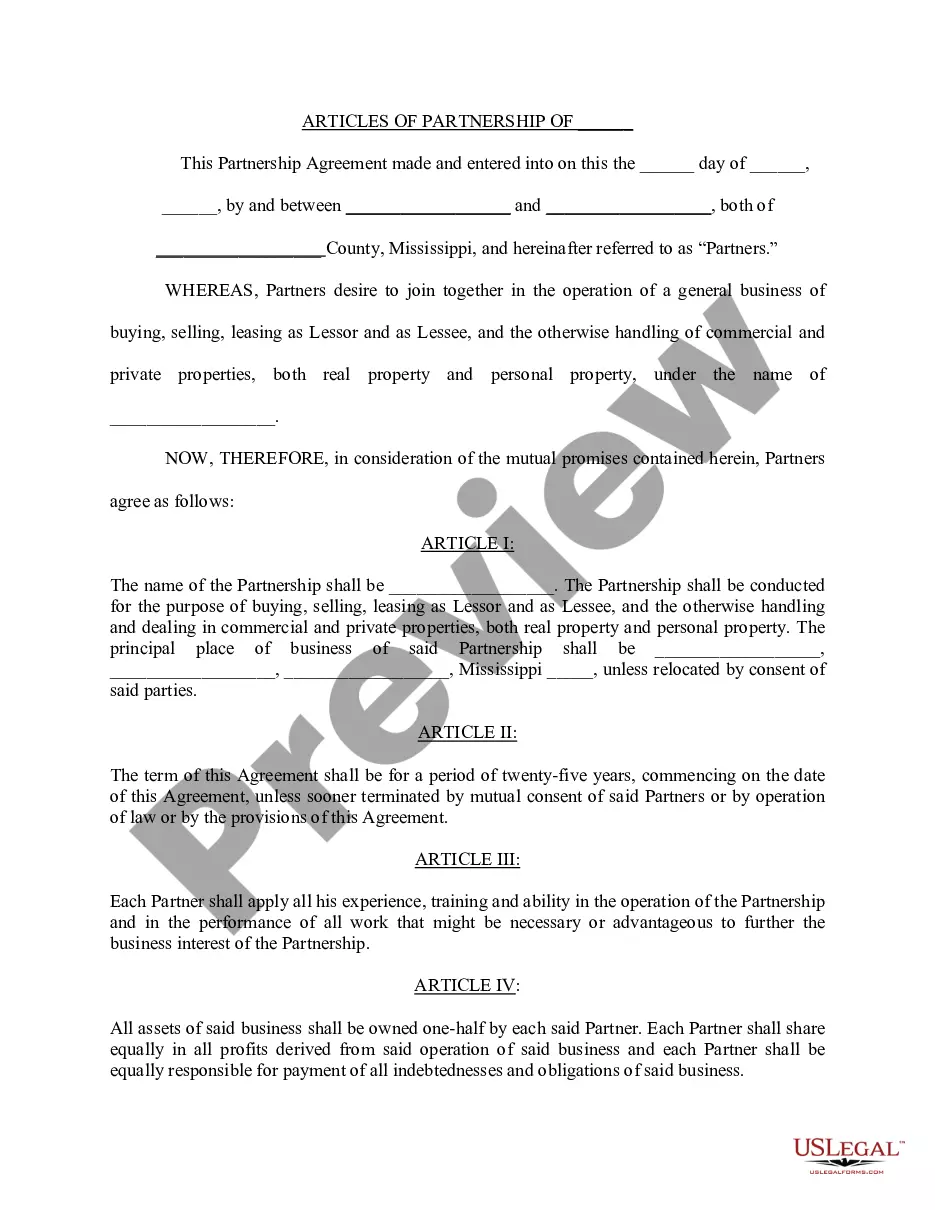
Confidentiality Agreement Form For Employees
Description

Get your form ready online
Our built-in tools help you complete, sign, share, and store your documents in one place.
Make edits, fill in missing information, and update formatting in US Legal Forms—just like you would in MS Word.
Download a copy, print it, send it by email, or mail it via USPS—whatever works best for your next step.
Sign and collect signatures with our SignNow integration. Send to multiple recipients, set reminders, and more. Go Premium to unlock E-Sign.
If this form requires notarization, complete it online through a secure video call—no need to meet a notary in person or wait for an appointment.
We protect your documents and personal data by following strict security and privacy standards.

Make edits, fill in missing information, and update formatting in US Legal Forms—just like you would in MS Word.

Download a copy, print it, send it by email, or mail it via USPS—whatever works best for your next step.

Sign and collect signatures with our SignNow integration. Send to multiple recipients, set reminders, and more. Go Premium to unlock E-Sign.

If this form requires notarization, complete it online through a secure video call—no need to meet a notary in person or wait for an appointment.

We protect your documents and personal data by following strict security and privacy standards.
Looking for another form?
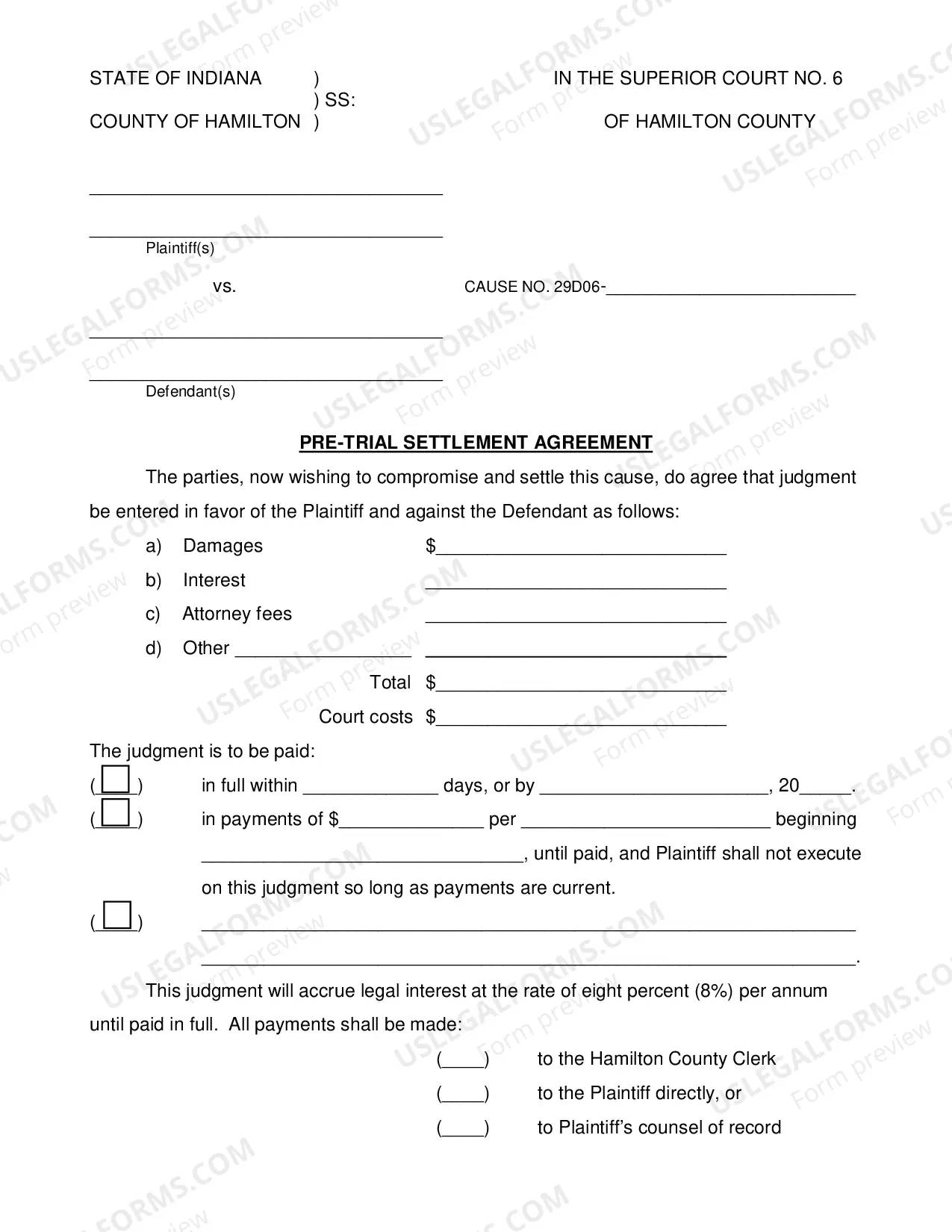
How to fill out Nondisclosure And Confidentiality Agreement - Potential Purchase?
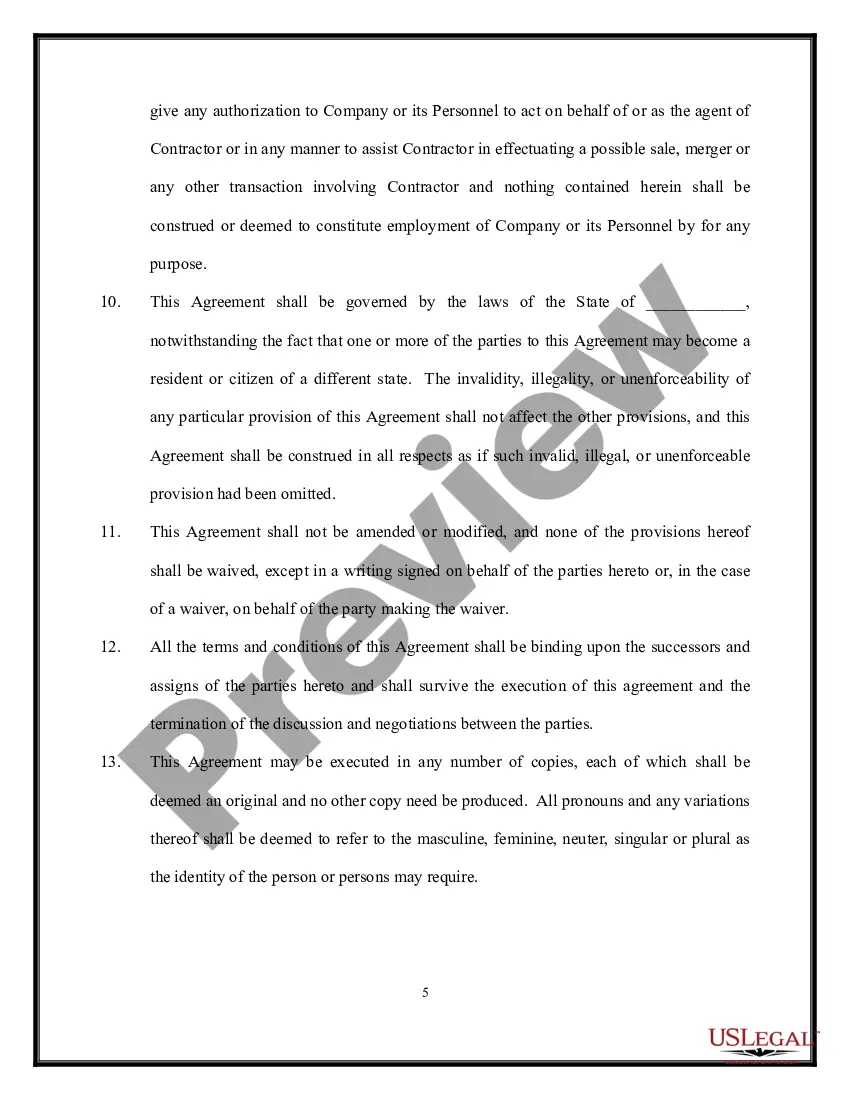
Navigating through the red tape of official documents and templates can be arduous, particularly if one does not engage in that professionally.
Even selecting the correct template for the Confidentiality Agreement Form For Employees will be labor-intensive, as it must be legitimate and accurate to the last digit.
Nevertheless, you will need to spend considerably less time obtaining a suitable template if it originates from a source you can rely on.
Acquire the correct form in a few straightforward steps.
- US Legal Forms is a platform that streamlines the process of finding the appropriate forms online.
- US Legal Forms is the singular location you require to discover the most current samples of forms, consult their usage, and download these samples to complete them.
- This is a repository with over 85K forms applicable in various employment sectors.
- When searching for a Confidentiality Agreement Form For Employees, you won't have to doubt its relevance since all of the forms are verified.
- An account at US Legal Forms will guarantee you have all the essential samples within your reach.
- Store them in your history or add those to the My documents catalog.
- You can access your saved forms from any device by simply clicking Log In at the library site.
- If you still do not possess an account, you can always search for the template you need.
Form popularity
FAQ
Writing the Confidentiality Agreement. Start with the basic information. This will include the title of your contract and the parties making the agreement. You may also want to include a general introduction that states the purpose of the contract.
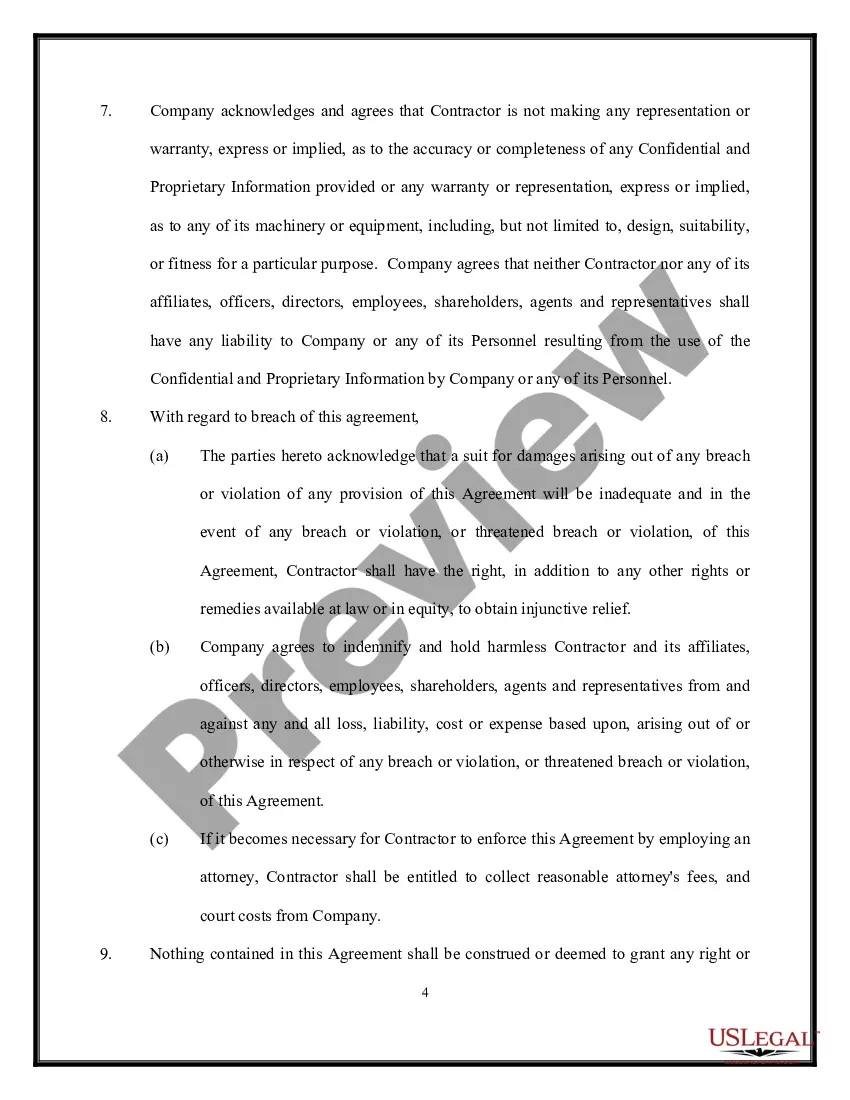
An employee confidentiality agreement, or non-disclosure agreement or an NDA, makes it crystal clear to an employee that he or she cannot under any circumstance, with the exception of prior written approval, disclose company secrets.
Confidential Information includes but is not limited to patient records, student records, financial records, human resources/payroll records, legal documents, and research data.
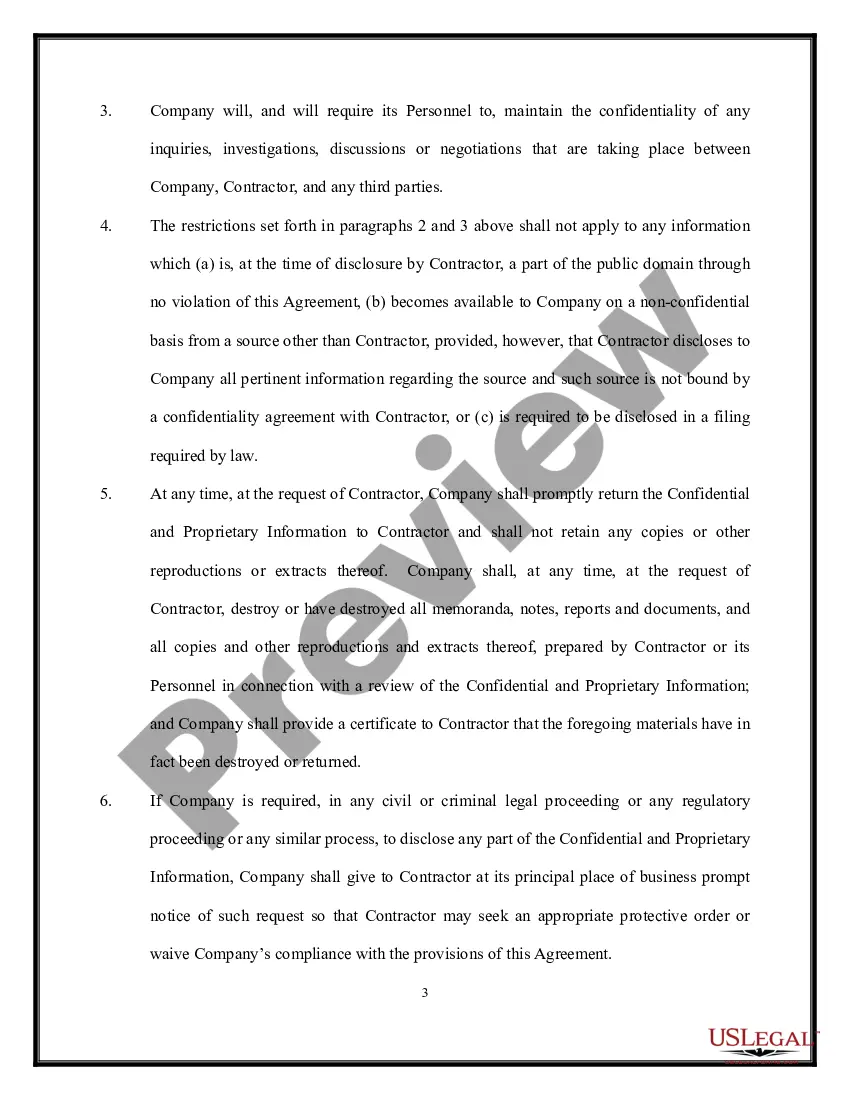
A typical confidentiality clause might say, "The phrases and circumstances of this Agreement are completely confidential between the parties and shall not be disclosed to anybody else. Any disclosure in violation shall be deemed a breach of this Agreement."
For example, your beginning paragraph may say something like: "This Nondisclosure Agreement (the "Agreement") is entered into by and between with its principal offices at ("Disclosing Party") and , located at ("Receiving Party") for the purpose of