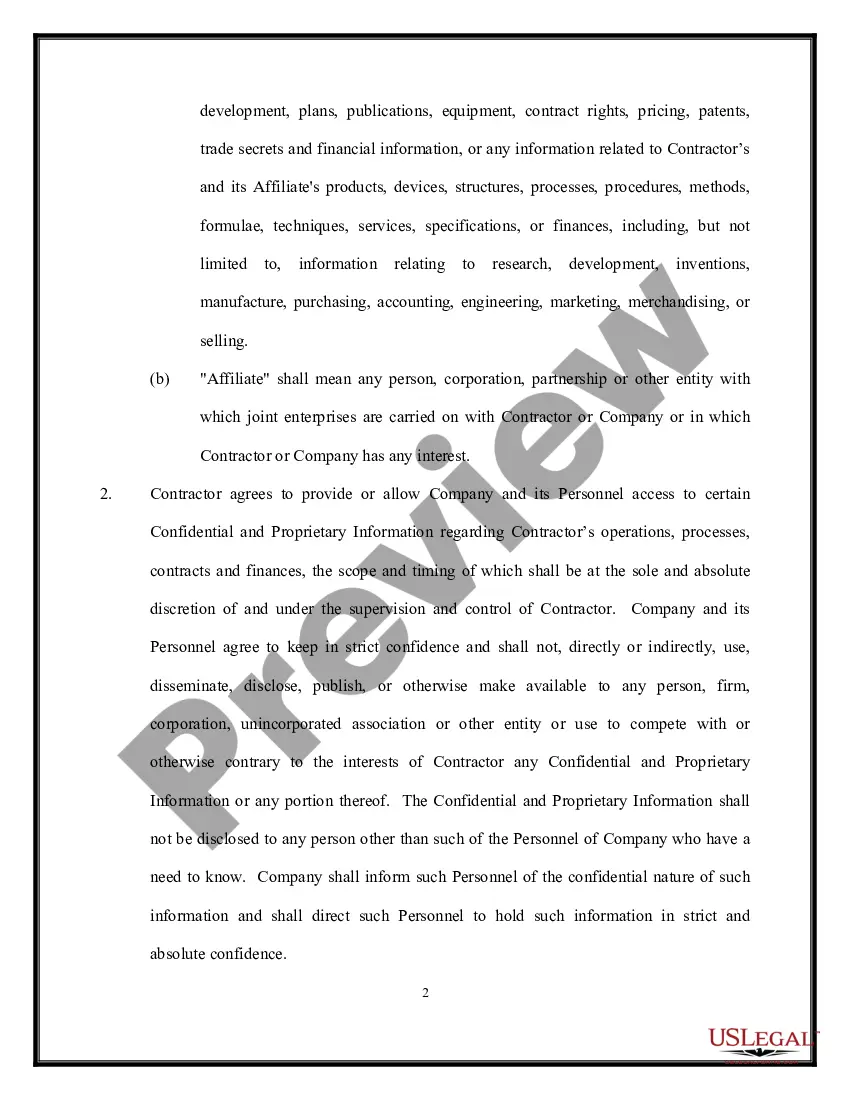
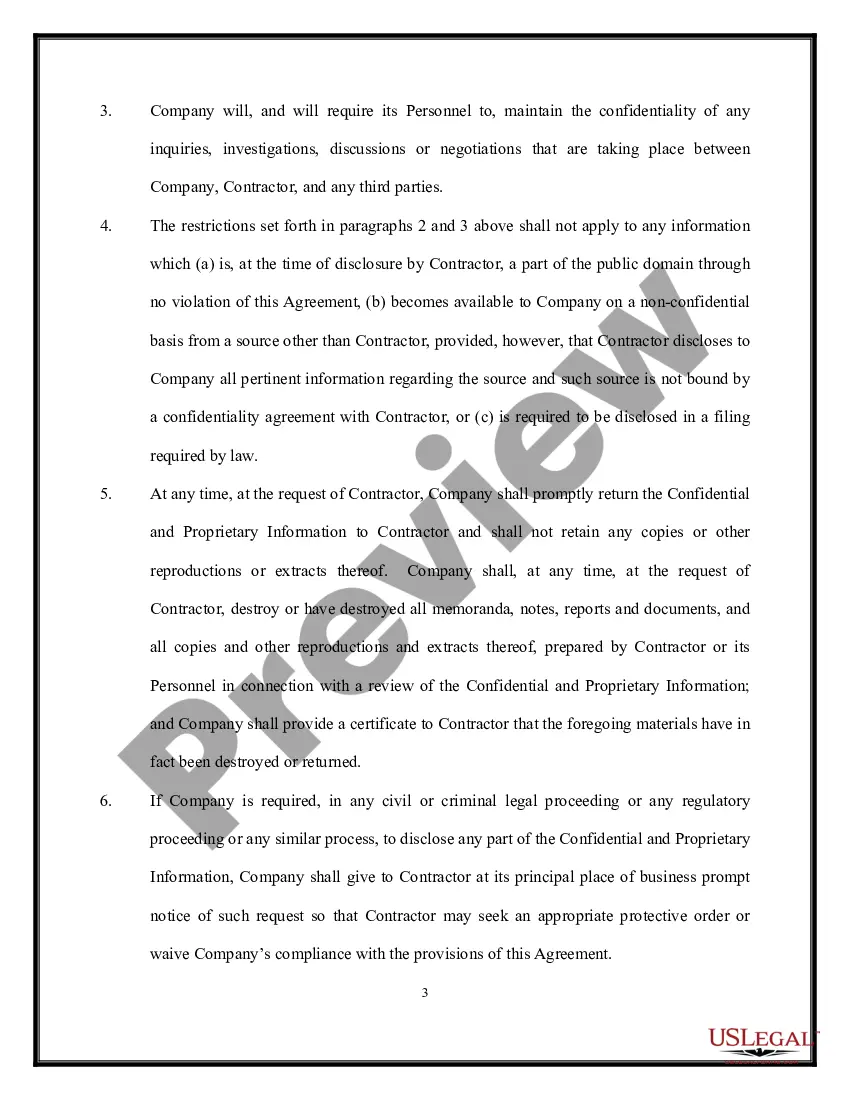
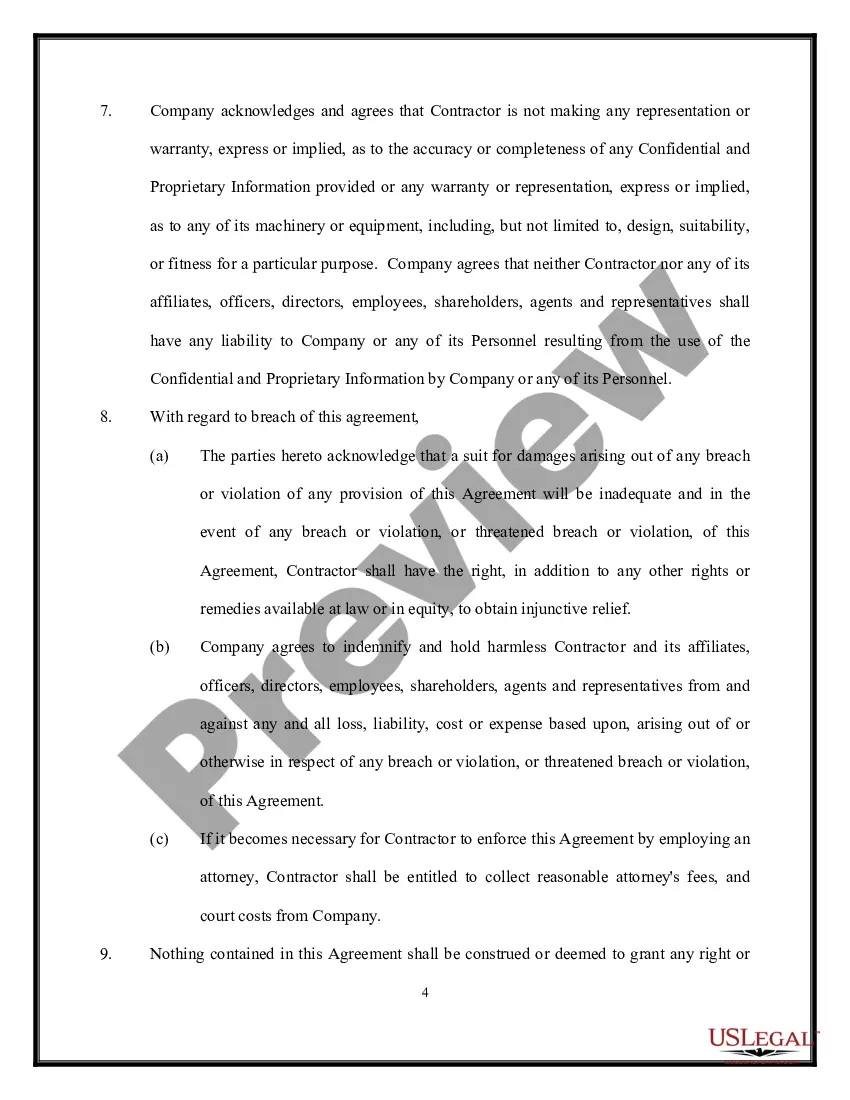
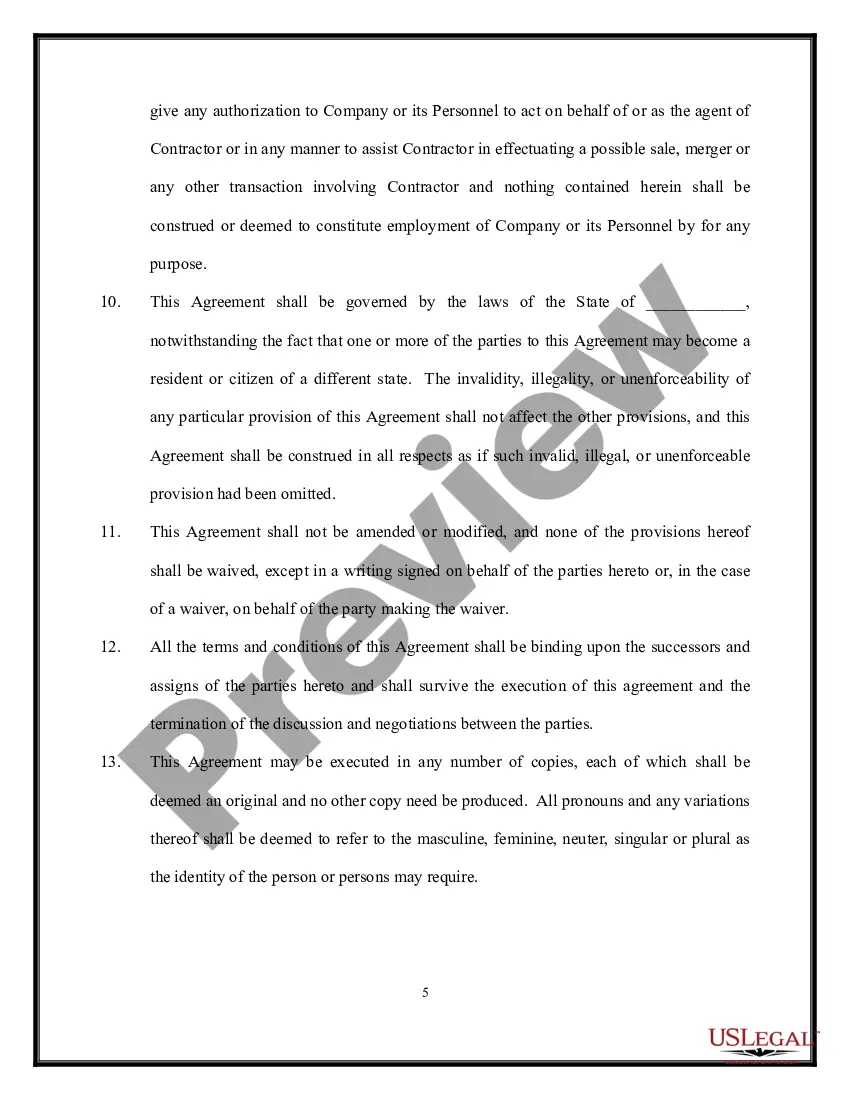
Confidentiality Form For Counseling In Houston
Description


Form popularity
FAQ
To be valid, consent must be voluntary, informed, specific, current, and given by a person with capacity. Unless otherwise indicated, consent can be express or implied, written or verbal.
The consent form should include the following statements: I understand that my participation is voluntary, that I can choose not to participate in part or all of the project, and that I can withdraw at any stage of the project without being penalized or disadvantaged in any way. I agree to take part in this study.
Here Are Seven Tips for Maintaining Therapist Confidentiality Consult the code of ethics. Follow HIPAA. Inform your clients of your therapist confidentiality rules. Ask permission. Consider your surroundings. Keep your recordings secure. Be careful with papers.
Consent forms are intended to outline the terms and conditions regarding a type of participation or acknowledge some type of release of information. Without a consent form, it's considered unethical and in some cases illegal to allow a person to participate in an event or study or for the release of their information.
Limits to Confidentiality These include: If the clinic has knowledge, evidence, or reasonable concern regarding the abuse or neglect of a child, elderly person, or disabled person, it is required to file a report with the appropriate agency, usually the Department of Health and Human Services.
I agree to participate in this research project. I have read this consent form and the information it contains and had the opportunity to ask questions about them. I understand that I am under no obligation to take part in this project. I understand I have the right to withdraw from this project at any stage.
I acknowledge that I have read and understand ALL of the above information and I am fully aware of my rights and benefits and risks of counseling. I am also aware of limits to confidentiality. If I have any questions or concerns about any of this information, I agree to discuss these concerns with the counselor.
I cannot and will not tell anyone else what you have told me, or even that you are in therapy with me without your prior permission. You can authorize me to share information with whomever you choose, and you may change your mind and revoke that permission at anytime.
I cannot and will not tell anyone else what you have told me, or even that you are in therapy with me without your prior permission. You can authorize me to share information with whomever you choose, and you may change your mind and revoke that permission at anytime.
Ethical guidelines regarding confidentiality require that counselors do NOT: disclose client information unless there is clear and imminent danger to the client or others or when legal requirements demand that confidential information be revealed.
