Nondisclosure Confidentiality Agreement With Attorney In Travis
Description

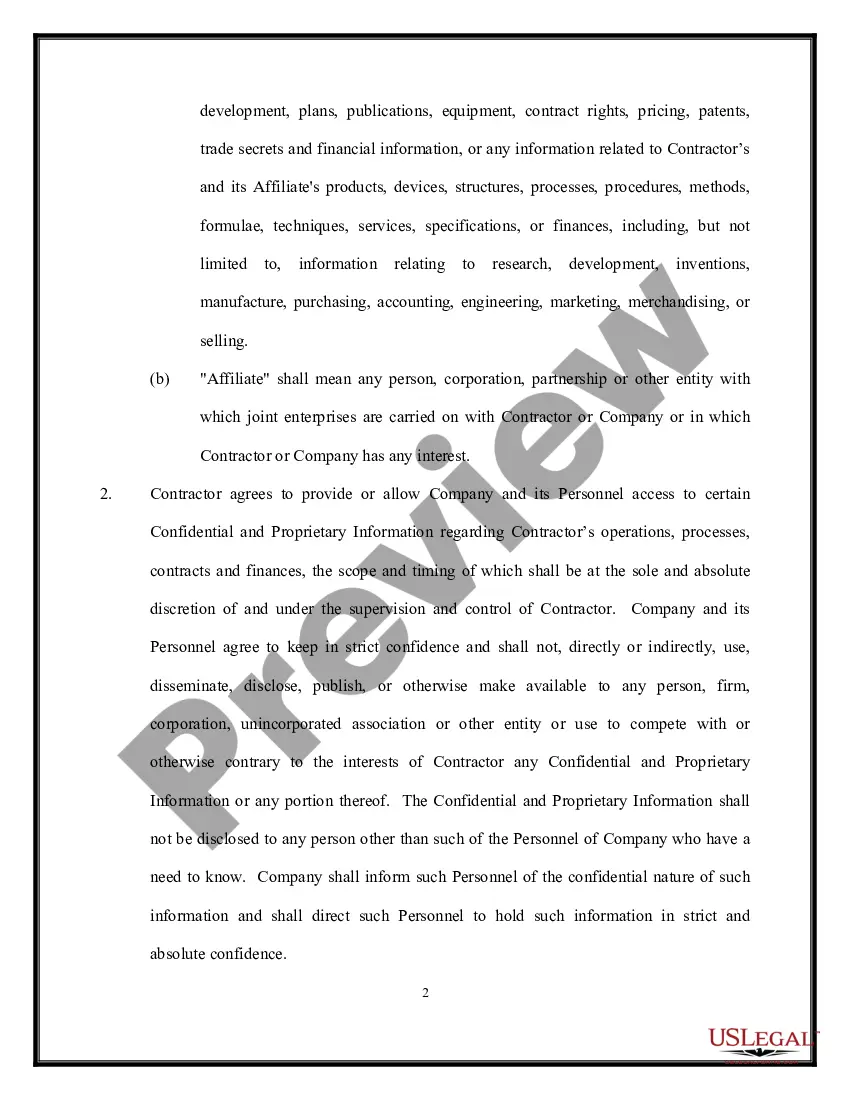
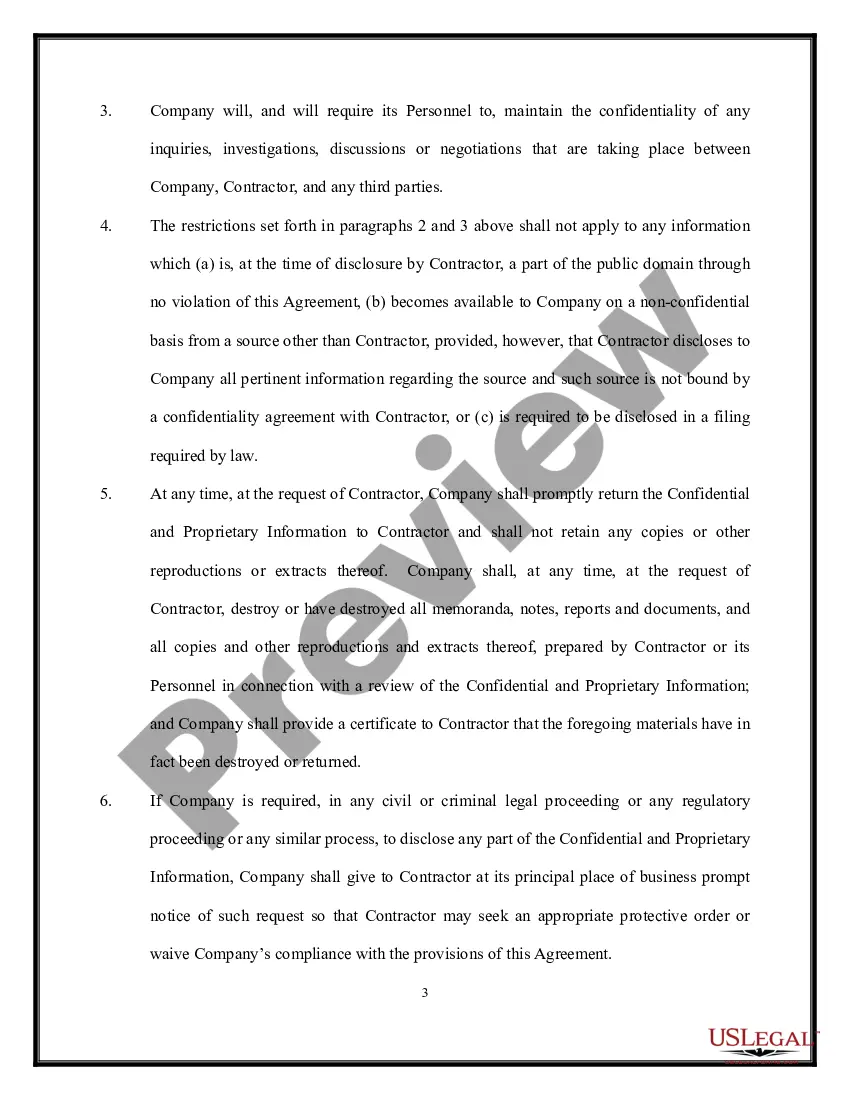
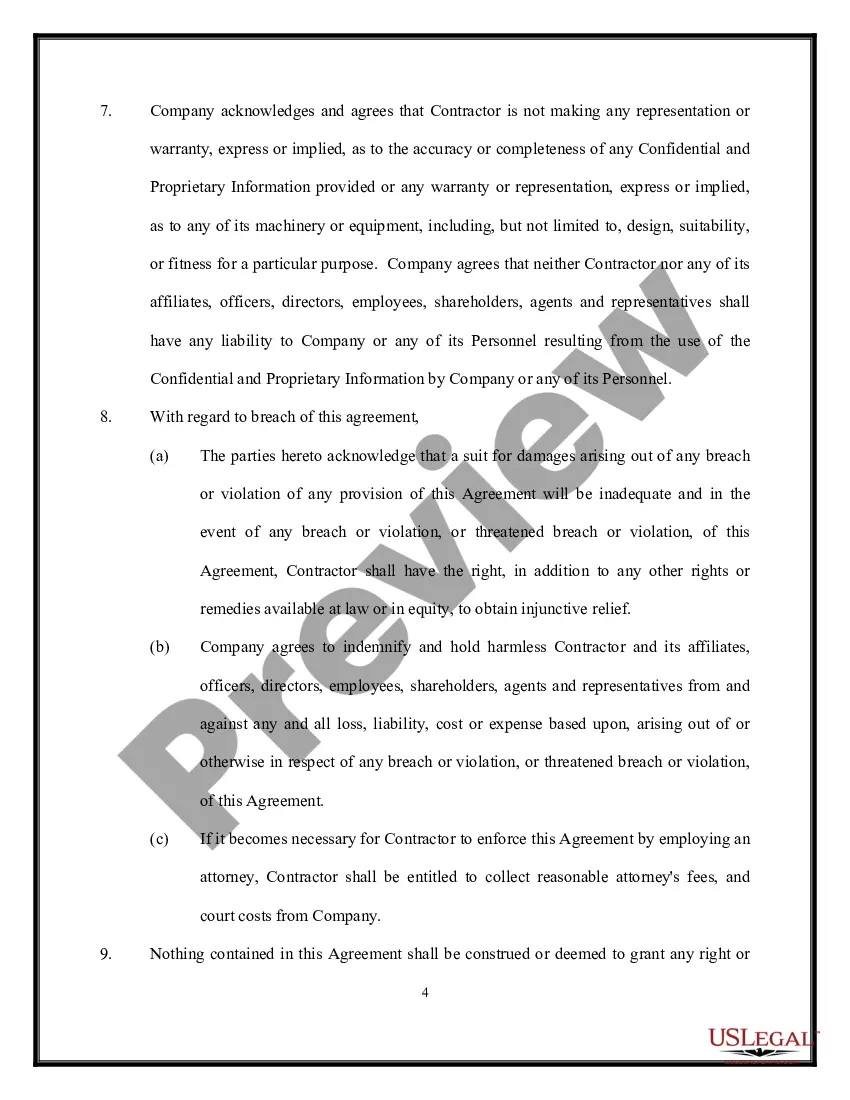
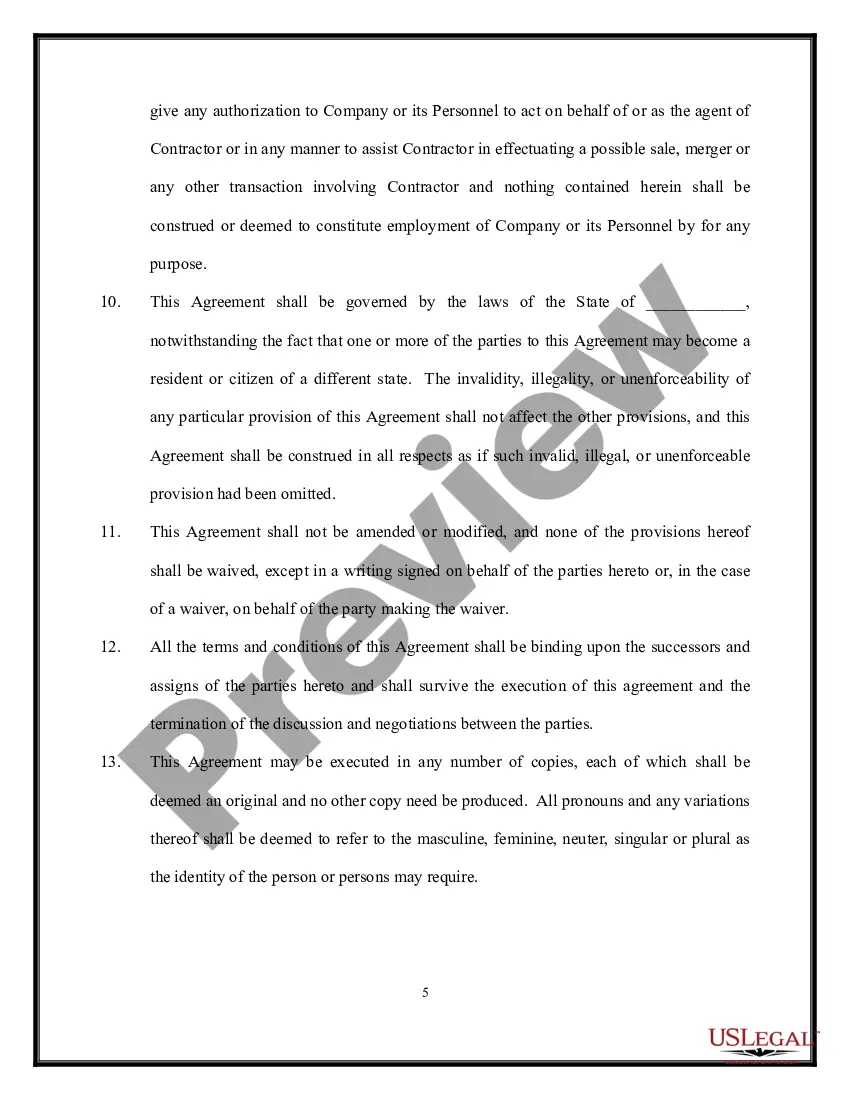



Form popularity
FAQ
Completing the Confidentiality Agreement The "Receiving Party" is the person or company who receives the confidential information and is obligated to keep it secret. You'll need to fill in information specific to your circumstances in the spaces provided, such as the parties' names and addresses.
For standard nondisclosures under Section 411.0725 (offense date on or after September 1, 2015): there is a five-year waiting period (after discharge and dismissal) for felonies, and (2) there is a two-year waiting period for misdemeanors under Chapter 20, 21, 22, 25, 42, 43 or 46, Penal Code; there are no waiting ...
What is a nondisclosure agreement? Whereas confidentiality agreements are typically devised in employment or personal situations to protect sensitive information, NDAs are often used in business and legal settings to protect trade secrets, client lists, and financial data.
A confidentiality agreement should include the names and addresses of the parties to the contract. Consider also including: Reason for the agreement: Explain why you're sharing this information. The information disclosed: Be specific about the subject matter and what exactly is included in the agreement.
A confidentiality agreement should include the names and addresses of the parties to the contract. Consider also including: Reason for the agreement: Explain why you're sharing this information. The information disclosed: Be specific about the subject matter and what exactly is included in the agreement.
Typically, a legal professional writing the NDA will complete these steps: Step 1 - Describe the scope. Which information is considered confidential? ... Step 2 - Detail party obligations. Step 3 - Note potential exclusions. Step 4 - Set the term. Step 5 - Spell out consequences.
Completing the Confidentiality Agreement The "Receiving Party" is the person or company who receives the confidential information and is obligated to keep it secret. You'll need to fill in information specific to your circumstances in the spaces provided, such as the parties' names and addresses.
For other misdemeanor and felony convictions, this period is 2-5 years after the sentence completion date. After this waiting period, obtaining a nondisclosure order in Texas usually takes between four and nine months.
WHAT CASES CANNOT BE EXPUNGED IN TEXAS? . Manslaughter. Sexual Assault of a Child. Aggravated Sexual Assault of a Child. Continuous Sexual Abuse of Young Child or Disabled Individual. Indecency with a Child. An offense involving leaving the scene of a collision if resulting in the death of a person.
Again, people do not have to disclose that they have an expunged record. And they don't have to say they were arrested if asked. However, there is an exception. If a person is asked under oath, all they have to say is that their record has been expunged.
