Consignment Agreement In Arabic In Pennsylvania
Description

Form popularity
FAQ
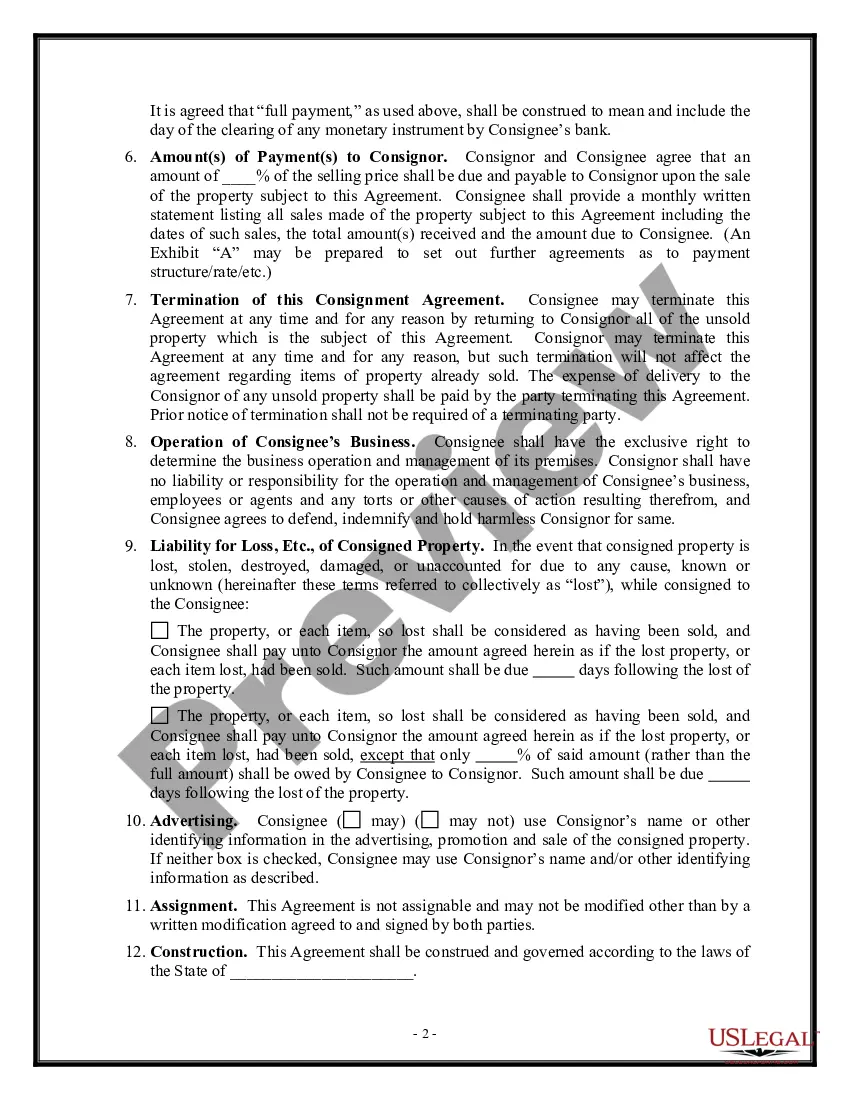
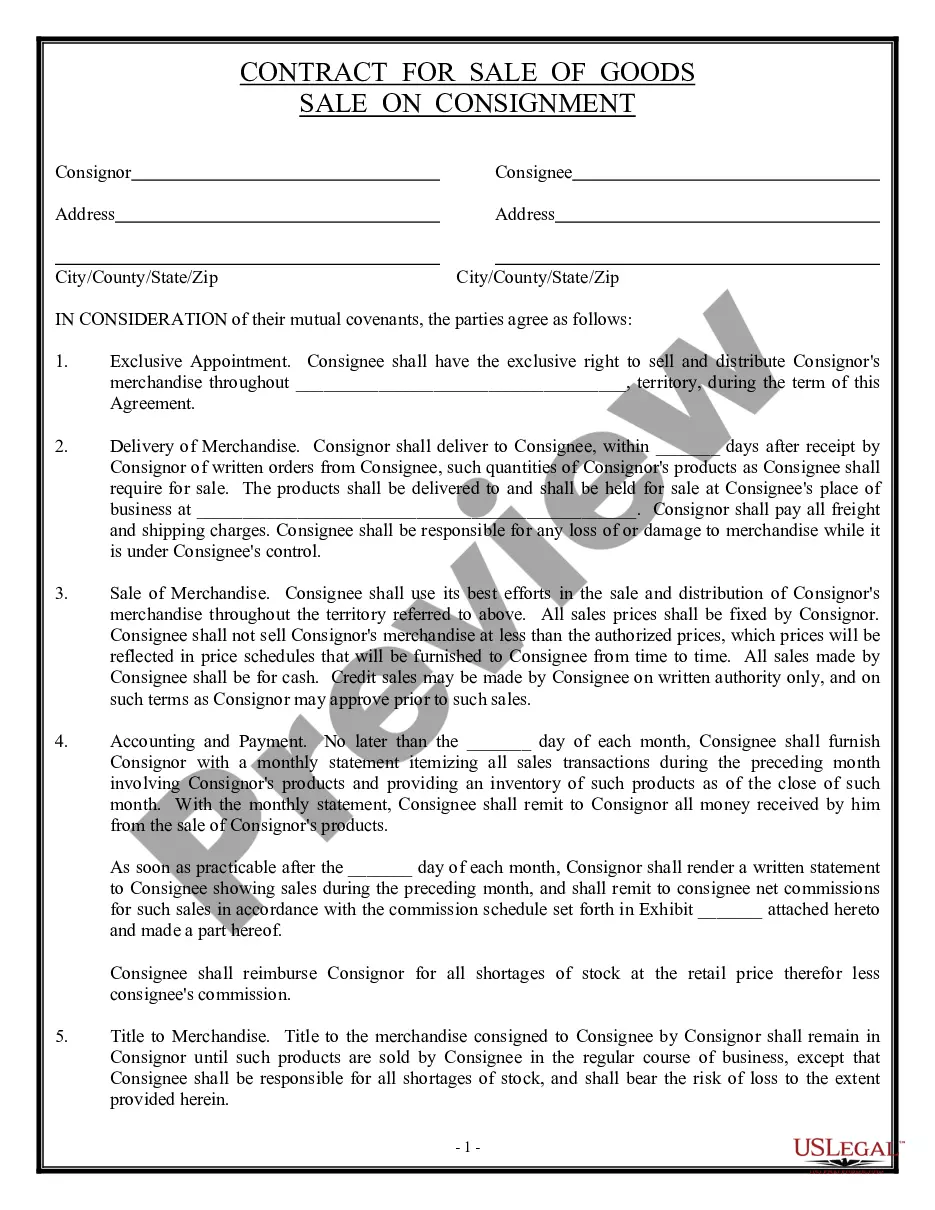
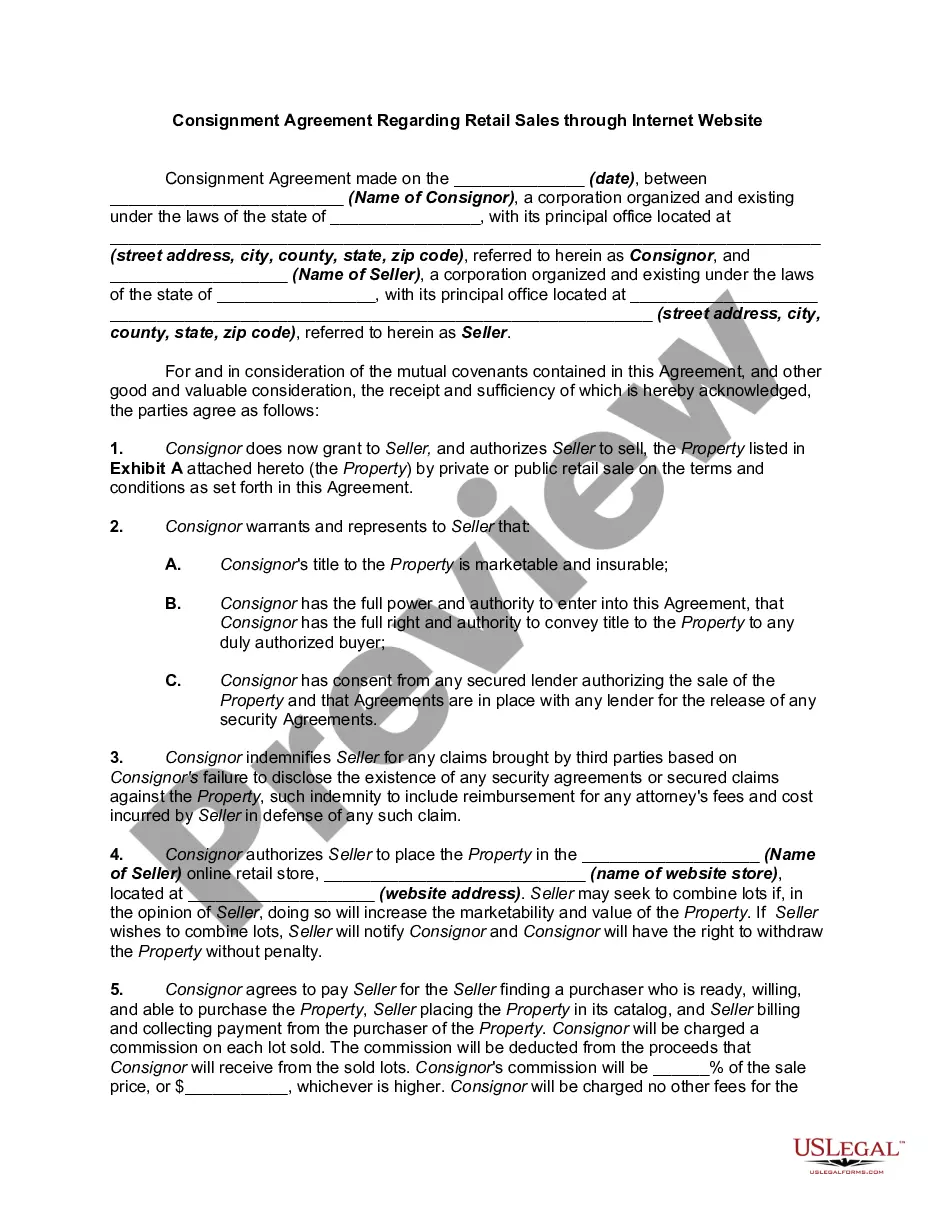
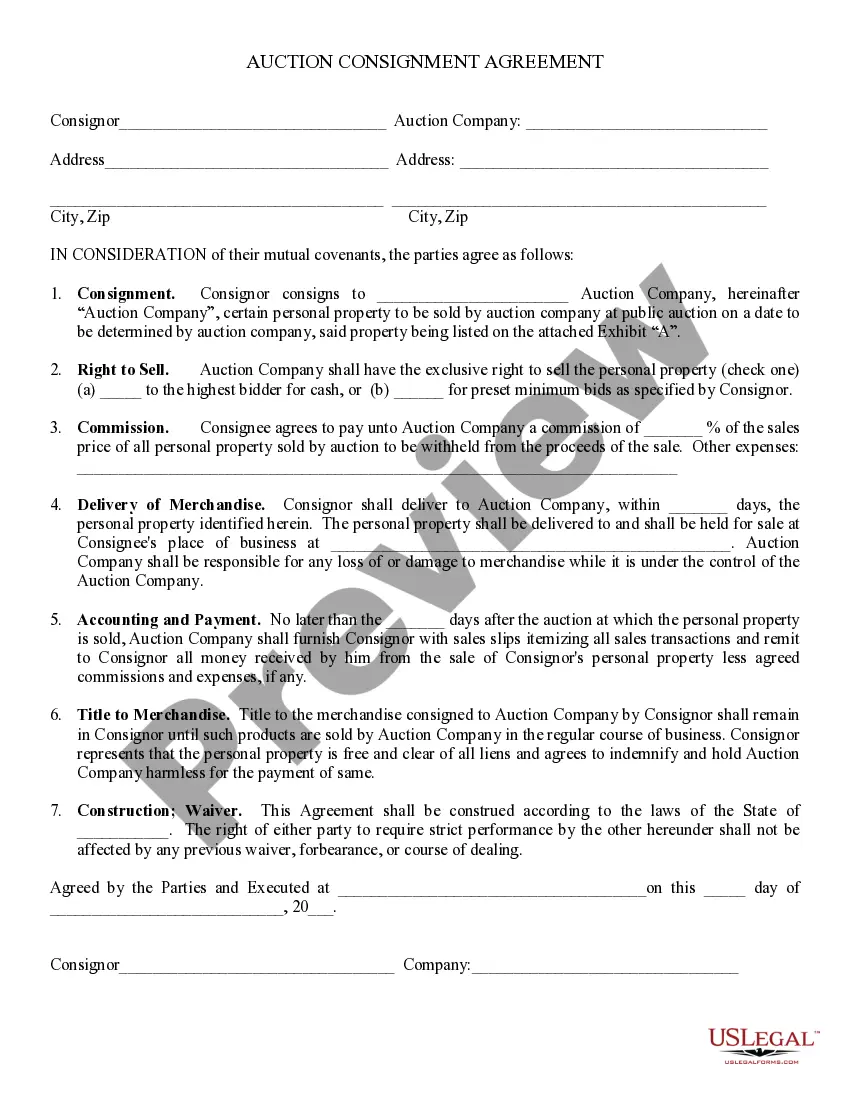
Key Components of a Consignment Contract Template Identification of parties: Indicate both the consignee and consignor's names and addresses clearly. Description of goods: List the goods or products being consigned, including any relevant specifications, quantities, quality standards, or unique identifiers.
Please provide full description of goods, number of packages, gross weight and consignment dimensions. Customer reference. You can enter any internal reference code that you would like to be printed on the invoice, with a maximum of 24 characters. Delivery address. Dutiable shipment details.
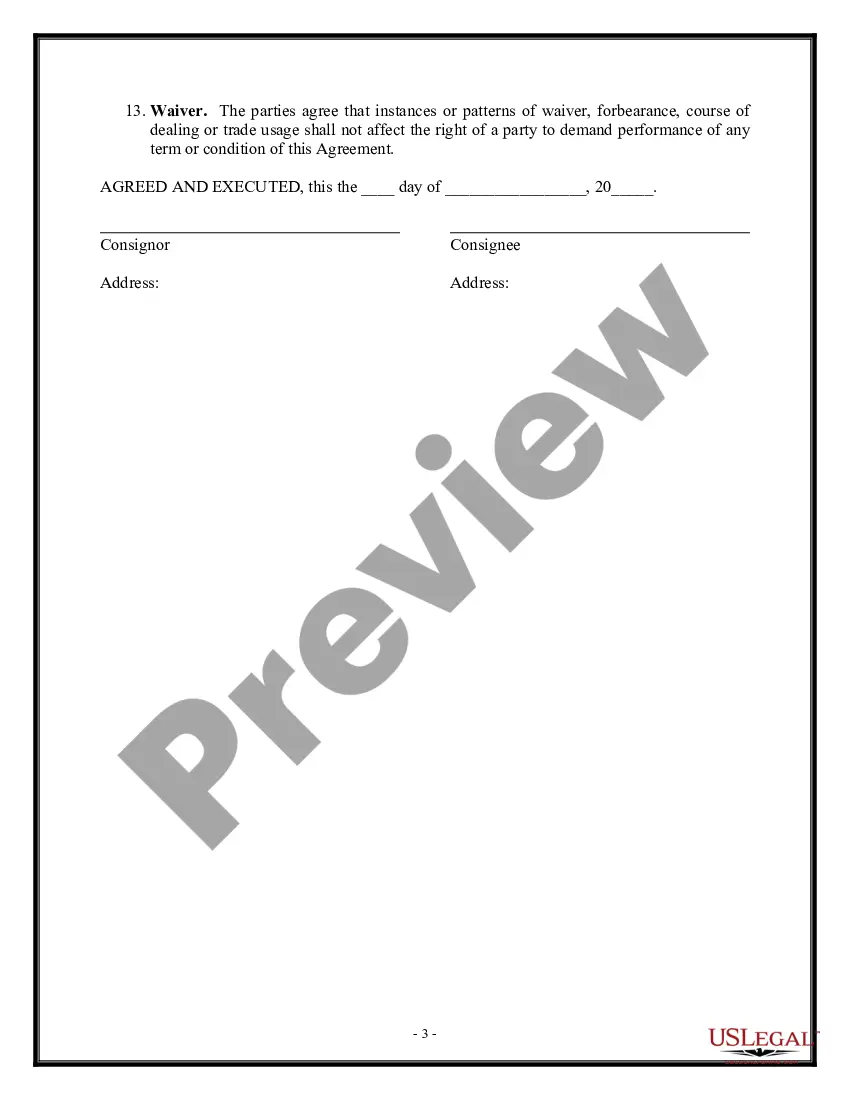
Components of a Consignment Agreement Template They include: Date and parties involved. Description of goods and terms for selling them. The consignee's responsibilities when it comes to the sale, including where they will be sold and when.
The two types of consignment are: Outward Consignment: When goods are sent from one country to another for sale, the consignment is called outward consignment. Inward Consignment: When the goods are sold domestically for sale then it is called inward consignment. X Sent some goods to Y for sale.
This kind of arrangement is called Consignment. Definition. The contract or an agreement of sending several goods by the producers or manufacturers of a place to their agents for the sale is known as a consignment. Types of Consignment. Outward Consignment. Inward Consignment. Consignment Processing. Sale. Features of a Sale.
A consignment agreement, to be used where the seller (consignor) wishes to place goods on consignment before they are resold or used by the buyer (consignee). Goods will be stored at a facility or warehouse, under the control of the consignor, the consignee, or a third party.
Successful consignment shops can generate over $300,000 in annual sales. After covering expenses, profit margins are around 25–35% on average.
She takes the clothes to a thrift store to sell the clothes on consignment. Bethany and the thrift store come to an agreement that Bethany will receive 60% of the revenues from the items sold while the thrift store will receive the remaining 40%. This business model is used by many second-hand stores.
Consignment tends to be the best option for beginner or hobbyist sellers. If your product is new, use consignment as a market-testing method. You'll learn valuable information about your audience and product line. Wholesale can be the better option for serious or experienced sellers.
