Construction Contract Form Download For Mac In Nevada
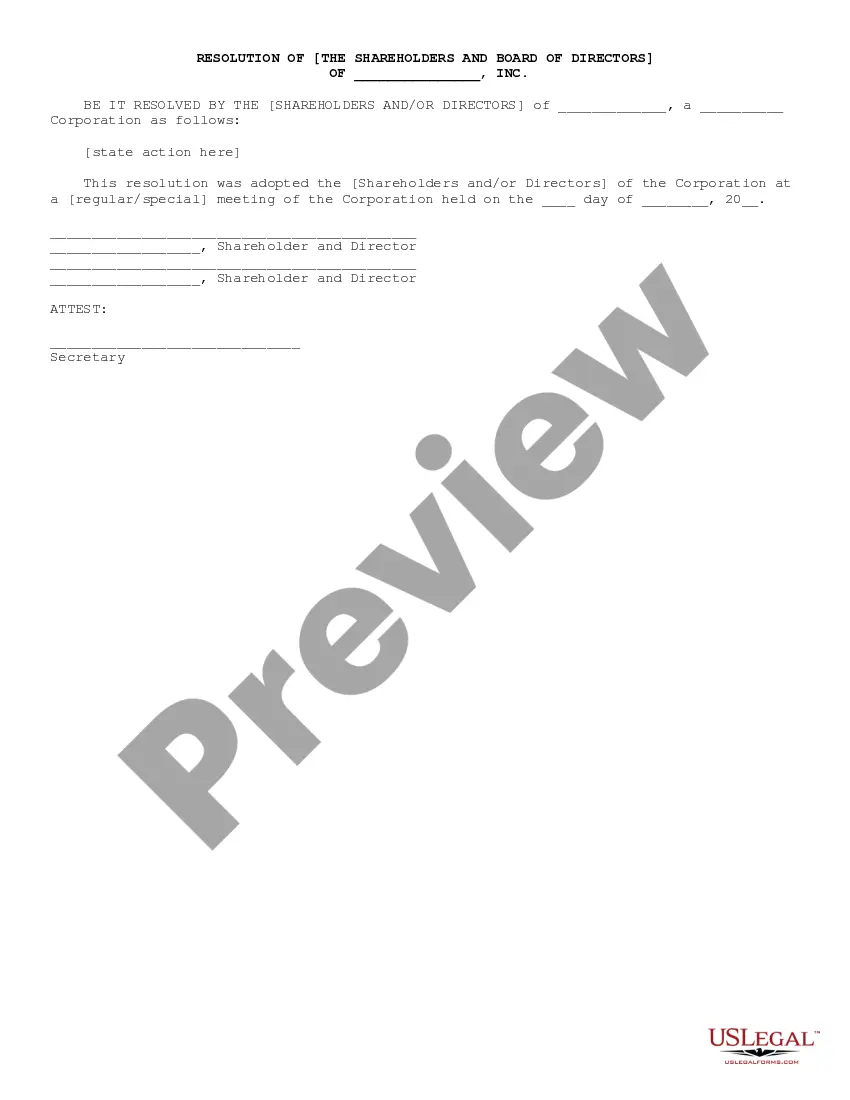
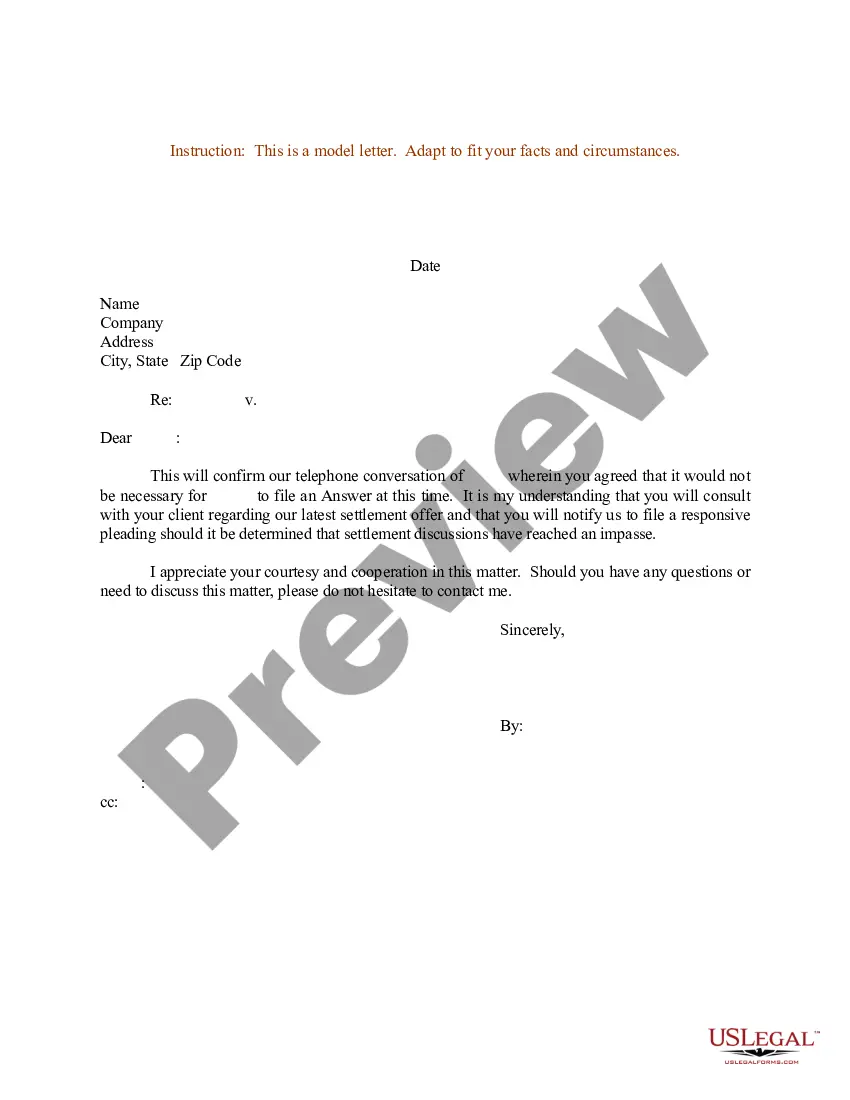
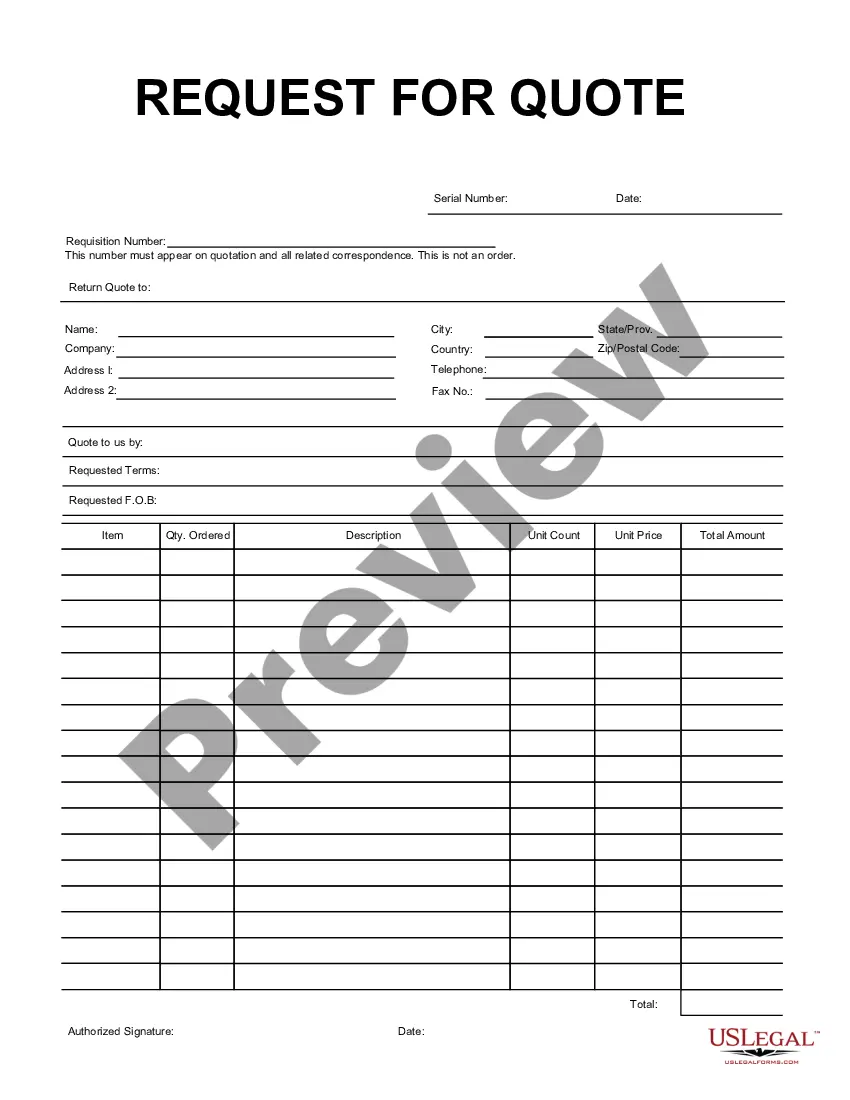
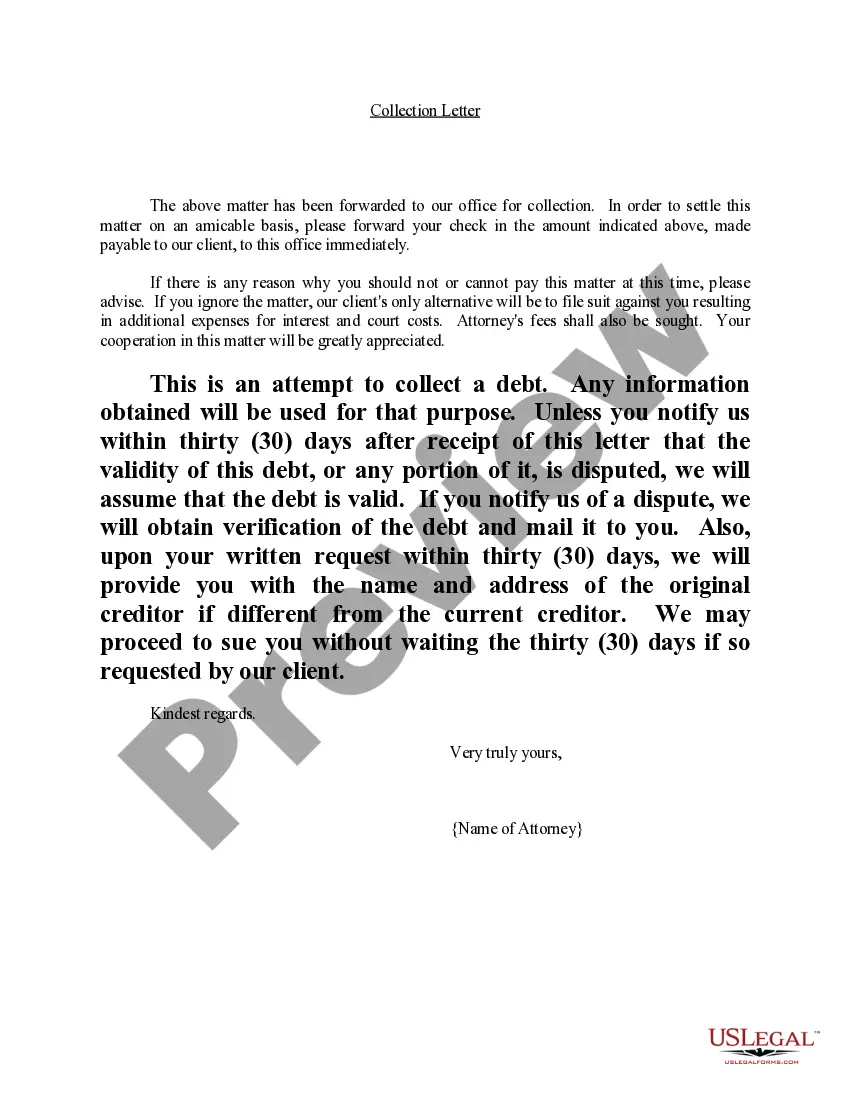
Description




Form popularity
FAQ
When writing a contract, you should include an introductory section that lists and defines all of the interested parties. A well-constructed contract will cover its duration and the specifics regarding the terms of the agreement between the parties. The tone of a contract should be formal and concise.
How to draft a contract in 13 simple steps Start with a contract template. Understand the purpose and requirements. Identify all parties involved. Outline key terms and conditions. Define deliverables and milestones. Establish payment terms. Add termination conditions. Incorporate dispute resolution.
Nevada Contractor License Requirements The exam is open book, so you'll be using the Construction Business and Law Manual, for Nevada. We will help you with your Nevada contractor license exam prep. Additionally, there is a trade examination specific to the classification of license that you're applying for.
How To Write A Construction Contract With 7 Steps Step 1: Define the Parties Involved. Step 2: Outline the Scope of Work. Step 3: Establish the Timeline. Step 4: Determine the Payment Terms. Step 5: Include Necessary Legal Clauses. Step 6: Address Change Orders and Modifications. Step 7: Sign and Execute the Contract.
To become a licensed contractor in Nevada: Register your business at SilverFlume, Nevada's business portal. Apply for a license with the Nevada State Contractors Board. Pass the contractor trade and management exams. Get contractor business insurance and fulfill the state's bond requirements.
Nevada recognizes general contractor, electrical, and plumbing licenses from Arizona, California, and Utah.
RMO License One of the most common, and often easiest ways that people without any prior experience can gain access to a contractor license is by utilizing either an “RMO” or “RME.”
The Nevada State Contractors Board issues licenses for the following classifications: Class “A”—General Engineering Contractor. The principal business is in connection with fixed works requiring specialized engineering knowledge and skill. Class “B”—General Building Contractor. Class “C”—Specialty Contractor.
Work to repair or maintain property valued at less than $1,000, including labor and materials, unless certain conditions apply (e.g., building permit required, type of work, contractor's license). Sale or installation of finished products or materials that do not become a permanent fixed part of a structure.
