Construction Contract For Work In Sacramento
Description



Form popularity
FAQ
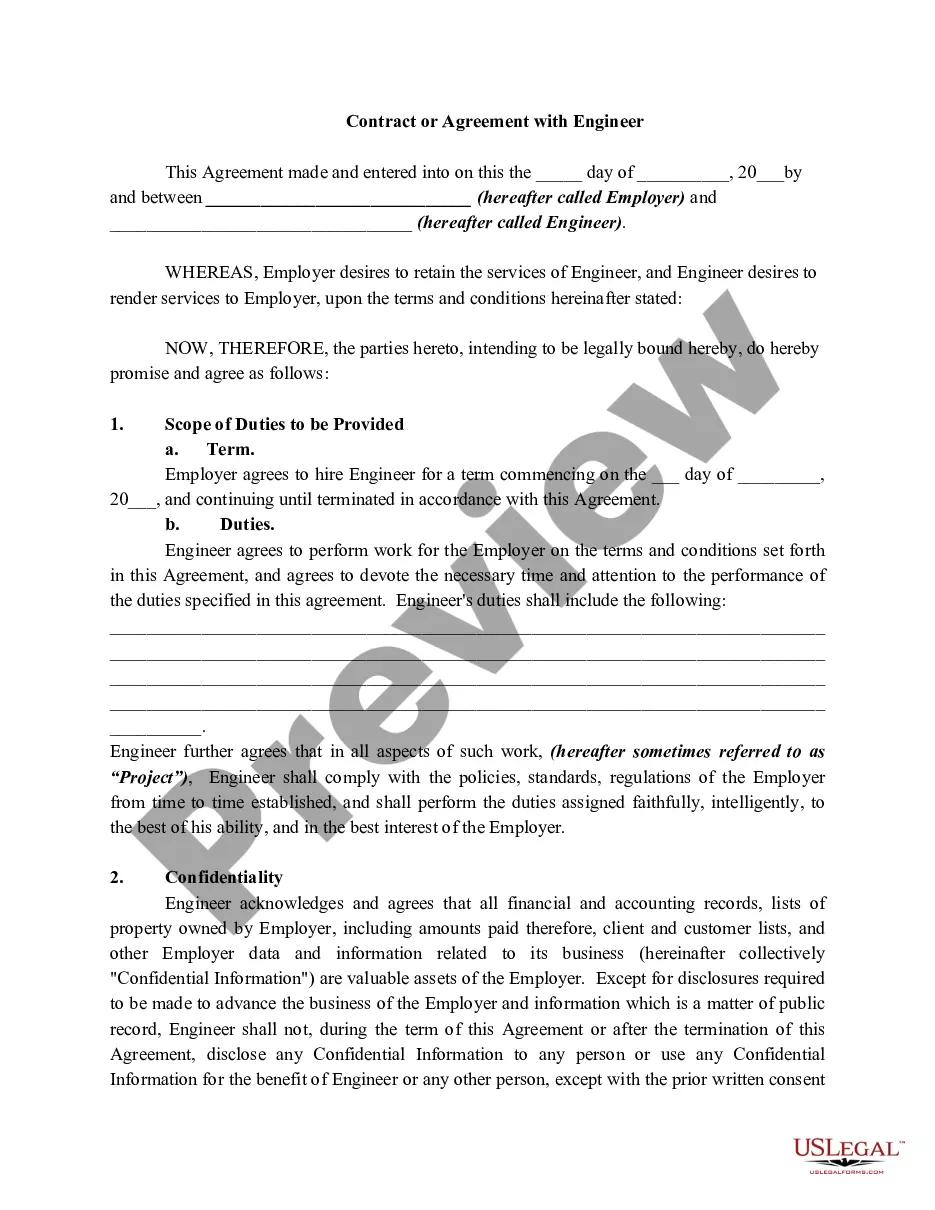
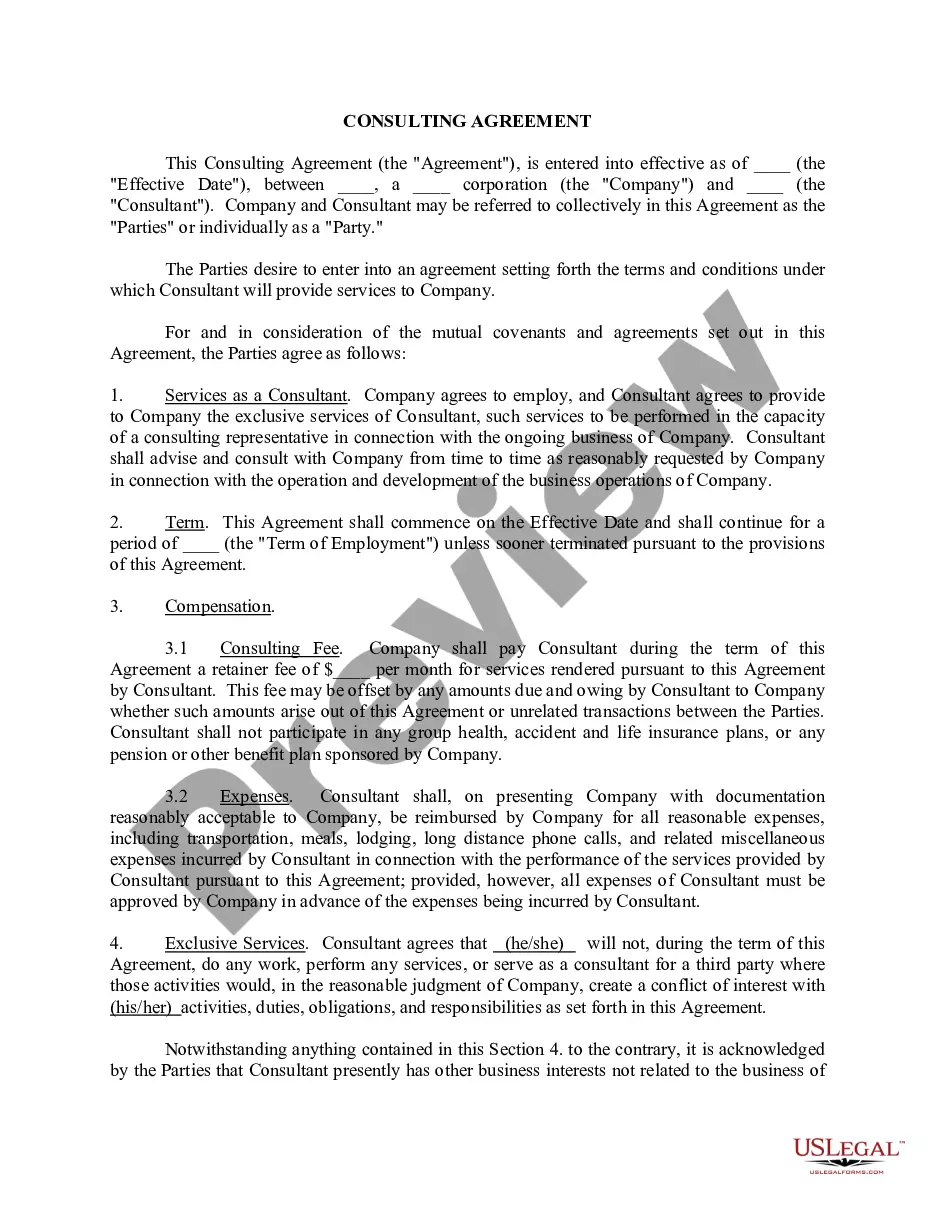
How To Write A Construction Contract With 7 Steps Step 1: Define the Parties Involved. Step 2: Outline the Scope of Work. Step 3: Establish the Timeline. Step 4: Determine the Payment Terms. Step 5: Include Necessary Legal Clauses. Step 6: Address Change Orders and Modifications. Step 7: Sign and Execute the Contract.
Use recruitment agencies Recruiters do the legwork for you, connecting you with contracts based on your skills, experience and fees. You could start by signing up with several of the leading contract recruitment agencies, which will update you as and when a relevant opportunity comes their way.
Here are the top 15 lead generation sites for construction contractors: Google Business Profile. Creating a Google Business Profile (GBP) can help potential leads find your business online via Google Search and Google Maps. Angie's List. Yelp. Houzz. Bing Places for Business. HomeAdvisor. Meta Business Suite. Porch.
How To Write A Construction Contract With 7 Steps Step 1: Define the Parties Involved. Step 2: Outline the Scope of Work. Step 3: Establish the Timeline. Step 4: Determine the Payment Terms. Step 5: Include Necessary Legal Clauses. Step 6: Address Change Orders and Modifications. Step 7: Sign and Execute the Contract.
Contracts don't need to be in legal language, but they do need to outline exactly who is responsible for what from obtaining various permissions (such as building control approval) to timings, tidying up, materials, insurance and how payments will be made. A written contract will protect you and reduce risks.
If your project has a well-defined scope of work, a lump sum contract is a straightforward solution since contractors should be able to accurately estimate costs. If the project scope is unclear, contractors can bid with time and materials contracts to mitigate risk.
Initial Payment: $1,000 or 10% (whichever is less) Demo and Prep Work Completion: 20%
How to draft a contract in 13 simple steps Start with a contract template. Understand the purpose and requirements. Identify all parties involved. Outline key terms and conditions. Define deliverables and milestones. Establish payment terms. Add termination conditions. Incorporate dispute resolution.
