Negligence Lawsuit Examples
Description
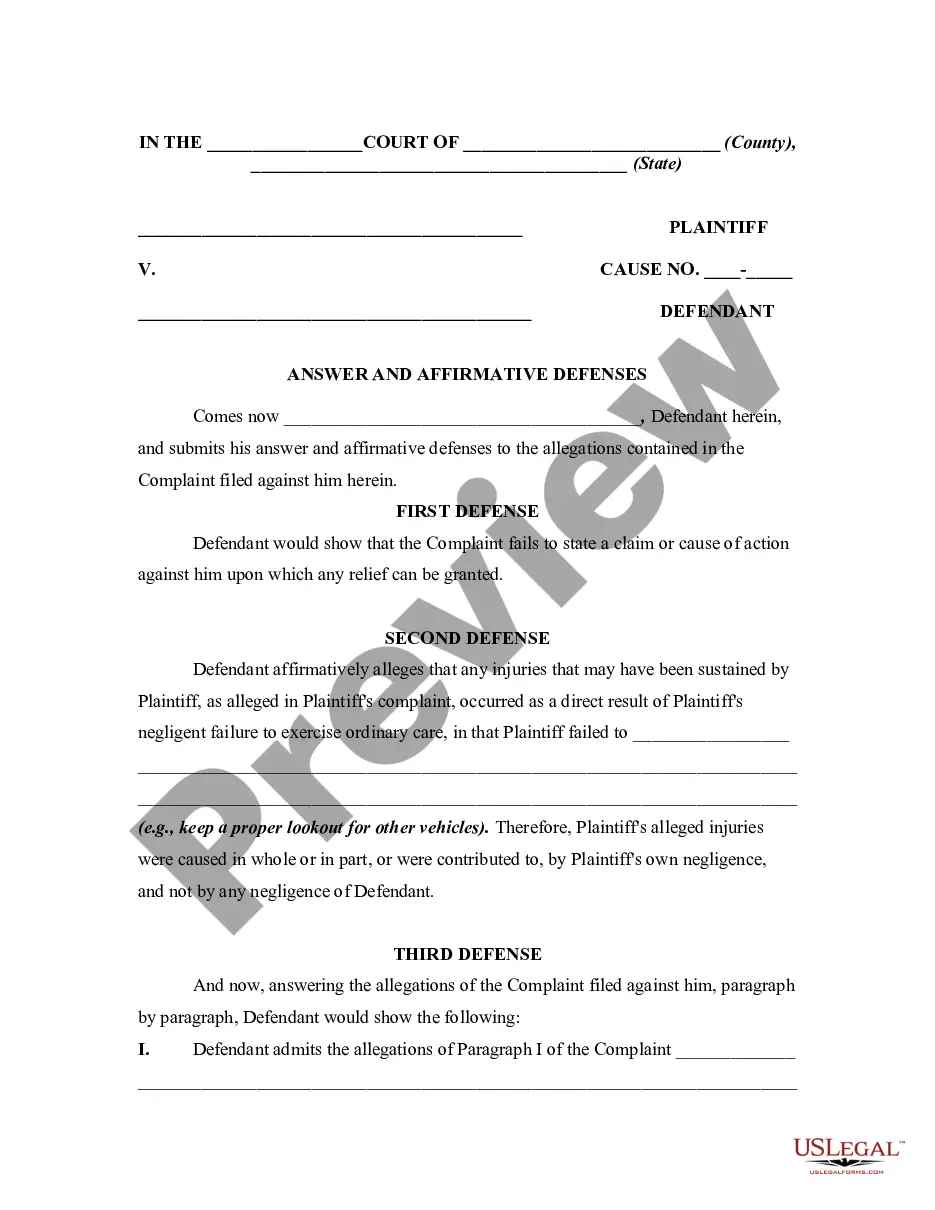
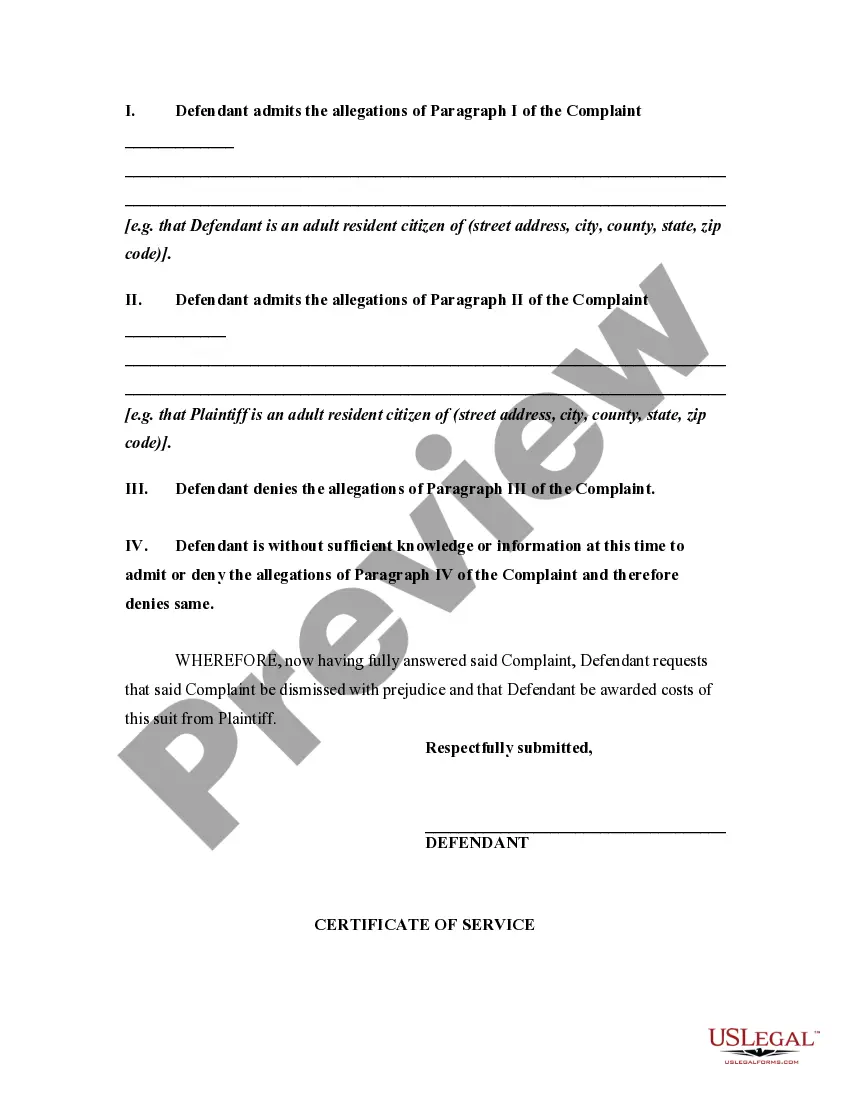
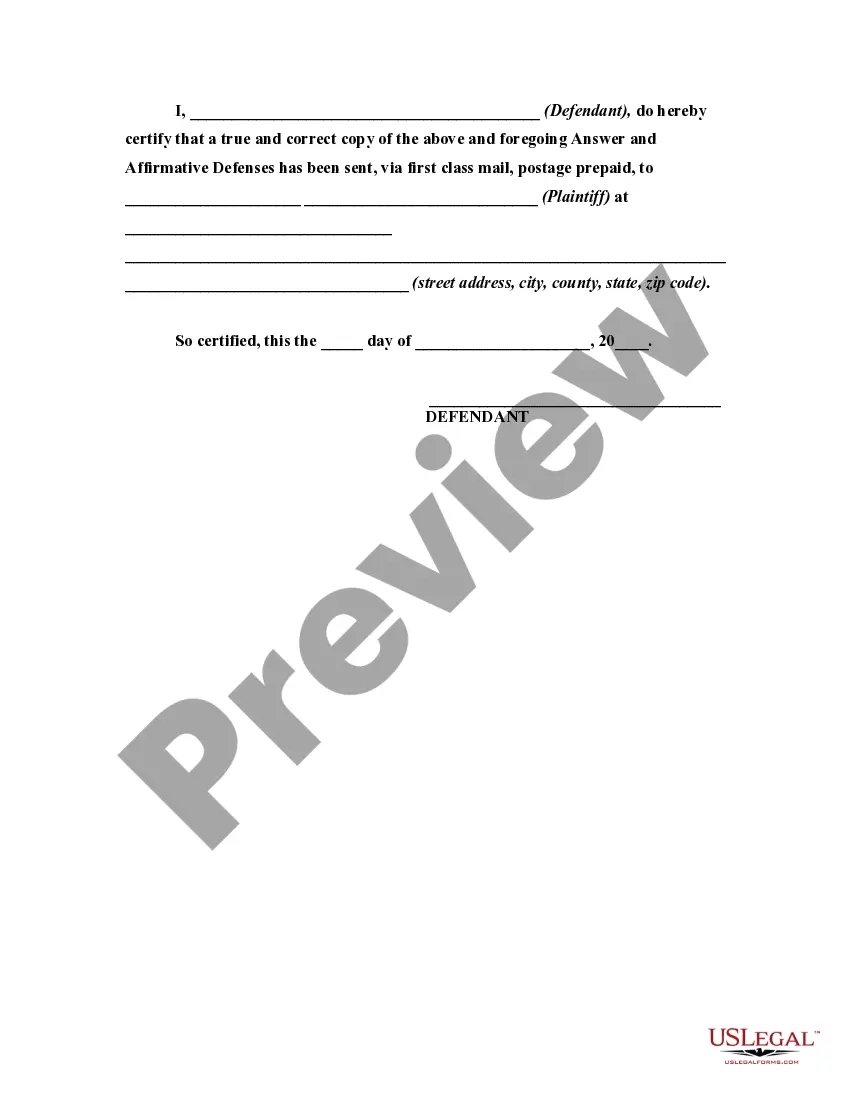
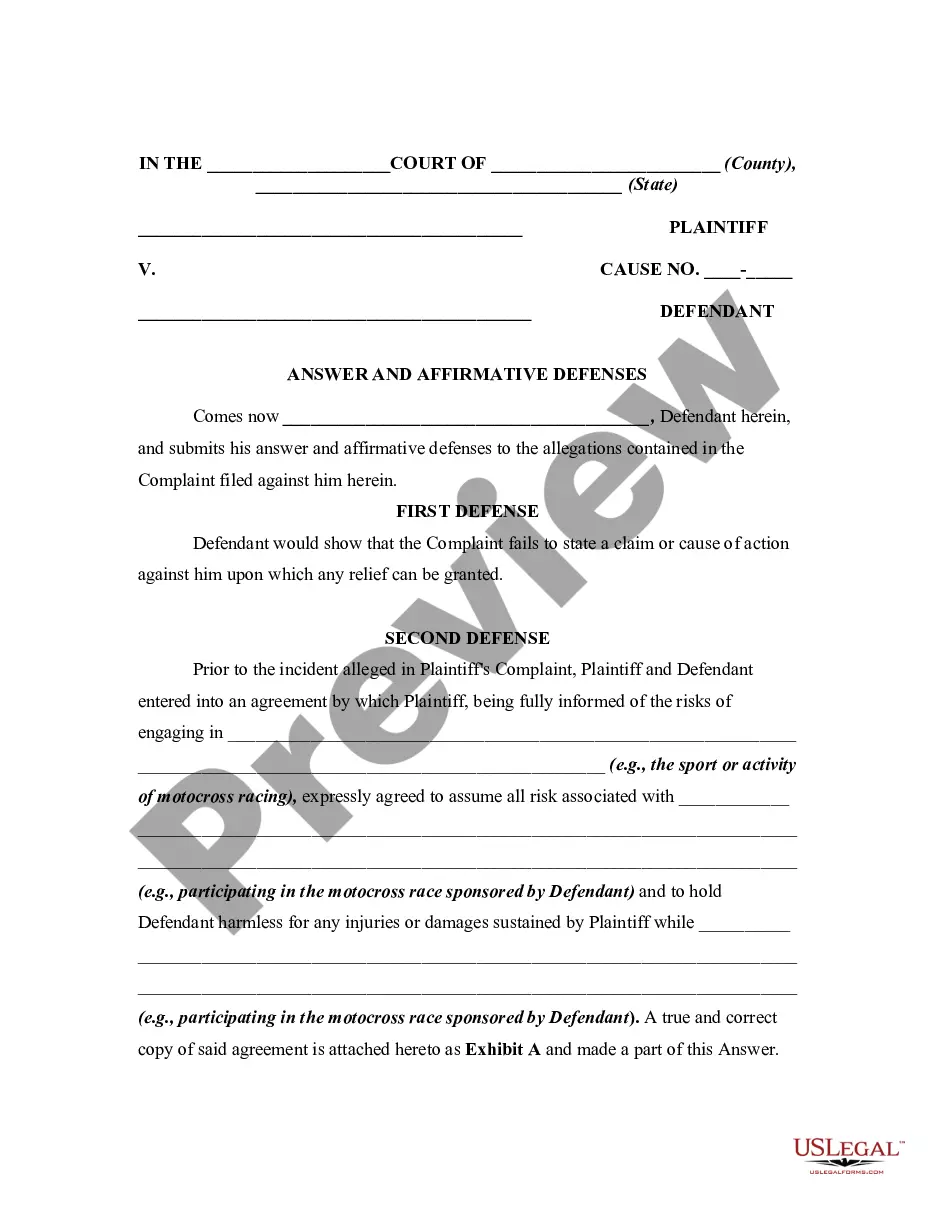
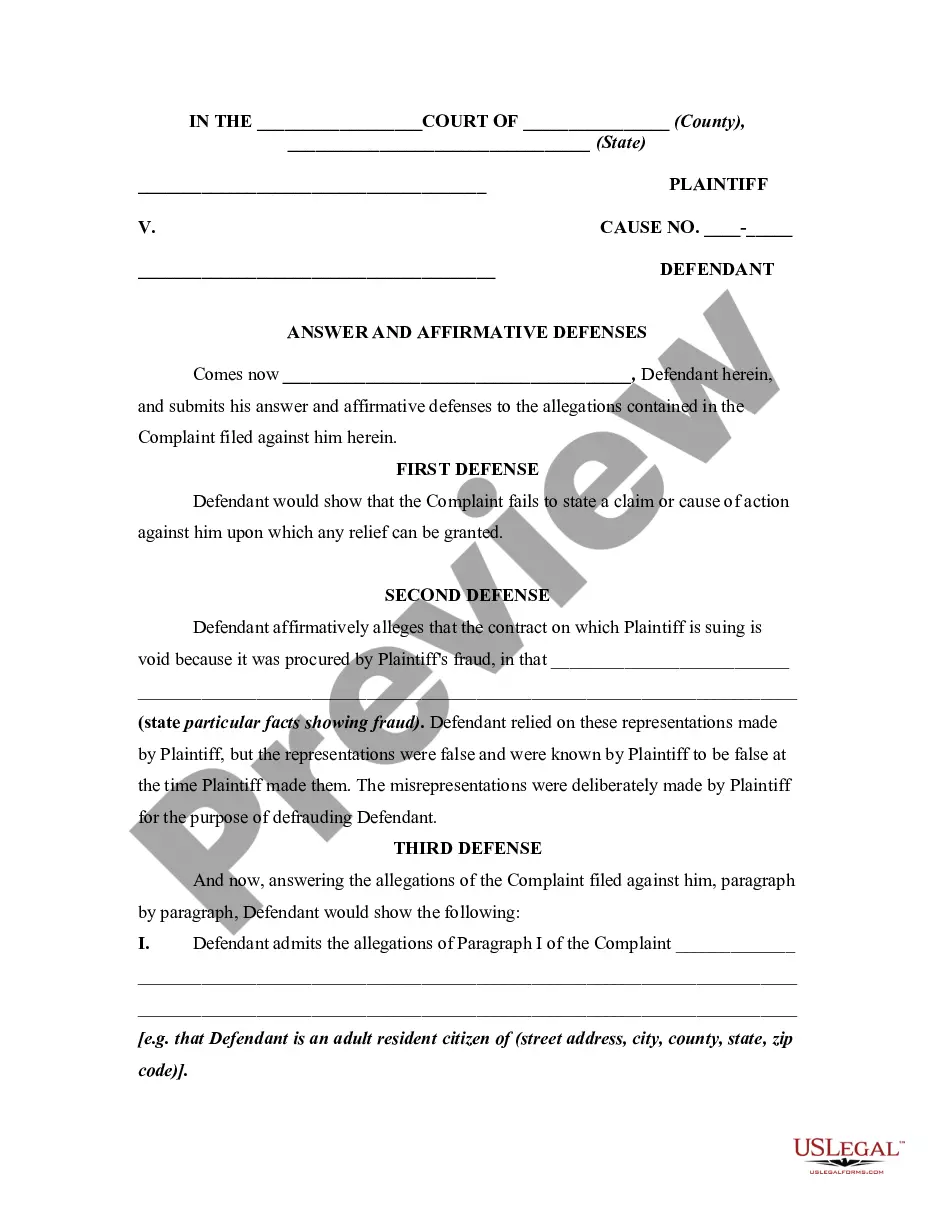
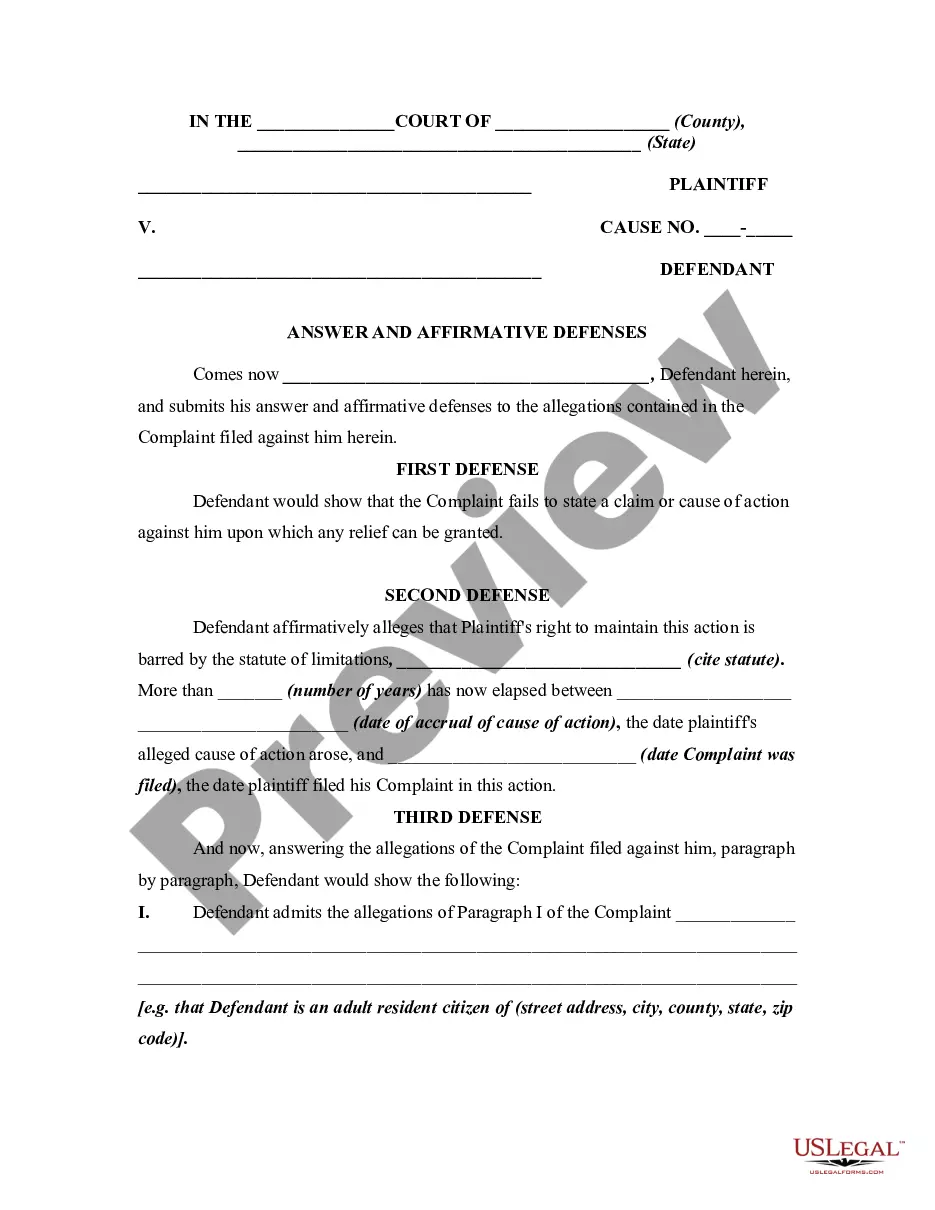
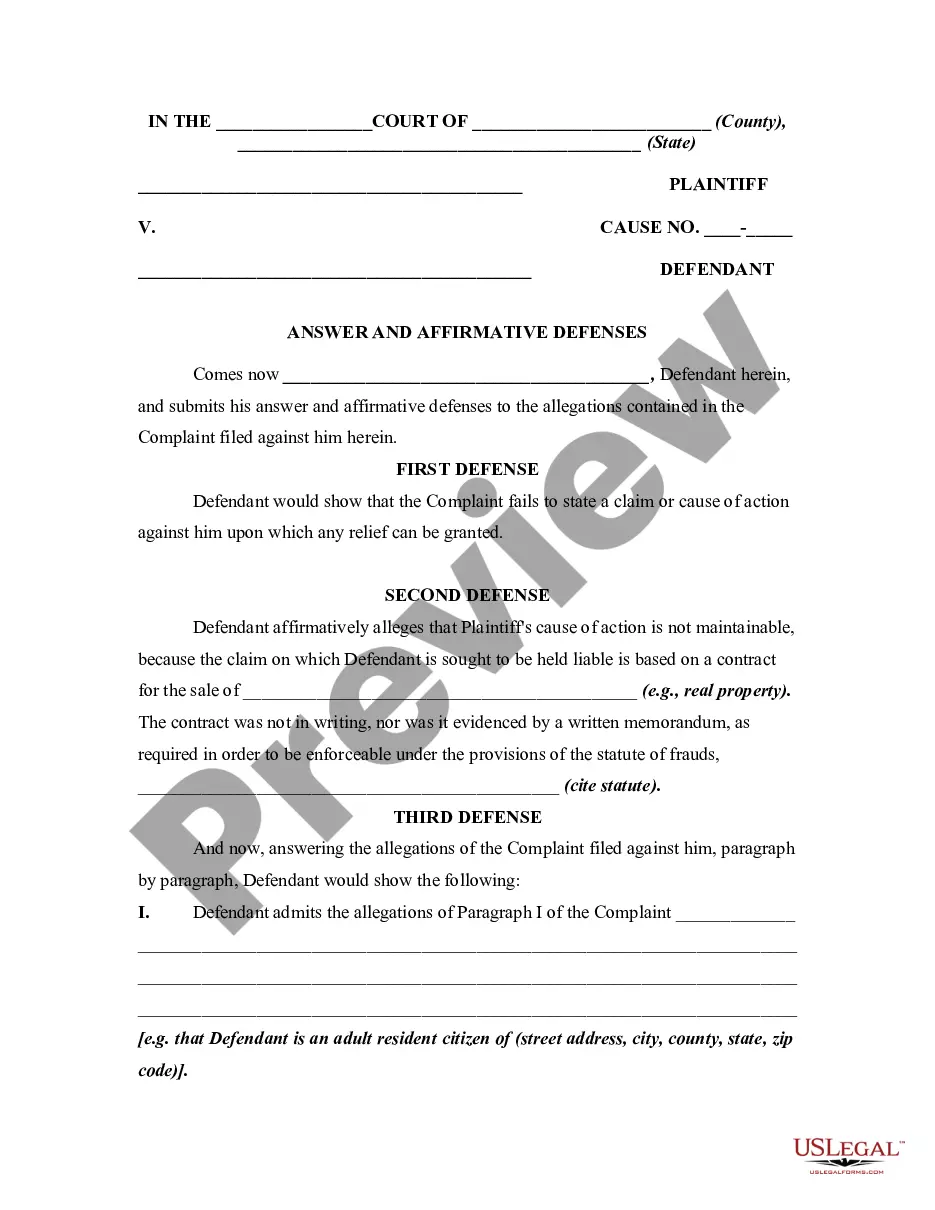

How to fill out Answer By Defendant In A Civil Lawsuit Alleging The Affirmative Defense Of Contributory Negligence?
Finding a reliable place to access the most up-to-date and suitable legal templates is a significant part of managing bureaucracy.
Identifying the appropriate legal documents requires accuracy and meticulousness, which is why it is essential to obtain samples of Negligence Lawsuit Examples exclusively from trustworthy sources, such as US Legal Forms. An incorrect template can lead to wasted time and exacerbate your current situation.
Eliminate the hassle associated with your legal documents. Explore the comprehensive US Legal Forms catalog, where you can discover legal templates, assess their applicability to your situation, and download them instantly.
- Utilize the library navigation or search bar to find your sample.
- Check the form’s description to see if it meets your state and region requirements.
- Preview the form, if possible, to confirm it is the document you need.
- Continue searching and find the correct document if the Negligence Lawsuit Examples does not fulfill your requirements.
- Once you are sure of the form’s relevance, proceed to download it.
- If you are a registered member, click Log in to verify and access your chosen templates in My documents.
- If you don’t have an account yet, click Buy now to acquire the form.
- Choose the pricing plan that suits your needs.
- Move on to the registration to finalize your purchase.
- Complete your purchase by selecting a payment method (credit card or PayPal).
- Choose the file format for downloading Negligence Lawsuit Examples.
- After you have the form on your device, you can edit it using the editor or print it to complete it by hand.
Form popularity
FAQ
The four main types of negligence include gross negligence, comparative negligence, contributory negligence, and vicarious liability. Gross negligence refers to a severe lack of care that results in significant harm. Comparative negligence assesses the shared fault, while contributory negligence can prevent recovery if the injured party contributed to the accident. Vicarious liability holds one party responsible for another's actions, often seen in employer-employee relationships. Understanding these negligence lawsuit examples can help you navigate potential claims effectively.
Compensation in a negligence case varies widely based on several factors, including the severity of the injury and the proof of damages. You might receive compensation for medical expenses, lost wages, and pain and suffering. Consulting detailed negligence lawsuit examples can provide insight into potential compensation amounts in similar situations.
Winning a negligence case can be challenging, primarily because you must prove each of the four elements of negligence convincingly. Each case is unique, requiring strong evidence to support your claims. However, platforms like US Legal Forms can guide you through the complexities of filing and presenting your case, improving your chances of success.
An example of a negligence lawsuit could involve a slip and fall incident in a grocery store. If a store fails to clean up a spill, and a customer is injured as a result, the store may be sued for negligence. This illustrates the importance of maintaining safe premises, which is a crucial aspect often covered in negligence lawsuit examples.
One of the most common examples of negligence is a car accident caused by a driver who fails to obey traffic signals. In this case, the driver had a duty to follow the laws of the road. Their failure to do so resulted in damage or injury, making it a classic negligence lawsuit example. Understanding these scenarios can clarify your own situation.
To successfully sue for negligence, a plaintiff needs to demonstrate that the defendant had a duty to act, that they breached that duty, and that this breach caused harm. This process involves gathering evidence to support your claim. Engaging with a platform like US Legal Forms can help you understand the necessary steps to outline your lawsuit effectively.
To establish a negligence lawsuit, you must prove four key elements: a duty of care, a breach of that duty, causation, and damages. The duty of care implies that one party owed another a legal obligation. A breach occurs when that party fails to meet the standard of care required. Finally, causation links the breach directly to the damages suffered.