Final Settlement Letter To Company
Description
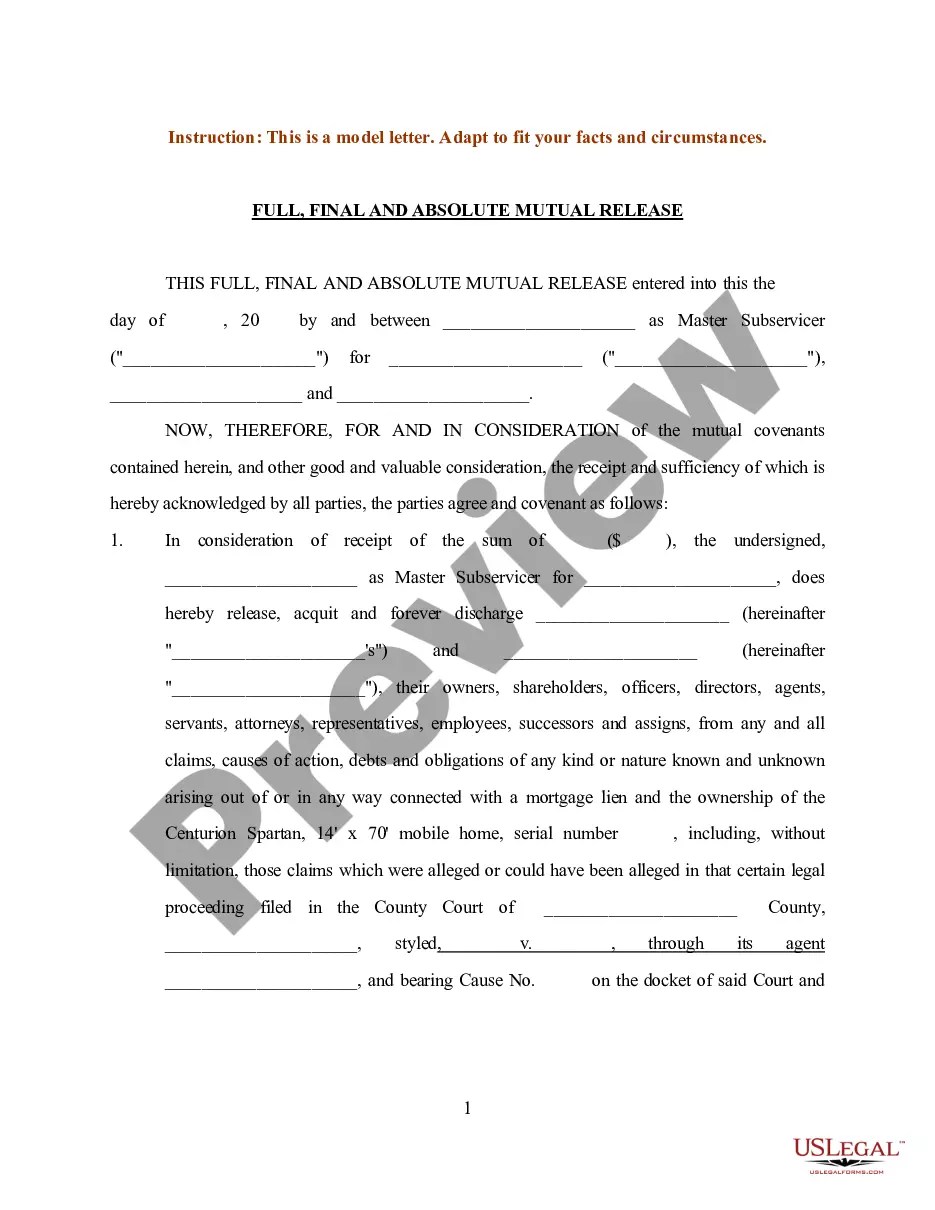

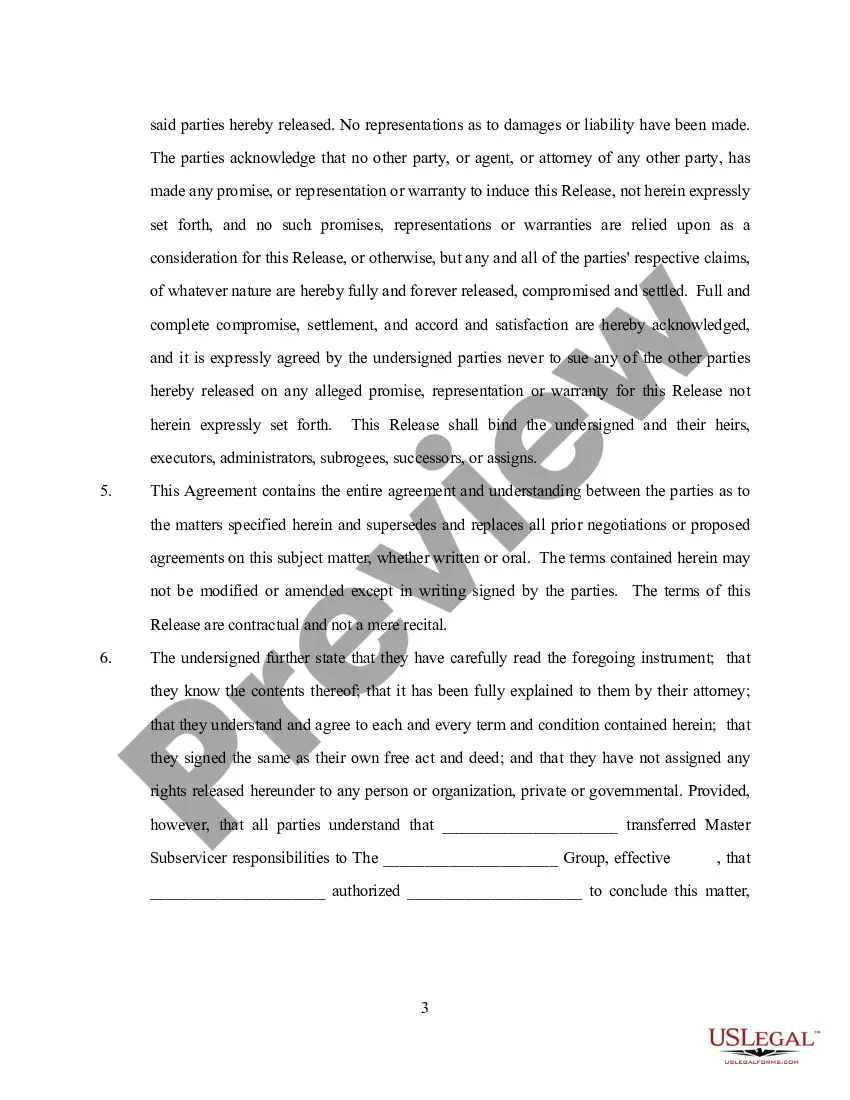
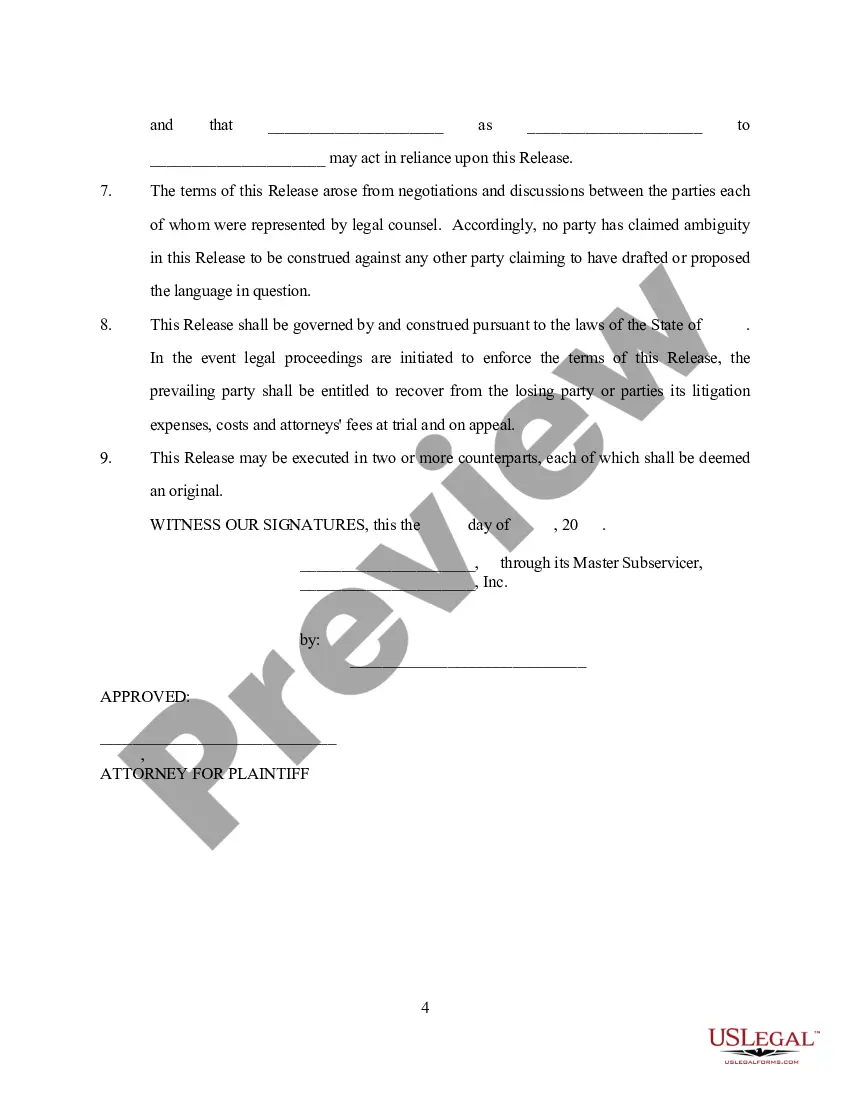
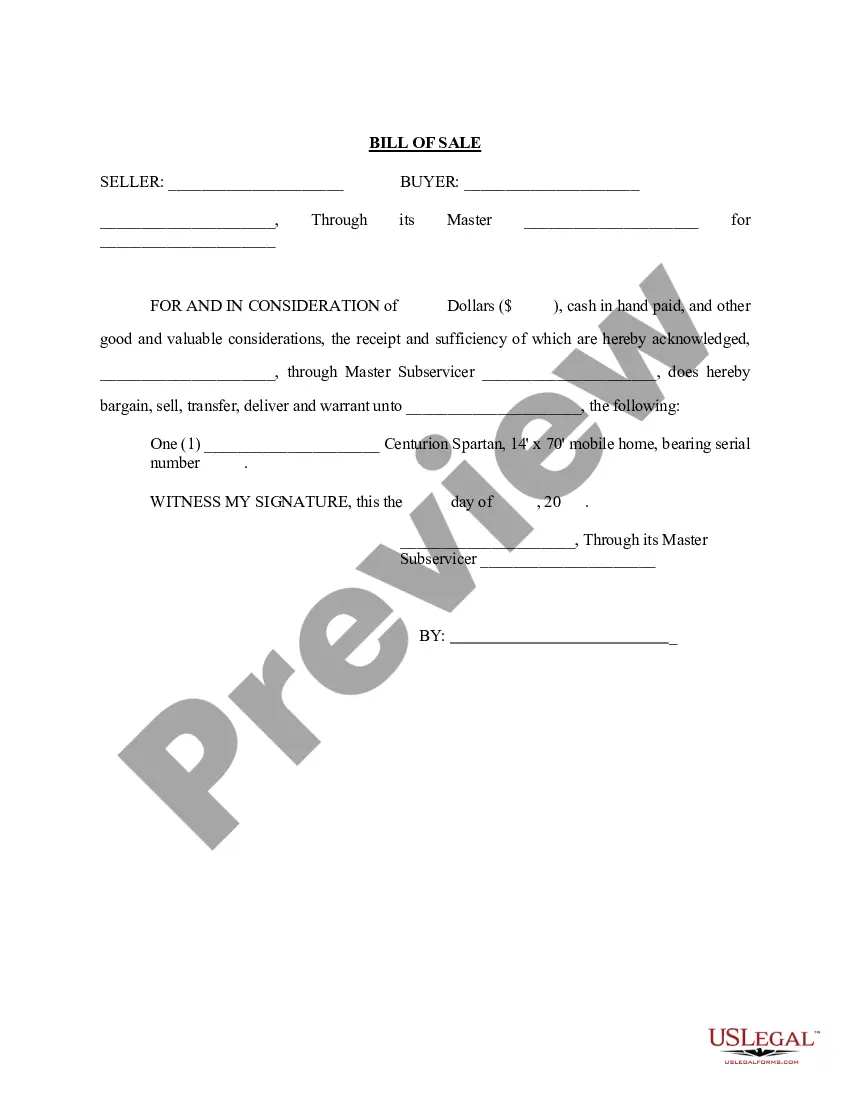
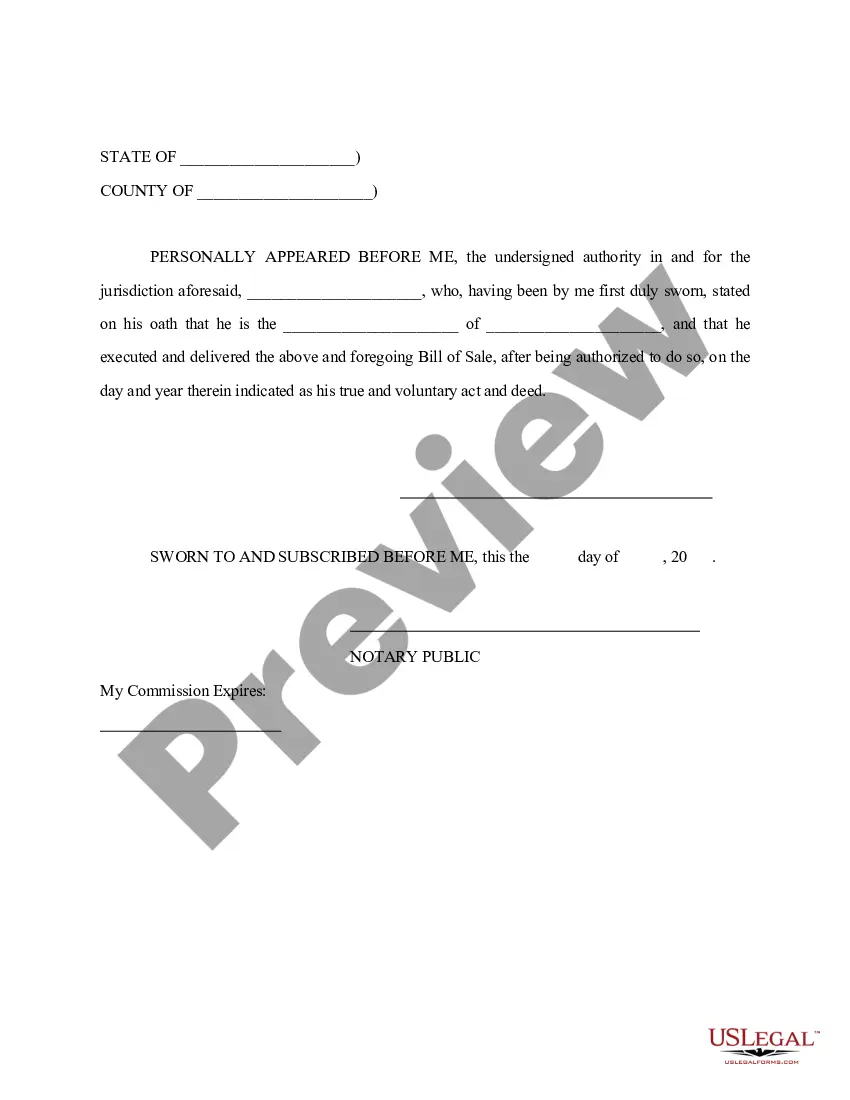

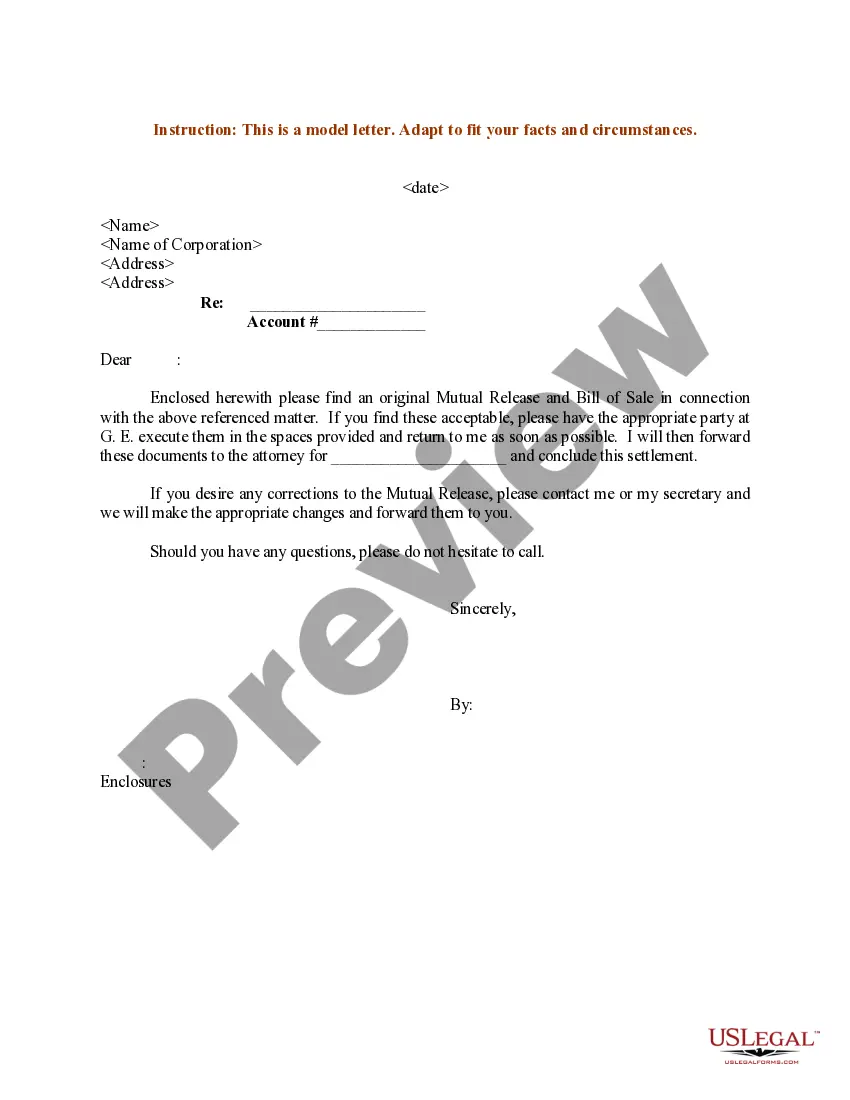
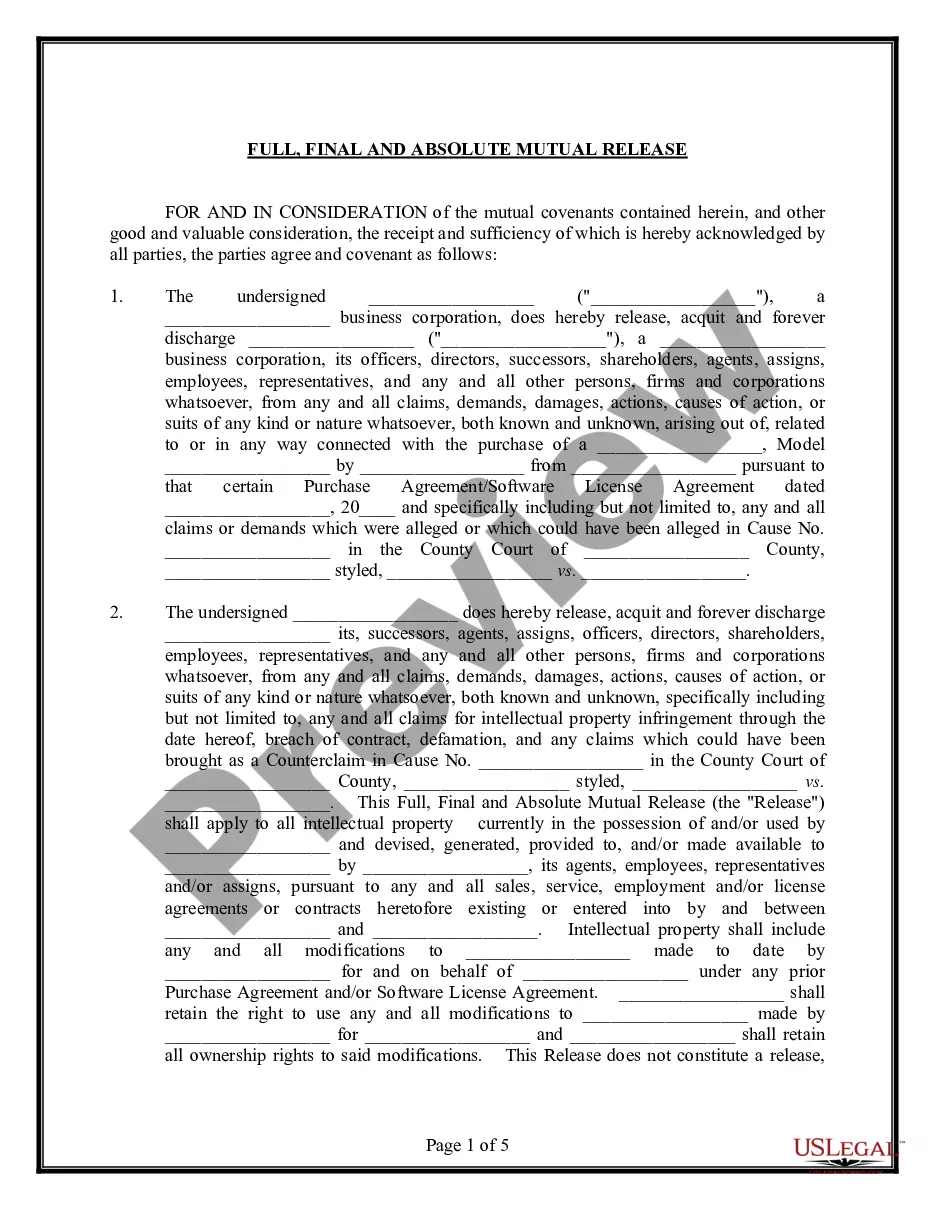
How to fill out Sample Letter For Full, Final, And Absolute Mutual Release And Bill Of Sale?
Individuals typically link legal documentation with complexity that only an expert can handle.
In a sense, this is accurate, as composing a Final Settlement Letter To Company requires significant proficiency in relevant criteria, including state and county laws.
Nevertheless, with US Legal Forms, the process has become more straightforward: ready-to-use legal documents for any personal and business occasion tailored to state statutes are compiled in a single online repository and are now accessible to everyone.
All templates in our collection are reusable: once acquired, they remain saved in your profile. You can access them anytime needed via the My documents tab. Experience all the advantages of using the US Legal Forms service. Subscribe today!
- Verify the page information thoroughly to ensure it aligns with your requirements.
- Examine the form details or view it using the Preview option.
- If the prior example does not fit your needs, locate another sample using the Search bar above.
- Click Buy Now when you identify the appropriate Final Settlement Letter To Company.
- Select a pricing plan that aligns with your needs and financial situation.
- Create an account or Log In to continue to the payment page.
- Complete your subscription payment through PayPal or with your credit card.
- Choose the file format and click Download.
- Print your document or upload it to an online editor for quicker completion.
Form popularity
FAQ
When you receive a full and final settlement offer, read the terms carefully before crafting your reply. If you accept the terms, clearly state your agreement and any conditions you wish to include. You might also need to outline how you intend to make the payment. It’s helpful to document everything and retain a copy of your correspondence, including the final settlement letter to company for your records.
Filling out a full and final settlement letter requires careful attention to detail. Begin by including your name, address, and the company’s contact information. Clearly state the purpose of the letter and provide all necessary account details, including the proposed settlement amount, payment method, and any conditions. Remember to keep a copy for your records after sending the final settlement letter to company.
A full and final settlement encompasses all agreed payments and obligations between you and the company. It usually includes the total amount owed, any interest, and fees. When you receive a final settlement letter to company, it serves as proof that you have settled the debt in full. This document can help finalize your obligations and protect you from future claims regarding the same debt.
To send a settlement letter, choose a reliable delivery method that suits the recipient's preference, such as email or postal service. Ensure you keep a record of the date and method of delivery. A final settlement letter to company should be sent promptly to facilitate a swift resolution.
Writing a final settlement letter involves stating your agreement to settle a dispute. Include essential details such as the settlement amount, any conditions, and a deadline for the response. A well-structured final settlement letter to company can help ensure everyone is on the same page, making the process smoother.
When writing a final payment letter, clearly specify the amount due and the payment deadline. Make sure to request a confirmation of the payment terms to avoid any misunderstandings. A final settlement letter to company can include a summary of previous agreements and outline the final payment’s significance in concluding your dealings.
A strong settlement letter should begin with a clear statement of your intent, followed by facts supporting your case. Use a respectful tone and be straightforward about your expectations. Crafting a final settlement letter to company that highlights the benefits of settling can motivate a positive response from the recipient.
To write a letter for a full and final settlement, start by clearly stating your intent to settle the matter. Include specific details such as the amount to be settled, the reason for the settlement, and any terms you wish to include. This final settlement letter to company should be concise and to the point. Remember to keep a copy for your records.
A claim settlement letter typically states the details of the claim, including relevant facts and the compensation being sought. It is important to detail any supporting evidence or documentation to strengthen your position. Using a structured approach helps in achieving a satisfactory resolution.
An example of a settlement offer letter includes a clear statement of the dispute and the offered settlement amount. You should outline the reasons for your offer, providing context to the company. This helps foster a constructive dialogue, aiming for an agreement.
