Sample Letter Of Intent To Purchase Vessel
Description
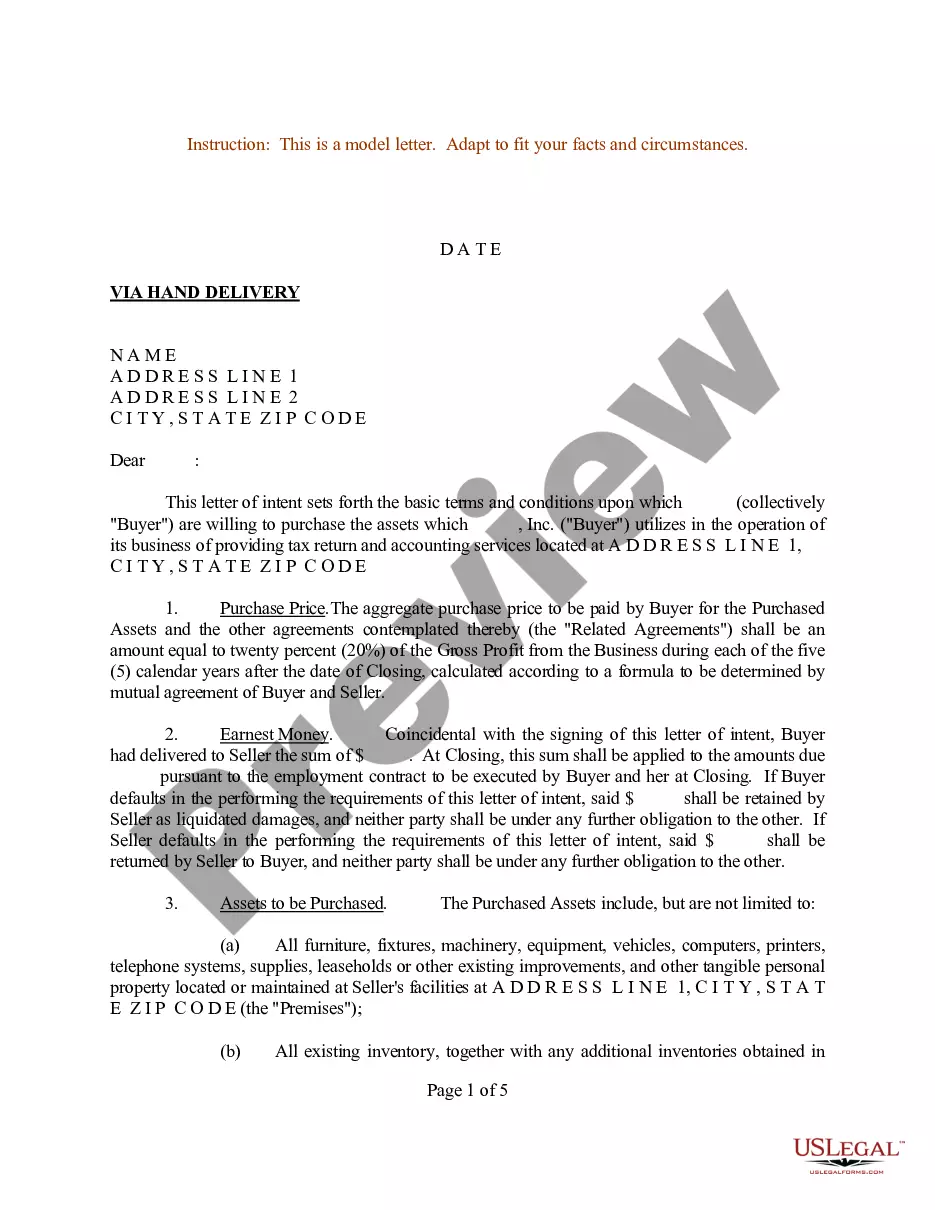
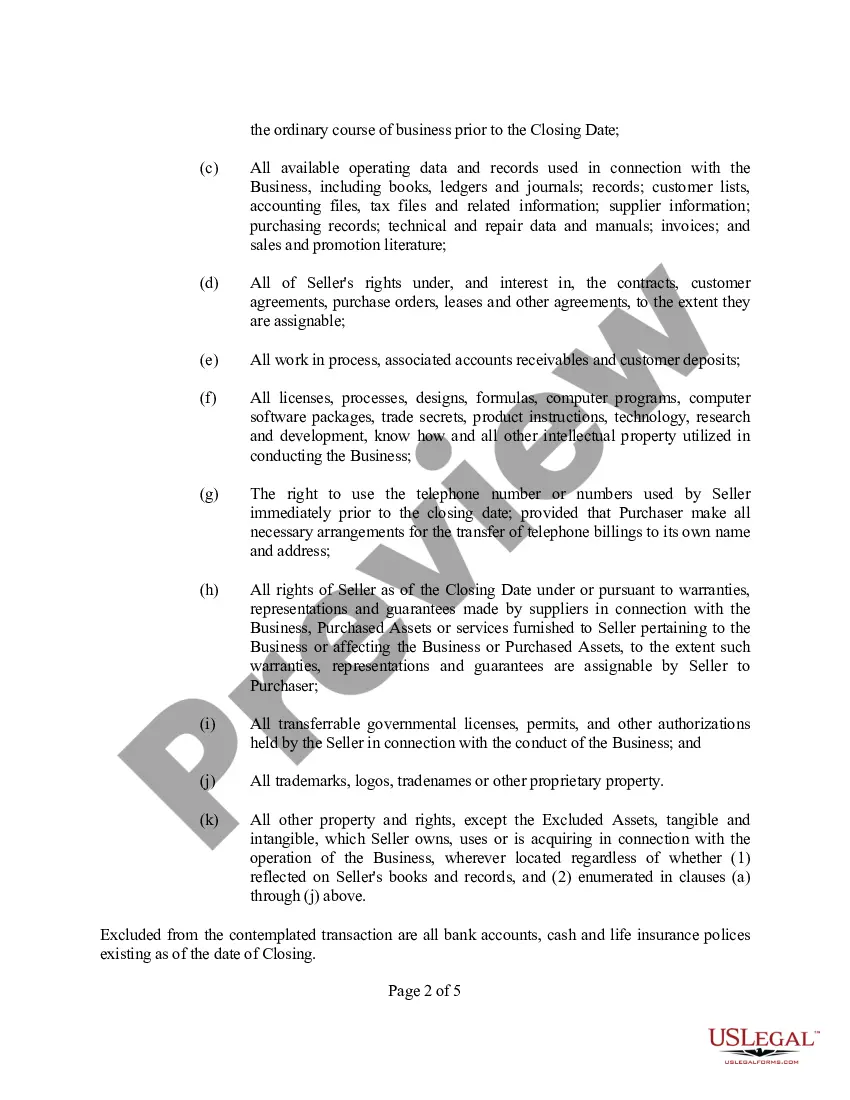
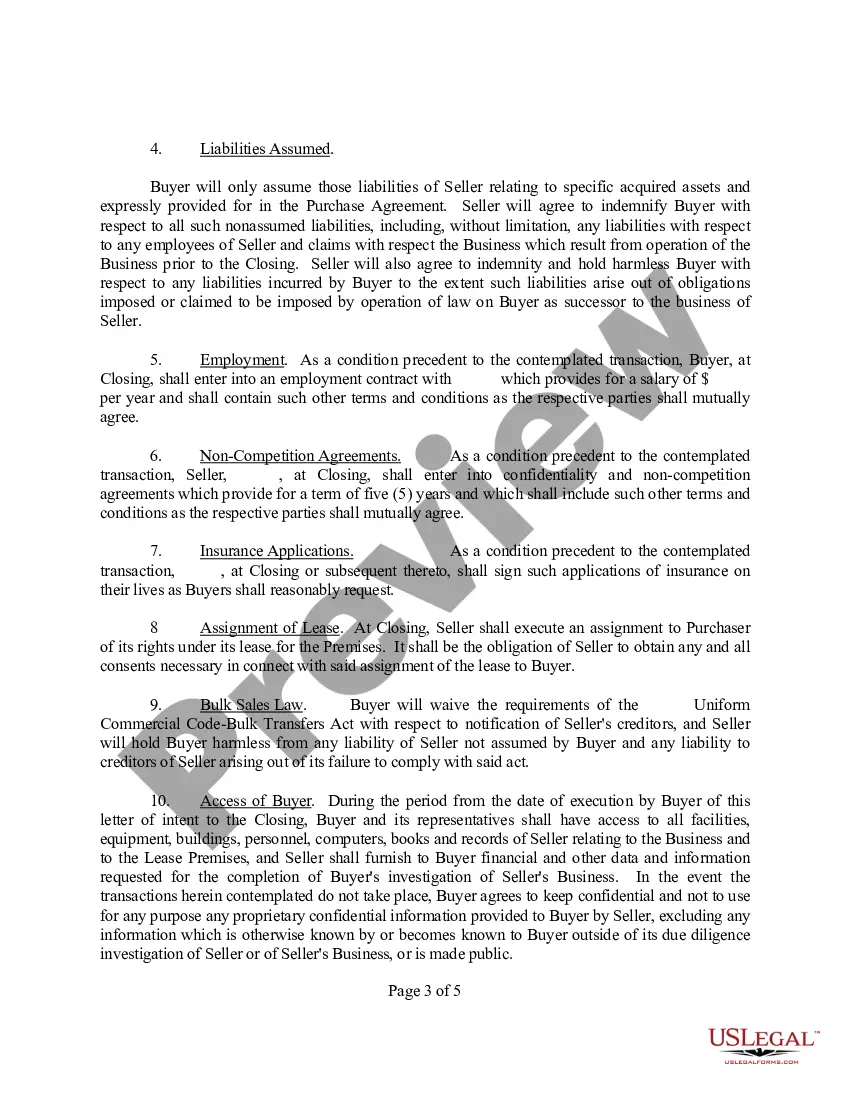
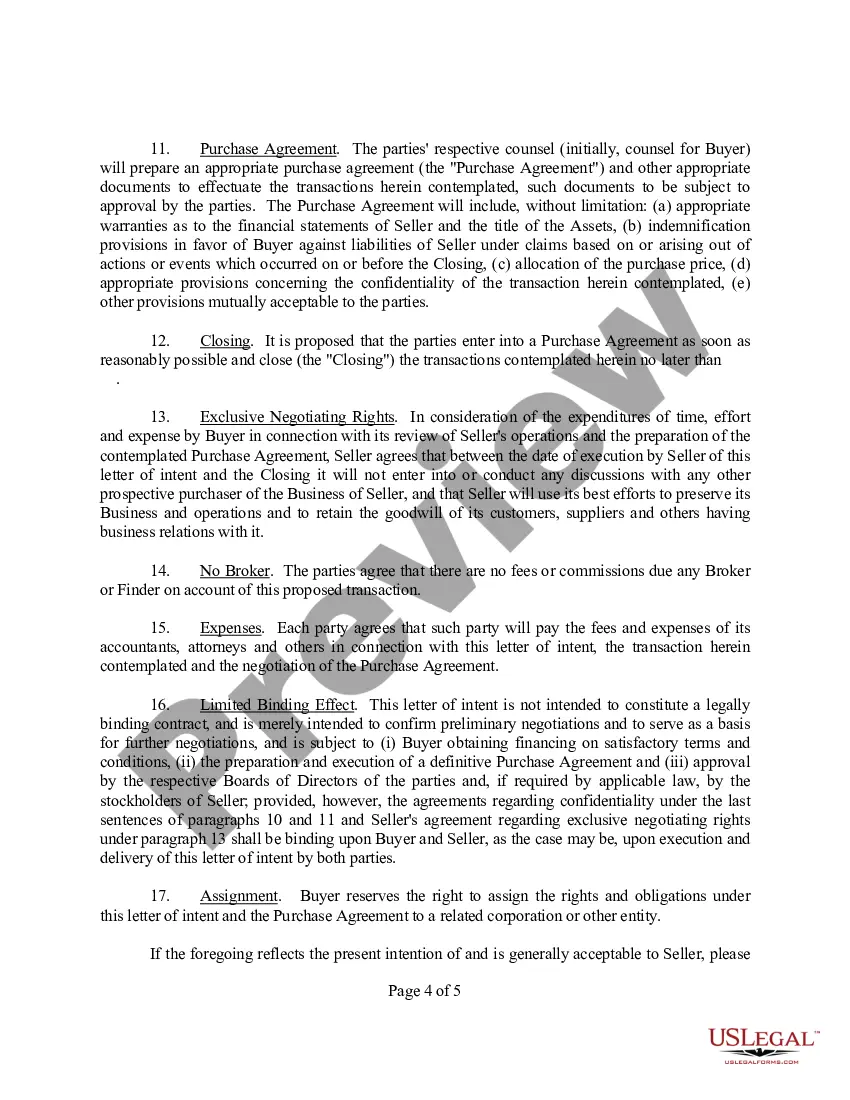
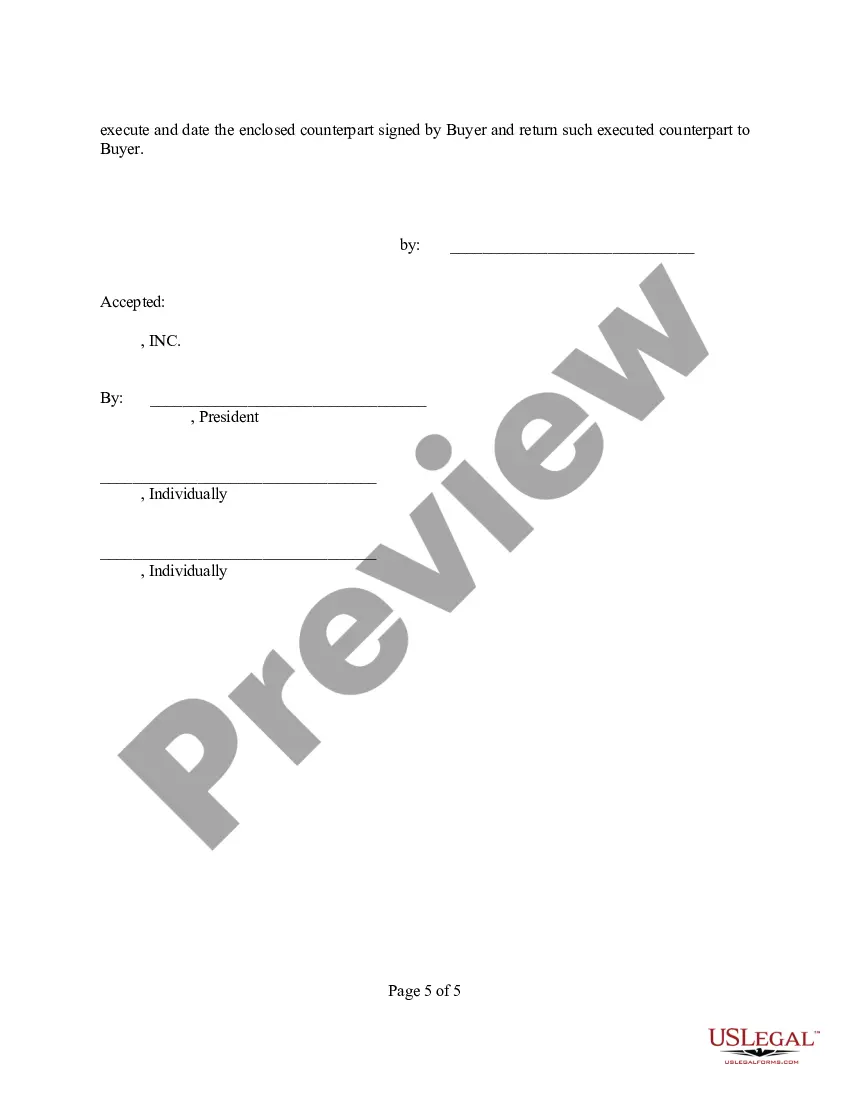
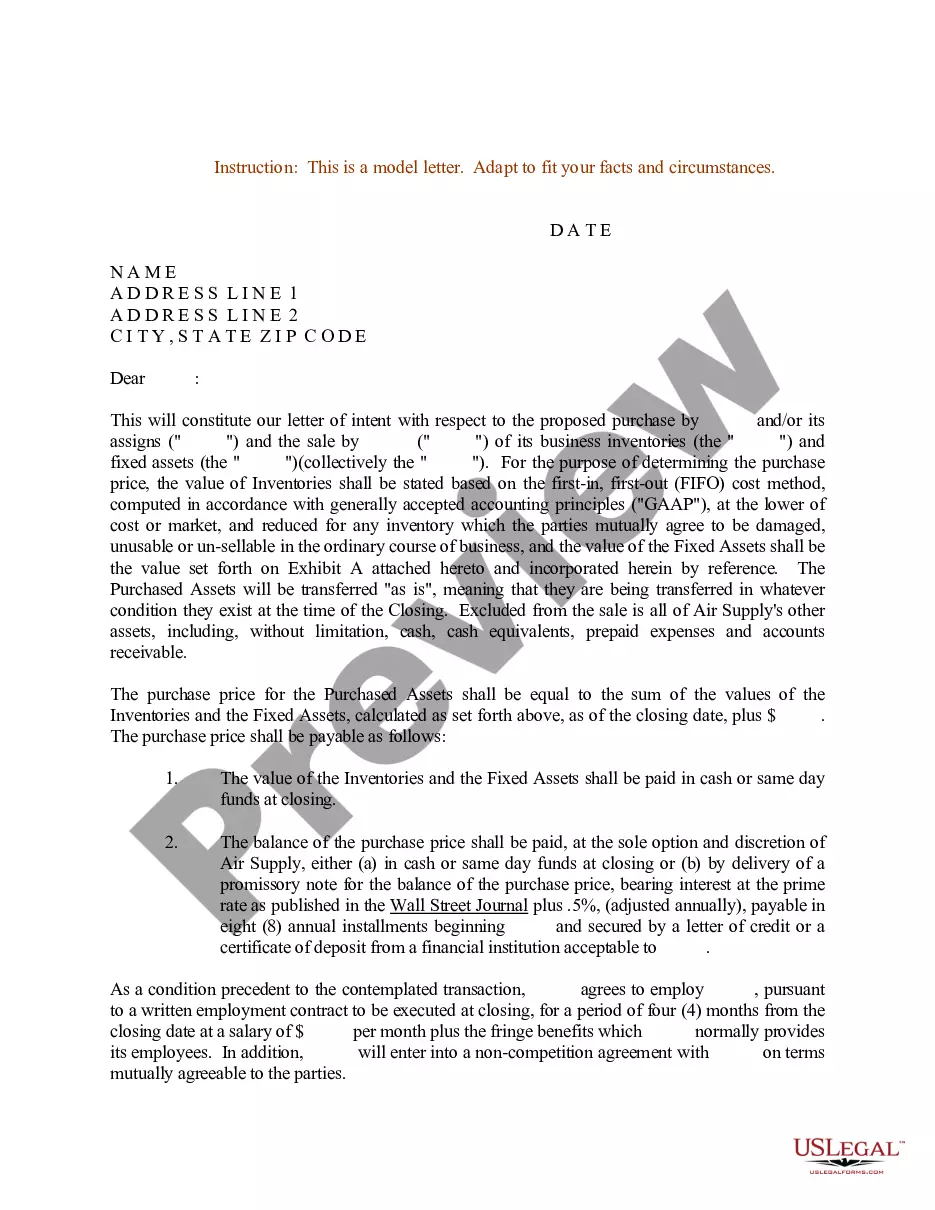
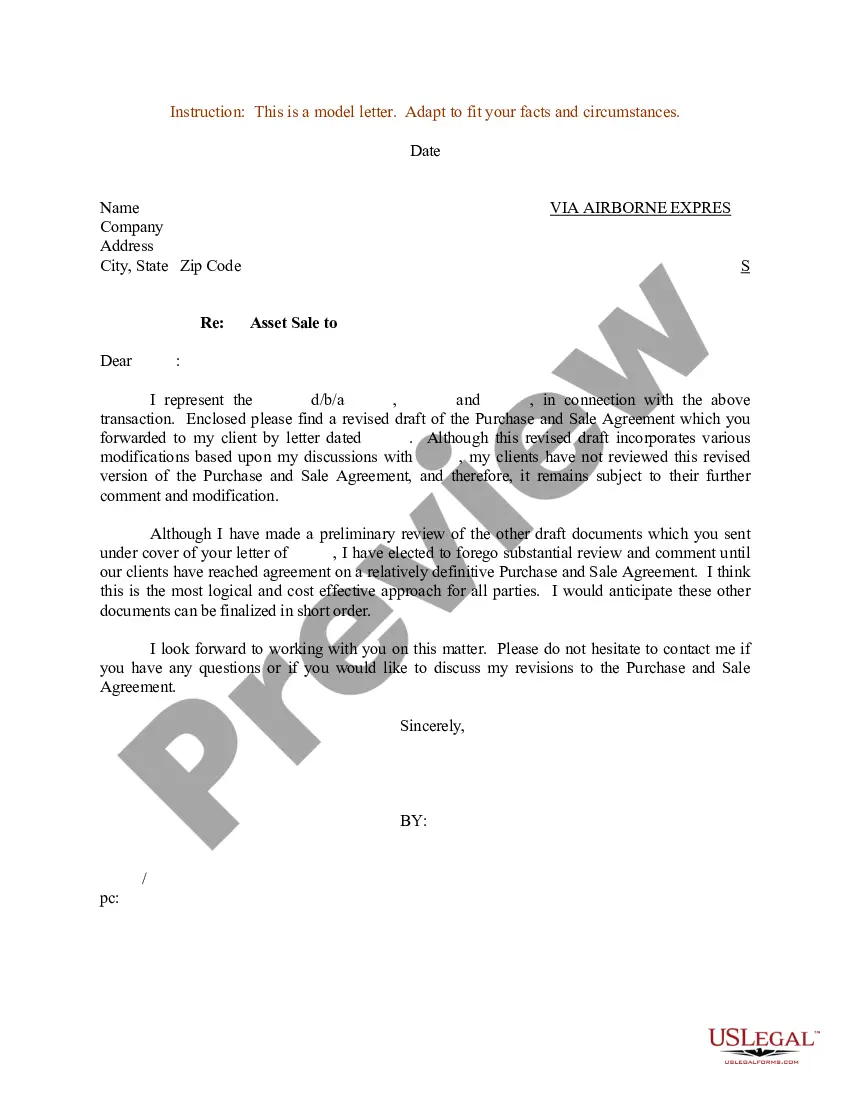
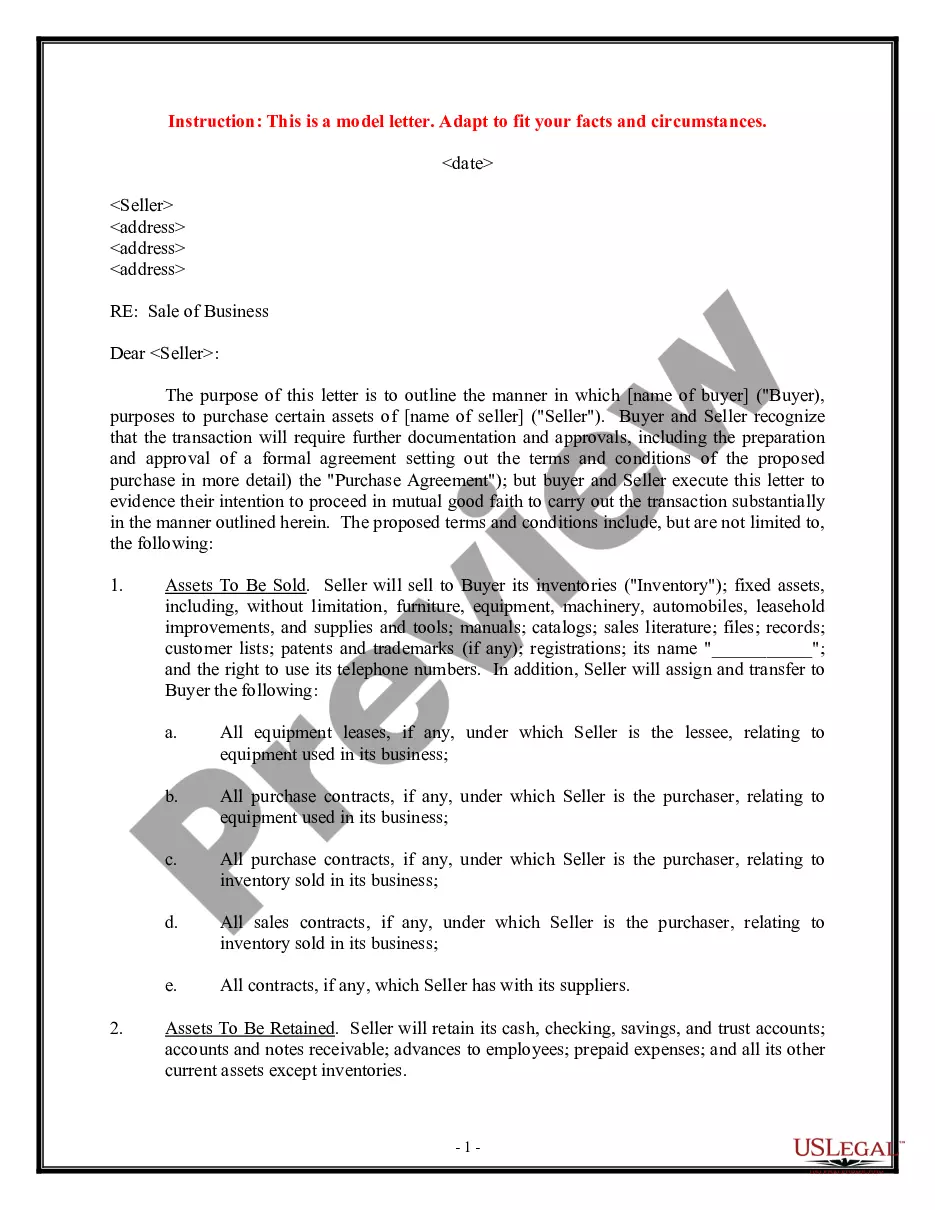
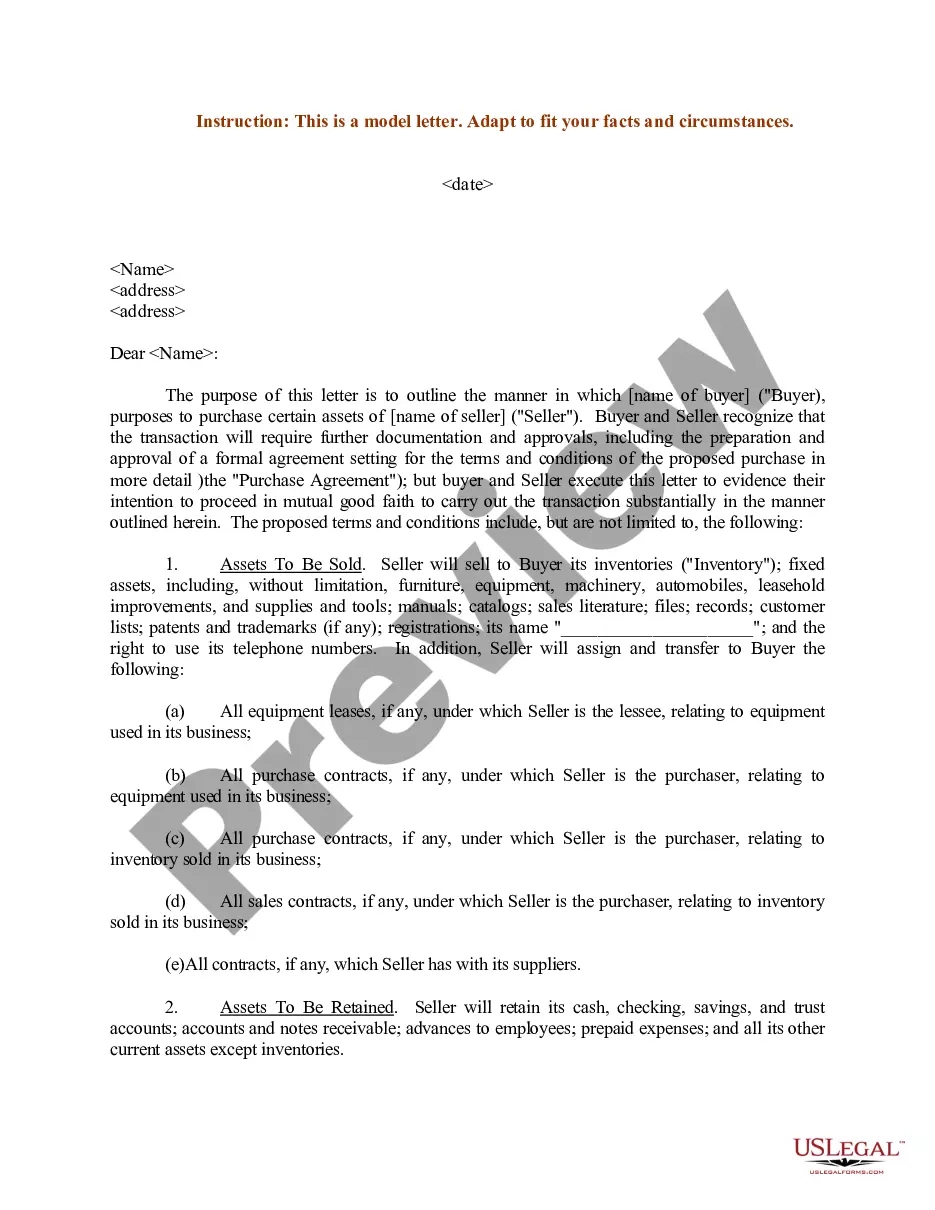
How to fill out Sample Letter For Letter Of Intent To Purchase Assets?
The Example Document Of Intent To Acquire Vessel that you find on this site is a reusable official template created by qualified attorneys in accordance with federal and state laws.
For over 25 years, US Legal Forms has supplied individuals, organizations, and legal experts with more than 85,000 authenticated, state-specific forms for any business and personal situation. It’s the quickest, most uncomplicated, and most reliable way to secure the documents you require, as the service ensures the utmost level of data protection and malware defense.
Complete and sign the documents. Print the template to fill it out by hand. Alternatively, use an online multifunctional PDF editor to swiftly and precisely fill out and endorse your form with a legally-binding electronic signature.
- Search for the document you require and examine it.
- Browse through the file you looked for and preview it or check the form description to confirm it meets your needs. If not, use the search bar to locate the correct one. Click Buy Now when you find the template you seek.
- Register and Log Into your account.
- Pick the pricing plan that best fits you and create an account. Use PayPal or a credit card for a swift payment. If you already possess an account, Log In and verify your subscription to proceed.
- Acquire the editable template.
- Select the format you desire for your Example Document Of Intent To Acquire Vessel (PDF, DOCX, RTF) and download the example to your device.
Form popularity
FAQ
Filling out a sample letter of intent to purchase vessel requires careful attention to detail. Start by including your information and the recipient's information correctly. Next, clearly outline the purpose and details of the vessel under consideration while adhering to the standard format to maintain clarity and professionalism.
The structure of a sample letter of intent to purchase vessel includes an introduction that states the purpose, a description of the vessel, and proposed terms. It often highlights contingencies, outlines timelines, and signifies the intention to negotiate. This clear structure provides a solid foundation for future discussions.
The format of a sample letter of intent to purchase vessel generally follows a business letter structure. It starts with your address and the date, followed by the recipient's address. The greeting, body content, and closing are essential components that ensure clarity and professionalism throughout the document.
Downloading a letter of intent is straightforward. First, find a reliable source that provides templates, such as USLegalForms. Search for a sample letter of intent to purchase vessel, select the appropriate document, and click on the download option. Ensure you save it in a location where you can easily access it for customization.
A letter of intent should begin with your contact information and the date, followed by the seller's details. Use a professional greeting, and clearly state your intention to purchase the vessel in the opening paragraph. Maintain a formal tone, and structure the body of the letter with clear sections for vessel details, terms, and additional stipulations. A sample letter of intent to purchase vessel provides a reliable framework for achieving clarity and professionalism.
After drafting your letter of intent to purchase vessel, review it carefully for accuracy and completeness. You can typically submit this document via email or traditional mail, depending on the preferences of the seller. Ensure that you keep a copy for your records and follow up with the seller to confirm receipt. Submitting your LOI demonstrates your commitment and initiates negotiations.
Any letter of intent examples should follow the same format and include the following: A professional salutation. An introduction. A body that clearly states your purpose. An appropriate closing. Contact information.
Components of a LOI Opening Paragraph: Your summary statement. ... Statement of Need: The "why" of the project. ( ... Project Activity: The "what" and "how" of the project. ( ... Outcomes (1?2 paragraphs; before or after the Project Activity) ... Credentials (1?2 paragraphs) ... Budget (1?2 paragraphs) ... Closing (1 paragraph) ... Signature.
LOI is a non-legally binding document that includes an introduction to your project, contact information at your agency, a description of your organization, a statement of need, your methodology and/or an achievable solution to the need, a brief discussion of other funding sources and a final summary.
Format your letter of intent just like a cover letter?with three paragraphs and 1-inch margins. Use your first paragraph to hook the reader fast with your #1 accomplishment. In paragraph two, add more achievements that show you fit the job like hand-in-glove. Write a call-to-action in the last paragraph of your LOI.