Special Needs Trust Rules Tennessee
Description
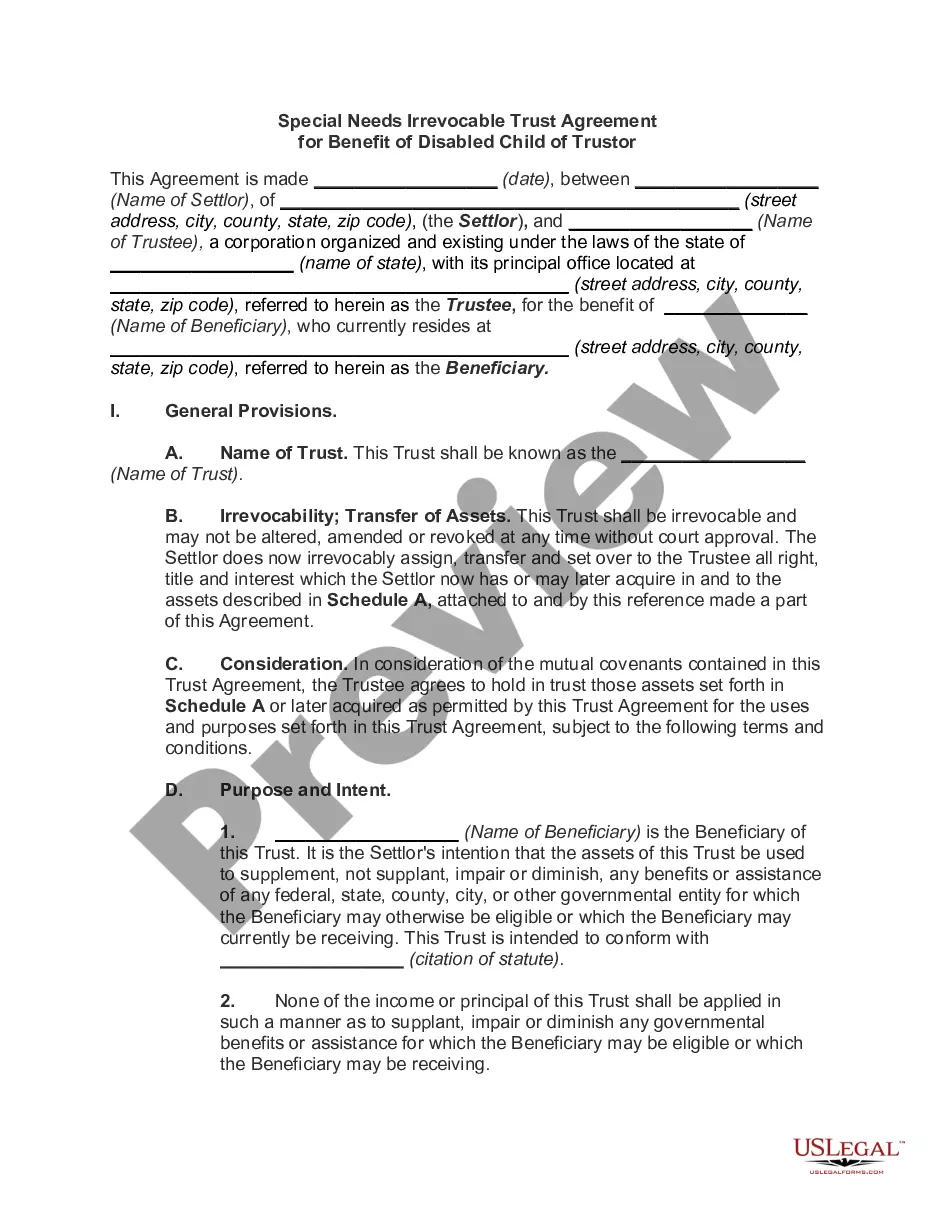
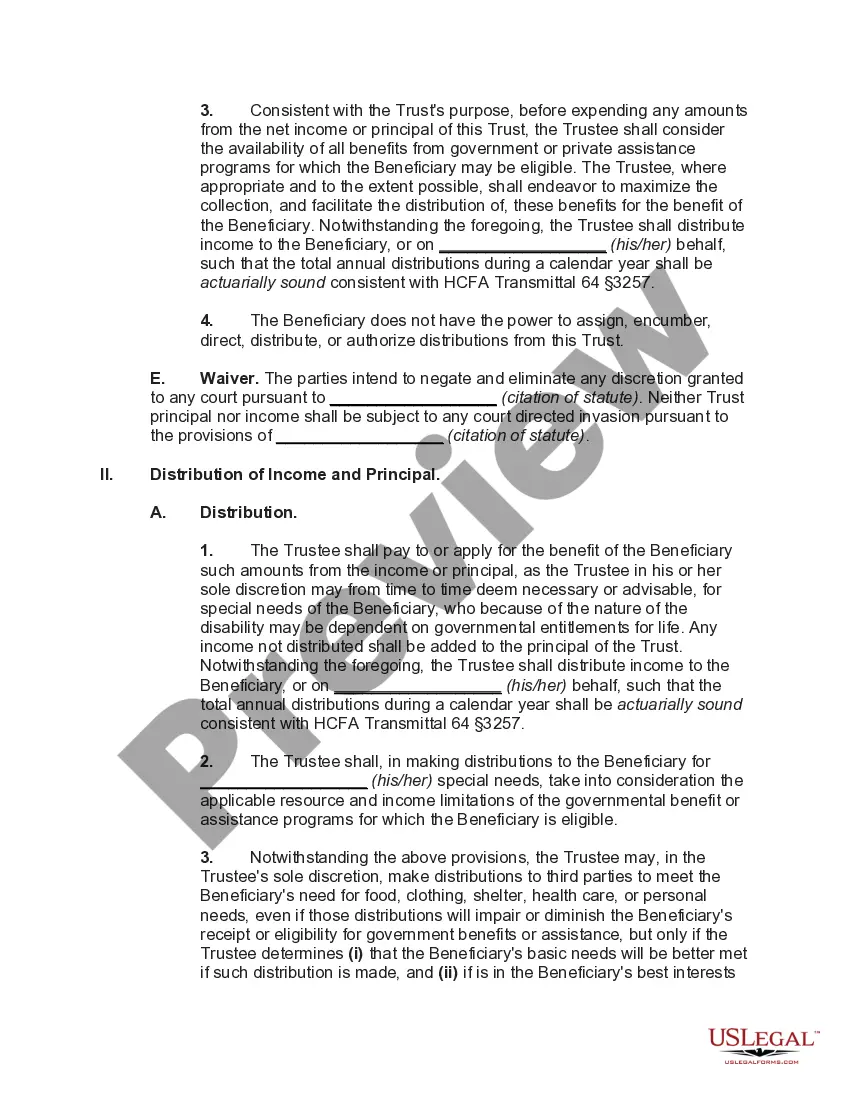
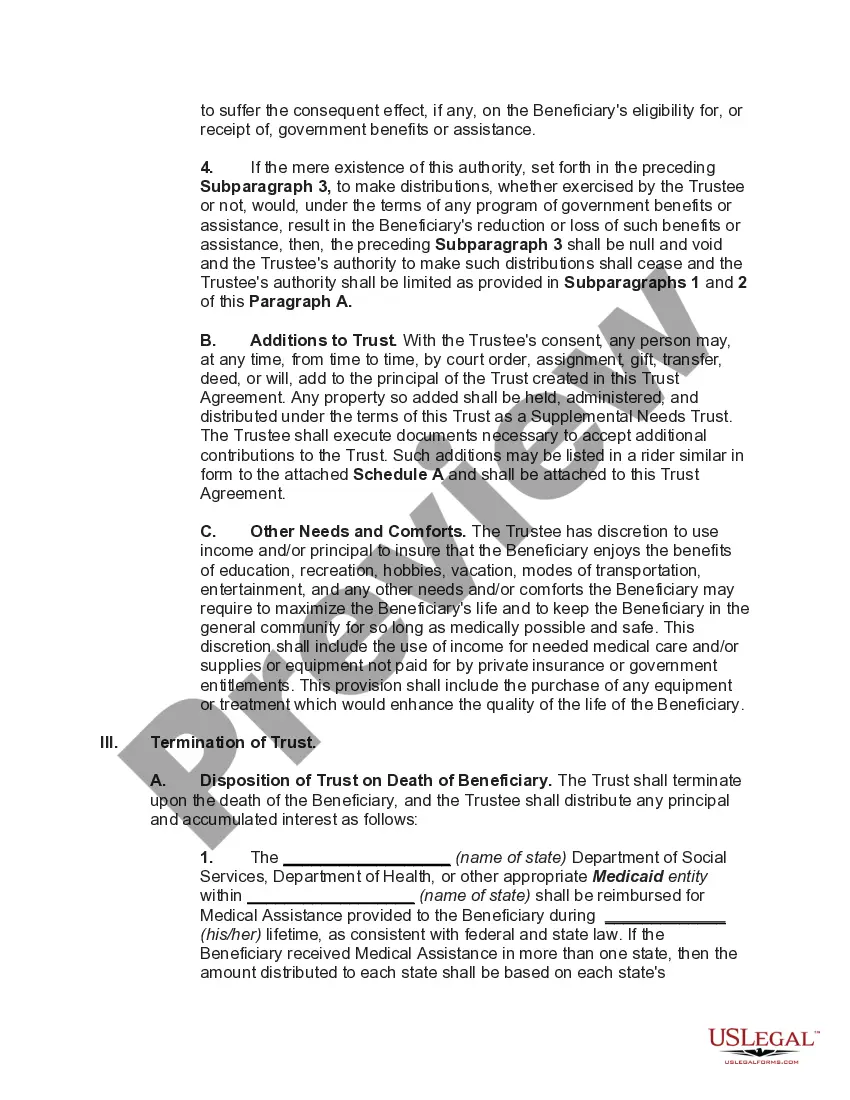
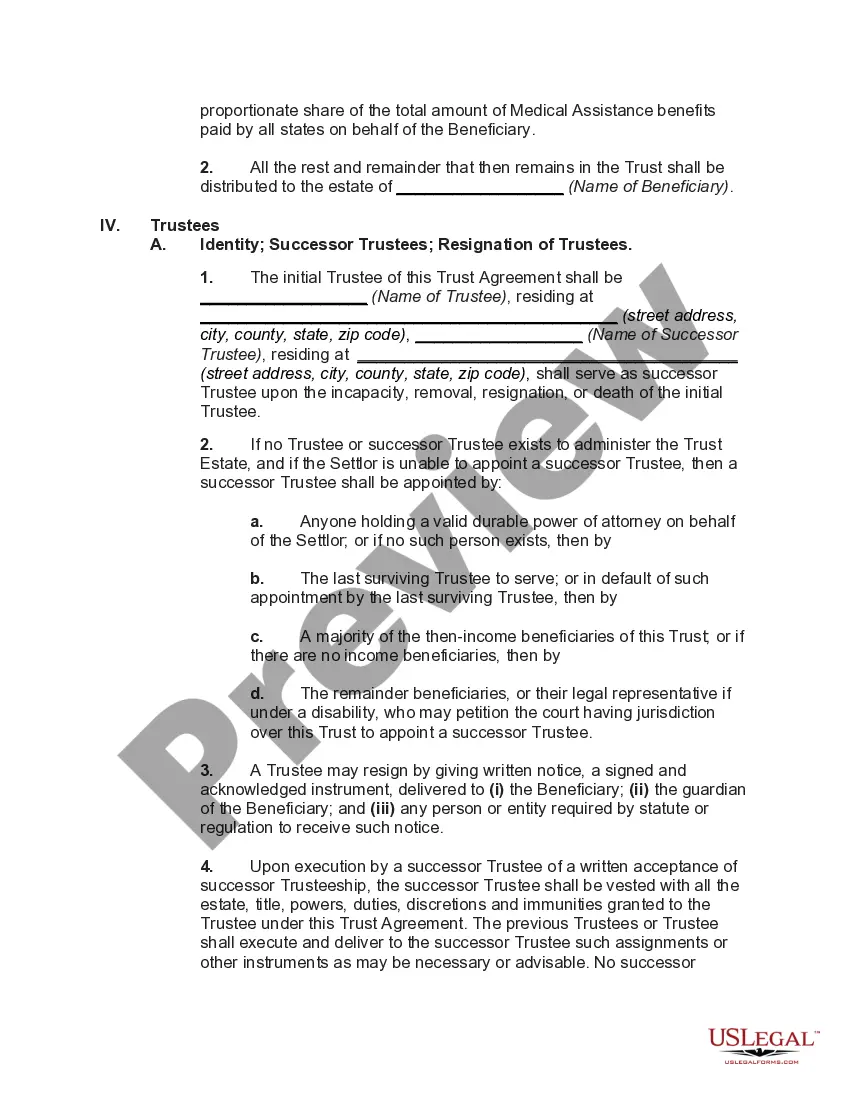
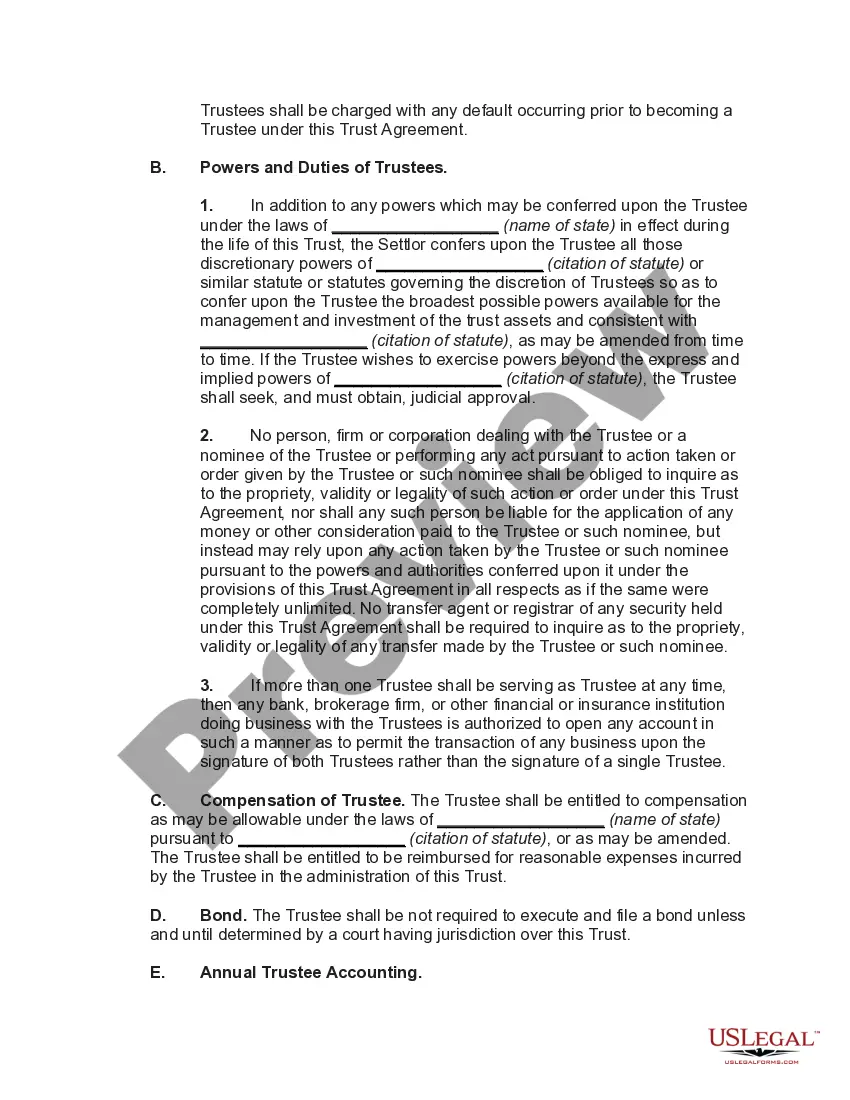
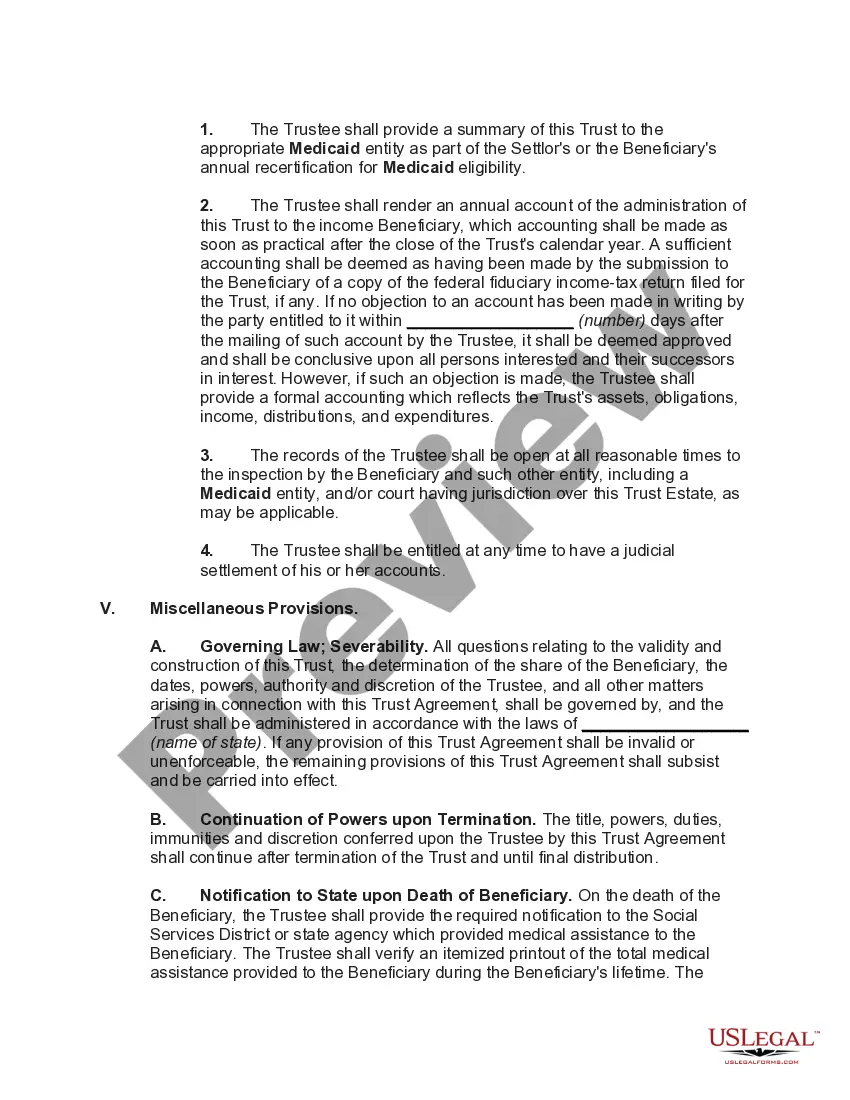
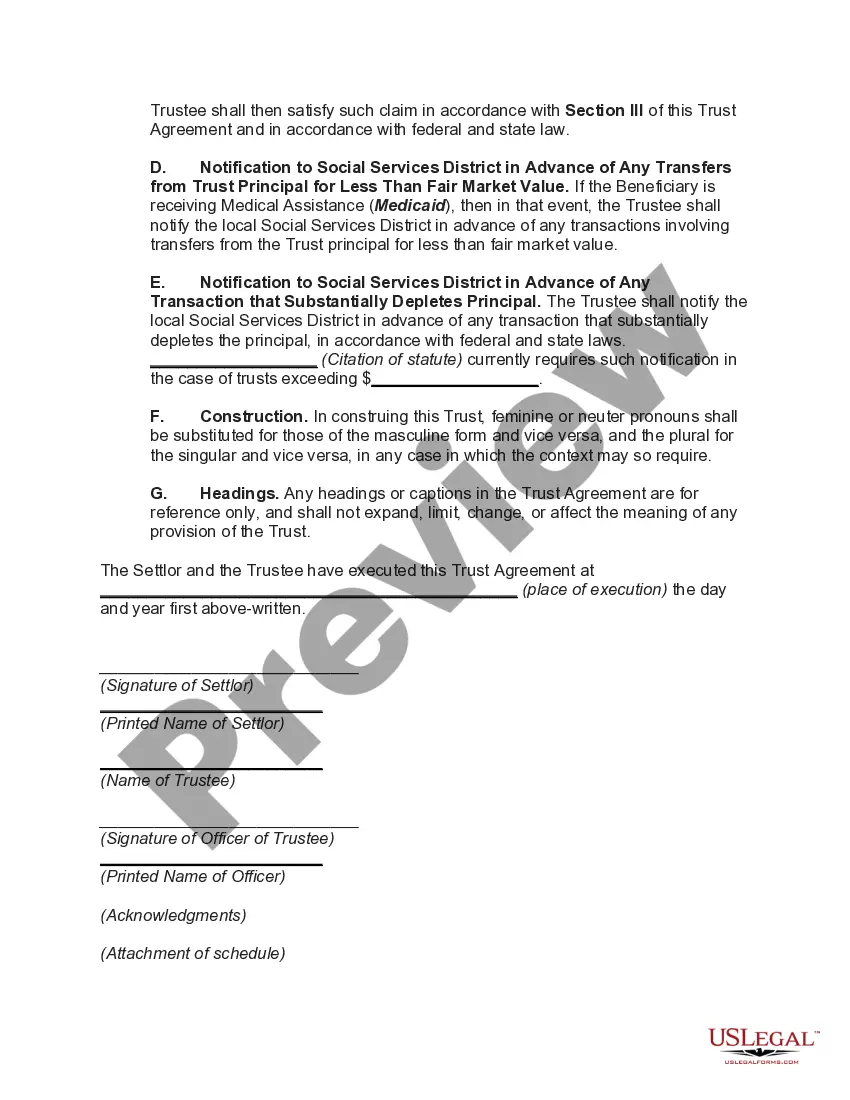
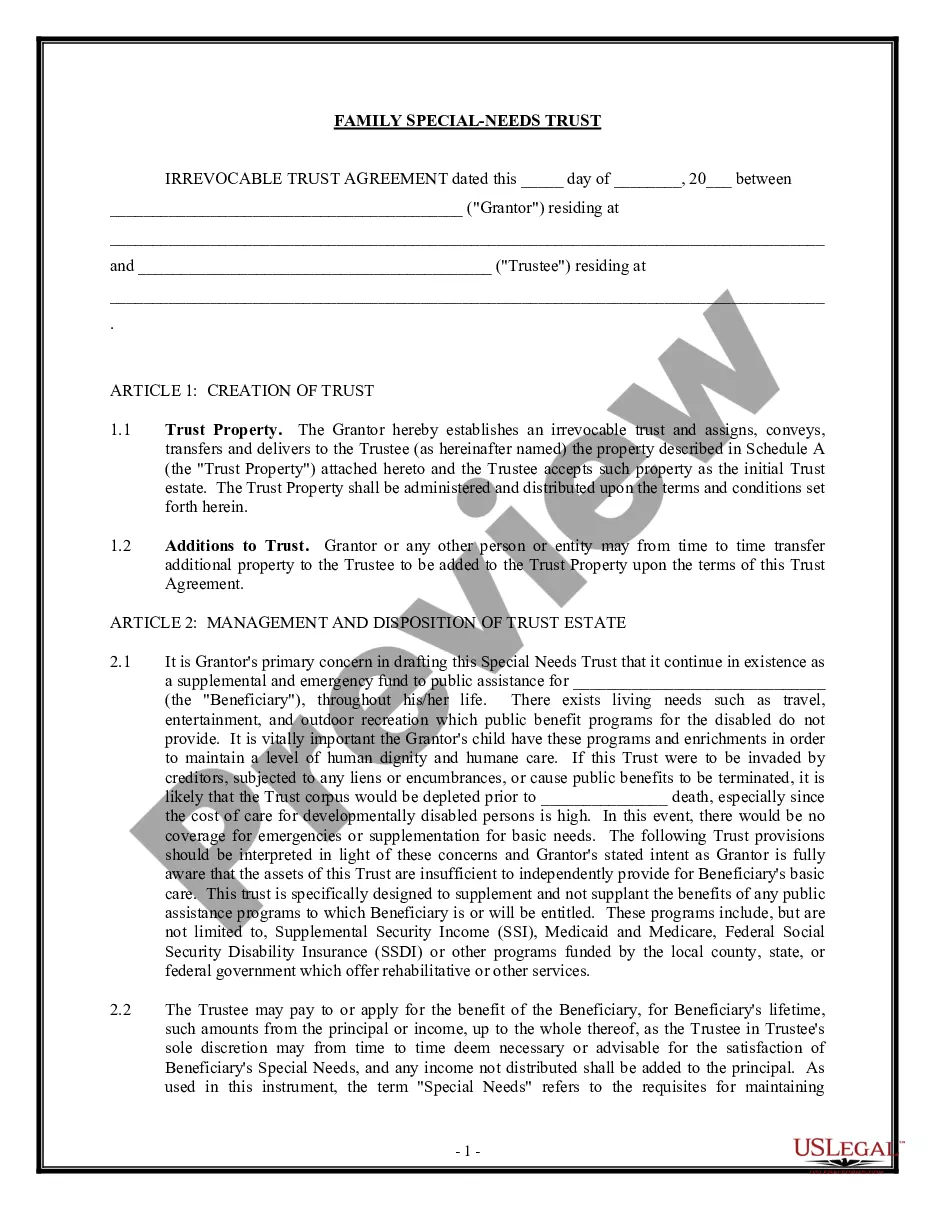



How to fill out Special Needs Irrevocable Trust Agreement For Benefit Of Disabled Child Of Trustor?
Using legal templates that meet the federal and local laws is a matter of necessity, and the internet offers a lot of options to pick from. But what’s the point in wasting time searching for the appropriate Special Needs Trust Rules Tennessee sample on the web if the US Legal Forms online library already has such templates gathered in one place?
US Legal Forms is the greatest online legal catalog with over 85,000 fillable templates drafted by attorneys for any business and life scenario. They are easy to browse with all files grouped by state and purpose of use. Our experts stay up with legislative updates, so you can always be sure your form is up to date and compliant when getting a Special Needs Trust Rules Tennessee from our website.
Obtaining a Special Needs Trust Rules Tennessee is fast and simple for both current and new users. If you already have an account with a valid subscription, log in and save the document sample you require in the preferred format. If you are new to our website, follow the instructions below:
- Examine the template utilizing the Preview feature or via the text description to make certain it fits your needs.
- Browse for another sample utilizing the search tool at the top of the page if necessary.
- Click Buy Now when you’ve located the suitable form and opt for a subscription plan.
- Register for an account or log in and make a payment with PayPal or a credit card.
- Select the best format for your Special Needs Trust Rules Tennessee and download it.
All templates you locate through US Legal Forms are reusable. To re-download and fill out previously obtained forms, open the My Forms tab in your profile. Take advantage of the most extensive and straightforward-to-use legal paperwork service!
Form popularity
FAQ
Key estate planning documents that might be impacted include trusts, wills, living wills, and durable or healthcare power of attorney. All of these legal documents require the signatory, witnesses, and notary to be physically present in order to execute the document.
What are the Initial Costs of Setting Up a Special Needs Trust? Initially, the legal fee to get a trust up and running can be anywhere from $2,000 to $3,000. These estimates include getting the trust drafted and implemented. In some cases, a court approval process is required as part of the settlement.
A third party Special Needs Trust (SNT) is a trust established by one person for the benefit of another person who has a disability. The assets that fund the trust belong to someone other than the person with a disability. That is why we call it a ?third party? SNT.
The state of Tennessee requires that the trust agreement must be signed and notarized in person. The process of notarizing your revocable trust provides a layer of security and helps to prevent fraud. It also helps to confirm validity after the grantor dies.
Only a parent, grandparent, conservator, or court can establish a special needs trust on behalf of the person with disability; the person who has a disability is not allowed to create his or her own trust, even if he or she is fully capable of doing so.