Florida Revocation of Living Trust

What this document covers
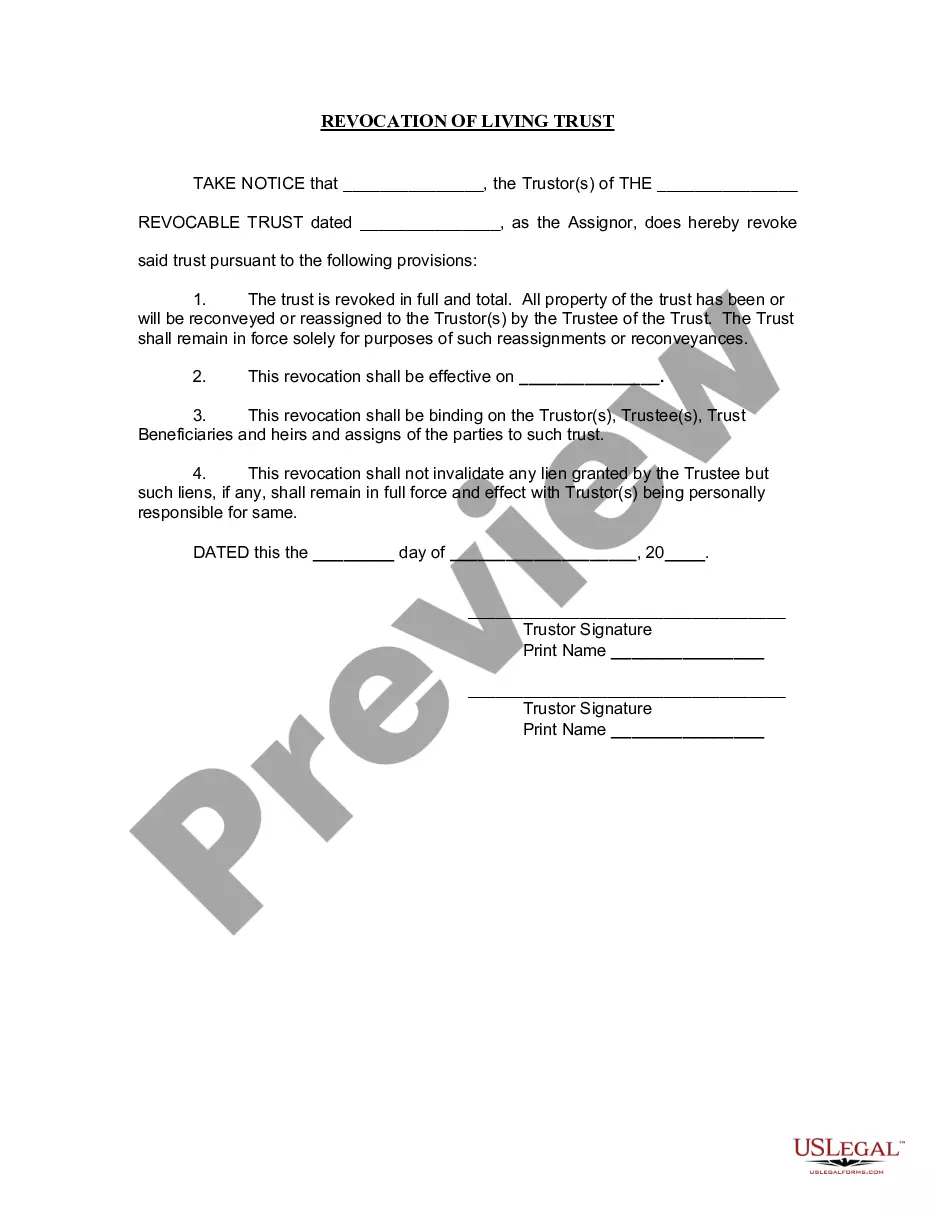
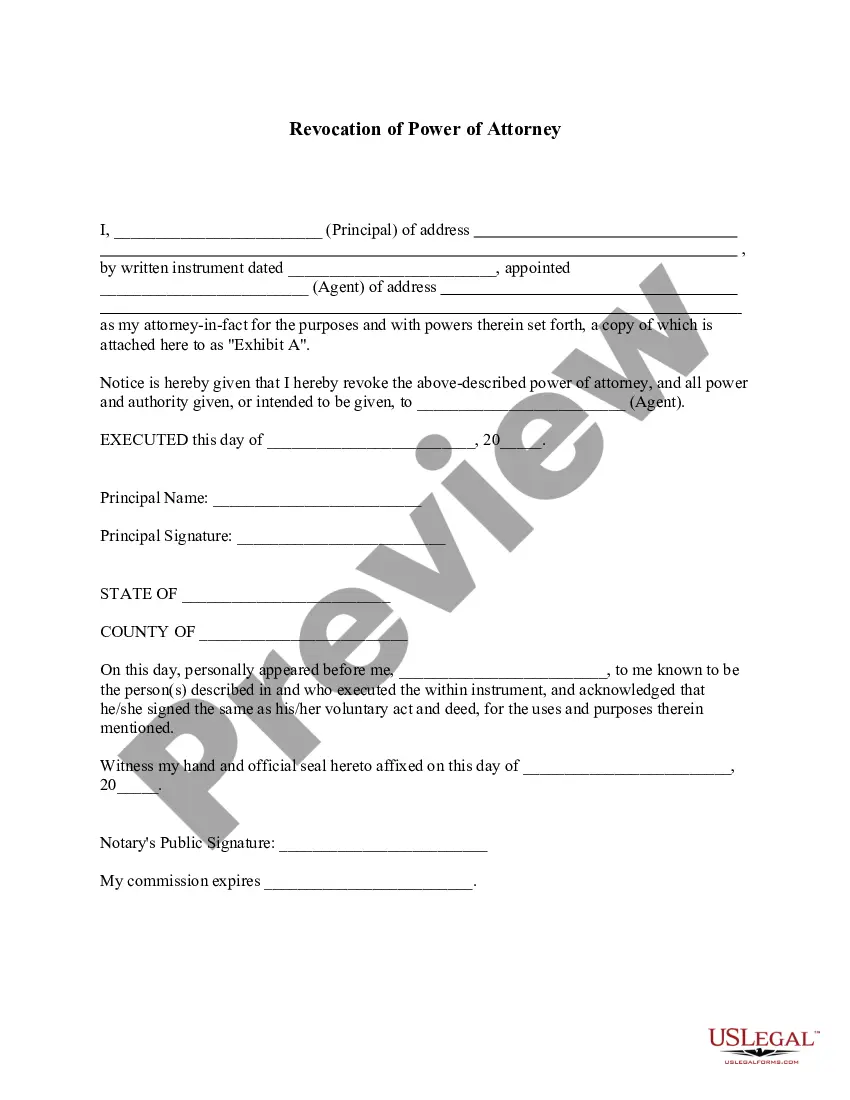
The Revocation of Living Trust form is a legal document used to formally revoke a previously established living trust. A living trust is a tool for estate planning that allows individuals to manage their assets during their lifetime and distribute them after death. This revocation form declares the termination of a specific living trust, returning its property to the trustor(s). Unlike other trust forms, this document ensures that all aspects of the trust are rendered null and void, while also providing an effective date for the revocation.
Key components of this form
- Identification of the trustor(s) and the specific living trust being revoked.
- Clear declaration of full and total revocation of the living trust.
- Return of all trust property to the trustor(s) by the trustee.
- Effective date specifying when the revocation takes effect.
- Signature lines for the trustor(s) along with their printed names.
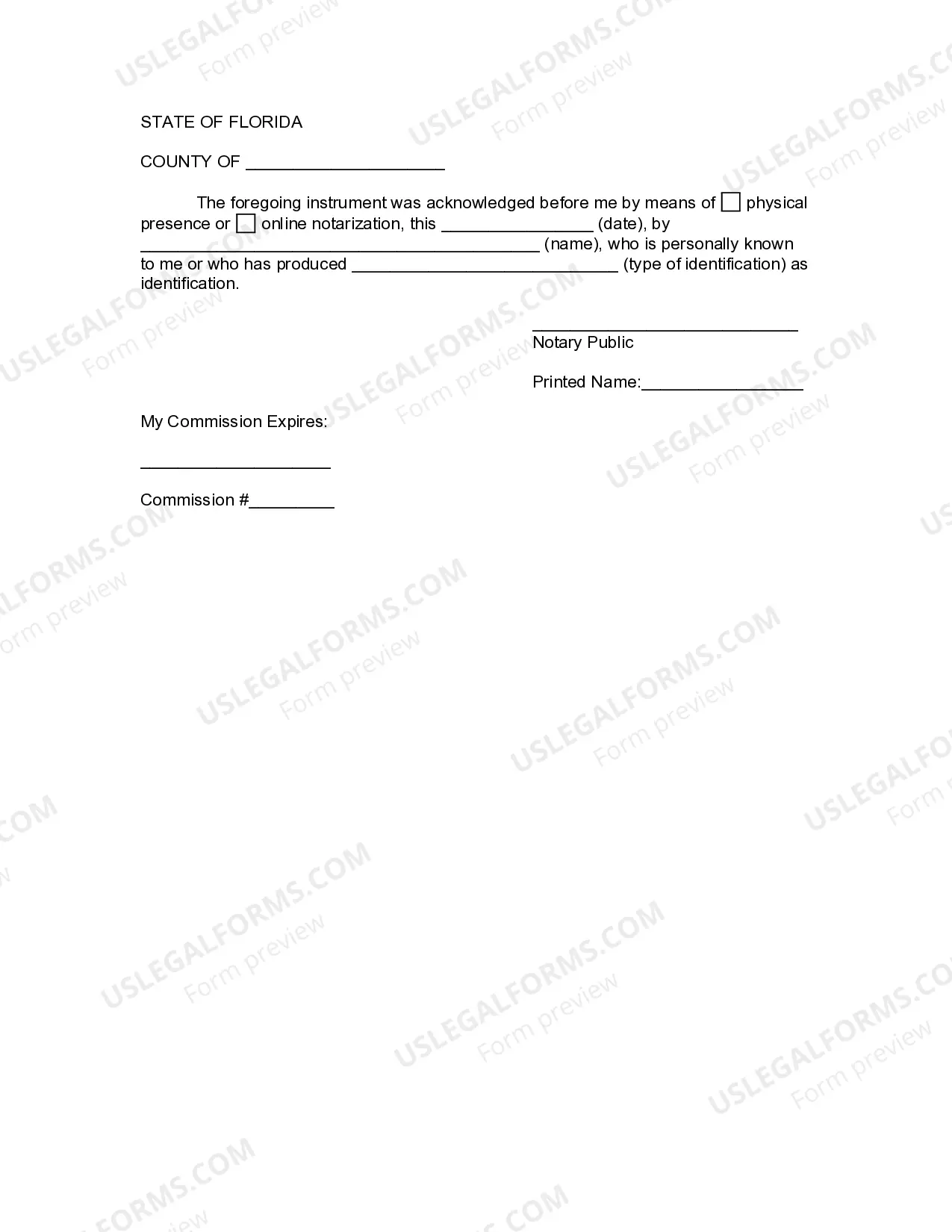
- Notary acknowledgment section to verify the signatures.
Common use cases
You should use the Revocation of Living Trust form when you decide to terminate a living trust you previously established. Common scenarios include changes in your financial situation, personal circumstances, or a desire to create a new estate plan that does not involve the prior trust. This form is also necessary if you want to ensure that your assets revert completely under your control without the constraints of the trust.
Who needs this form
This form is intended for:
- Individuals who have established a living trust and wish to revoke it.
- Trustors seeking to reorganize their estate plans.
- People who want to eliminate complications related to their trust while retaining control over their assets.
- Trustors needing to return trust property to themselves.
How to prepare this document
- Identify the trustor(s) by entering their names at the beginning of the document.
- Specify the name of the revocable trust you are revoking.
- Fill in the effective date of the revocation.
- Sign and print your name as the trustor(s) to validate the revocation.
- Have the document notarized, ensuring that the notary includes their information on the form.
Notarization guidance
Yes, this form must be notarized to be legally valid. Notarization provides an additional layer of verification and ensures that the signatures are authentic. US Legal Forms offers integrated online notarization, allowing for a secure video call with a notary, available 24/7, ensuring convenience and peace of mind without the need to travel.
Avoid these common issues
- Failing to include the effective date of the revocation.
- Not obtaining notarization, which is often required for validity.
- Not fully identifying the trust being revoked, which can lead to confusion.
- Forgetting to sign the document in the presence of the notary.
Advantages of online completion
- Immediate access to a legally drafted document that saves time and effort.
- Ability to customize the form to fit specific needs before downloading.
- Increased accuracy by using professionally created templates that reduce errors.
Main things to remember
- The Revocation of Living Trust form is essential for formally terminating an existing living trust.
- Proper completion and notarization of the form are crucial for legal validity.
- This form allows trustors to regain control over their assets previously held in the trust.
Form popularity
FAQ
Trust termination can occur through several methods, including fulfilling the purpose of the trust, mutual consent among beneficiaries, or legal court order. Each method requires careful consideration of the trust's terms and the implications for beneficiaries. When addressing a Florida Revocation of Living Trust, understanding these options can aid in making informed decisions.
To revoke a living trust in Florida, you need to follow the guidelines specified in the trust agreement, which typically involves creating a written revocation document. After completing this document, it must be signed and delivered to the trustee and all beneficiaries involved. For additional guidance, consider using USLegalForms to help navigate the Florida Revocation of Living Trust process efficiently.
A trust becomes void when it fails to meet legal requirements, such as lacking a lawful objective or having an incompetent trustee. Further, if fraud or forced coercion influenced the creation of the trust, a court may declare it void. Thus, understanding what makes a trust void is essential, especially when you are dealing with the Florida Revocation of Living Trust.
Revoking a revocable trust is generally straightforward, provided you adhere to the specific terms outlined in the trust document. Typically, this involves signing a formal revocation document and notifying the involved parties, such as the beneficiaries and the trustee. If you're navigating the Florida Revocation of Living Trust, resources like USLegalForms can simplify the process for you.
A trust can be terminated in three primary ways: mutual agreement among all beneficiaries, achieving the purpose of the trust, or through a specific clause within the trust document. Additionally, courts can also order termination in cases where the trust can no longer operate effectively. Knowing your options for the Florida Revocation of Living Trust helps streamline the termination process.
To bring a trust to an end, you generally follow a legal process that involves making a formal declaration of trust termination. This often includes notifying the beneficiaries and the trustee, and, in some cases, filing appropriate paperwork with the court. If you're considering the Florida Revocation of Living Trust, exploring these steps can ensure a smooth process.
A trust becomes null and void when it lacks essential elements like a valid purpose, definite beneficiaries, or legal capacity of the trustee. Additionally, if the trust is created under undue influence or fraudulent conditions, it can be successfully challenged. Therefore, understanding these aspects is crucial for anyone involved in the Florida Revocation of Living Trust process.
To revoke a living trust in Florida, you need to prepare a written revocation document and sign it in front of a notary. This document must explicitly state your intention to revoke the trust, and it is advised to mention the date of trust creation for clarity. By informing your trustee and beneficiaries, you can ensure an effective Florida revocation of living trust, reducing potential confusion in the future.
A sample revocation of living trust typically includes a heading that states 'Revocation of Living Trust,' followed by your details and the trust's details. In the body, you should clearly state that you are revoking the trust, and include the date the trust was established. For personalized templates and guidance, you can explore USLegalForms, which provides trustworthy resources for the Florida revocation of living trusts.
To revoke a revocable living trust, you must create a written document expressing your decision to revoke the trust. This document should include your name, the trust's name, and a clear statement of revocation. After completing this step, it's crucial to inform any trustee and beneficiaries about the revocation of the living trust in Florida to ensure clarity and avoid disputes.