Connecticut Residential or Rental Lease Extension Agreement
What is this form?
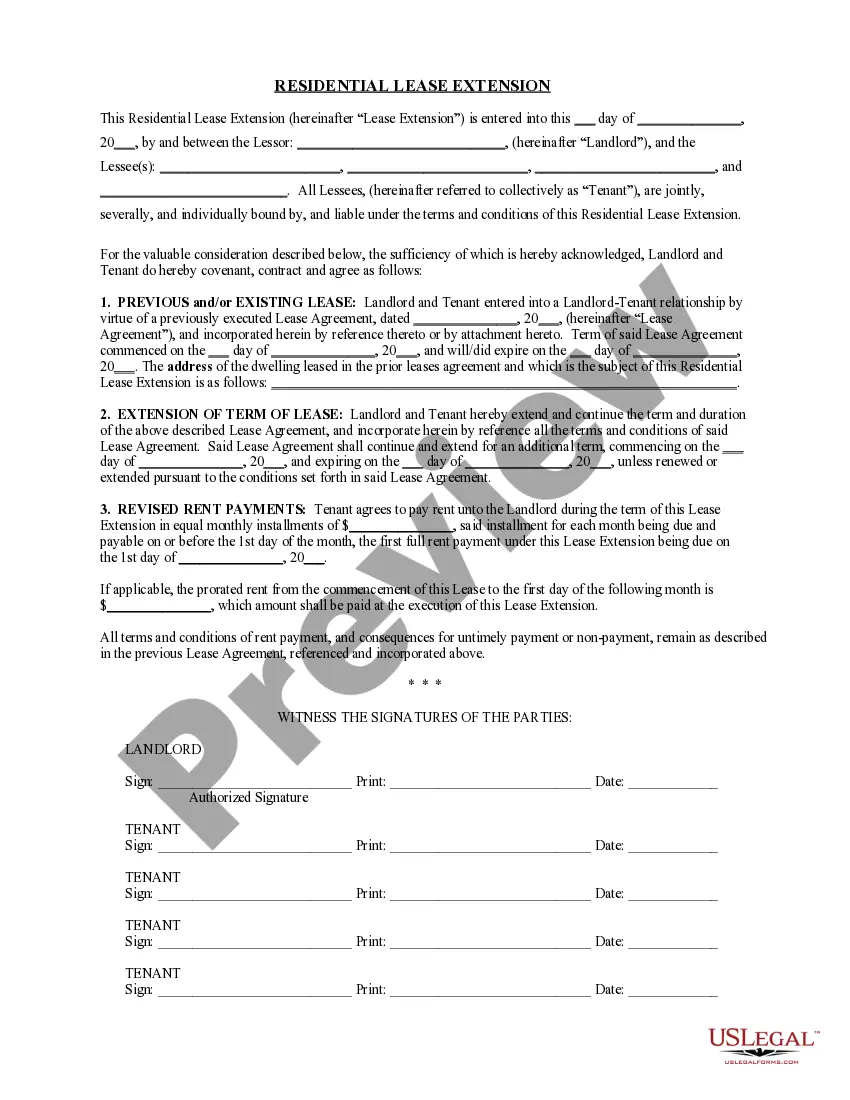
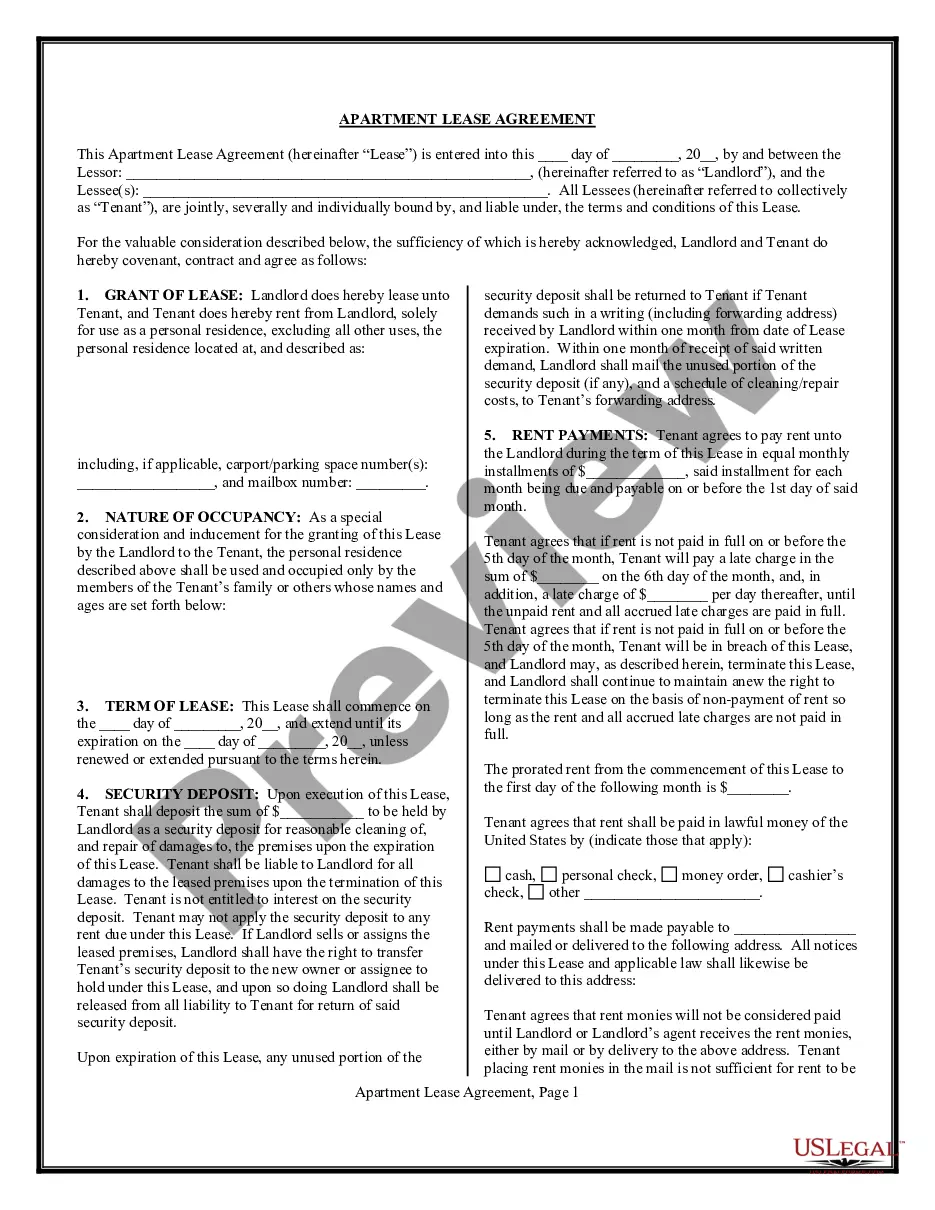
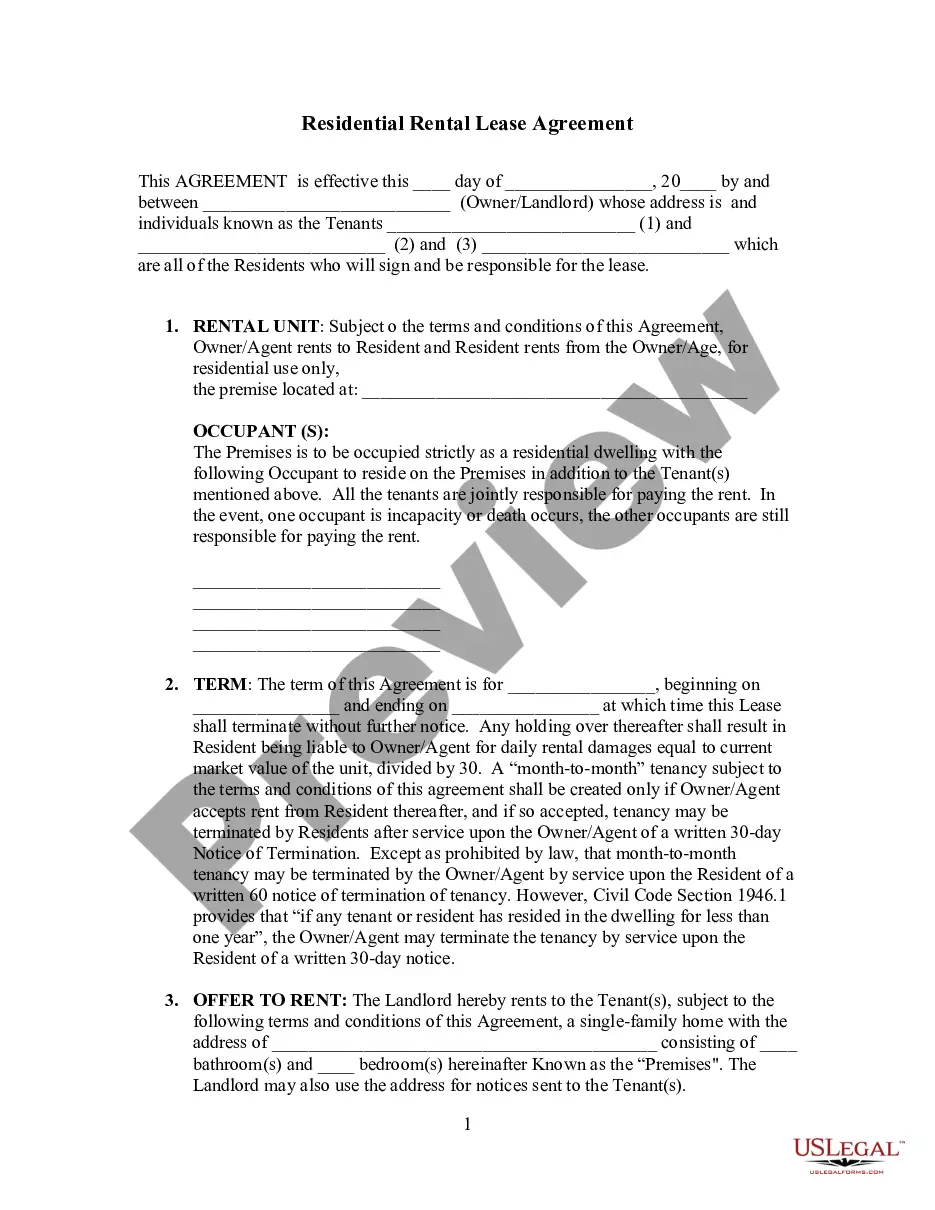
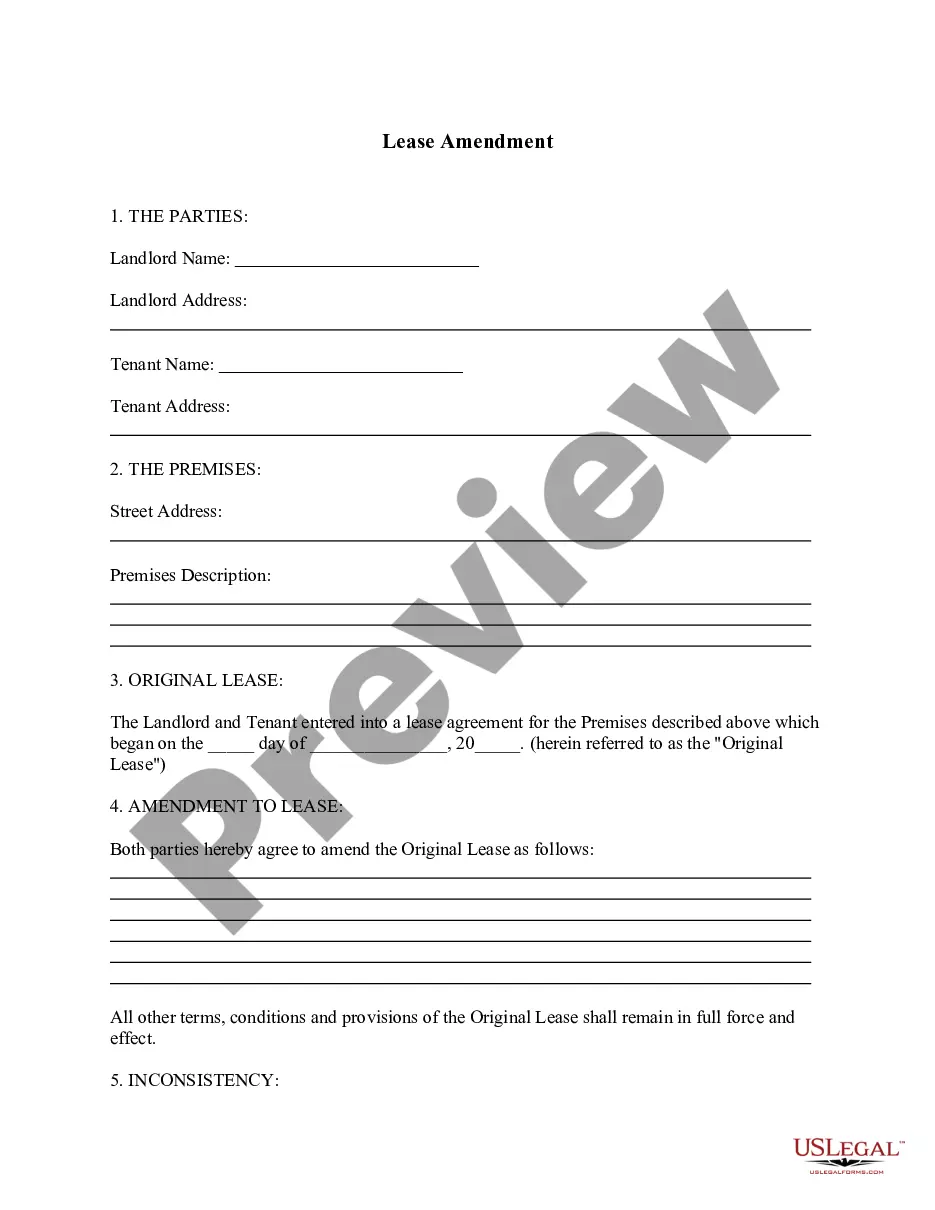
The Residential or Rental Lease Extension Agreement is a legal document used to extend the term of an existing residential lease. It allows the landlord and tenant to continue their rental relationship without the need to draft a new lease agreement. This extension typically carries over all the original lease terms, potentially with modifications, including changes to rent payment amounts. It's important for maintaining the legal obligations of both parties under the original lease.
Key parts of this document
- Parties involved: Identifies the landlord and tenant(s) entering the agreement.
- Previous lease details: References the original lease agreement and its terms.
- Extension of the term: Specifies the new lease term start and end dates.
- Revised rent payment: Outlines the rent amount and payment schedule during the extension.
- Signatures: Requires signatures from all parties to confirm the agreement.
Situations where this form applies
This form is essential when both the landlord and tenant agree to extend an existing lease beyond its original expiration date. It is particularly useful in situations where the tenant wishes to stay longer in the property, yet neither party wants to undertake the full process of creating a new lease. It can also be helpful if negotiating new lease terms, such as adjusting the rental cost or lease duration.
Intended users of this form
This form is intended for:
- Landlords who wish to extend the rental agreement with their tenants.
- Tenants who want to continue their rental arrangement without signing a completely new lease.
- Parties who need to document any changes or renewals in an efficient manner.
How to complete this form
- Identify the parties: Enter the names of the landlord and all tenants involved in the agreement.
- Fill in lease details: Specify the date of the original lease and the property address.
- Enter extension dates: Clearly state the new start and expiration dates for the extended lease.
- Determine rent: Write the new monthly rent payment and any prorated amounts if applicable.
- Gather signatures: Ensure all parties sign and date the form to execute the extension legally.
Notarization guidance
This form does not typically require notarization unless specified by local law. Always check local regulations to ensure compliance.
Get your form ready online
Our built-in tools help you complete, sign, share, and store your documents in one place.
Make edits, fill in missing information, and update formatting in US Legal Forms—just like you would in MS Word.
Download a copy, print it, send it by email, or mail it via USPS—whatever works best for your next step.
Sign and collect signatures with our SignNow integration. Send to multiple recipients, set reminders, and more. Go Premium to unlock E-Sign.
If this form requires notarization, complete it online through a secure video call—no need to meet a notary in person or wait for an appointment.
We protect your documents and personal data by following strict security and privacy standards.

Make edits, fill in missing information, and update formatting in US Legal Forms—just like you would in MS Word.

Download a copy, print it, send it by email, or mail it via USPS—whatever works best for your next step.

Sign and collect signatures with our SignNow integration. Send to multiple recipients, set reminders, and more. Go Premium to unlock E-Sign.

If this form requires notarization, complete it online through a secure video call—no need to meet a notary in person or wait for an appointment.

We protect your documents and personal data by following strict security and privacy standards.
Typical mistakes to avoid
- Failing to include all tenant names can lead to enforceability issues.
- Not correlating the extension dates correctly with the original lease may cause confusion.
- Leaving out the revised rent amount or payment due dates can result in disputes.
Benefits of using this form online
- Convenience: Easily access and download the form anytime from anywhere.
- Editability: Customize details to fit specific needs before printing or signing.
- Reliability: Ensure legal compliance with templates vetted by licensed attorneys.
Looking for another form?
Form popularity
FAQ
If you want to extend your lease, start by discussing your needs with your landlord. Open communication sets a collaborative tone and fosters goodwill. Drafting a Connecticut Residential or Rental Lease Extension Agreement will formalize your request, ensuring that both you and your landlord are clear about the terms. This proactive approach can help you secure the extension smoothly.
The duration for which you can extend a lease in Connecticut varies based on mutual agreement between the tenant and landlord. While many extensions may be for a few months, some landlords may allow longer extensions if needed. To best manage this, it is advantageous to draft a Connecticut Residential or Rental Lease Extension Agreement that stipulates the agreed-upon terms. This written agreement offers security and clarity for all parties involved.
Yes, extending your rent lease is possible and is often part of negotiating terms with your landlord. It's crucial to communicate your intentions and review the conditions presented in the Connecticut Residential or Rental Lease Extension Agreement. This agreement addresses your needs and sets expectations for your continued stay. Therefore, having a clear document helps ensure smooth communication.
In Connecticut, if a tenant remains in a property after the lease expires, they may be considered a tenant-at-will. This status typically means that either party can terminate the agreement with 30 days' notice. To avoid confusion, it is advisable to formalize any continuing arrangement through a Connecticut Residential or Rental Lease Extension Agreement. This strategy protects both you and your landlord.
Extending a lease can be a wise decision, especially if you're satisfied with your current living situation. It offers stability and the opportunity to continue building a positive relationship with your landlord. Before signing any Connecticut Residential or Rental Lease Extension Agreement, consider your long-term plans to ensure the extension aligns with them. This thoughtful approach helps in making informed choices about your housing.
In Connecticut, the notice period a landlord must provide if not renewing a lease depends on the lease's duration. For leases longer than a year, landlords must typically give a 12-month notice. For month-to-month leases, the notice is generally 30 days. This notice requirement underscores the importance of reviewing your Connecticut Residential or Rental Lease Extension Agreement for clarity on timelines.
Yes, in Connecticut, you can extend your apartment lease for 3 months. It's essential to discuss this directly with your landlord to ensure that both parties agree to the terms of the Connecticut Residential or Rental Lease Extension Agreement. You may want to put this agreement in writing to avoid any misunderstandings. This way, both you and your landlord can have clarity and protection during the extension period.
Writing a letter to request a lease extension is straightforward. Begin by including your contact information and the property's details, followed by your request for an extension of your current lease. Utilizing a Connecticut Residential or Rental Lease Extension Agreement template from platforms like USLegalForms ensures you include all necessary information and legal language for a well-crafted request.
In Connecticut, the timeframe a landlord must provide for a tenant to vacate typically depends on the lease terms. Generally, the landlord must give at least 30 days' notice before a tenant must move out. If you're concerned about moving timelines, a Connecticut Residential or Rental Lease Extension Agreement can offer added security and clarity.
To execute a lease extension, both the landlord and tenant must agree to the terms and outline them clearly. It's advisable to create a Connecticut Residential or Rental Lease Extension Agreement, which can offer protection and clarity for both parties. Utilizing resources like USLegalForms can help you draft the agreement properly, covering all legal aspects.