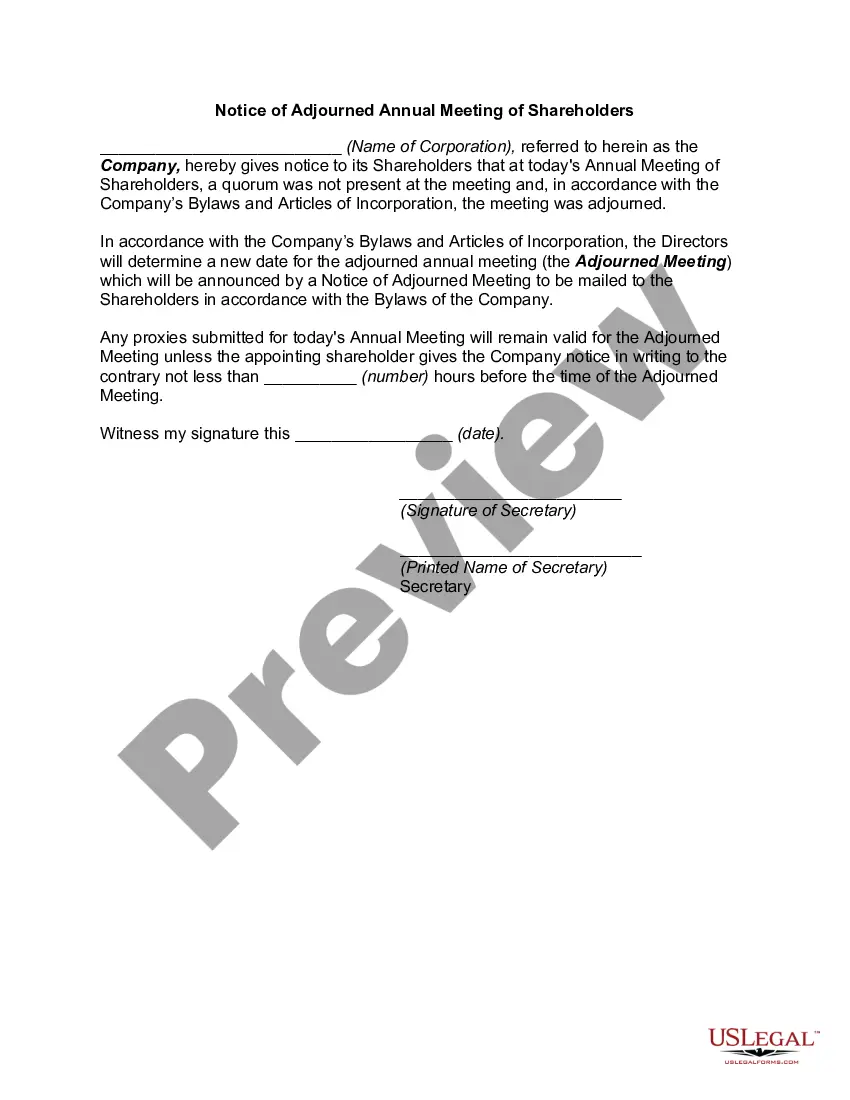
Georgia Warranty Deed from Husband to Himself and Wife
What this document covers
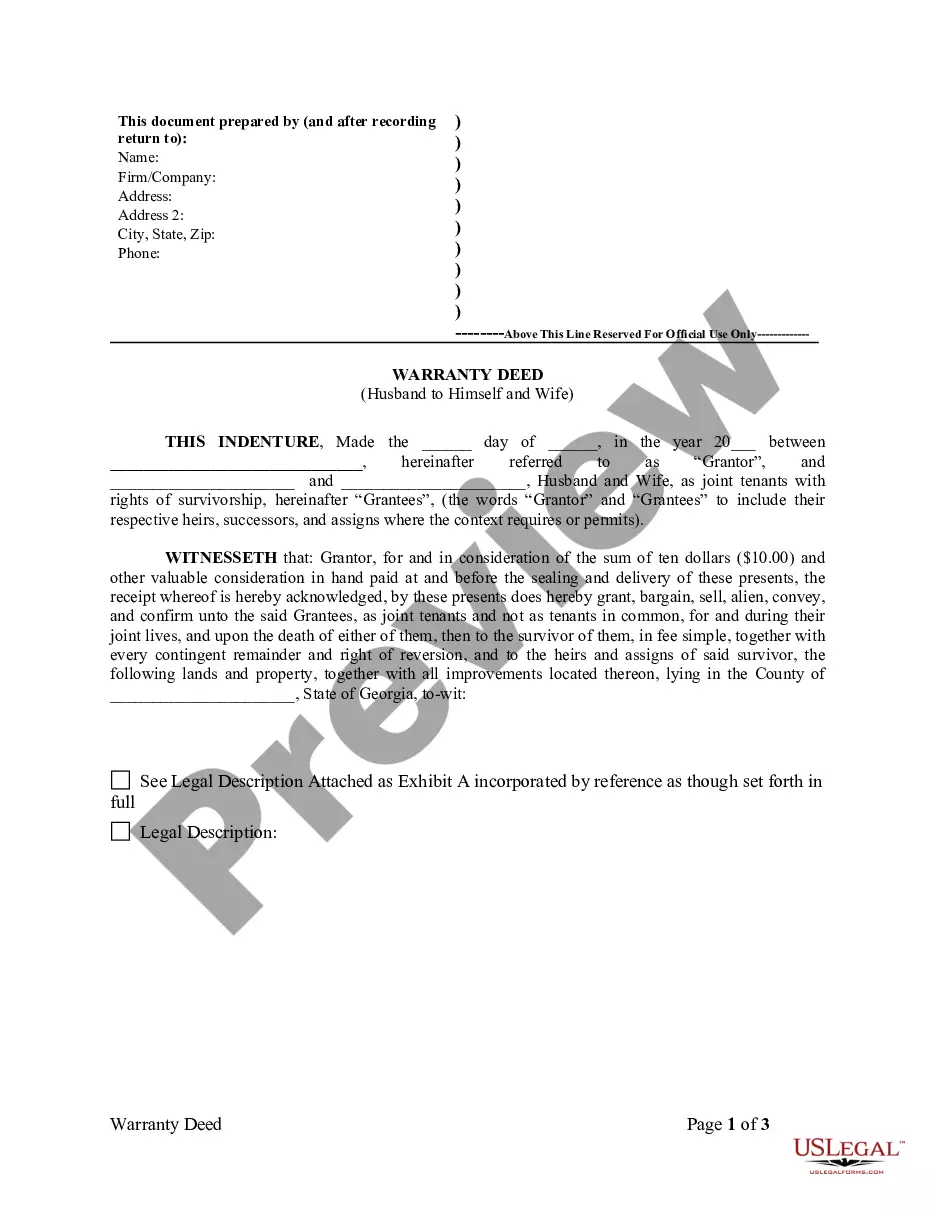
This Warranty Deed from Husband to Himself and Wife is a legal document that transfers property ownership from a husband to both himself and his wife. This type of warranty deed ensures that the husband conveys full title to the property as joint tenants with rights of survivorship. This means that upon the death of either spouse, the surviving spouse automatically inherits the deceased's share without going through probate. Unlike other deed types, this document explicitly retains rights related to any oil, gas, and minerals under the property, if applicable.
What’s included in this form
- Identification of the Grantor (husband) and Grantees (husband and wife).
- Consideration clause stating the value exchanged for the property.
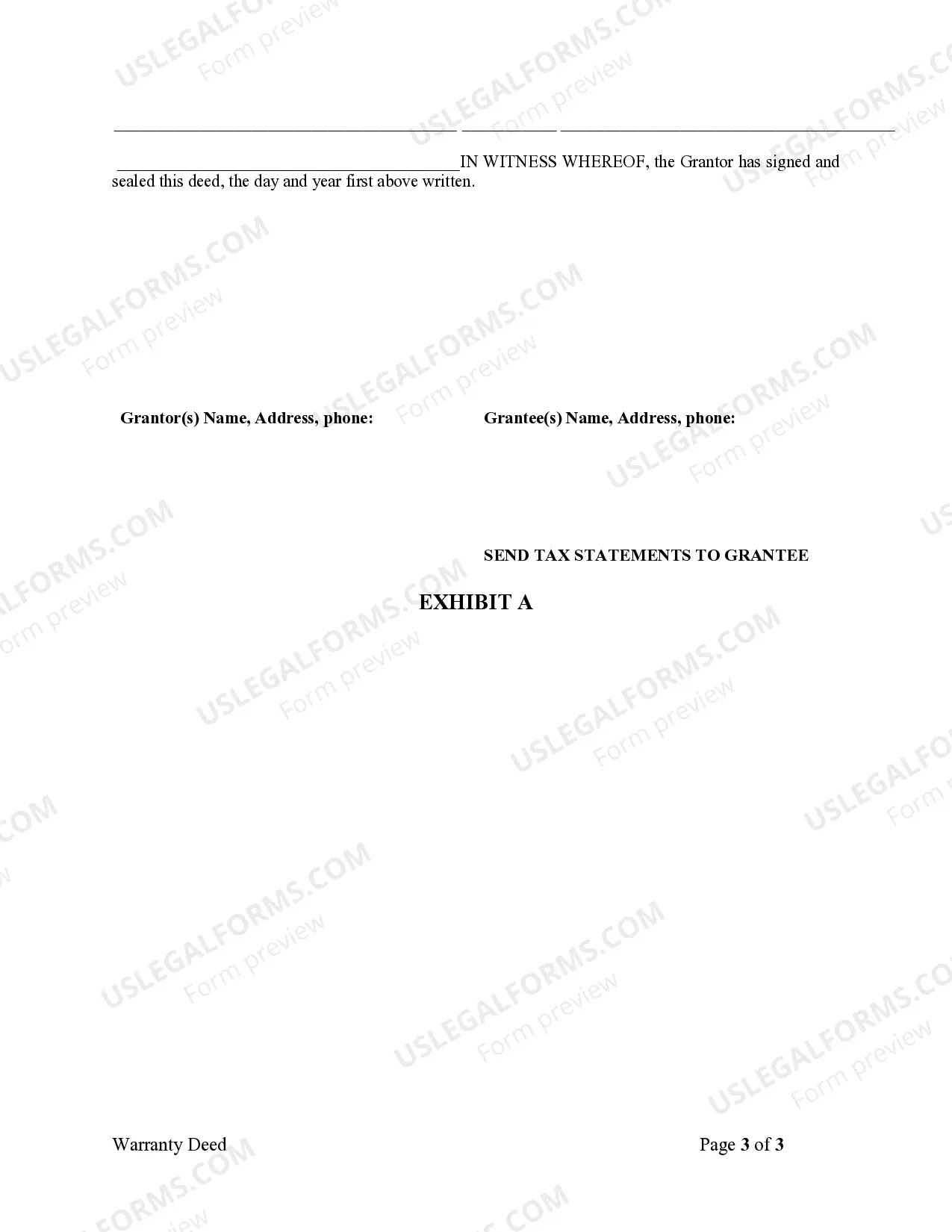
- Description of the property, including legal descriptions.
- Joint tenancy clause ensuring rights of survivorship.
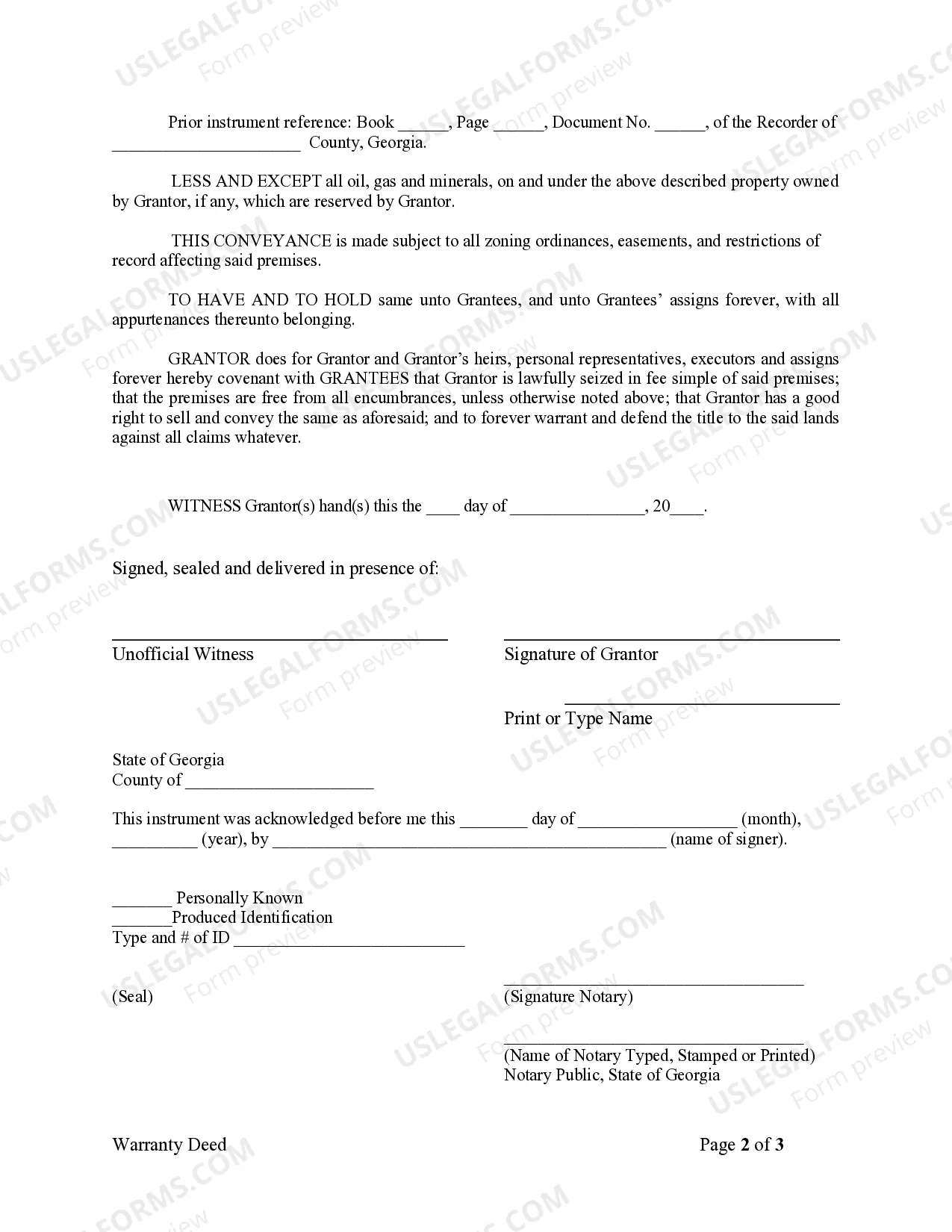
- Covenant that the Grantor has legal title and free from encumbrances.
- Signatures of Grantor and an unofficial witness.
Situations where this form applies
This form is appropriate when a husband wishes to transfer ownership of property to both himself and his wife, often in the context of estate planning or marital property arrangements. It is typically used when the couple intends to hold the property jointly and ensure that ownership rights pass directly to the surviving spouse, thereby avoiding probate complications upon the death of one partner.
Who can use this document
- Married couples looking to establish joint ownership of real property.
- Property owners seeking to clarify the title and rights of survivorship.
- Individuals who wish to retain certain mineral rights while transferring property ownership.
Steps to complete this form
- Identify the Grantor as the husband and the Grantees as both the husband and wife.
- Specify the property being conveyed, including a legal description.
- Enter the consideration amount, typically ten dollars, as acknowledged in the form.
- Ensure the joint tenancy clause is clearly stated.
- Sign the deed before a witness and date the document properly.
Does this form need to be notarized?
This form does not typically require notarization unless specified by local law. However, it is advisable to consult with a local attorney or authority to verify any specific requirements in your jurisdiction.
Get your form ready online
Our built-in tools help you complete, sign, share, and store your documents in one place.
Make edits, fill in missing information, and update formatting in US Legal Forms—just like you would in MS Word.
Download a copy, print it, send it by email, or mail it via USPS—whatever works best for your next step.
Sign and collect signatures with our SignNow integration. Send to multiple recipients, set reminders, and more. Go Premium to unlock E-Sign.
If this form requires notarization, complete it online through a secure video call—no need to meet a notary in person or wait for an appointment.
We protect your documents and personal data by following strict security and privacy standards.

Make edits, fill in missing information, and update formatting in US Legal Forms—just like you would in MS Word.

Download a copy, print it, send it by email, or mail it via USPS—whatever works best for your next step.

Sign and collect signatures with our SignNow integration. Send to multiple recipients, set reminders, and more. Go Premium to unlock E-Sign.

If this form requires notarization, complete it online through a secure video call—no need to meet a notary in person or wait for an appointment.

We protect your documents and personal data by following strict security and privacy standards.
Common mistakes to avoid
- Failing to provide a complete legal description of the property.
- Not including the witness's signature or details.
- Incorrectly stating the rights of survivorship or joint tenancy.
Why use this form online
- Convenient access to legally vetted documents at any time.
- Editability allows users to customize content to their specific needs.
- Reliable templates drafted by licensed attorneys ensure compliance with local laws.
Main things to remember
- This Warranty Deed facilitates the transfer of property ownership between spouses.
- It includes provisions for rights of survivorship, ensuring a smooth transition of ownership.
- Be sure to include accurate legal property descriptions and signatures when completing the form.
Looking for another form?
Form popularity
FAQ
It’s a Georgia warranty deed that transfers property from a husband to both himself and his wife as joint tenants with rights of survivorship, and it may retain any oil, gas, and mineral rights if applicable. It’s typically used in estate planning or marital-property arrangements to hold the property jointly and let the surviving spouse automatically inherit the deceased partner’s share, avoiding probate.
Use this warranty deed to transfer ownership from a husband to both himself and his wife as co-owners. It creates a joint tenancy with rights of survivorship and lists the grantor, the two grantees, the property description, a consideration clause, a title warranty, and signatures of the grantor and an unofficial witness.
Yes. This Georgia Warranty Deed From Husband To Himself And Wife is designed to transfer the property to both the husband and wife as grantees, establishing joint tenancy with survivorship. The document also records the property description, consideration, title warranty, and signatures of the grantor and an unofficial witness.
Under this deed, ownership passes to the named grantees as joint tenants with rights of survivorship. If your name isn’t on the deed at all, you wouldn’t have survivorship rights for that property under this instrument; the survivorship feature applies only to the named grantors/grantees on the deed.
For the property covered by this Georgia Warranty Deed, the surviving spouse inherits the deceased spouse’s interest as a co-owner under joint tenancy with rights of survivorship. Other assets follow their own titles and probate rules. This instrument specifically addresses survivorship for the property described in the deed.
It transfers title to two grantees—a husband and wife—as joint tenants with rights of survivorship, rather than to a single individual. It also explicitly contemplates mineral rights preservation when applicable and includes a grantor’s title covenant and an unofficial witness, aligning with the form’s joint-ownership purpose.