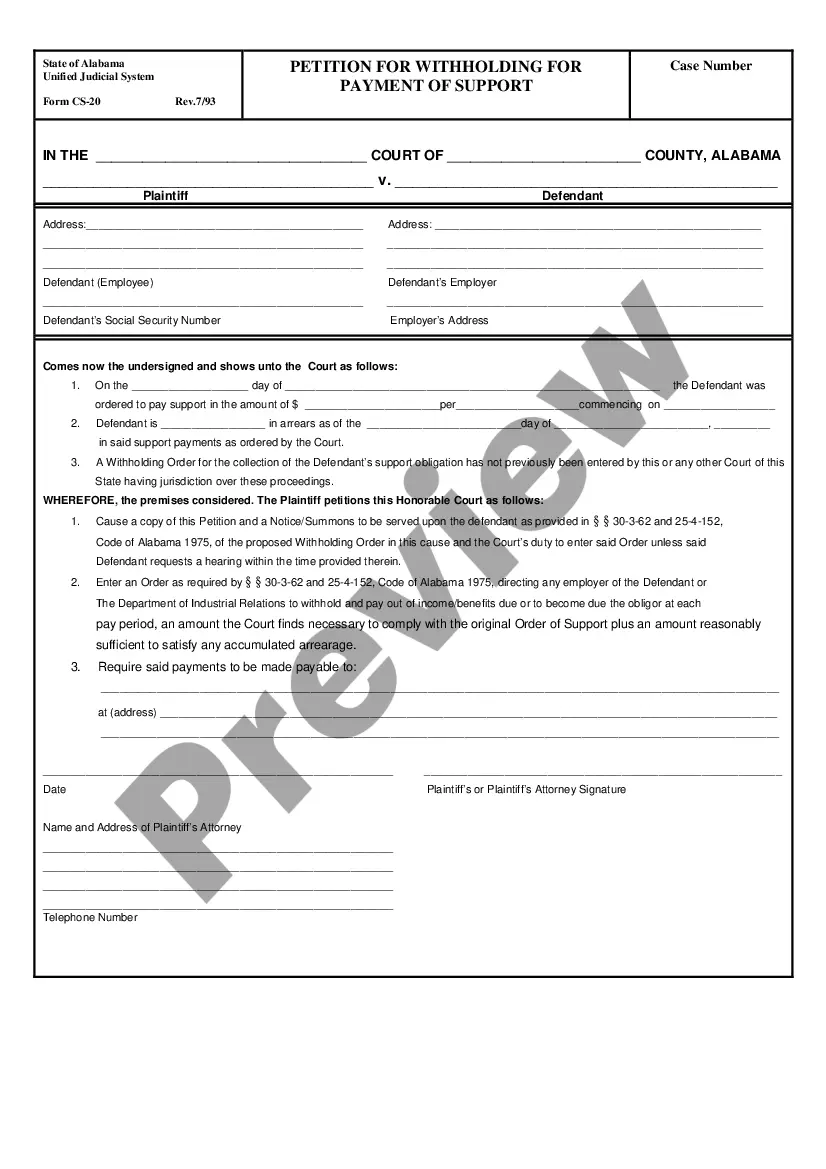
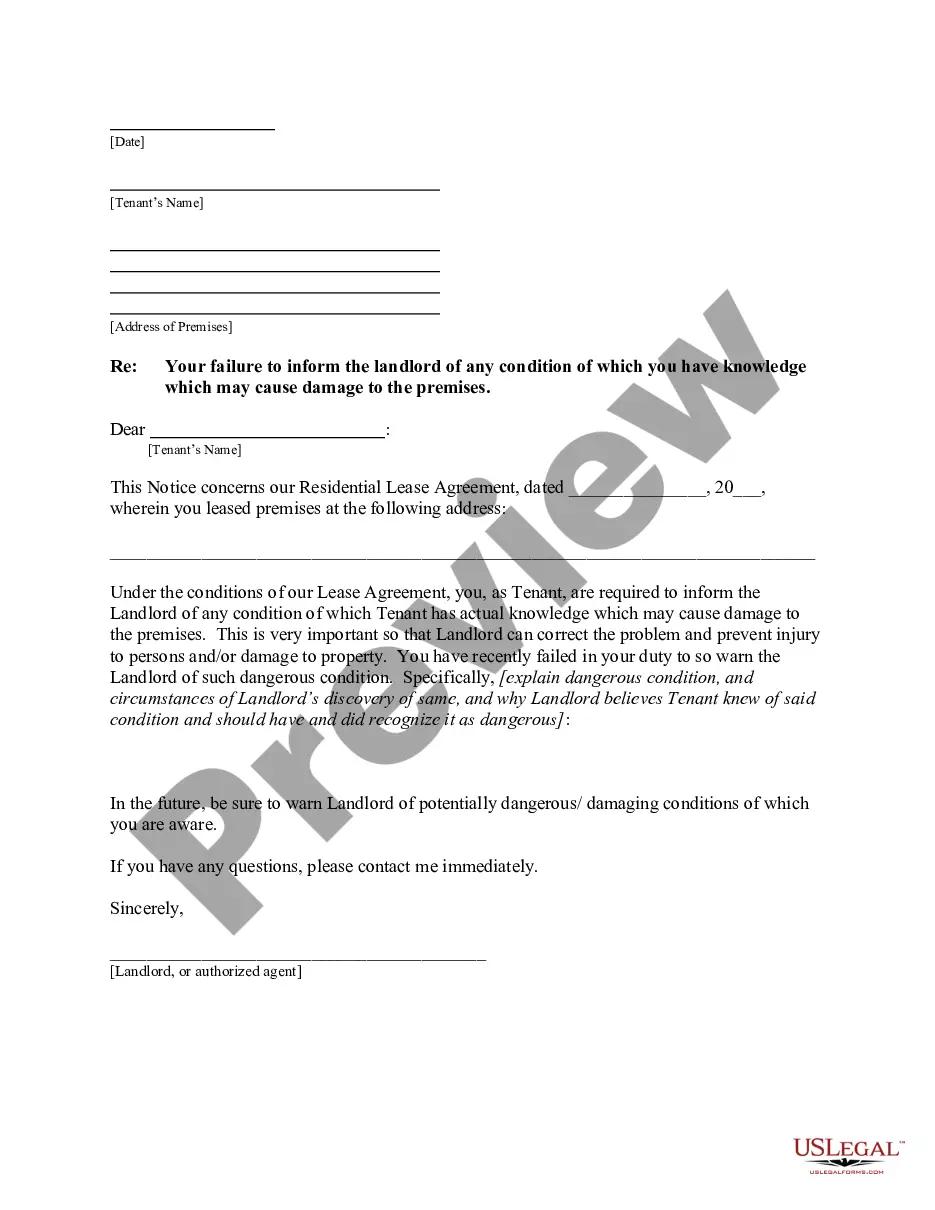
Idaho Letter from Landlord to Tenant as Notice to tenant to inform landlord of tenant's knowledge of condition causing damage to premises
Overview of this form
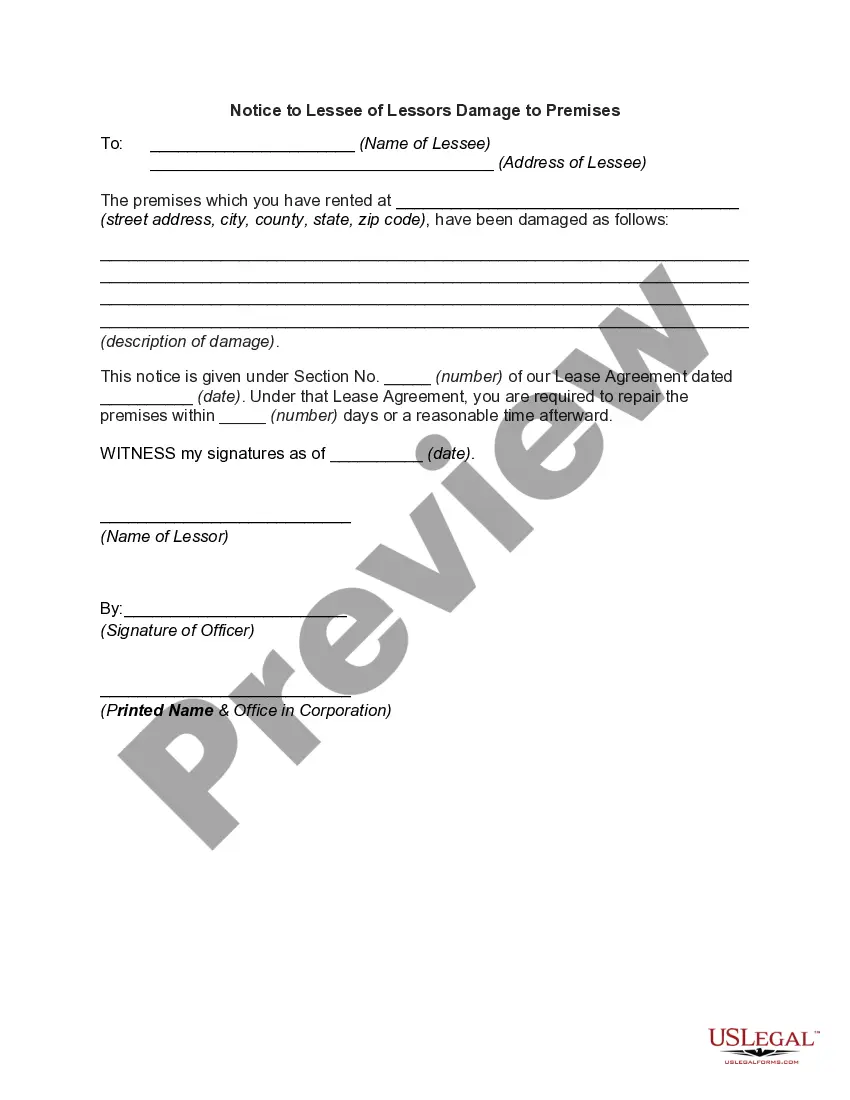
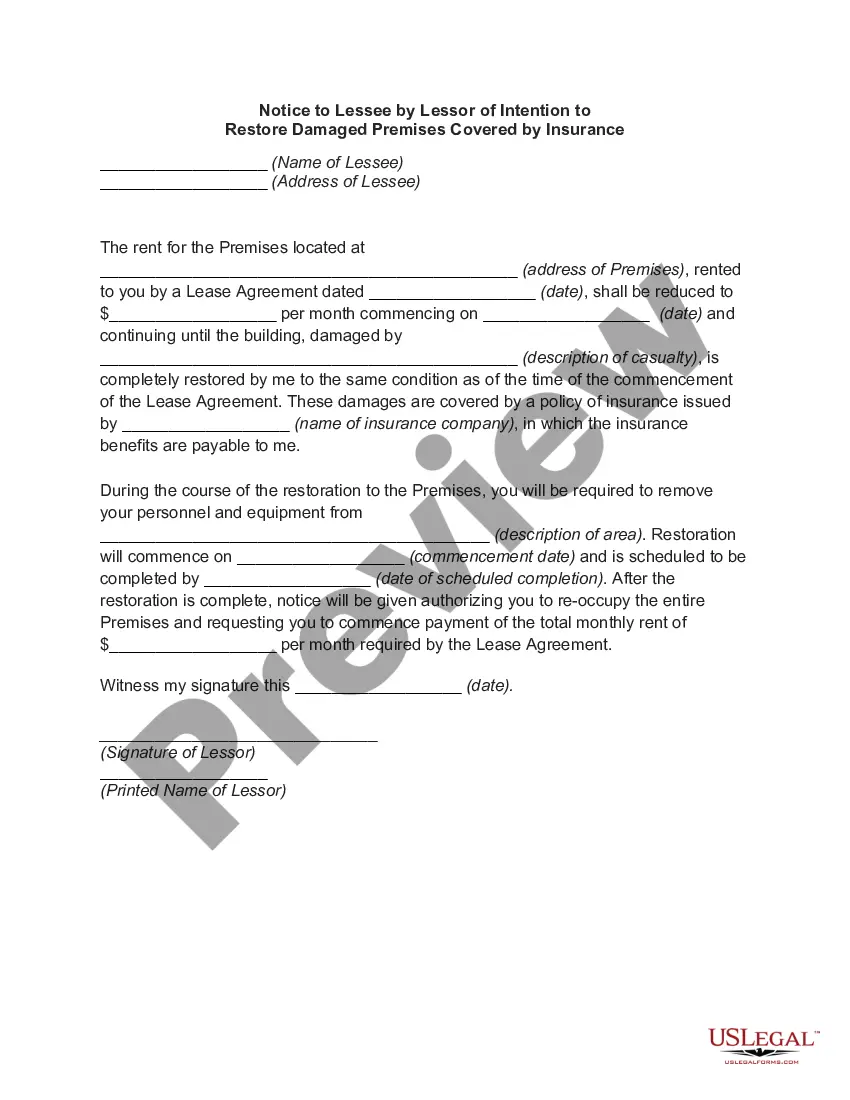
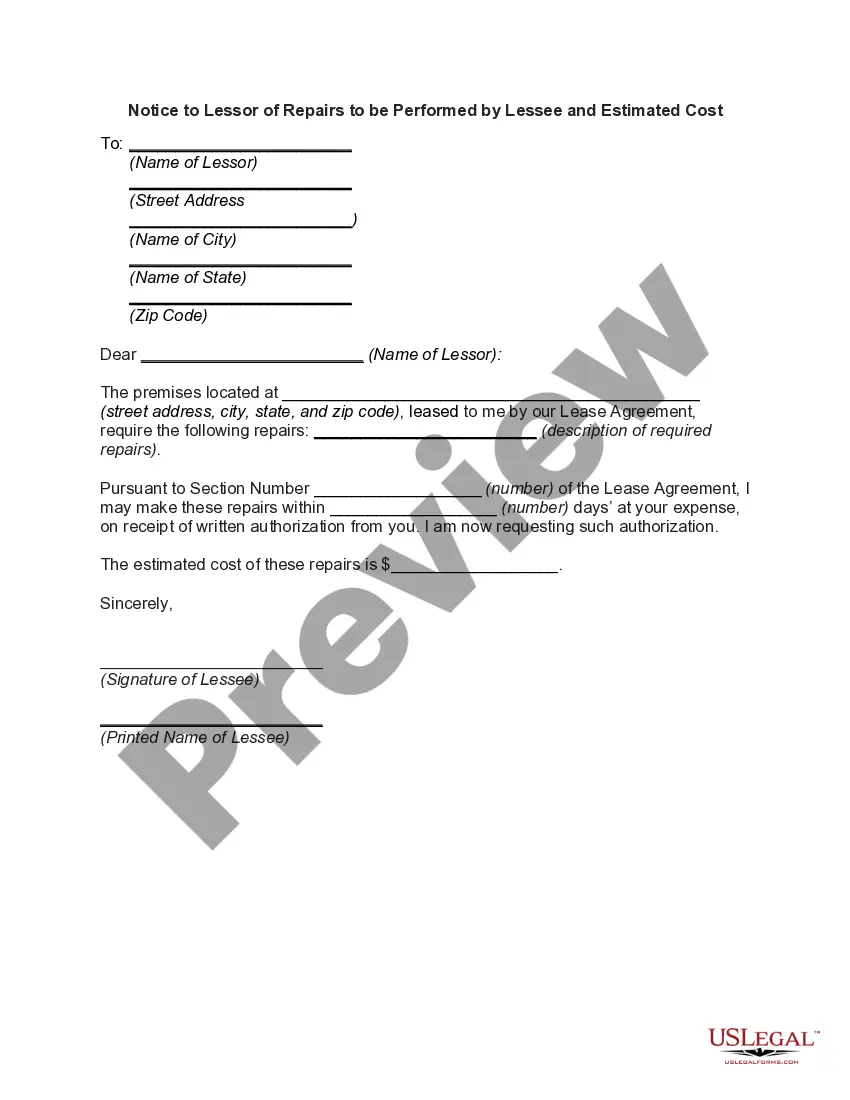
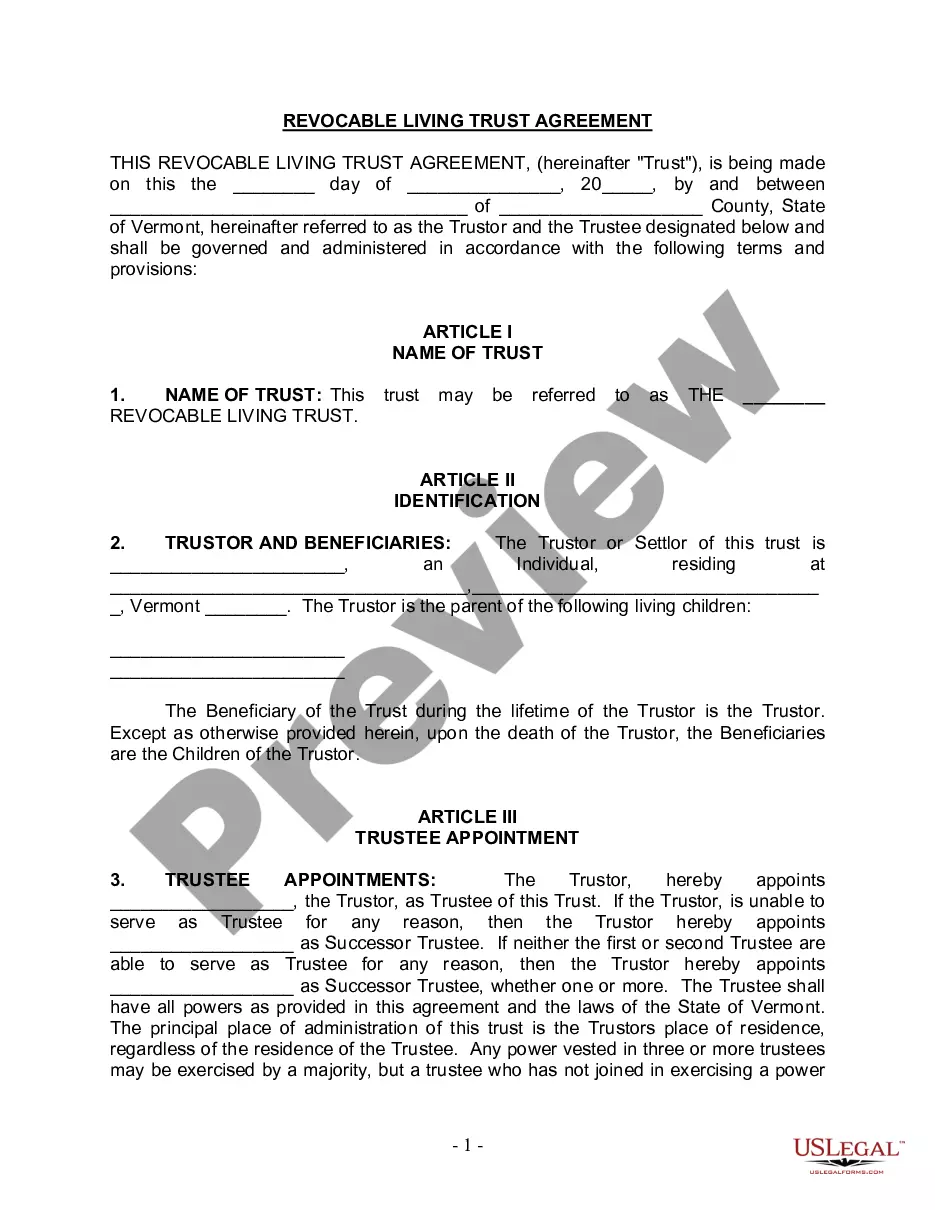
This letter is a formal notification from a landlord to a tenant, ensuring that the tenant is aware of their responsibility to inform the landlord about any conditions that may lead to damage of the premises. This serves to protect the property and prevent any potential harm. It differs from other communication forms as it explicitly states the obligation laid out in the lease agreement regarding the tenant's role in maintenance issues.
Key parts of this document
- Identification of the landlord and tenant involved in the agreement.
- A statement reminding the tenant of their duty to report conditions that might cause damage.
- Instructions on how to communicate any issues to the landlord.
- A section for the landlord's signature and contact information.
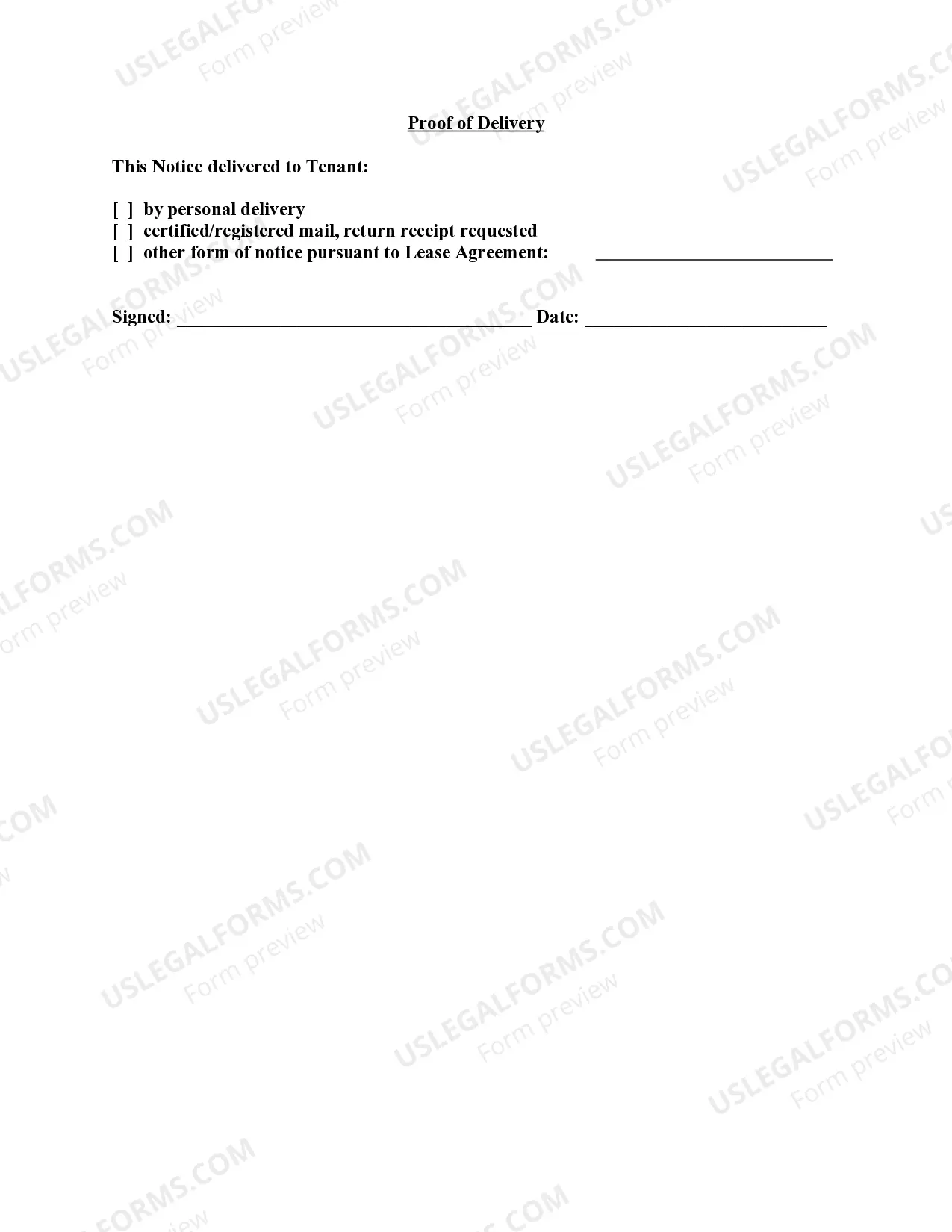
- Proof of delivery options, such as personal delivery or certified mail.

When to use this form
This form is essential when a landlord needs to remind a tenant of their obligation to report any known issues that could damage the rental property. Use it if there have been incidents where the tenant may have observed property damage or maintenance issues and has not reported them. It helps establish a formal record of communication for legal purposes and ensures that the landlord can address issues promptly to prevent further damage.
Who this form is for
- Landlords who are renting out residential properties.
- Property managers acting on behalf of landlords.
- Tenants who need clarification on their reporting responsibilities in the lease agreement.
- Anyone involved in lease agreements who wishes to formalize communication regarding property conditions.
Instructions for completing this form
- Identify the parties involved by entering the names of the landlord and tenant.
- Specify the details of the condition that needs to be reported, if known.
- State the obligation of the tenant to report any issues that may cause damage.
- Sign the letter as the landlord or authorized agent.
- Choose a delivery method and complete the proof of delivery section.
Does this document require notarization?
This form does not typically require notarization unless specified by local law. Always check state regulations to confirm whether additional formalities are necessary.
Get your form ready online
Our built-in tools help you complete, sign, share, and store your documents in one place.
Make edits, fill in missing information, and update formatting in US Legal Forms—just like you would in MS Word.
Download a copy, print it, send it by email, or mail it via USPS—whatever works best for your next step.
Sign and collect signatures with our SignNow integration. Send to multiple recipients, set reminders, and more. Go Premium to unlock E-Sign.
If this form requires notarization, complete it online through a secure video call—no need to meet a notary in person or wait for an appointment.
We protect your documents and personal data by following strict security and privacy standards.

Make edits, fill in missing information, and update formatting in US Legal Forms—just like you would in MS Word.

Download a copy, print it, send it by email, or mail it via USPS—whatever works best for your next step.

Sign and collect signatures with our SignNow integration. Send to multiple recipients, set reminders, and more. Go Premium to unlock E-Sign.

If this form requires notarization, complete it online through a secure video call—no need to meet a notary in person or wait for an appointment.

We protect your documents and personal data by following strict security and privacy standards.
Typical mistakes to avoid
- Failing to include the tenant's correct contact information.
- Not specifying the condition that needs to be reported.
- Neglecting to keep a copy of the letter for landlord records.
- Using informal language instead of keeping a professional tone.
- Not delivering the notice in a way that can be legally verified.
Advantages of online completion
- Accessibility: Downloadable and ready to use anytime.
- Customization: Easy to fill out and adjust as per specific needs.
- Reliability: Drafted by licensed attorneys to ensure legal compliance.
- Efficiency: Saves time compared to drafting a letter from scratch.
Key takeaways
- This letter is essential for reminding tenants of their duty to report hazardous conditions.
- Proper completion and delivery of this notice can help prevent property damage.
- Adhering to local laws is crucial when using this form.
Looking for another form?
Form popularity
FAQ
Landlords need to collect confidential information from their tenants in order to determine whether or not they qualify for a lease. A tenant's employer, bank account numbers, credit history, social security number and previous addresses are all valuable to identity thieves.
You can send your letter by email if your tenancy agreement says you can. You should say something like: I am giving 1 month's notice to end my tenancy, as required by law. I will be leaving the property on (date xxxxx).
If you're an assured tenant or a protected tenant Your landlord will have to give you notice if they want you to leave. They have to give the reasons why they want to evict you - for example, if you have rent arrears or you've damaged the property. Your landlord will have to go to court and get a court order.
Today's Date. Landlord's Name. Property Address and Unit Number. State Your Desire to Move Out of the Apartment. Include Desired Move-Out Date. That You Expect the Return of Your Security Deposit Under State Law. A Forwarding Address Where Your Security Deposit Can Be Sent. Your Signature.
A landlord cannot evict a tenant without an adequately obtained eviction notice and sufficient time. A landlord cannot retaliate against a tenant for a complaint. A landlord cannot forego completing necessary repairs or force a tenant to do their own repairs.A landlord cannot remove a tenant's personal belongings.
A landlord can not, as a condition of renting or providing any service to a tenant, ask for consent to collect, use or disclose personal information beyond what is necessary to provide tenancy or any service section 7(2).
Step 1: Mention the Reason for Giving a Notice. Step 2: Use Formal Language. Step 3: Mention the Date for Vacating. Step 4: Address the Formalities to Be Taken Care Of. Step 5: Proofread the Letter.
Assuming you are paying on the first of the month, your 30-day notice should be given 30 days before and specify the first of the month as the date you are out. For example, if you want to vacate in May, draft and deliver the notice before April 1 and list April 1 as the date the 30-day notice takes effect.