Idaho Landlord Agreement to allow Tenant Alterations to Premises
What is this form?
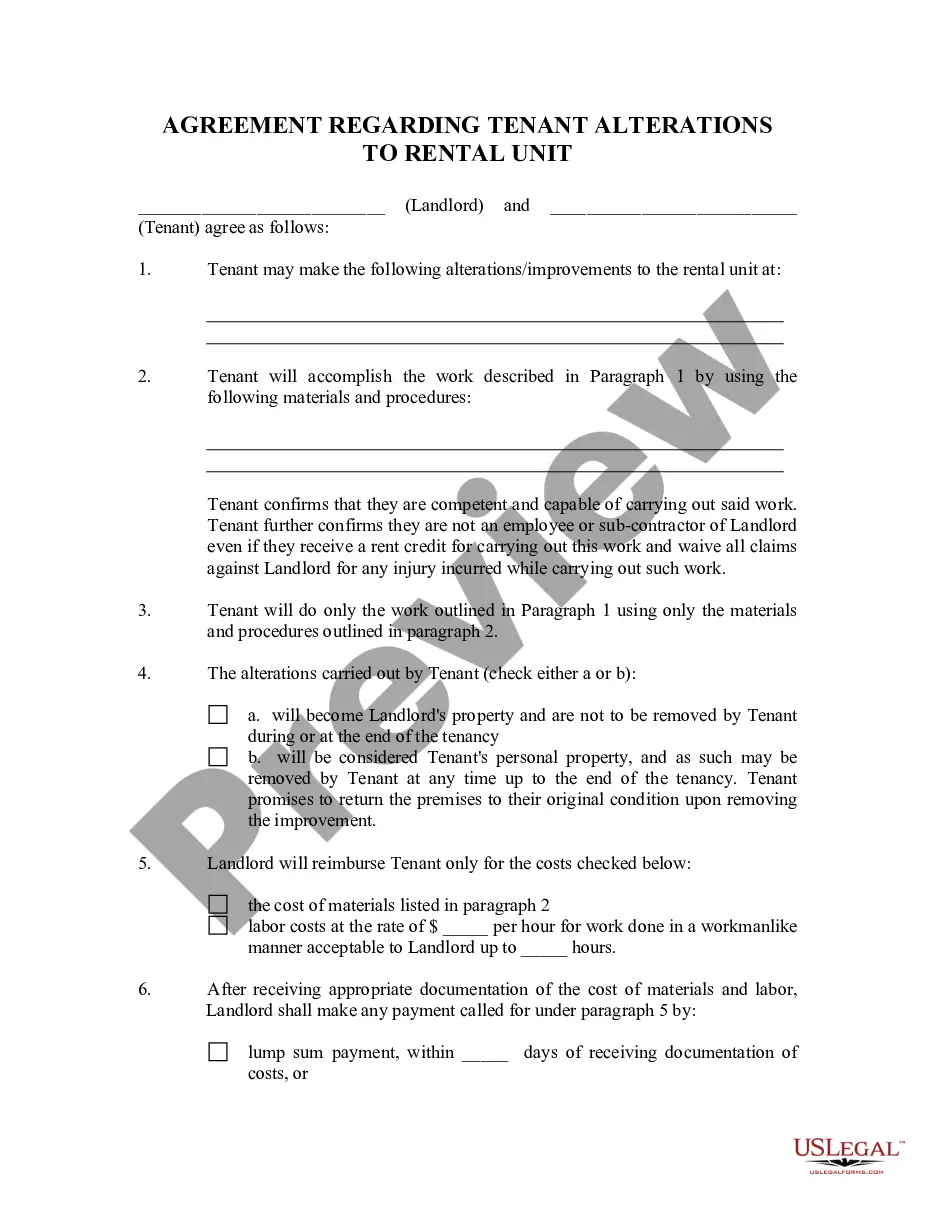
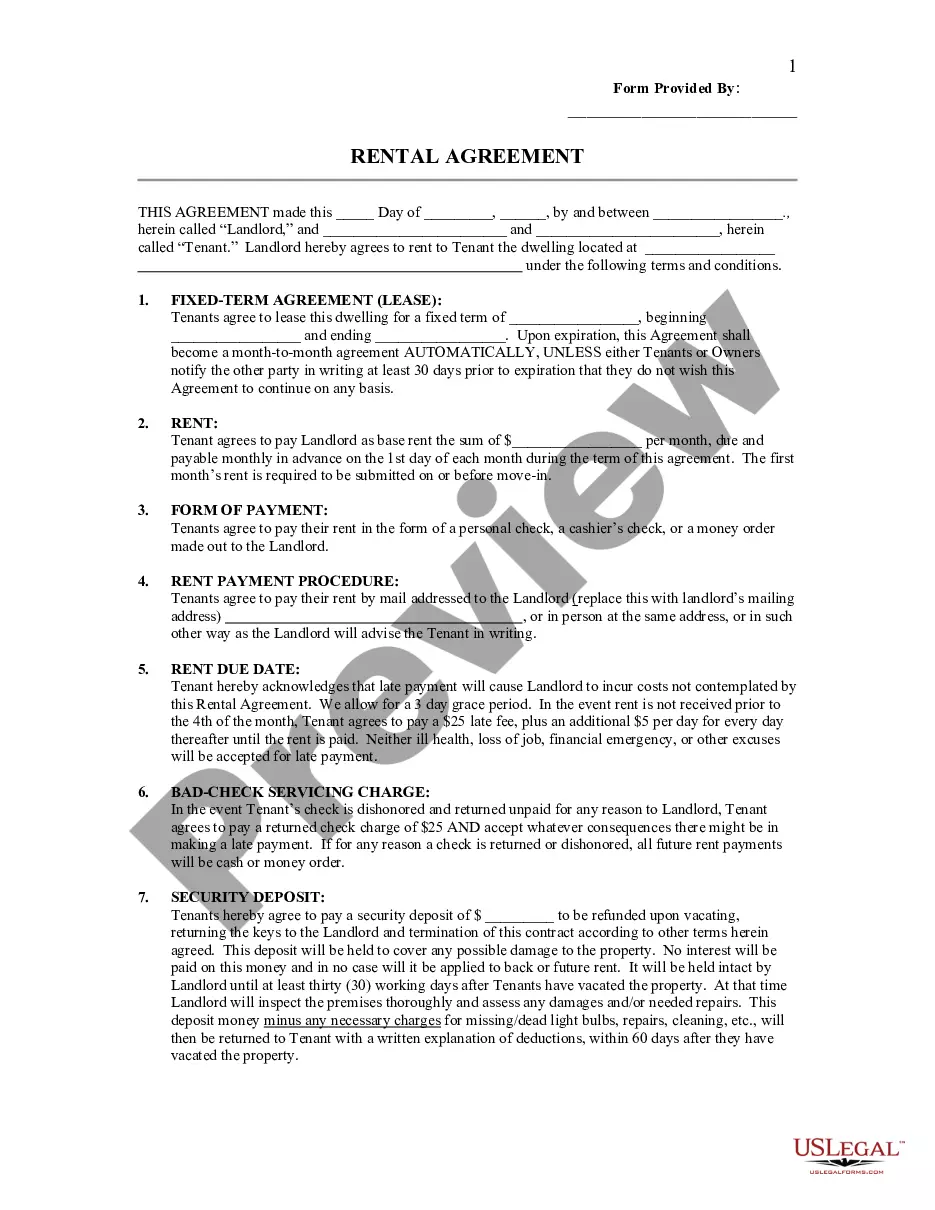
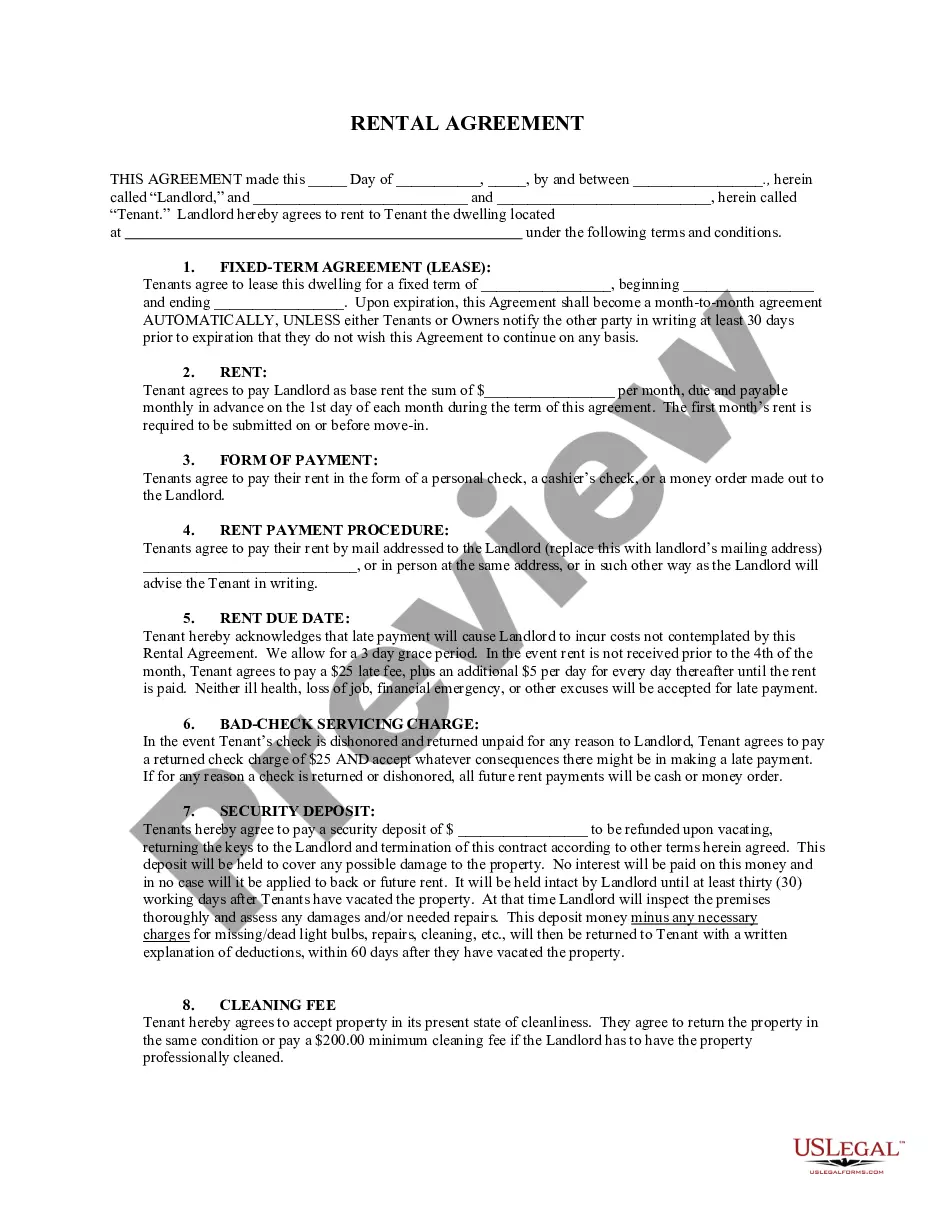
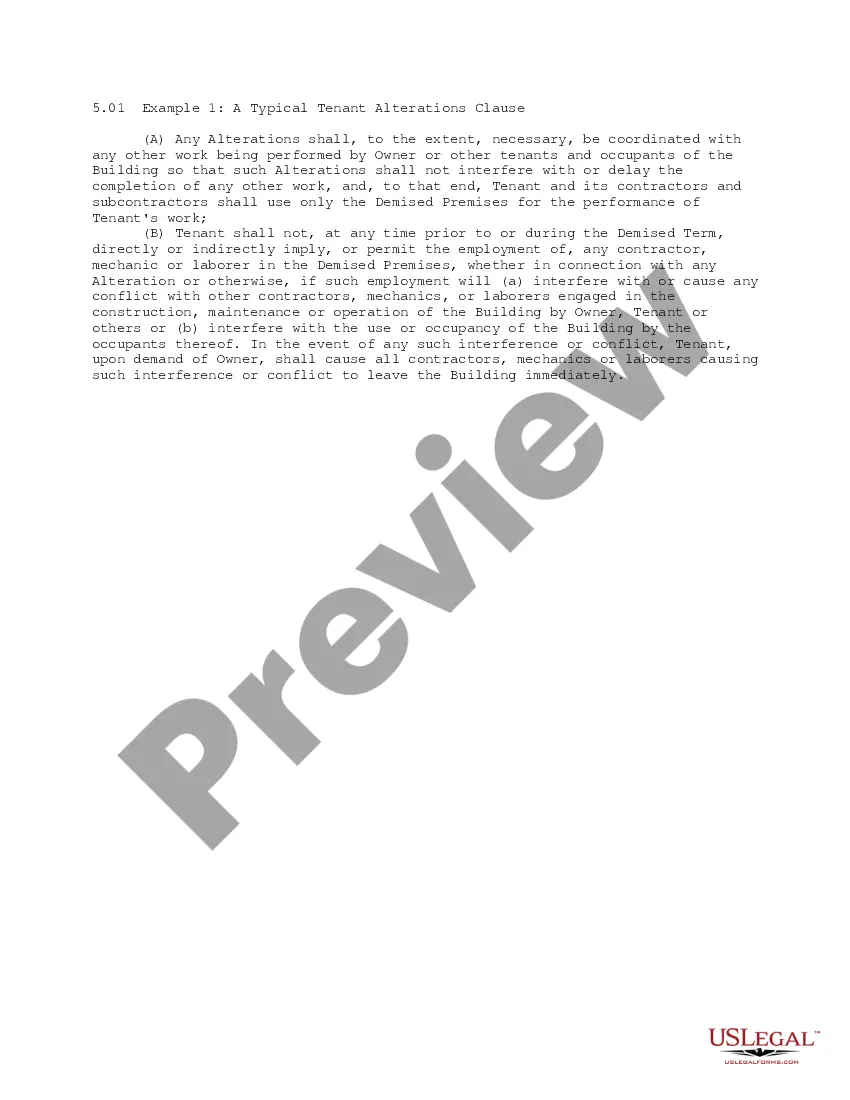
The Landlord Agreement to allow Tenant Alterations to Premises is a legal contract that outlines the conditions under which a tenant may make alterations to a rental property. This agreement is vital for preventing misunderstandings between landlords and tenants regarding property modifications. It specifies details such as who is responsible for costs, the ownership of improvements, and the conditions for removing alterations. Using this form helps ensure that both parties have a clear understanding of their rights and obligations related to tenant alterations.
Main sections of this form
- Identification of the landlord and tenant.
- Description of the allowed alterations or improvements.
- Ownership rights of the alterations made by the tenant.
- Reimbursement terms for the costs of materials and labor.
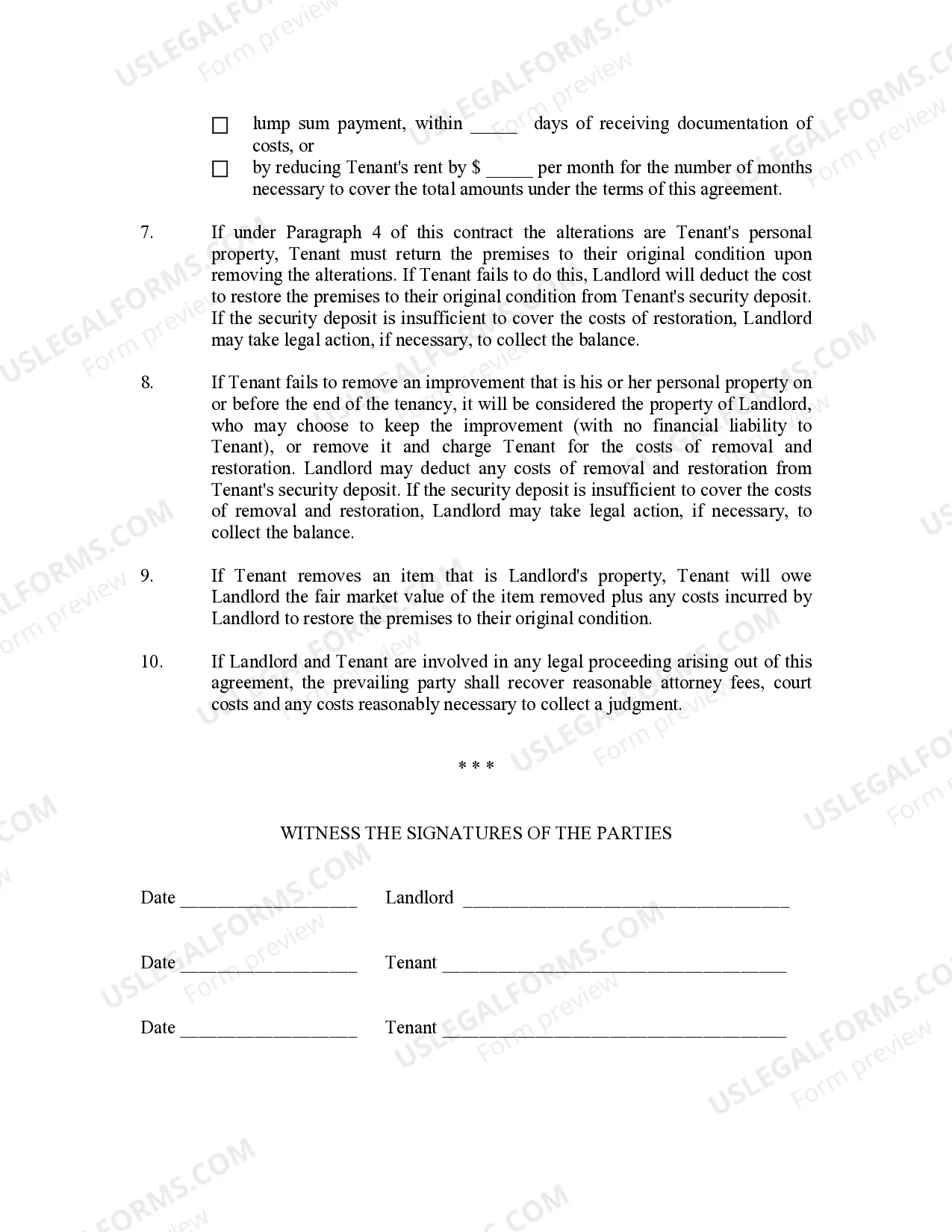
- Obligations for restoring the premises to original condition upon termination of the tenancy.
- Terms regarding the removal of improvements and consequences of non-compliance.
Common use cases
This form is used when a tenant wishes to make alterations to a rented premises, such as renovations or decorations that require approval from the landlord. It is particularly helpful when there is a need for clear communication about costs, ownership of alterations, and what happens when the tenant moves out. This agreement can prevent disputes and clarify expectations regarding property modifications.
Intended users of this form
- Landlords who want to allow tenants to make modifications to rental properties.
- Tenants who wish to alter their living space and need permission to do so legally.
- Property managers who oversee rental agreements and tenant alterations.
Instructions for completing this form
- Identify and enter the names of the landlord and tenant at the beginning of the agreement.
- Clearly specify the alterations or improvements the tenant is allowed to make.
- Determine and fill in the responsibilities for material and labor costs.
- Indicate whether the alterations will be the landlord's or the tenant's property.
- Sign and date the form to make it legally binding.
Does this document require notarization?
This form does not typically require notarization to be legally valid. However, some jurisdictions or document types may still require it. US Legal Forms provides secure online notarization powered by Notarize, available 24/7 for added convenience.
Get your form ready online
Our built-in tools help you complete, sign, share, and store your documents in one place.
Make edits, fill in missing information, and update formatting in US Legal Forms—just like you would in MS Word.
Download a copy, print it, send it by email, or mail it via USPS—whatever works best for your next step.
Sign and collect signatures with our SignNow integration. Send to multiple recipients, set reminders, and more. Go Premium to unlock E-Sign.
If this form requires notarization, complete it online through a secure video call—no need to meet a notary in person or wait for an appointment.
We protect your documents and personal data by following strict security and privacy standards.

Make edits, fill in missing information, and update formatting in US Legal Forms—just like you would in MS Word.

Download a copy, print it, send it by email, or mail it via USPS—whatever works best for your next step.

Sign and collect signatures with our SignNow integration. Send to multiple recipients, set reminders, and more. Go Premium to unlock E-Sign.

If this form requires notarization, complete it online through a secure video call—no need to meet a notary in person or wait for an appointment.

We protect your documents and personal data by following strict security and privacy standards.
Mistakes to watch out for
- Failing to specify all alterations the tenant is allowed to make.
- Not addressing who will bear the costs of labor and materials.
- Overlooking the terms for restoring the premises to its original condition.
- Ignoring state-specific laws that may affect the agreement.
Benefits of completing this form online
- Convenient access to a professionally drafted legal document.
- Edit and customize the form to fit specific needs before printing.
- Reliable templates created by licensed attorneys that ensure legal compliance.
Legal use & context
- This agreement is generally enforceable under property and contract law.
- Both parties should keep a signed copy for their records to provide proof of the agreement.
- Landlords and tenants should ensure compliance with local laws regarding alterations.
Summary of main points
- This agreement safeguards both parties by clearly outlining the guidelines for tenant alterations.
- Understanding responsibilities regarding improvements can help prevent future disputes.
- Using this form enhances legal clarity and establishes expectations upfront.
Looking for another form?
Form popularity
FAQ
Allow the landlord to enter the rental unit without providing proper notice as provided by law or the lease agreement; require the tenant's security deposit to cover damages not caused by the tenant or the tenant's guests;allow the landlord to seize a tenant's personal property if the tenant fails to pay rent.
The Idaho law enacted in 1977 clearly specifies the rights of landlords and tenants. Some of the tenant rights include: Right to remain on the property until they're properly evicted by a court order. Right to have repairs made within a reasonable amount of time after a request is made.
Idaho is a fairly landlord-friendly state because there are few limits on fees and other charges, and landlords can manage security deposits how they wish. Tenants are also not allowed to withhold rent, although they can make repairs and deduct the cost for smoke detectors alone.
Although some state laws allow tenants to break a lease in domestic violence situations, Idaho is not one of them.